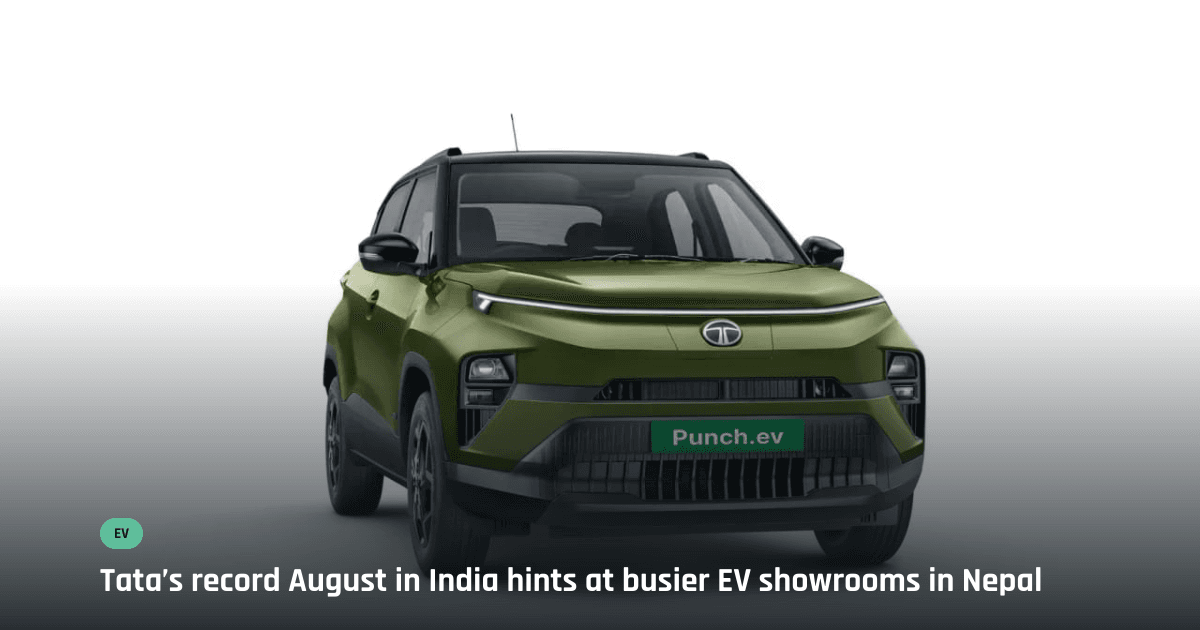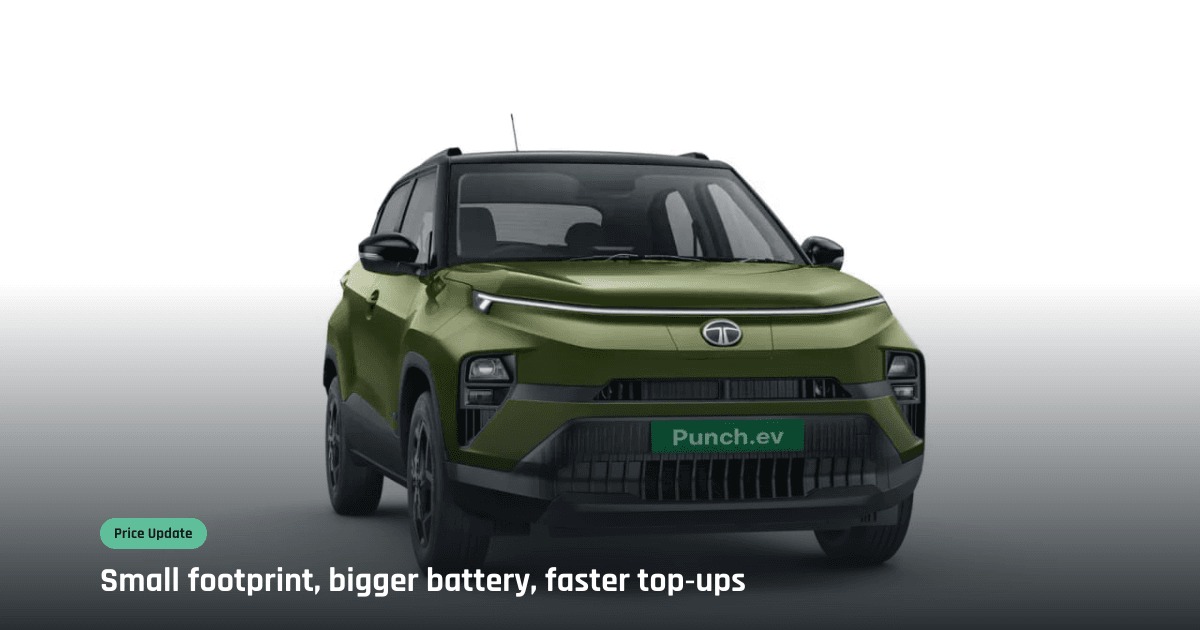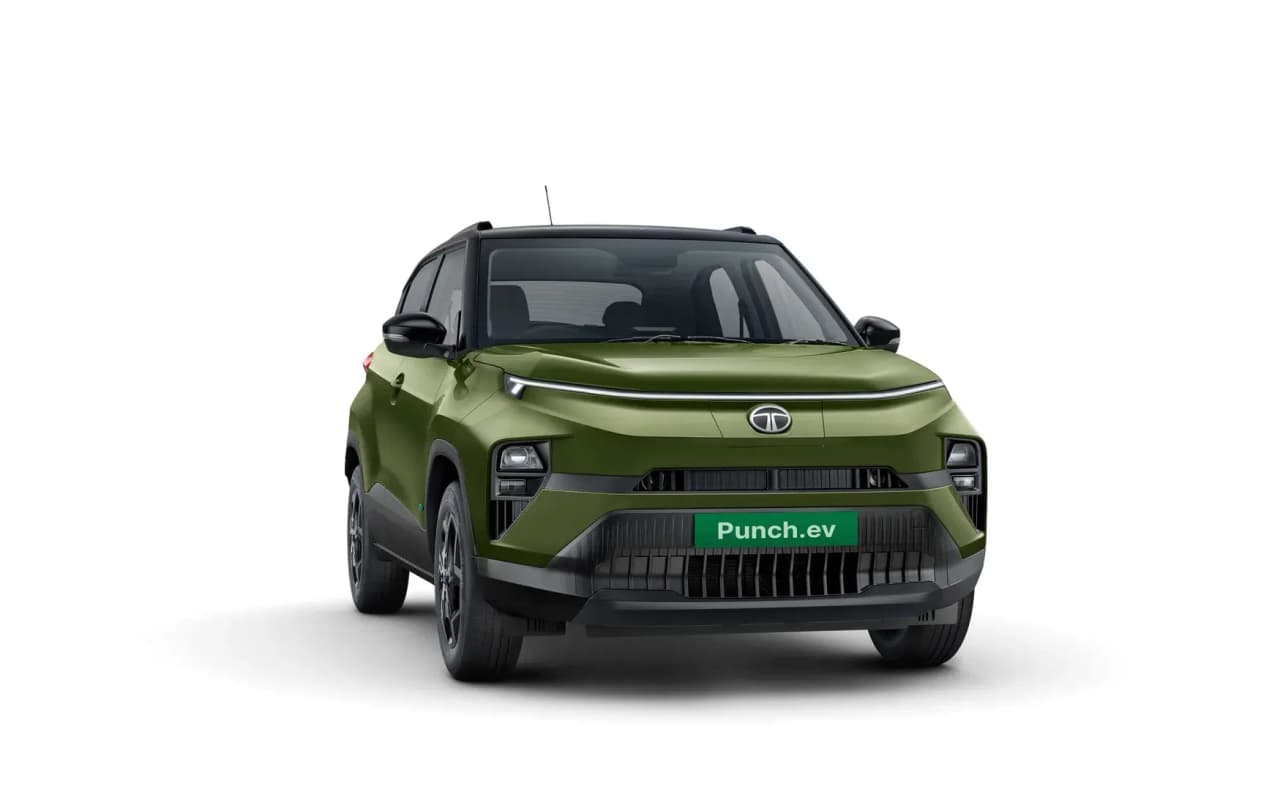
Tata has increased Punch EV prices in India by up to Rs 20,000, making one of its key electric models more expensive in its source market. That matters for Nepali buyers because Punch EV is already on sale here at Rs 33.99 lakh–Rs 37.99 lakh ex-showroom, and higher Indian tags usually feed into future shipment costs.
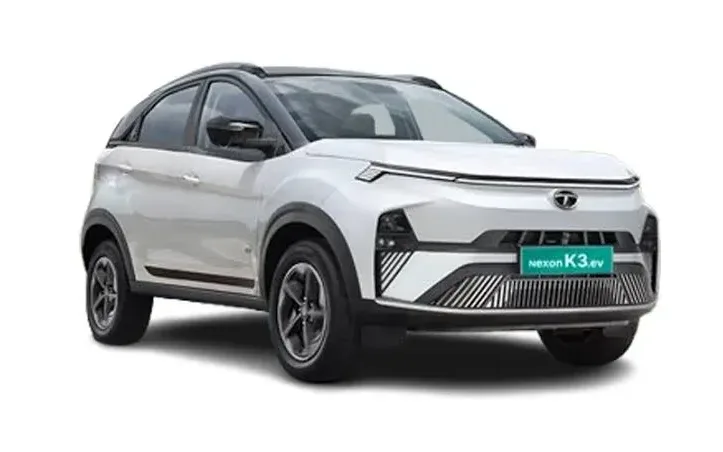
In Nepal, Punch EV sits in the heart of Tata’s small-car and EV portfolio. The 2026 30 kWh Punch EV is priced at Rs 33.99 lakh, with the 2026 40 kWh Punch EV at Rs 36.99 lakh and the Empowered+ S 40 variant at Rs 37.99 lakh. It broadly overlaps with the Tata Tiago NRG at Rs 34.49 lakh, sits within the Tata Altroz band of Rs 30.99 lakh–Rs 38.99 lakh, and cuts into Tata Punch petrol pricing of Rs 29.99 lakh–Rs 45.49 lakh. On the EV side, it comes just under the Tata Nexon EV range of Rs 38.99 lakh–Rs 50.99 lakh and slightly above the Tata Tigor EV at Rs 29.99 lakh–Rs 34 lakh.
What has changed in India
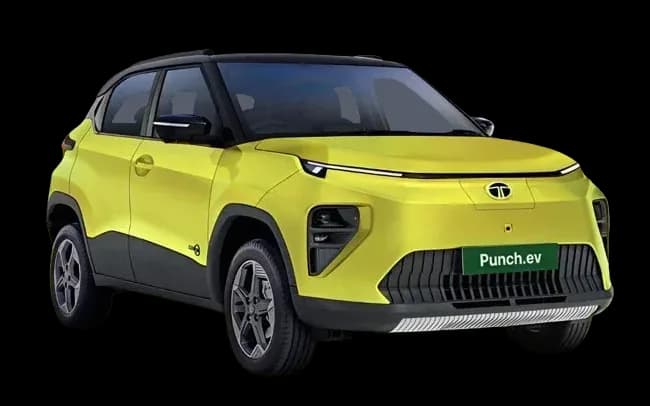
The current update is purely a price hike in India. Tata has kept the variant structure and hardware, but moved the tags up by Rs 10,000 on 30 kWh Punch EV variants and Rs 20,000 on all 40 kWh variants.
Punch EV continues with two battery options — 30 kWh and 40 kWh. The 30 kWh pack is offered on Smart and Smart+ trims, while the 40 kWh pack is paired with Smart+, Adventure, Empowered and Empowered+ S. Smart+ is the only trim that can be had with either battery size.
There is no mechanical change tied to this hike. The 30 kWh Punch EV uses a 65 kW (88 PS) motor, while 40 kWh variants get a 95 kW (130 PS) motor. Certified range remains 365–375 km for 30 kWh and 468 km for 40 kWh on the MIDC cycle. Tata’s own C75 calculation pegs real-world range around 260–275 km for 30 kWh and 335–355 km for 40 kWh. Drive modes are City and Sport across the range, with Eco mode reserved for the 40 kWh variants.
Performance stays the same: 0–100 km/h in 9 seconds for 40 kWh Punch EV, and 13.5 seconds for the 30 kWh versions. All variants offer four levels of regenerative braking, and with a 65 kW DC fast charger both battery sizes can charge from 20% to 80% in about 26 minutes. The car supports 3.3 kW AC and 7.2 kW AC charging as before.
Tata also continues to offer a battery-as-a-service (BaaS) option in India, where the car body is priced at Rs 6.49 lakh and the battery is paid for via a per-kilometre EMI of Rs 2.6/km. This flexible structure is India-only for now; Nepali distributors have not announced a similar plan.
Likely impact on Nepal prices
Punch EV’s Nepal pricing of Rs 33.99 lakh–Rs 37.99 lakh ex-showroom is current at the time of writing. There has been no formal price revision announced in Nepal yet, and bookings and sales continue at these tags.
Given that Nepal imports most Tata cars from India, a factory-side increase of Rs 10,000–Rs 20,000 per unit in the source market raises the baseline cost for future batches. That can show up here as:
- A direct ex-showroom increase on new shipments of Punch EV.
- Stronger pricing on higher-spec 40 kWh and Empowered+ S 40 variants, which already sit near the Tata Nexon EV floor of Rs 38.99 lakh.
- Less room for festival discounts or Dashain offers on entry Punch EV trims if the distributor absorbs part of the hike.
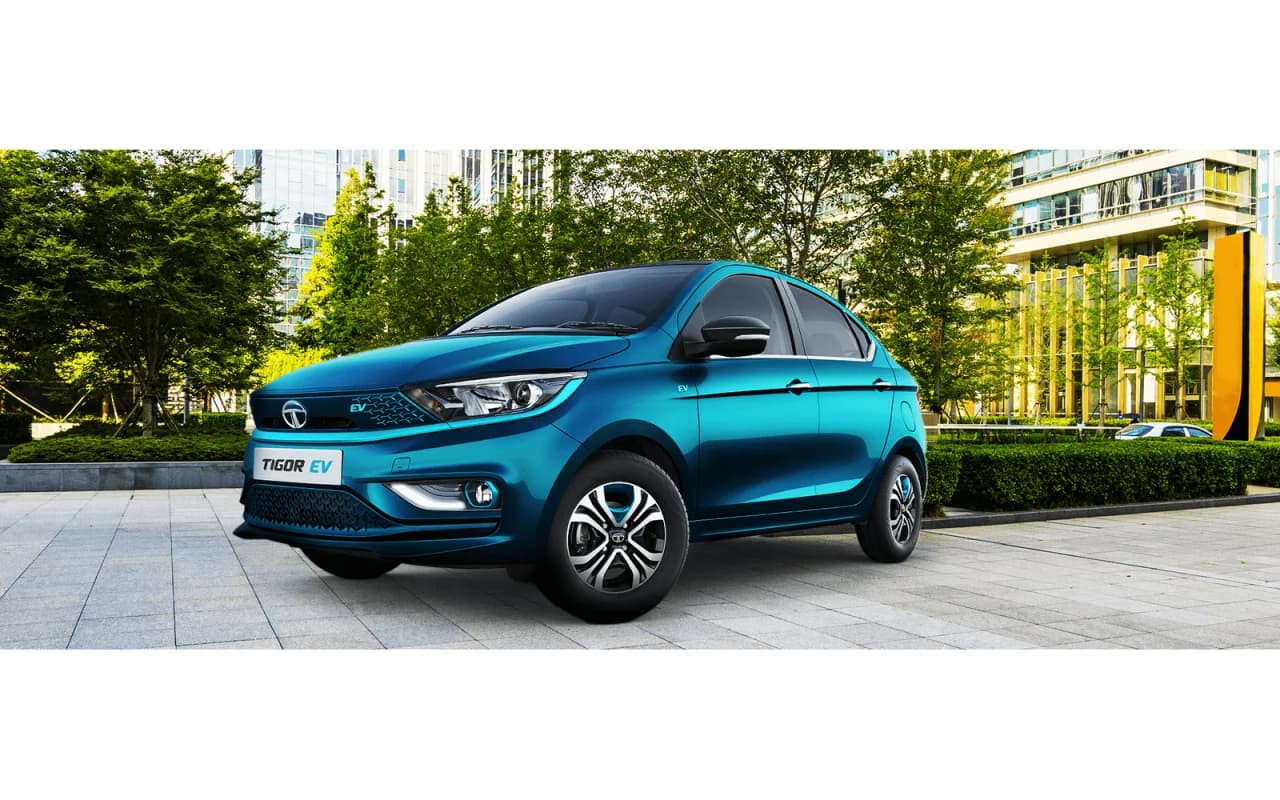
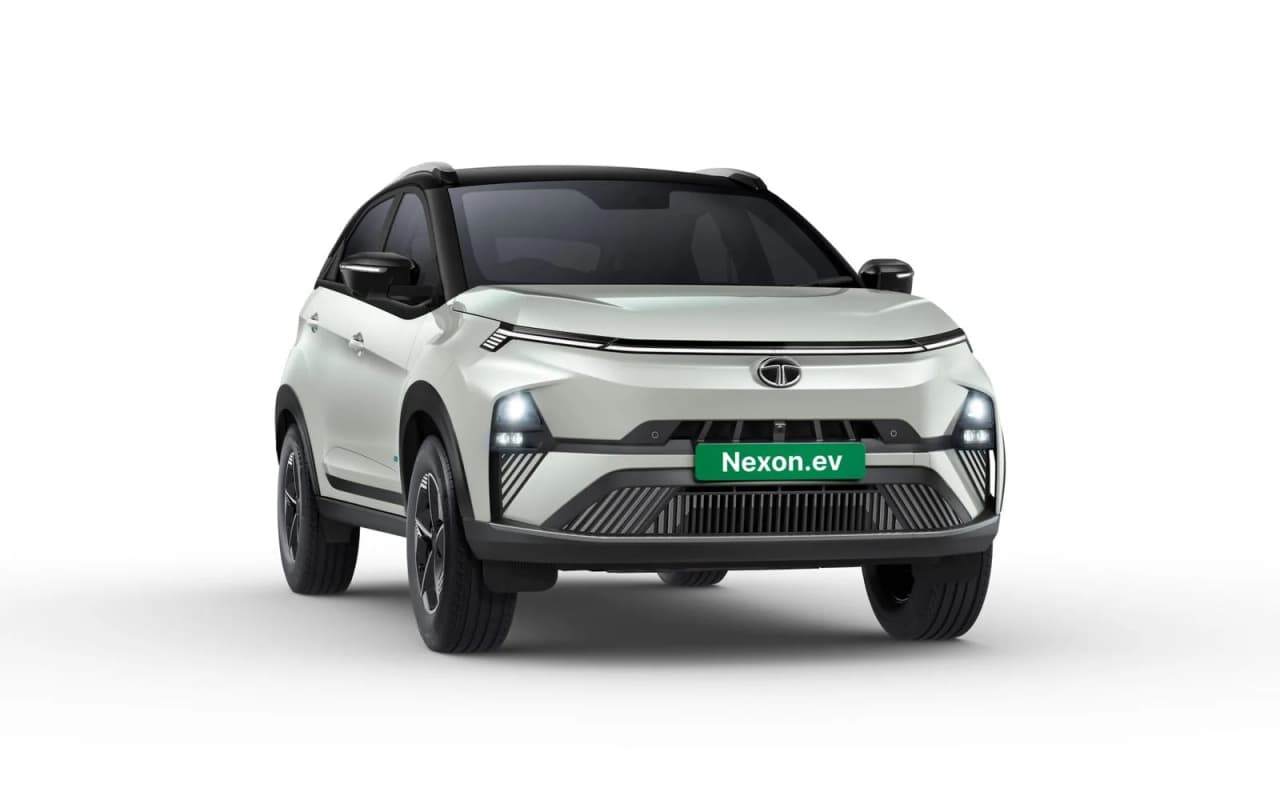
For a buyer comparing Tata EVs today, the spread is clear. Tigor EV starts at Rs 29.99 lakh, making it the cheapest Tata EV in Nepal. Punch EV starts at Rs 33.99 lakh, giving more ground clearance and space for a modest step up. Nexon EV begins at Rs 38.99 lakh, with more power and size at a noticeable premium. If Punch EV prices are revised up after the Indian hike, the gap to Nexon EV will shrink.
Where Punch EV sits against other city EVs
Nepal now has multiple compact EVs aimed at urban use. Tata Punch EV’s Rs 33.99 lakh–Rs 37.99 lakh band places it above ultra-compact options and just under family-sized crossovers.
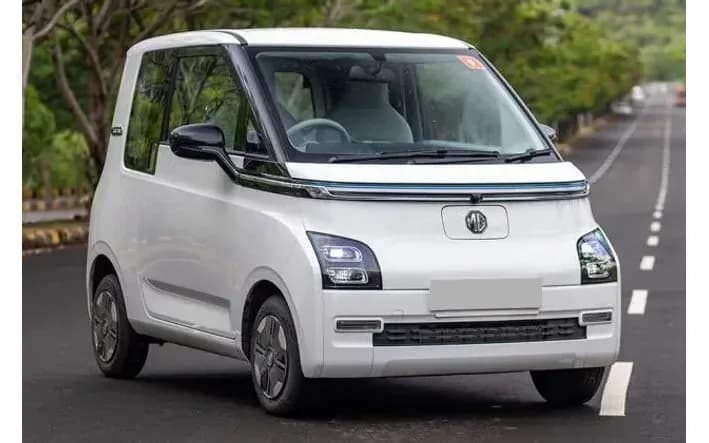
MG’s smallest EV, the MG Comet, is significantly cheaper, at Rs 18.75 lakh–Rs 22.74 lakh across Pace, Executive, Play and Excite variants. It is a city-focused two-door hatch, much smaller than Punch EV, so the use case is different. Higher up, MG’s Windsor EV is priced at Rs 37.99 lakh–Rs 46.99 lakh, overlapping the top Punch EV Empowered+ S 40 at Rs 37.99 lakh. Above that sit larger MG EVs like MG4 at Rs 41.49 lakh–Rs 49.99 lakh, MGS5 EV at Rs 43.99 lakh–Rs 55.99 lakh, and ZS EV bands going up to Rs 71.99 lakh.
For city buyers, Punch EV’s combination of real-world 260–355 km range, ground clearance similar to the petrol Punch, and pricing that sits between Tigor EV and Nexon EV keeps it central to the conversation. The Indian price hike adds cost pressure, but until local tags change, it remains one of the more attainable crossover-style EVs with a Nepali bluebook.
Verdict: for Nepali buyers, the Punch EV is already positioned as a mid-priced urban EV between Tigor EV and Nexon EV; India’s September 2026 price increase raises the risk of a future upward revision here, so anyone sitting on the fence may find it safer to lock in today’s Rs 33.99 lakh–Rs 37.99 lakh pricing while it lasts.
Our own record on this
Each is a dated change we applied to a published ex-showroom price after checking it. A logged change may be a distributor's revision or our own correction coming into line with the official figure — the log says which way each one moved, and when, not why.
See the full price-change log →- Tata Nexon EV: cars.tatamotors.com.np — checked 2026-08-19
Writes on vehicle pricing, taxation and the Nepali auto market from ongoing tracking of distributor price lists. Every price in this piece is read live from the Nepal AutoMart catalog — how we verify prices.