Tata Motors has reported its strongest passenger vehicle month of FY 2026-27, with domestic wholesales hitting 65,253 units and total passenger vehicle volume (domestic plus exports) reaching 67,753 units in August 2026. EVs were the standout, with 16,549 electric cars sold across domestic and international markets, a 94% year-on-year jump, taking Tata’s EV share on India’s Vahan portal to around 43.74%.
In August 2026, 30,051 electric cars were sold in India, marking a 53.1% increase from August 2025. Tata Motors led the charge, selling 13,158 electric cars, a 63.2% increase from the previous year, and holding a 43.8% market share in India's electric car market.
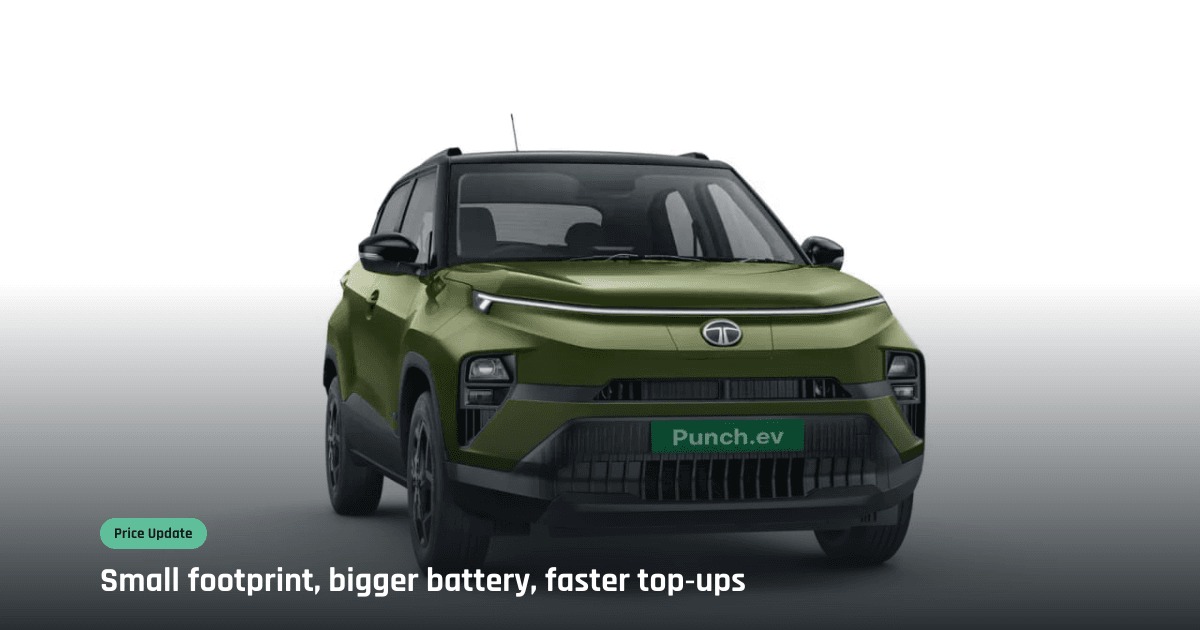
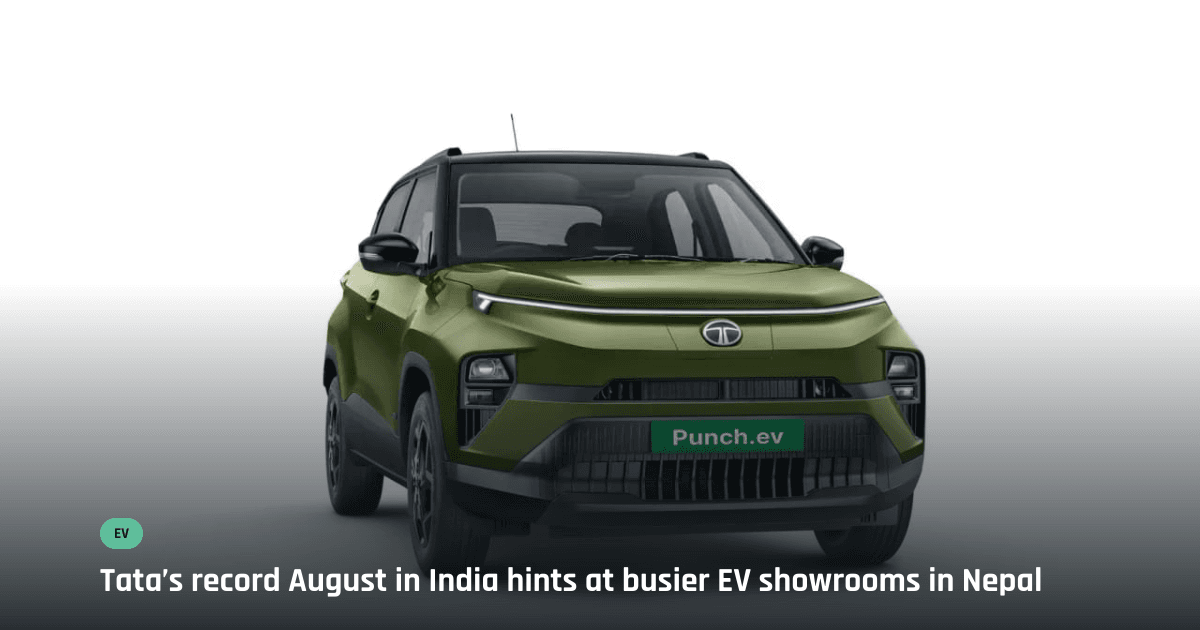
For Nepali buyers, the clear takeaway is that Tata’s EV strategy in India is maturing fast – and that matters because Nepal already gets several of these models. The Tata Punch EV in Nepal is listed at Rs 33.99 lakh – Rs 37.99 lakh across three variants:
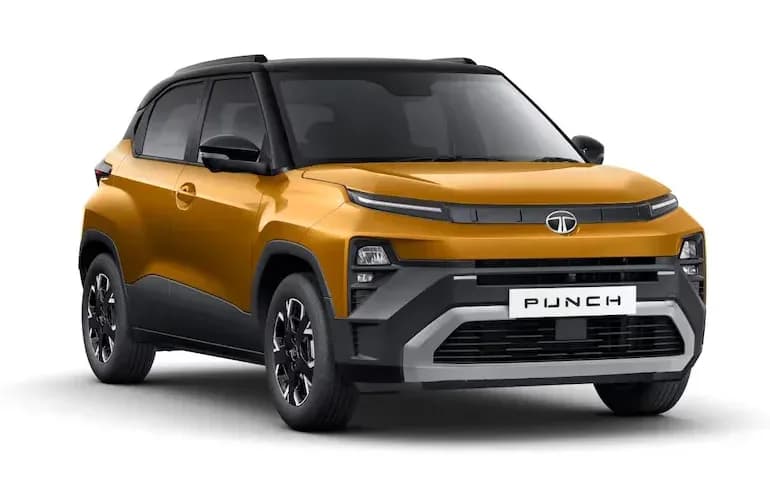
- 2026 30 kWh: Rs 33.99 lakh
- 2026 40 kWh: Rs 36.99 lakh
- Empowered+ S 40: Rs 37.99 lakh
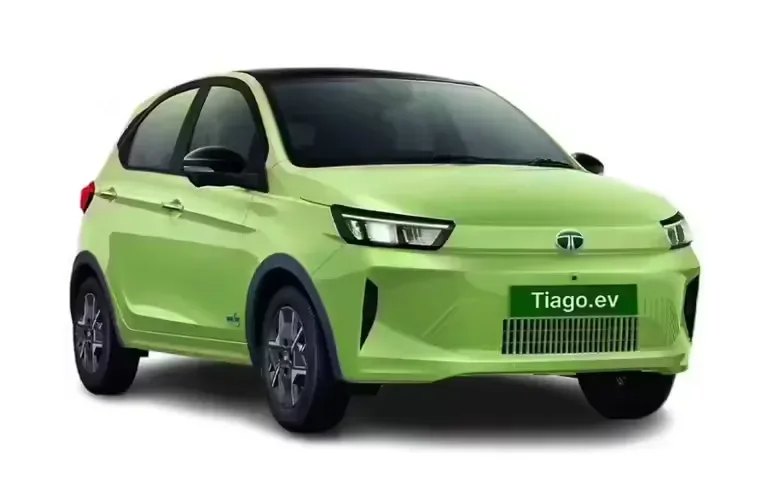
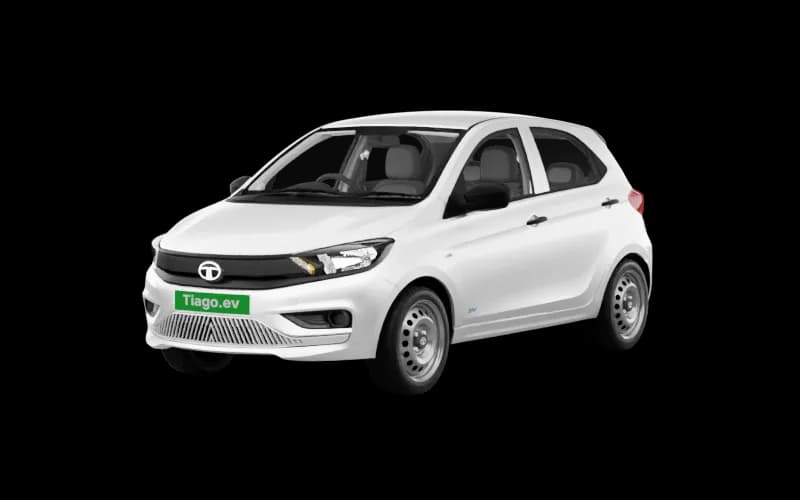
This places Punch EV slightly above the Tiago EV (Rs 28.99 lakh – Rs 29.99 lakh) and overlapping with the Tigor EV (Rs 29.99 lakh – Rs 34 lakh), while still undercutting the Nexon EV, which sits higher at Rs 38.99 lakh – Rs 50.99 lakh. For shoppers, Punch EV effectively fills the gap between Tata’s small city EVs and its larger Nexon EV, both in price and likely in features and range.
Punch and Punch EV demand: why Nepalis should care
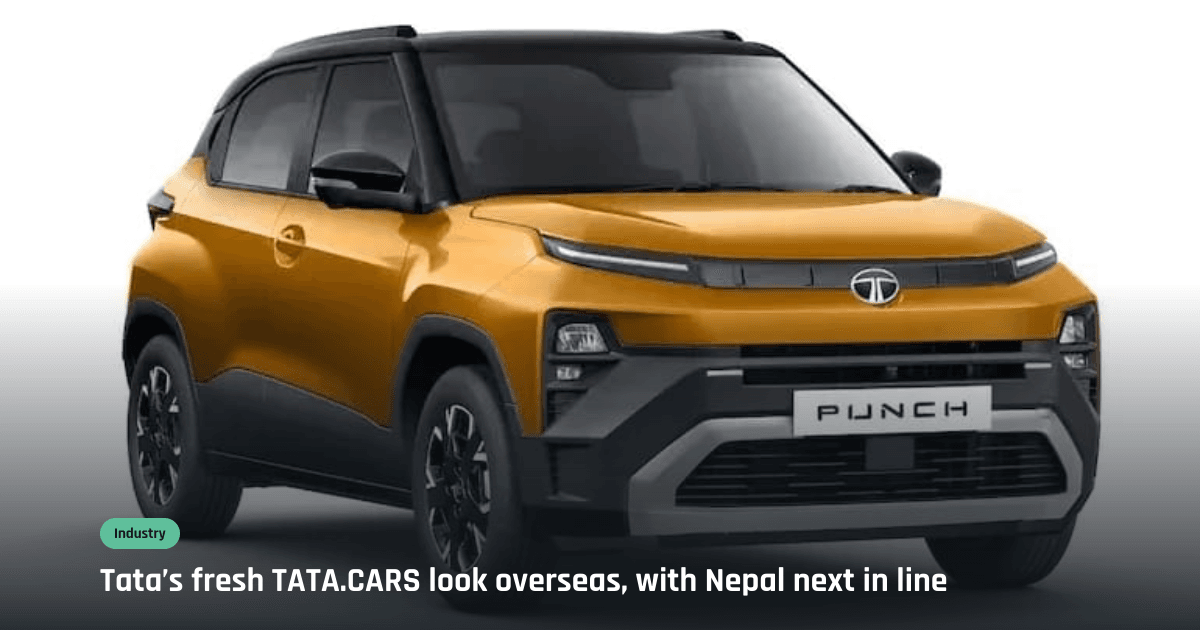
Tata says the Punch (its compact SUV) recorded its highest-ever domestic monthly sales in August, with internal estimates placing the figure above 22,000 units. Notably, the Tata Punch sold 21,320 units, becoming India's top-selling car in August 2026. Punch EV, too, achieved its best-ever monthly numbers, helping push total EV volumes beyond the 16,500-unit mark for the first time. The Nexon also performed strongly, selling 18,431 units and ranking sixth in India.
With Punch and Punch EV becoming volume drivers in India, Nepali buyers can expect:
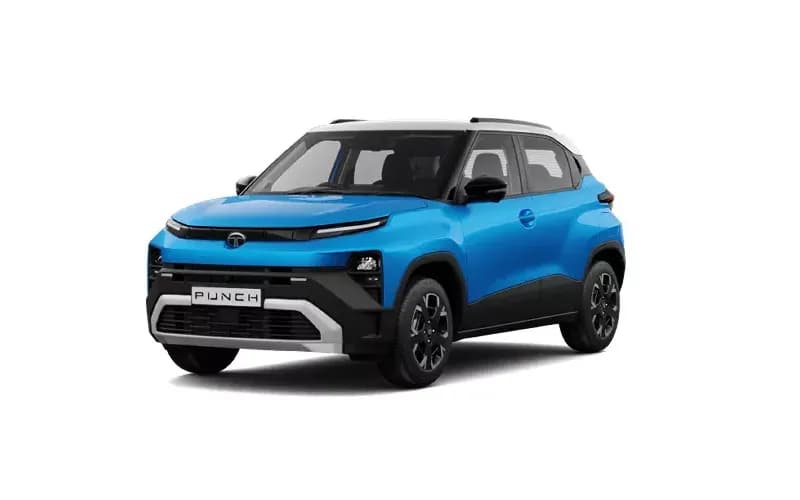
- More consistent supply of Punch and Punch EV units, as high India production usually stabilises export allocations.
- Slower price cuts, but better value – once a model is a proven bestseller, Tata is more likely to add features or variants than slash prices aggressively. In Nepal, that could mean feature updates at similar price points rather than big price drops.
- Better long-term support, as a strong sales base in India encourages longer parts availability and clearer upgrade paths for battery, software and hardware.
What record EV sales mean for Tata’s Nepal EV line-up
Tata’s multi-powertrain portfolio in India — petrol, diesel, CNG and EVs — is increasingly leaning on EV growth. For Nepal, where fuel prices and import duties make EVs attractive, the current line-up already spans multiple segments:
- Tiago EV: Rs 28.99 lakh – Rs 29.99 lakh
- Tigor EV: Rs 29.99 lakh – Rs 34 lakh
- Punch EV: Rs 33.99 lakh – Rs 37.99 lakh
- XPRES-T EV: Rs 38.49 lakh
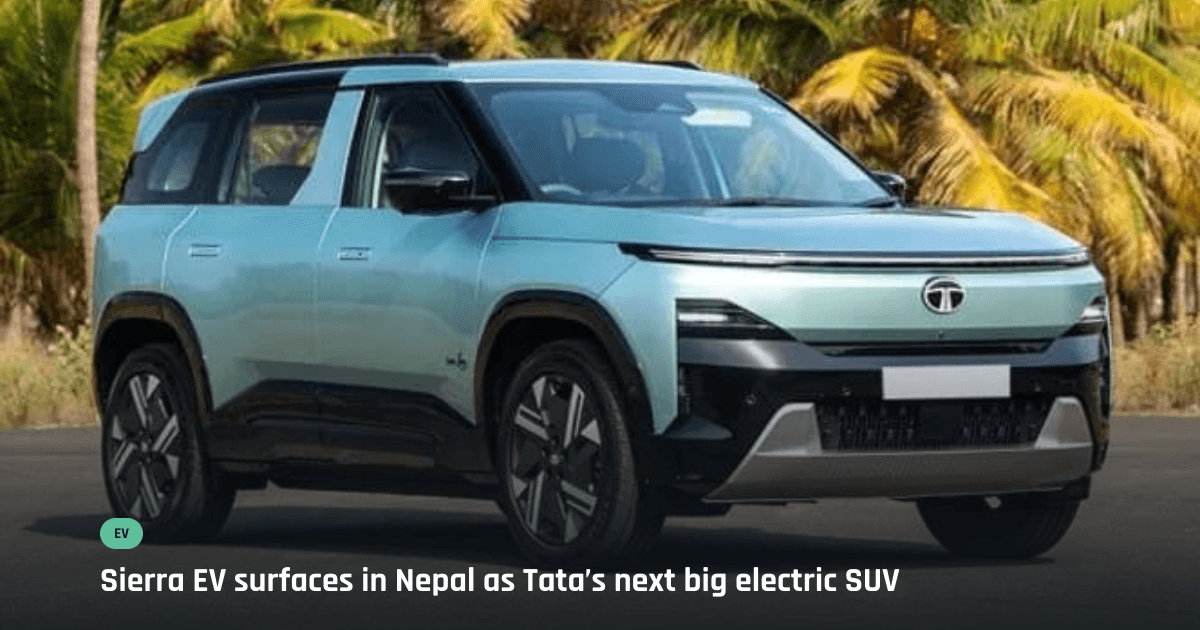
- Nexon EV: Rs 38.99 lakh – Rs 50.99 lakh
As Tata’s EV share in India climbs past four out of every ten EV registrations, Nepali buyers can reasonably expect:
- Faster technology trickle-down – improvements in batteries, range and charging from India-spec Tiago EV, Punch EV and Nexon EV tend to arrive in Nepal with a short lag.
- More variant choices over time, particularly in fleet-focused models like XPRES-T EV, whose Rs 38.49 lakh positioning makes it attractive for taxi and corporate fleets in Nepal.
Commercial vehicles: indirect but important for Nepal
On the commercial side, Tata’s sales reached 44,411 units in August 2026, a 49% YoY increase, with domestic CV sales at 36,619 units and exports rising sharply. For Nepal, which imports a notable share of its buses, small CVs and pickups from India, this indicates:
- Higher production scale for key truck and bus platforms that serve South Asian markets.
- Potentially shorter waiting periods and better availability of newer CV models once local distributors align with Tata’s refreshed India line-up.
There is no fresh Nepal-specific announcement in this update — no new launch, price change or booking opening confirmed by a Nepali distributor yet. However, Tata’s record month in India, especially in EVs and the Punch/Punch EV family, is a clear signal that current Tata EV and compact SUV buyers in Nepal are likely to see stronger product support and a richer variant mix rather than immediate price cuts.
Our own record on this
Each is a dated change we applied to a published ex-showroom price after checking it. A logged change may be a distributor's revision or our own correction coming into line with the official figure — the log says which way each one moved, and when, not why.
See the full price-change log →- Tata Tiago EV: tatacars.sipradi.com.np — checked 2026-10-15
- Tata Punch EV: tatacars.sipradi.com.np — checked 2026-10-15
- Tata XPRES-T EV: tatacars.sipradi.com.np — checked 2026-10-15
- Tata Punch: tatacars.sipradi.com.np — checked 2026-10-15
- Tata Nexon EV: tatacars.sipradi.com.np — checked 2026-10-15
Writes on vehicle pricing, taxation and the Nepali auto market from ongoing tracking of distributor price lists. Every price in this piece is read live from the Nepal AutoMart catalog — how we verify prices.