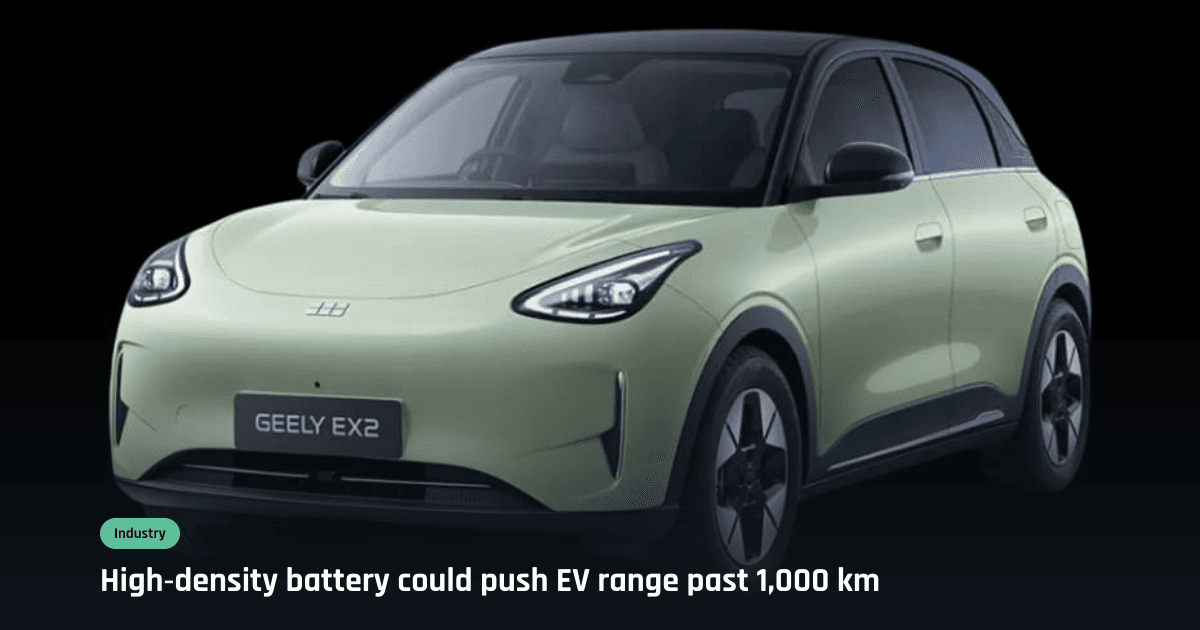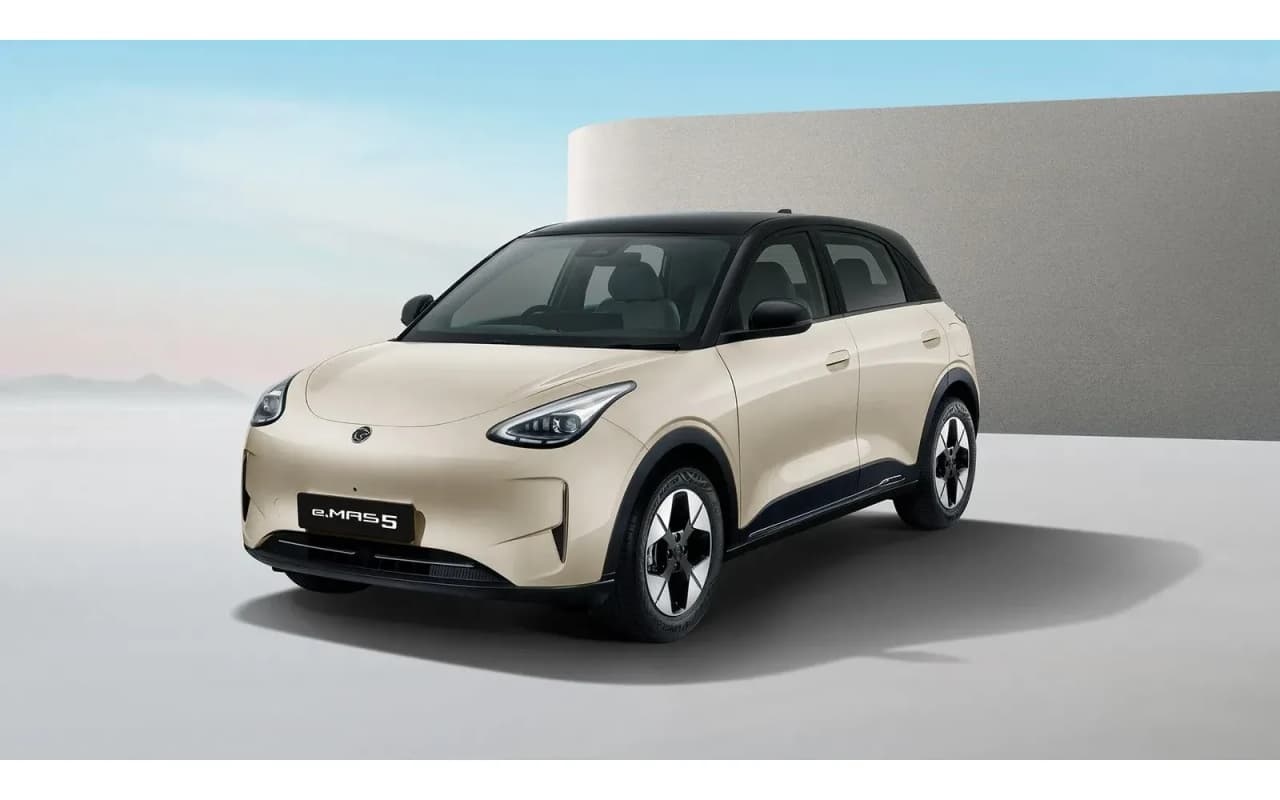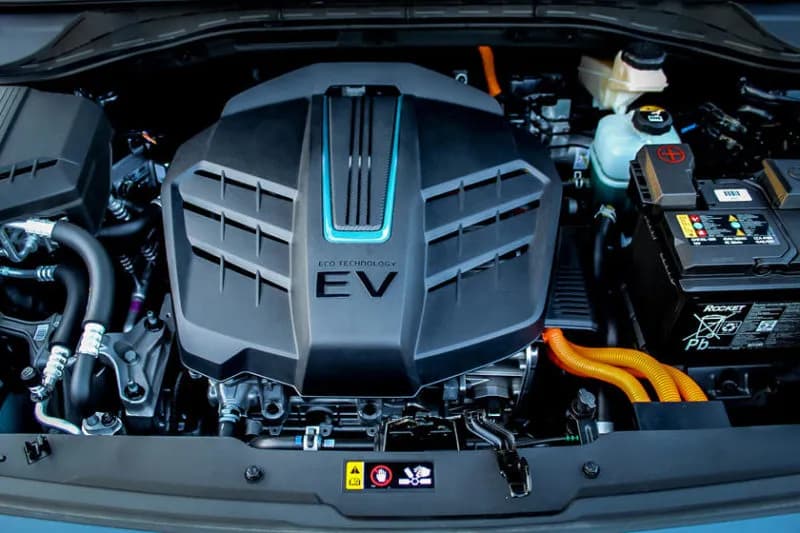
Most electric vehicles today rely on lithium-ion batteries. These power sources are chosen for their high energy storage, long lifespan, and ability to be recharged thousands of times.
Scientific research into lithium-based batteries started in the 1970s. In 1985, Akira Yoshino created the first lithium-ion battery using a carbon-based anode. Sony then brought this technology to the commercial market in 1991 for consumer electronics.
These batteries are ideal for vehicles because of their high energy density. They store significant power in a small, lightweight package, allowing for longer driving ranges. They also lose very little energy when not in use.
Modern electric vehicles use different chemical compositions to balance cost and performance:
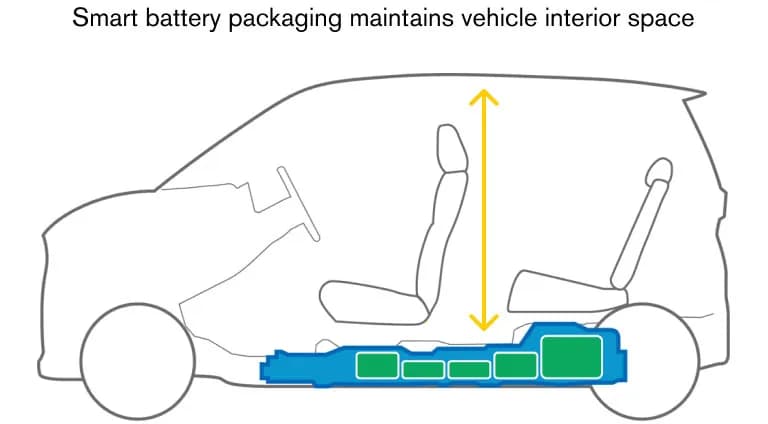
- NMC (Nickel Manganese Cobalt): Known for high energy density and strong performance, often used when weight reduction is a priority.
- LFP (Lithium Iron Phosphate): A more affordable option that does not require nickel or cobalt, making it a cost-effective choice for many manufacturers.
While these batteries are the industry standard, challenges remain regarding raw material sourcing, environmental impact, and battery degradation over time.
Writes on vehicle pricing, taxation and the Nepali auto market from ongoing tracking of distributor price lists. Editorial policy.