Hyundai Motor India is developing a new compact electric SUV that has been seen multiple times on public roads during testing over the past few months. The model is being engineered primarily for the Indian market and could be Hyundai's first locally manufactured mass-market electric SUV.
Expected launch and positioning
- Hyundai aims to launch this affordable EV SUV between late 2026 and FY 2026–27, with some timelines pointing to a broader 2026–2027 window for market introduction.
- The SUV is expected to slot below larger electric models like the Ioniq 5 and Creta EV, targeting the growing sub-compact/compact EV SUV segment.
- In India, analysts expect an ex-showroom price band roughly equivalent to Rs 12–18 lakh (Indian rupees), placing it against entry-level EV SUVs and making it a candidate for future value-focused EV offerings in Nepal, depending on import duties and local taxes.
Battery, range and charging
Hyundai is expected to offer two battery options:
- A 42 kWh and 49 kWh battery pack, with the larger pack expected to deliver over 500 km claimed range on a full charge under ideal conditions, while the smaller offers 400-450 km.
- The bigger-battery variant is expected to support DC fast charging, allowing significantly faster top-ups on compatible fast chargers.
- Engineers are also working on features such as battery thermal management, regenerative braking and connected charging functions to improve efficiency and long-term battery health.
Design and key exterior features
Spy images show a design that sits close in size to the current Venue, but with styling cues borrowed from Hyundai's latest global EVs. The SUV is expected to be under 4 meters in length. Expected exterior elements include:
- Split LED daytime running lights at the top and main headlamps positioned lower in the bumper.
- Flush-type door handles for cleaner aerodynamics.
- Black roof rails, a rear roof spoiler and aerodynamic alloy wheels of around 16 inches in size.
- Vertical rear reflectors and other EV-specific styling touches to distinguish it from petrol SUVs.
Interior and technology
Inside, the upcoming SUV is expected to focus strongly on digital and connected features:
- A 12.3-inch touchscreen infotainment system and fully digital instrument cluster.
- Connected car technology with over-the-air (OTA) software update capability.
- Wireless Android Auto and Apple CarPlay, wireless phone charger and ventilated front seats in higher variants.
- Comfort features such as a panoramic sunroof and automatic climate control are also expected.
Safety and driver assistance
Hyundai is likely to equip the SUV with a wide set of safety features, including:
- Level-2 ADAS (advanced driver assistance systems) such as adaptive cruise control and lane-keeping assistance, depending on variant.
- Around 6 airbags and standard passive safety equipment.
- A 360-degree camera system to aid parking and low-speed manoeuvres.
Market competition
In the Indian market, this new Hyundai electric SUV is expected to compete directly with:
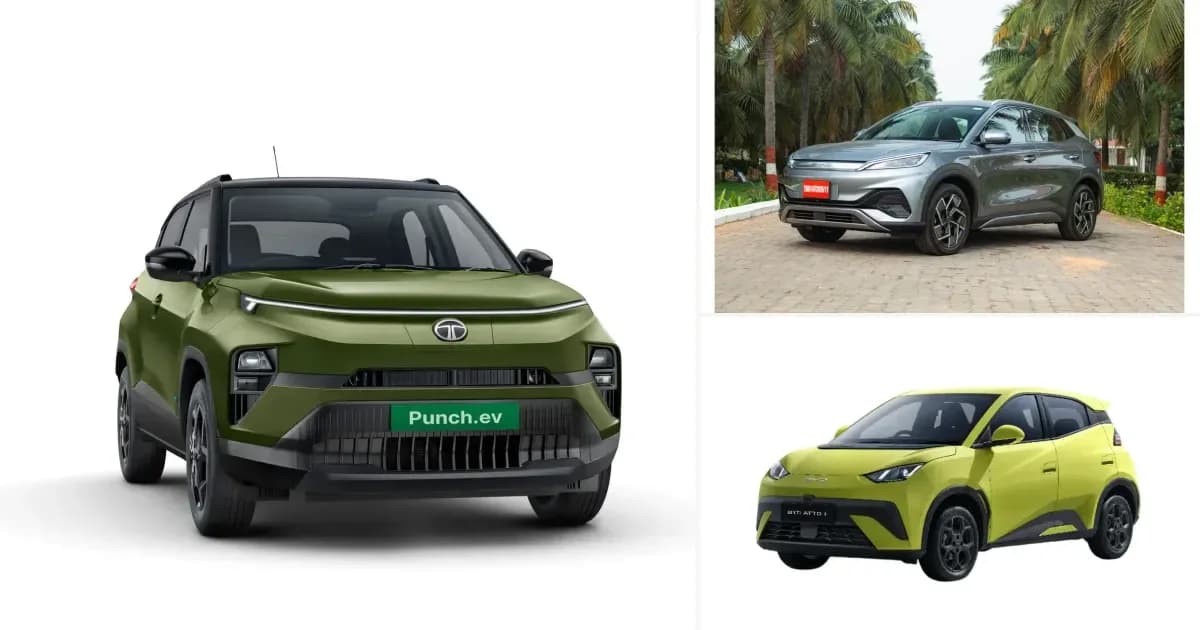
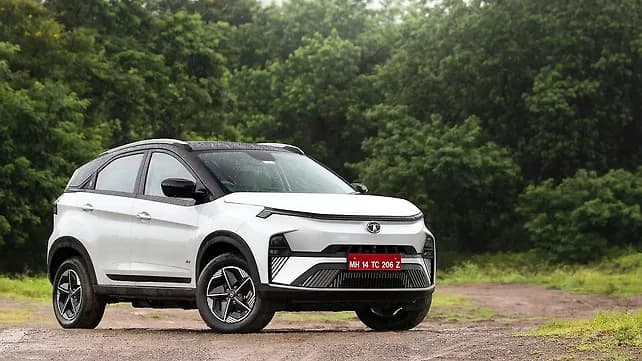
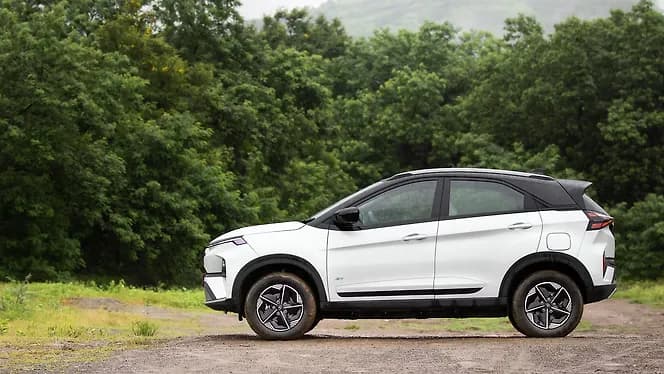
- Tata Nexon EV and Tata Punch EV (compact EV SUVs).
- Mahindra XUV 3XO EV and other upcoming compact EVs.
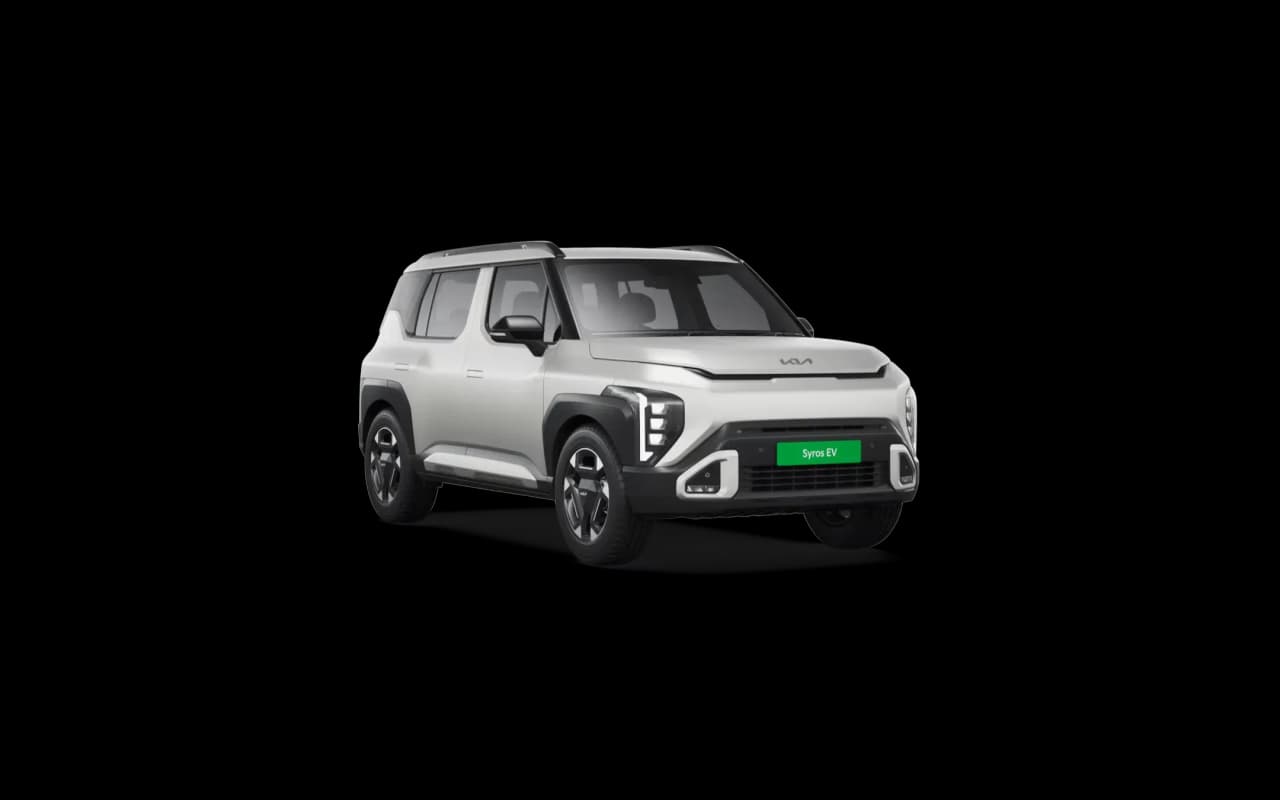
- Kia Syros EV.
For Nepali buyers, this model, if imported, would sit in the same broad segment as these rivals and other future compact EV SUVs, offering long range (potentially 500+ km), modern safety tech and a size suitable for city use and highway trips.
Exact battery capacities, power output and final prices have not yet been officially confirmed and may change before launch. Details mentioned above are based on current testing information, and Hyundai's official specifications will give the final picture closer to the SUV's India debut.
Current prices on Nepal AutoMart
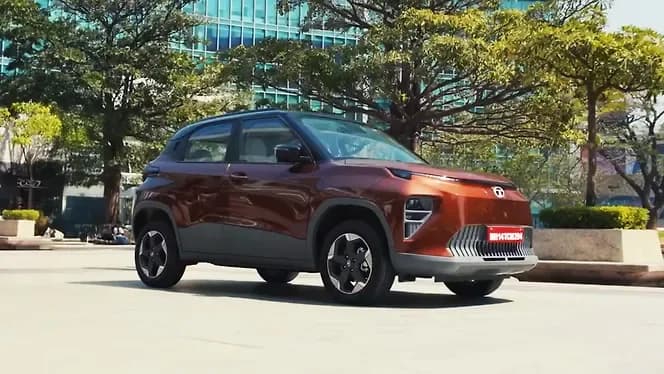
- Tata Nexon EV K3 price in Nepal: Rs 48.99 lakh ex-showroom
- Tata Punch EV price in Nepal: Rs 33.99 lakh – Rs 39.99 lakh ex-showroom, 4 variants
- Mahindra XUV 3XO price in Nepal: Rs 44.9 lakh – Rs 59 lakh ex-showroom, 8 variants
Our own record on this
Each is a dated change we applied to a published ex-showroom price after checking it. A logged change may be a distributor's revision or our own correction coming into line with the official figure — the log says which way each one moved, and when, not why.
See the full price-change log →- Tata Punch EV: tatacars.sipradi.com.np — checked 2026-10-15
- Tata Nexon EV: tatacars.sipradi.com.np — checked 2026-10-15
- Mahindra XUV 3XO: agnimahindra.com — checked 2026-10-20
Writes on vehicle pricing, taxation and the Nepali auto market from ongoing tracking of distributor price lists. Every price in this piece is read live from the Nepal AutoMart catalog — how we verify prices.