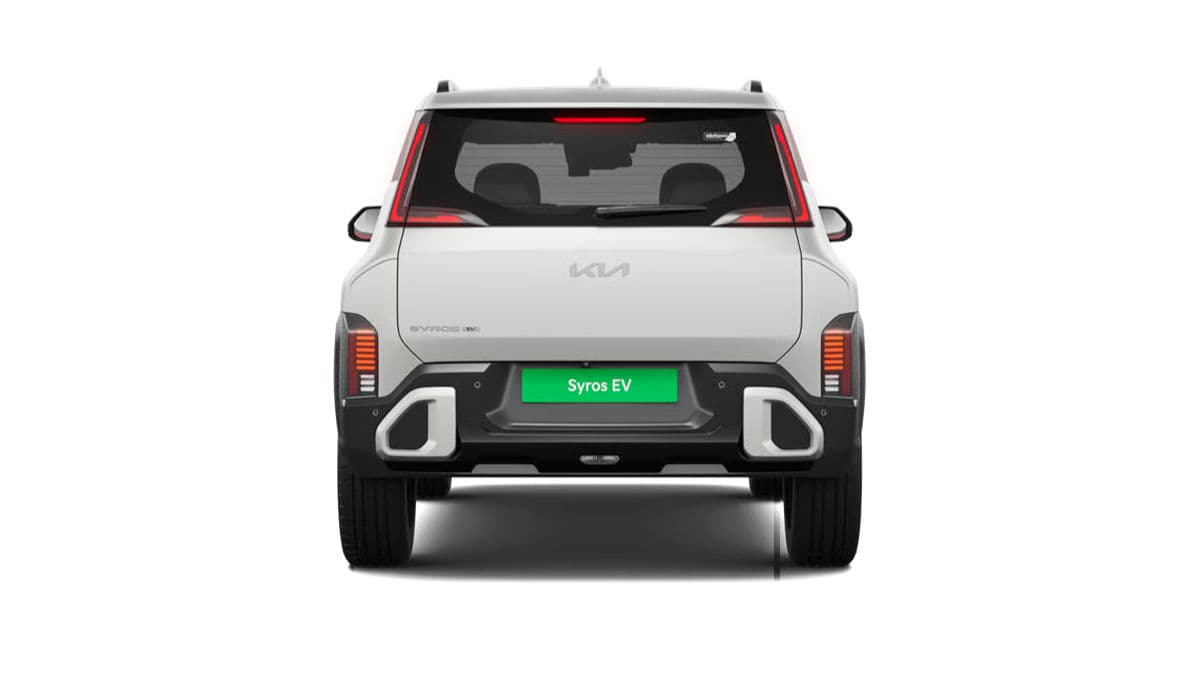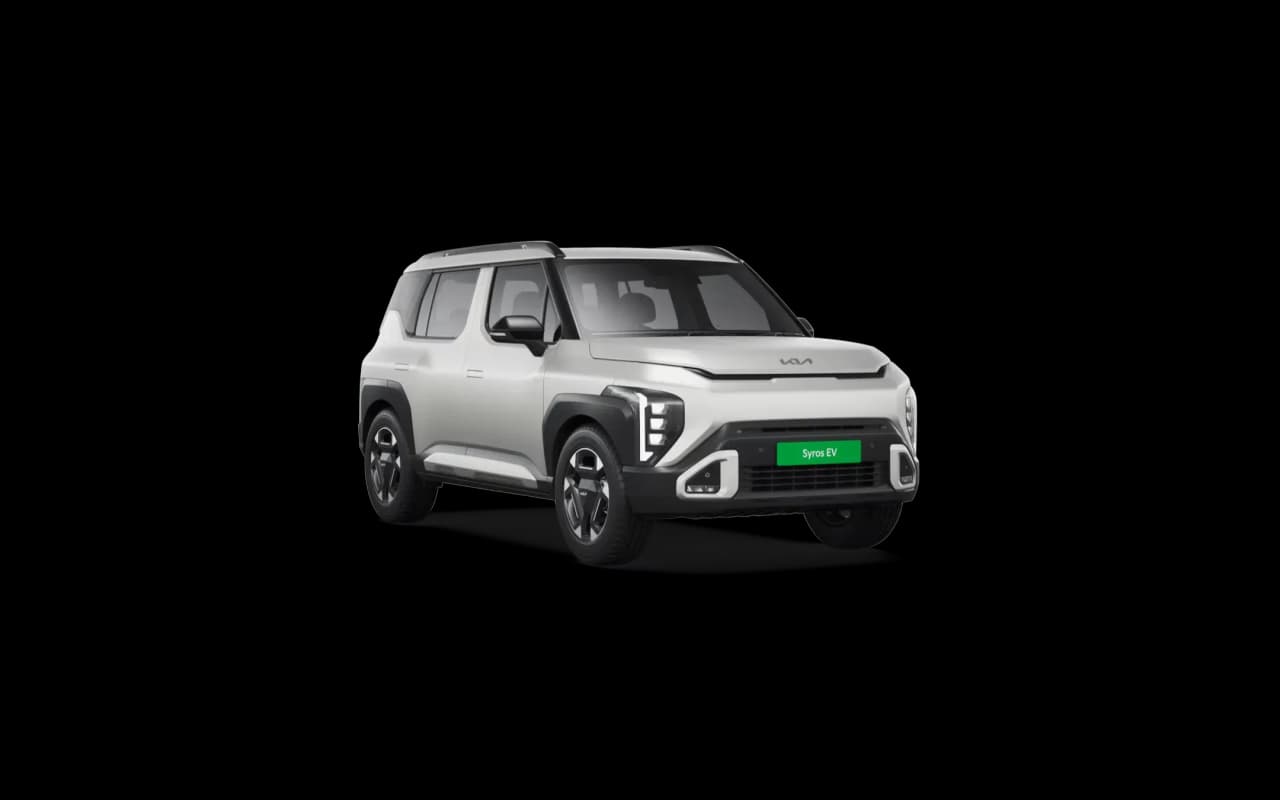
Kia has officially unveiled the Syros EV, a compact electric SUV set to become its most affordable battery-powered model in the Indian market. The launch is expected around August 2026, with an indicative ex-showroom price band of Rs 15–20 lakh (India), making it one of the more accessible mainstream EV SUVs there. This development is significant for Nepali buyers, as Kia already sells models like the Sonet and Seltos through authorised distributors in Nepal. Most of Nepal's EVs are either India- or China-sourced, and once the Syros EV is on sale and stabilised in India, it becomes a realistic candidate for Nepal import, especially if demand grows in the compact EV SUV space.
Battery, Performance and Range
The Syros EV will offer two battery options: a 42kWh battery with a front-mounted motor producing roughly 135hp and 255 Nm of torque, and a larger 51.4kWh extended-range pack, with output around 171hp and the same torque. Kia claims the smaller battery delivers an ARAI-certified driving range of 443 km, while the larger pack stretches that figure to 526 km, making it one of the longest-range electric SUVs in its segment. If these numbers translate even partially to real-world use, the Syros EV would deliver significantly more range than most mass-market EVs currently available in Nepal at comparable prices.
Fast charging capability is another important point for Nepal’s growing DC network: Kia claims up to 100kW DC fast charging, with a 10–80% top-up in about 39 minutes, plus up to 11kW AC charging. This would make the Syros EV compatible with the faster DC chargers now being installed on key highways like Kathmandu–Pokhara and East–West corridors.
Features and Size: Fit for Nepali Roads
Built on Kia's K1 platform, the EV version is a subcompact SUV—roughly in the same size band as a Sonet or Nexon. That footprint is generally well-suited to Nepali city roads and tight parking spaces, while still offering decent ground clearance for occasional rough sections. Indian previews highlight features such as dual 12.3-inch displays, a separate HVAC screen, ventilated, sliding and reclining rear seats, Level 2 ADAS, 360-degree camera, and digital key. The vehicle-to-load (V2L) power output could be useful during power cuts or outdoor use in Nepal. If these features are carried over unchanged to a Nepali-spec model, the Syros EV would bring tech usually seen in more expensive EVs down to the compact segment.
Possible Price Positioning in Nepal
With an expected India ex-showroom band of Rs 15–20 lakh, landed pricing in Nepal after taxes and margins would likely sit somewhere above Rs 45–60 lakh, depending on variant and future EV duty policy. That would place it against the Tata Nexon EV (already popular as a relatively affordable EV SUV) and entry variants of BYD Atto 3 and other Chinese compact EV SUVs. If Kia Nepal manages aggressive pricing, the Syros EV could pressure rivals to improve features or reduce prices, benefiting local buyers.
When Could It Reach Nepal?
There is no official confirmation yet from Kia’s Nepali distributor about launching the Syros EV here. Realistically, Nepal would only see the model after India’s launch, once supply and localisation issues are sorted. Given past patterns with models like Seltos and Sonet, a lag of 6–18 months between India launch and Nepal introduction is plausible, but this will depend entirely on Kia’s regional strategy.
For now, Nepali EV shoppers should watch Syros EV developments in India closely: its final price, real-world range, and feedback from Indian users will offer a good preview of what to expect if and when the compact Kia EV arrives on our roads.
Current prices on Nepal AutoMart
- Tata Nexon price in Nepal: Rs 34.99 lakh – Rs 42.99 lakh ex-showroom, 5 variants
- Mahindra XUV 3XO price in Nepal: Rs 44.9 lakh – Rs 59 lakh ex-showroom, 8 variants
- BYD Atto 3 price in Nepal: Rs 56.9 lakh – Rs 67.8 lakh ex-showroom, 2 variants
Frequently asked questions
What is the expected price and availability of the Kia Syros EV in Nepal?
The Kia Syros EV is expected to be priced between Rs 45–60 lakh in Nepal, depending on the variant and future EV duty policy. It is likely to be available in Nepal 6–18 months after its launch in India, which is expected around August 2026.
- Tata Nexon EV: tatacars.sipradi.com.np — checked 2026-10-15
- Mahindra XUV 3XO: agnimahindra.com — checked 2026-10-18
- BYD Atto 3: cimex.com.np — checked 2026-10-18
Writes on vehicle pricing, taxation and the Nepali auto market from ongoing tracking of distributor price lists. Every price in this piece is read live from the Nepal AutoMart catalog — how we verify prices.