Start with the numbers
Compare at a glance
Top available variants, with prices in Nepalese rupees. Expand details to choose another variant.
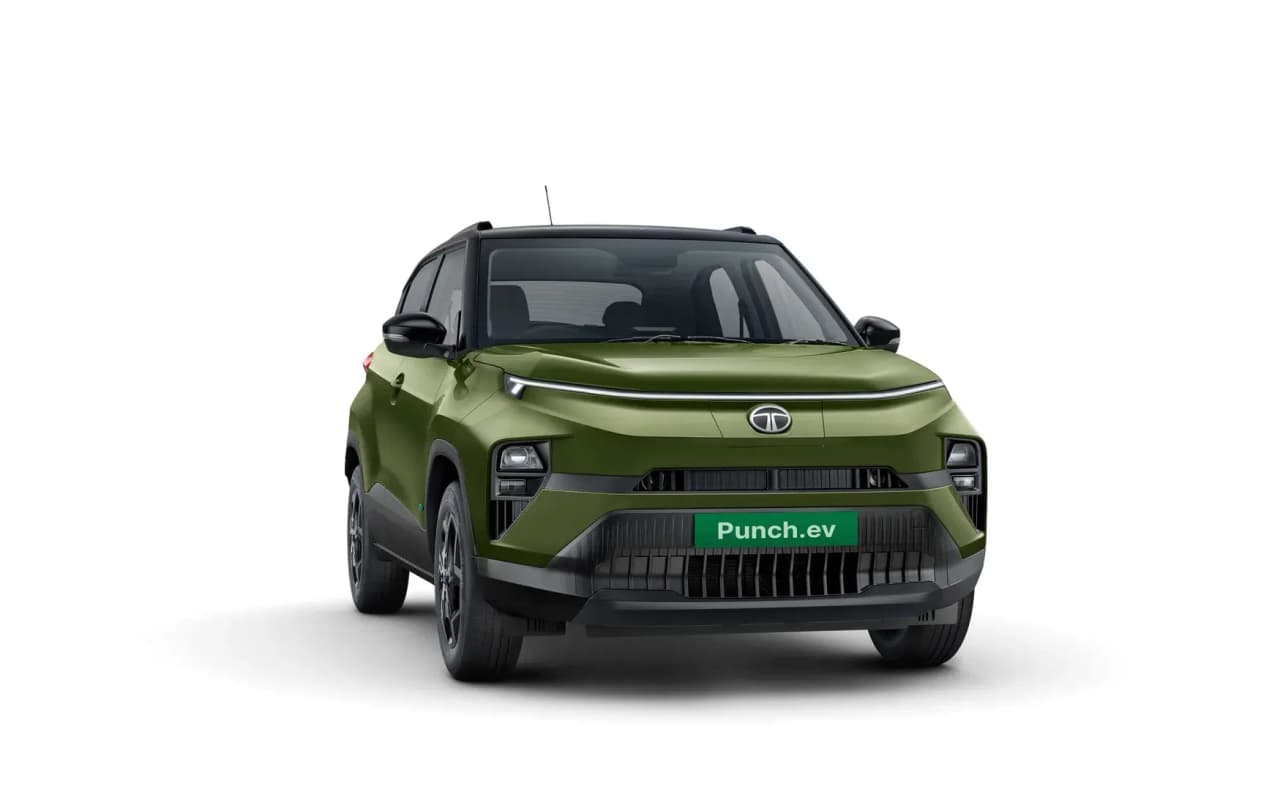
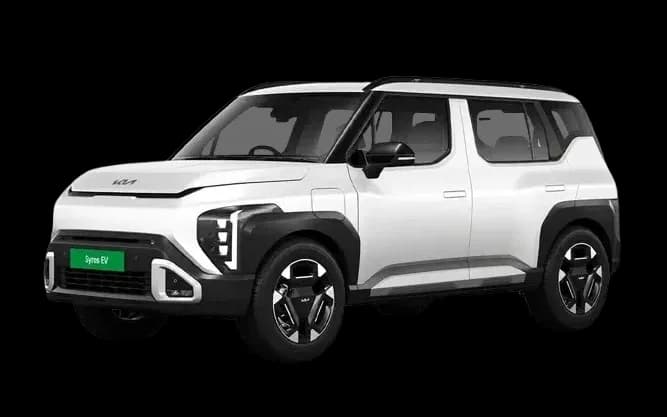
| At a glance | Tata Punch EV | Kia Syros EV |
|---|---|---|
| Ex-showroom price | Rs 38.99 lakh | Rs 37.9 lakh |
| Fuel | Electric | Electric |
| Selected variant | Empowered+ S 40 | HTK |
Ex-showroom prices exclude registration, road tax and insurance. Specifications can vary by trim. See individual source-check dates ↓
Where These Two EVs Sit in the Nepali Market
Tata Punch EV and Kia Syros EV are aimed squarely at Nepali buyers shopping for an electric family car around Rs 33–38 lakh. On paper, their prices overlap, but the way they deliver value is quite different.
- Tata Punch EV: Rs 33.99 lakh to Rs 37.99 lakh across three variants (2026 30 kWh, 2026 40 kWh, Empowered+ S 40), sold by Sipradi Trading.
- Kia Syros EV: Single variant at Rs 37.9 lakh, sold by Continental Trading Enterprises.
Punch EV is a sub‑4m micro‑SUV with a high seating position and ground clearance, targeting buyers who want an affordable EV that still feels like an SUV and can cope with broken roads. Kia Syros EV is a compact crossover, positioned as a more refined urban family EV with a modern cabin and stronger perceived brand appeal.
The dealer and service footprint is a major differentiator:
- Tata Punch EV is backed by 133 showrooms and 49 service centers across Nepal.
- Kia Syros EV has 37 showrooms and 29 service centers.
For buyers outside the main urban centers, Tata’s wider reach is a meaningful advantage. For buyers concentrated in Kathmandu, Pokhara and the larger cities, Kia’s network is still adequate, and the decision tilts more on product character than reach.
Design and Road Presence
Tata Punch EV
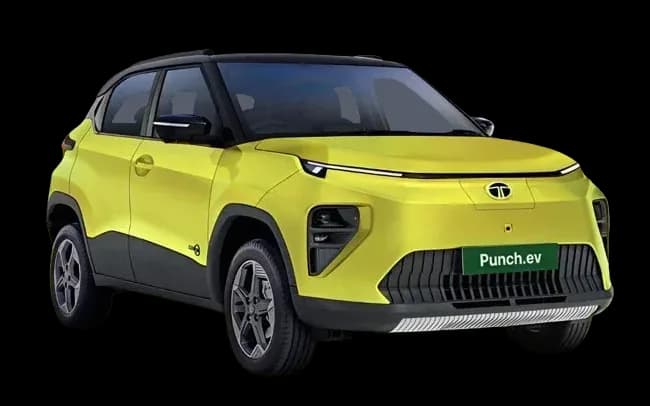
Punch EV sticks closely to the familiar Punch micro‑SUV shape, simply reworked with EV‑specific styling cues.
- Sub‑4m compact SUV-style body, five doors, five seats.
- EV‑specific closed grille and split headlamps, mirroring the Indian Punch.ev.
- High ground clearance (around 190–195 mm) and roof rails contribute to a small‑SUV stance.
Visually, it feels like a shrunken SUV rather than a hatchback. That matters in Nepal, where many buyers want road presence and a higher perch without stretching to larger, more expensive SUVs.
Kia Syros EV
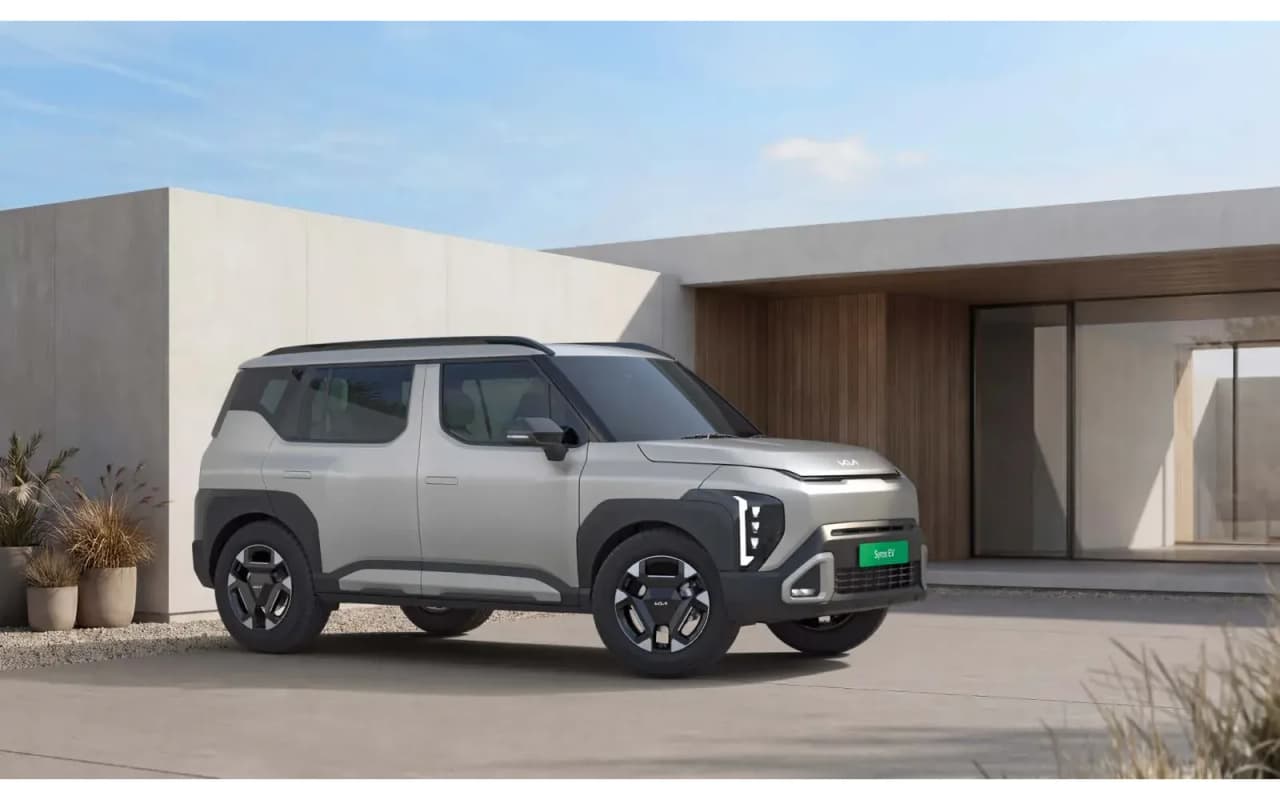
Syros EV looks more like a clean, modern crossover than a traditional SUV, with subtle changes versus the ICE Syros.
- Ground clearance of 197 mm, slightly higher than the ICE version and marginally higher than the Punch EV’s band.
- Revised front bumper with a slimmer cooling slot, triangular LED fog lamp pods, and EV‑specific tri‑spoke alloy wheels.
- Charging port on the front left fender and a discreet EV badge at the rear.
It lacks the chunky, rugged visual drama of larger SUVs but presents as a well-proportioned, city‑friendly crossover with enough height to not feel like a low hatchback.
Verdict on Design
- Buyers who want a micro‑SUV look and tougher aesthetic will gravitate to the Punch EV.
- Buyers who prefer a clean, modern, almost premium crossover vibe and slightly higher ground clearance will like the Syros EV.
Features and Equipment
Punch EV: Varies Strongly by Variant
Because Punch EV is offered in three trims, equipment depth depends heavily on which one you pick.
- 2026 30 kWh (Rs 33.99 lakh)
- Five‑seat cabin with basic fabric upholstery.
- Automatic climate control available across the Punch EV lineup, so even the base trim avoids manual AC.
- Touchscreen infotainment and digital instrument cluster present, but connected and remote features are limited.
- Safety basics: dual front airbags, ABS with EBD. Rear camera and richer sensors are more restricted.
- 2026 40 kWh (Rs 36.99 lakh)
- Better trim and cabin feel than the base 30 kWh; more upmarket interior touches.
- Automatic AC and EV‑specific drive modes for efficiency and performance.
- Touchscreen plus full‑digital instrument cluster as standard; wireless smartphone connectivity is very likely at this level.
- Safety: dual airbags, ABS, parking sensors, with some variants offering rear camera and ESC.
- Empowered+ S 40 (Rs 37.99 lakh)
- Top Punch EV trim, sitting close in price to the Syros EV.
- Shares the same body and basic layout but adds more convenience and cosmetic upgrades over the mid trim.
Overall, Punch EV offers reasonable equipment, but even at the top spec it does not aim for luxury levels of cabin tech. The feature mix is focused on essentials and value, not outright wow factor.
Syros EV: Single, Well-Specified Variant
The Syros EV’s single HTK-style variant is configured to feel modern and well‑equipped out of the box, particularly in the cabin and infotainment.
Key highlights:
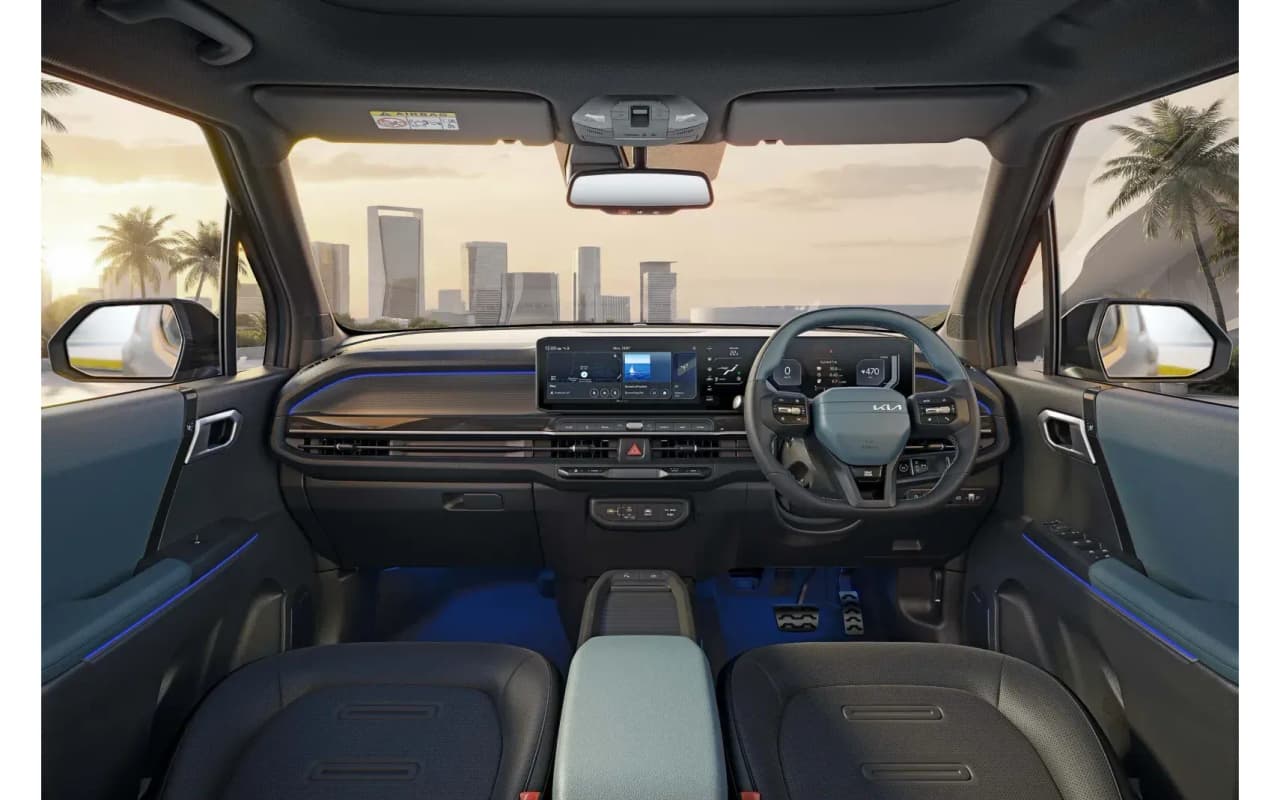
- Dual 12.3-inch screens: one for instrumentation, one for infotainment.
- A separate 5-inch climate control display, giving the interior a distinctly high‑tech feel.
- Wireless Android Auto and Apple CarPlay as standard.
- EV‑specific screens for battery status, nearby charging points, and energy consumption patterns.
- A deep connected car suite: remote start, remote cooling, phone-as-key, scheduled charging, remote battery preconditioning, plus support for a simple 16-amp plug.
Comfort and convenience are a clear focus:
- Ventilated front seats with partial power adjustment.
- Rear-seat ventilation and a fully flat rear floor.
- 64‑colour ambient lighting, large glovebox, dashboard shelf, adjustable cup holders, storage under the armrest, and generous door pockets.
- Rear seats that slide forward and backward, allowing you to trade legroom for boot space.
Safety also stands out:
- Six airbags versus the Punch EV’s dual front airbags.
- All‑wheel disc brakes, ESC, hill start assist, tyre pressure monitoring, and ISOFIX child seat mounts.
Verdict on Features
Syros EV is clearly ahead on tech, connectivity, and safety equipment. Punch EV covers the basics well, particularly in the mid and top trims, but does not reach the Syros EV’s dual‑screen, six‑airbag, feature‑rich experience.
Motor, Performance and Driving Character
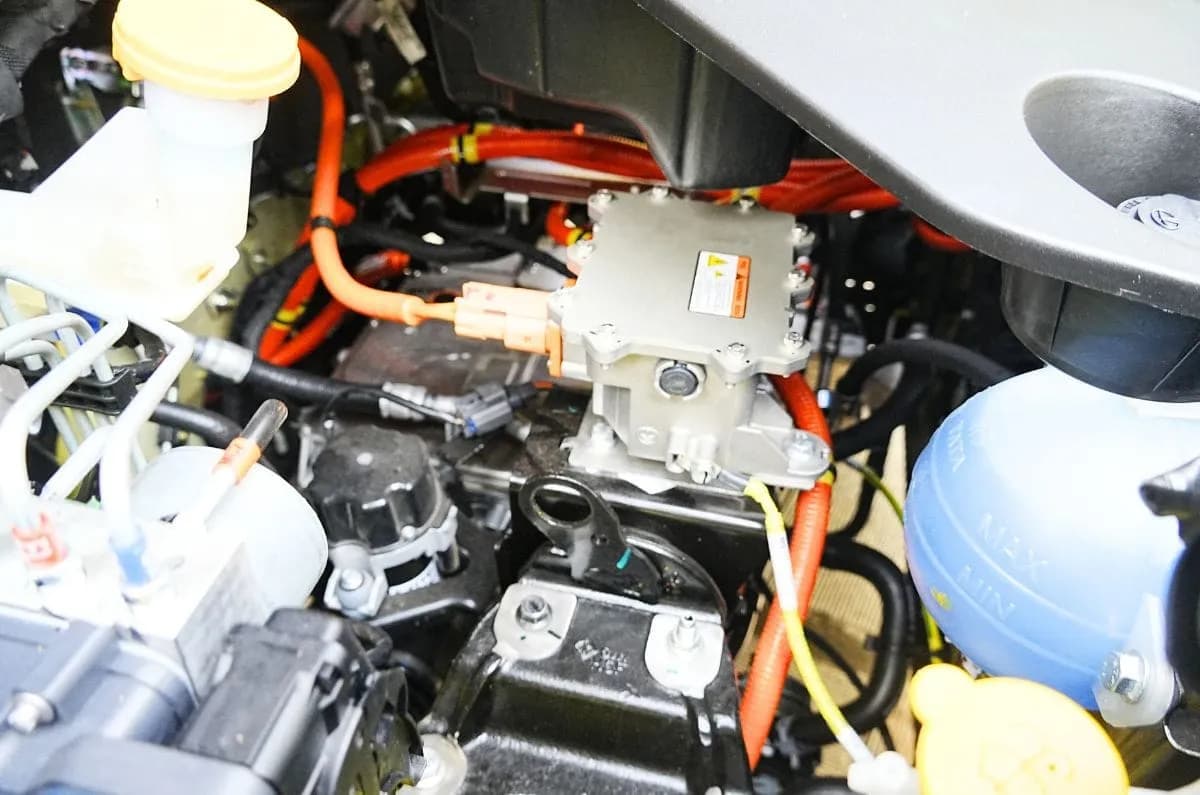
Punch EV
Punch EV’s powertrain and performance vary by battery size.
- 2026 30 kWh
- Front‑mounted permanent magnet motor with roughly 48–60 kW (in the 25–30 kWh MR class).
- Front‑wheel drive with a single-speed automatic reduction gear.
- Claimed range around 275 km.
- 2026 40 kWh (including Empowered+ S 40)
- Higher‑output motor in the 60–70 kW segment, giving stronger acceleration than the 30 kWh.
- Same front‑wheel-drive single-speed layout.
- Claimed range around 355 km.
Punch EV’s character is more about adequate city response and enough power for short highway trips, especially in the 40 kWh trims. The base 30 kWh is noticeably more modest and aimed at urban commuting first, highway use second.
Syros EV
Syros EV’s powertrain is more powerful and more sophisticated in regenerative behaviour.
- Permanent magnet synchronous motor driving the front wheels.
- Standard range version: 135 hp, extended range: 171 hp, both with 255 Nm of torque.
- Claimed 0–100 km/h in 8.1 seconds for the extended range version, putting it well ahead of typical small EVs.
Regenerative braking and driving modes are richer:
- Four levels of regen (0 to 3) via paddle shifters.
- One-pedal driving activated via a long press on the left paddle, able to bring the car to a complete stop.
Charging flexibility is also a strength:
- 7.4 kW AC: about 6 hours for standard battery, 7 hours 15 minutes for extended range.
- 11 kW AC: about 4 hours for standard, 4 hours 50 minutes for extended.
- 100 kW DC fast charging: 10–80% in 39 minutes for either battery.
Even without a publicly stated range figure in this dataset, the combination of output, torque and charging options positions Syros EV as a more confident performer and better suited to mixed city‑highway use.
Verdict on Performance
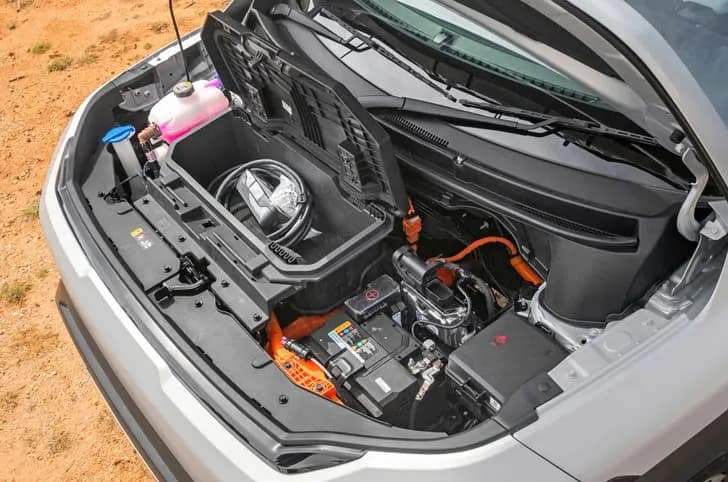
- For pure city use at the lowest entry cost, Punch EV 30 kWh is adequate but modest.
- For a balance of price and usable performance, Punch EV 40 kWh is significantly better.
- For buyers who want stronger acceleration, more sophisticated regen and better fast-charging support, Syros EV is the clear step up.
Ride, Handling and Comfort
Our masthead’s view is based on showroom-level familiarity and broad coverage, not back‑to‑back road testing. Still, some trends are clear.
Punch EV
Punch EV’s micro‑SUV stance and 190–195 mm ground clearance give it a natural advantage over small hatchbacks on broken roads, speed breakers and village tracks. The raised ride height and upright seating position help visibility and make it feel more robust.
Interior comfort is adequate for a compact EV:
- Five‑seat cabin with simple materials on the 30 kWh, more pleasant trims higher up.
- Automatic climate control is a plus; EV drive modes help you tailor response.
However, Punch EV does not chase high-end comfort features. You don’t get seat ventilation or sliding rear seats, and cabin noise and ride polish are more utilitarian than premium.
Syros EV
Syros EV is tuned more towards urban comfort and refinement:
- The floating centre console with unused transmission tunnel space creates a sense of openness.
- The fully flat rear floor helps foot comfort for passengers.
- Rear-seat ventilation and front ventilated seats significantly enhance comfort in hot urban conditions.
The raised floor from the battery does create a knees‑up rear seating posture, which taller passengers will notice, and there is no rear centre headrest. Still, the overall impression is of a more polished, feature‑rich cabin that feels genuinely modern.
Verdict on Comfort
- Punch EV feels more rugged and simple, comfortable enough but focused on practicality.
- Syros EV feels more refined, tech‑rich and pleasant to spend time in, especially if you value seat ventilation, ambient lighting and dual screens.
Practicality and Running Costs
Space and Practicality
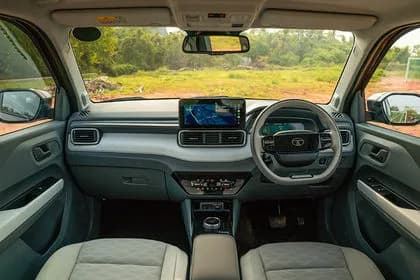
Punch EV
- Sub‑4m footprint with five seats and high ground clearance.
- Official boot volume figures are not disclosed in the gathered Nepal data for these trims.
That makes precise cargo comparisons difficult. Subjectively, Punch EV provides enough space for small families for city use and weekend trips, but it is still a micro‑SUV rather than a full crossover.
Syros EV
- Boot space of 390 litres with rear seats slid fully back.
- Boot space of 465 litres with rear seats slid forward.
- Space-saver spare tyre under the boot floor and a 16-litre frunk under the bonnet.
The sliding rear seats let you choose between rear legroom and more boot space, which is a clever solution for family use. Overall, Syros EV offers visibly more flexible cargo volume than the Punch EV, with the caveat that its rear seating posture is slightly compromised by the raised floor.
Running Costs and Charging
Both cars, as EVs, significantly lower day‑to‑day fuel costs versus petrol or diesel rivals. The key differences lie in charging convenience.
- Punch EV: fast-charging details are not fully laid out in the provided Nepal data. Buyers will need to confirm AC/DC capabilities with dealers and check home charging options.
- Syros EV: clearly specified charging times for 7.4 kW and 11 kW AC and 100 kW DC, giving owners more confidence about planning intercity trips and quick top‑ups.
In practical terms, this makes the Syros EV easier to understand and plan around for buyers who will often use public DC fast chargers or install a higher‑capacity AC charger at home.
Price and Variants: Side-by-Side
Key Price Points
- Tata Punch EV
- 2026 30 kWh: Rs 33.99 lakh.
- 2026 40 kWh: Rs 36.99 lakh.
- Empowered+ S 40: Rs 37.99 lakh.
- Kia Syros EV
- Single variant: Rs 37.9 lakh.
Comparison Table
| Model / Variant | Battery / Power (approx) | Claimed Range / Space | Key Features & Safety | Ex-showroom Price (NPR) |
|---|---|---|---|---|
| Punch EV 2026 30 kWh | 30 kWh, ~48–60 kW motor | ~275 km, boot not officially stated | Fabric upholstery, auto AC, dual airbags, ABS, basic camera | Rs 33.99 lakh |
| Punch EV 2026 40 kWh | 40 kWh, ~60–70 kW motor | ~355 km, boot not officially stated | Better trim, auto AC, drive modes, full digital cluster, dual airbags, ABS, some ESC | Rs 36.99 lakh |
| Punch EV Empowered+ S 40 | 40 kWh, ~60–70 kW motor | ~355 km, boot not officially stated | Top trim kit, SUV styling, higher equipment, dual airbags, ABS, ESC on select trims | Rs 37.99 lakh |
| Kia Syros EV | Standard/extended battery, 135–171 hp, 255 Nm | Range not stated, 390–465 L boot + 16 L frunk | Dual 12.3" screens, 5" climate display, wireless AA/CarPlay, 6 airbags, all-disc brakes, ESC, advanced connected features | Rs 37.9 lakh |
At the entry level, Punch EV 30 kWh is clearly more affordable. At the upper band, Empowered+ S 40 and Syros EV are essentially price rivals: one offers more ground clearance and Tata’s network, the other offers richer tech and performance.
Which Wins for Which Kind of Buyer?
Choose Tata Punch EV if:
- You want the lowest possible entry price into a credible EV, and can live with modest range and power. The 2026 30 kWh is built exactly for this.
- You place a high premium on ground clearance and micro‑SUV stance, for rough roads, village commutes and unpaved tracks.
- You live outside major urban centers and value Tata’s wider showroom and service footprint.
- You mainly drive in the city with occasional short highway trips, and range anxiety is manageable.
Between Punch EV variants, most buyers will find the 2026 40 kWh the sweet spot: more real‑world range and performance than the base trim without paying full top‑spec money.
Choose Kia Syros EV if:
- You want a more powerful and refined EV with noticeably stronger acceleration and smoother response.
- You care deeply about cabin tech and safety: dual screens, wireless smartphone integration, six airbags, all‑disc brakes, ESC and rich connected features.
- You plan to use public DC fast charging or install higher‑capacity AC charging at home and want clear, robust charging specs.
- Your usage is predominantly urban and peri‑urban, with occasional highway runs, and you prefer a modern crossover feel over a micro‑SUV stance.
Editorial Verdict
These two EVs do not directly cancel each other out; they speak to slightly different Nepali buyer profiles.
- For budget-conscious buyers who still want SUV stance, respectable ground clearance and the security of Tata’s widespread network, the Tata Punch EV 2026 40 kWh is the most balanced choice. It offers usable range, acceptable performance and a sensible feature mix at Rs 36.99 lakh, undercutting both the Syros EV and the Punch EV top trim.
- For buyers willing to stretch to around Rs 38 lakh and prioritizing cabin sophistication, stronger performance and better safety tech, the Kia Syros EV feels like the more complete, future‑proof package. Its feature depth, charging clarity and perceived brand refinement are strong advantages, as long as Kia’s more limited network works for where you live.
Put simply: choose Punch EV if your priority is rugged practicality and reach, choose Syros EV if your priority is refined tech, power and comfort. In the upper‑Rs 37–38 lakh band, our editorial lens sees Syros EV as the more compelling all‑rounder for urban Nepali families, while Punch EV 40 kWh remains the better fit for buyers whose daily lives involve rougher roads and greater dependence on an extensive nationwide service net.
Explore full specifications, variants & ownership context
Compare the exact variants
Specifications, features & ownership context
Choose a variant for each vehicle. The facts below follow that exact trim; the article explains the trade-offs.
Latest catalog and directory records supplement the original analysis. Figures may have changed since publication; individual specification and price-check dates appear below.
Tata Punch EV
Rs 38.99 lakh ex-showroom · source checked 15 Oct 2026
Kia Syros EV
Rs 37.9 lakh ex-showroom · source-check date not recorded
Battery & charging
| Specification / feature | Tata Punch EV | Kia Syros EV |
|---|---|---|
| Battery | 40 kWhResearched · confirm · 27 Sept 2026 | 42 kWhResearched · confirm · 14 Sept 2026 |
| Claimed range | 421 km (ARAI)Researched · confirm · 26 Sept 2026 | 443 km (MIDC)Researched · confirm · 14 Sept 2026 |
Safety & driver assistance
| Specification / feature | Tata Punch EV | Kia Syros EV |
|---|---|---|
| Airbags | 6 airbagsResearched · confirm · 27 Sept 2026 | 6 airbagsResearched · confirm · 9 Sept 2026 |
Dimensions & weight
| Specification / feature | Tata Punch EV | Kia Syros EV |
|---|---|---|
| Ground clearance | 190 mmResearched · confirm · 24 Sept 2026 | 197 mmResearched · confirm · 14 Sept 2026 |
Claimed range uses the stated test cycle. Different cycles are not a like-for-like range comparison; actual range depends on roads, load, speed and weather.
Tata Punch EV
Showroom & service support
Distributor: Sipradi Trading Pvt. Ltd.
208 listed brand showrooms · 49 listed brand service locations
Listed cities include Baglung, Banepa, Bhairahawa, Bhaktapur, Bharatpur, Biratnagar and 35 more.
Brand-wide directory coverage. Confirm that your nearest workshop supports this exact model, powertrain and warranty work; ask about parts availability and booking time.
Market buzz & buyer priorities
Compiled discussion, including buyer reactions and ownership reports; this is not a verified owner survey or a reliability score. Research dated 13 Oct 2026.
What people like
- No issues after driving 11k kms
- Excellent ground clearance (190-195 mm) handles Nepal's potholes and hilly terrain well
- Strong 5-star safety rating provides peace of mind for family buyers
More feedback
- Smooth, silent, and vibration-free driving experience ideal for city commuting
Concerns to investigate
- high price compared to Chinese EVs
- Price is higher than expected for the features offered
- Fit and finish and technology could be better
More feedback
- Real-world range is significantly lower than the manufacturer's claimed figures
Nepal ownership context
- Sipradi Trading provides a widespread service and charging network across major cities like Kathmandu, Pokhara, and Butwal
- The vehicle is widely regarded as a practical, rugged choice for Nepal's mixed urban and semi-urban road conditions
- Ground clearance is a major Nepal-specific advantage because buyers regularly consider broken urban roads, steep ramps, potholes and rough routes outside Kathmandu.
More feedback
- Sipradi’s service and parts network is one of the strongest reasons Nepali buyers consider the Punch EV instead of a newer brand with less established support.
- Resale confidence is linked more to Tata and Sipradi’s established presence than to proven long-term resale data for the Punch EV itself.
Kia Syros EV
Showroom & service support
Distributor: Continental Trading Enterprises Pvt. Ltd. (Kia Nepal)
43 listed brand showrooms · 30 listed brand service locations
Listed cities include Bhairahawa, Bhaktapur, Bharatpur, Biratnagar, Birtamode, Butwal and 13 more.
Brand-wide directory coverage. Confirm that your nearest workshop supports this exact model, powertrain and warranty work; ask about parts availability and booking time.
Market buzz & buyer priorities
Compiled discussion, including buyer reactions and ownership reports; this is not a verified owner survey or a reliability score. Research dated 13 Oct 2026.
What people like
- Features of Syros are better than Vigo
- Spare parts and service for Syros are cheaper
- Build quality of Syros is good
Concerns to investigate
- lack of rear camera and parking sensors
- NMC battery in Syros is less reliable than LFP battery in Vigo
- After-sales service for Syros is not good
More feedback
- Vigo E2 is preferred for better charging cycles
What buyers ask for
- features like rear camera and parking sensors
Nepal ownership context
- Continental Trading Enterprises is the authorized distributor for Kia in Nepal.
- The 197 mm ground clearance is frequently highlighted as a key advantage for navigating varied Nepali road conditions.
- Resale value and long-term service network remain key considerations for buyers given the model's recent entry into the market.
More feedback
- Its Nepal specification uses a 42 kWh liquid-cooled battery, a 99 kW motor, 255 Nm of torque and a claimed 443 km MIDC range.
- The 197 mm ground clearance, taller tyres and compact spare wheel are useful for uneven roads and long-distance travel in Nepal.
Use these facts alongside the article’s full analysis. Check the final quotation, warranty terms and exact equipment before booking.
Evidence & next steps
Check the details before you buy
Use this guide to build a shortlist. Ask for a written quotation for your chosen variant, including registration, taxes, insurance, finance charges and any charger installation. Confirm the nearest authorised workshop supports that model.
Price sources and dates
These are the recorded distributor-source checks for the selected overview trims. They are separate from the article update and catalog read dates; they do not mean every trim was rechecked today. Confirm the final price with the distributor.
Overview photos come from the corresponding model records; additional article photos carry their own credits. Running costs depend on usage, energy prices, maintenance, insurance and resale value.