Start with the numbers
Compare at a glance
Top available variants, with prices in Nepalese rupees. Expand details to choose another variant.
| At a glance | Tata Punch EV | Chery Q EV |
|---|---|---|
| Ex-showroom price | Rs 38.99 lakh | Rs 35.99 lakh |
| Fuel | Electric | Electric |
| Selected variant | Empowered+ S 40 | Premium |
Ex-showroom prices exclude registration, road tax and insurance. Specifications can vary by trim. See individual source-check dates ↓
Where Each Car Sits in the Nepali EV Market
Put simply, the Tata Punch EV is the familiar, network-backed choice, while the Chery Q EV is the tech-heavy newcomer offering more range and performance for similar money.
- Tata Punch EV sits in the Rs 33.99 lakh – Rs 37.99 lakh bracket across three variants: 2026 30 kWh, 2026 40 kWh, and Empowered+ S 40.
- Chery Q EV is priced at Rs 34.49 lakh – Rs 35.99 lakh across two trims: Comfort and Premium, with strong introductory NAIMA Expo offers undercutting list prices for the first 100 buyers.
The bigger structural difference is support and reach:
- Tata Punch EV is sold and serviced by Sipradi Trading, with 133 showrooms and 49 service centers across Nepal.
- Chery Q EV, via SPG Automobiles, currently has 2 showrooms and 1 service center, with dealership applications open for wider expansion.
So while the market positioning in price is similar, the real-world ownership context is very different: Tata offers an established nationwide footprint, Chery counters with a more modern EV package and stronger headline specs.
Design and Road Presence
These two are aimed at different buyer tastes.
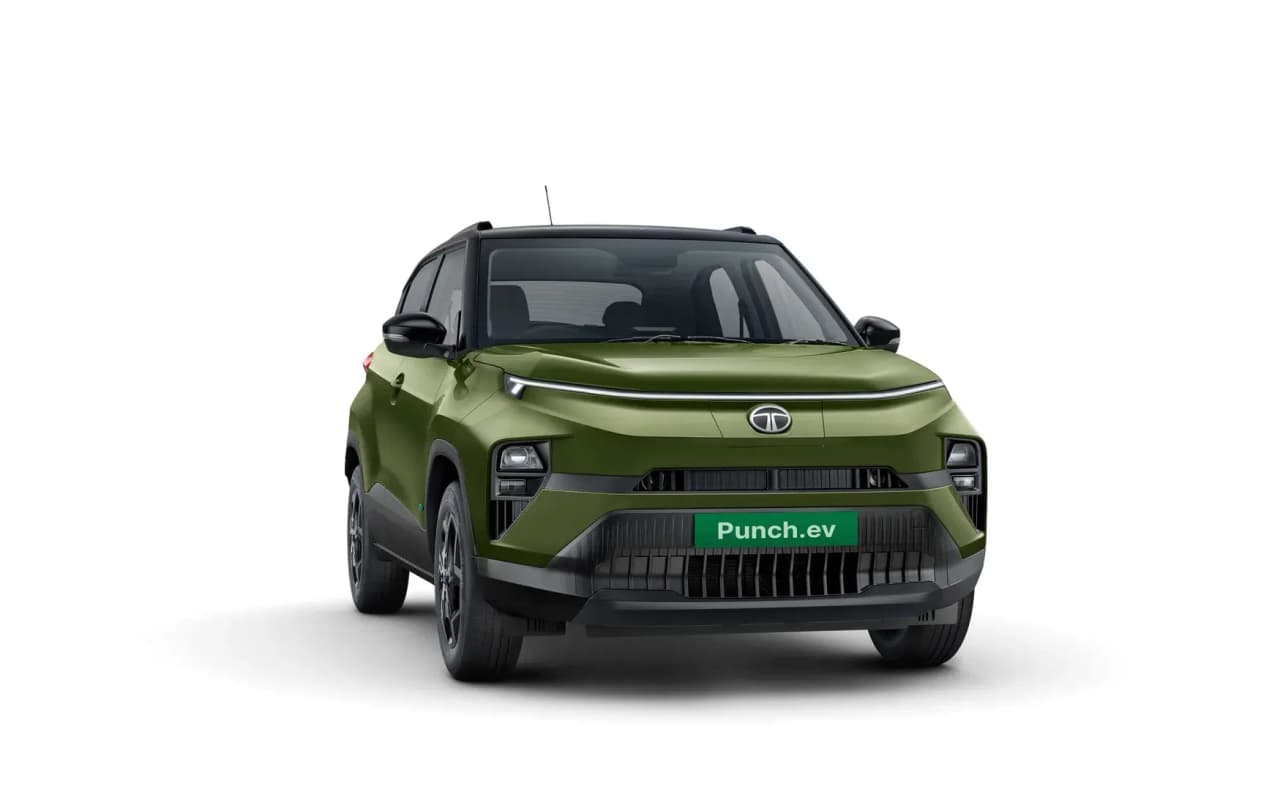
- The Punch EV is a sub-4m micro‑SUV, five doors and five seats, with an EV‑specific closed grille, split headlamps and SUV‑style stance. High ground clearance around 190–195 mm and roof rails give it a tough, pseudo‑SUV look and a taller seating position.
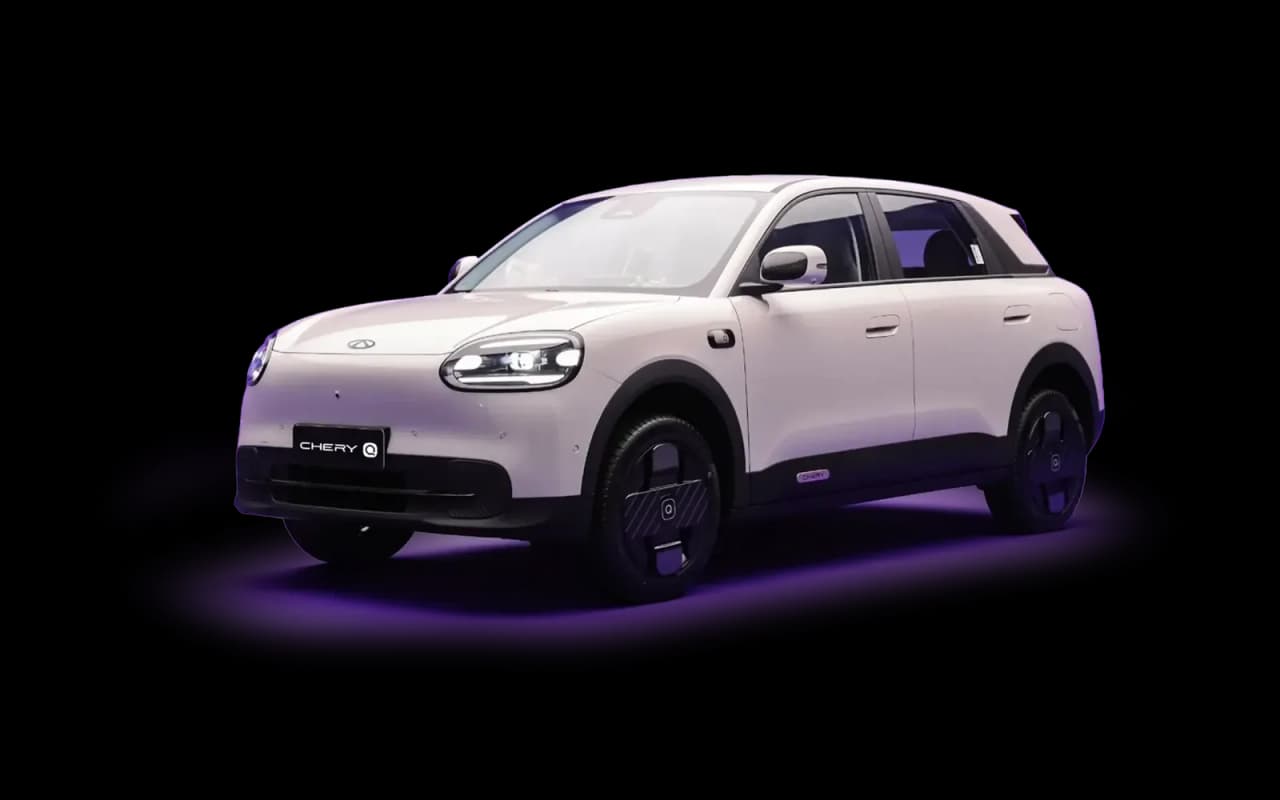
- The Chery Q EV is a larger compact crossover/hatchback at 4,195 mm long, 1,811 mm wide and 1,568 mm tall. It sits lower but wider, with a more stretched silhouette, and has been recognized with Red Dot Design 2025 and iF Design 2026 awards.
On Nepali roads, the Punch EV visually fits the "micro‑SUV" expectation many buyers now have in the Rs 30–40 lakh bracket: upright, high‑clearance, urban‑rugged. The Chery Q looks more like a premium European‑style EV hatch/crossover, more road‑hugging, with sleeker proportions.
Editorially, if you care about stance and perceived ruggedness, the Punch EV feels more aligned with Nepali tastes. If you value contemporary, award‑winning design and a more planted, wider body, the Chery Q EV has the edge.
Features and Equipment: Cabin, Tech and Safety
Tata Punch EV
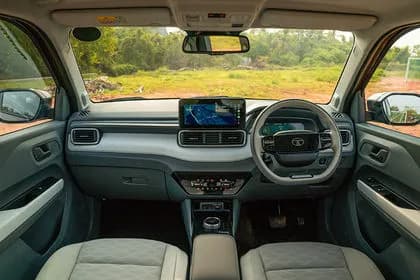
Across the Punch EV range, the cabin is built around a five‑seat layout with fabric upholstery in the base 30 kWh trim and nicer trim in the 40 kWh and Empowered+ S 40.
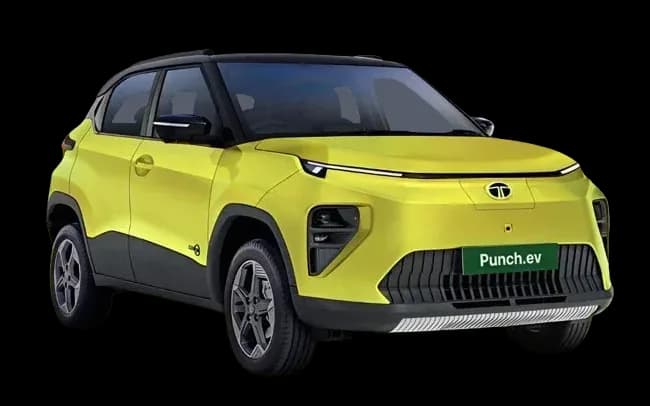
Key equipment themes:
- Comfort & convenience
- Automatic climate control available across the lineup.
- EV‑specific drive modes on 40 kWh and higher trims.
- Infotainment & instruments
- Touchscreen infotainment system.
- Digital instrument cluster across the Punch EV range.
- Higher trims likely get better connectivity and remote features, while the base 30 kWh keeps things simpler.
- Safety & driver aids
- Dual front airbags, ABS with EBD standard.
- Rear parking sensors standard, with rear camera on mid to top variants.
- Some variants add ESC, but the exact spread per Nepali trim is not fully documented.
Overall, the Punch EV feels modern but not class‑leading on tech: it gives you the essentials, plus some EV‑specific touches, but not the kind of advanced driver aids or mega screens found in more expensive or newer‑age rivals.
Chery Q EV
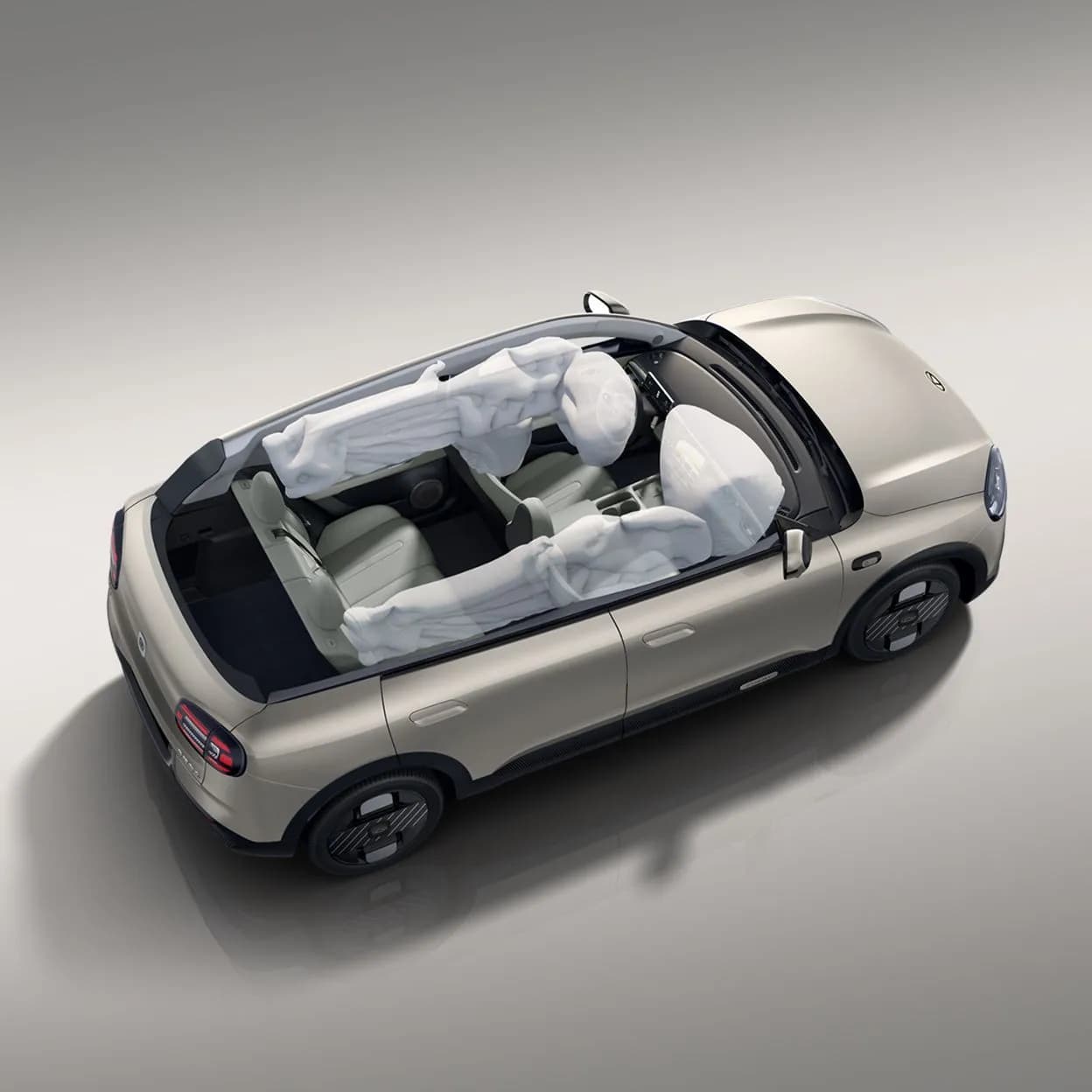
The Chery Q, in contrast, leans hard into the tech story.
- Comfort & chassis
- MacPherson strut front and multilink rear suspension, which is a more sophisticated combination than the simple torsion‑beam setups common in this price band.
- Infotainment & convenience
- A large 15.6‑inch infotainment touchscreen dominates the cabin.
- A 540‑degree camera system (combining surround view and under‑body perspectives) adds serious convenience in tight Nepali streets.
- Safety & driver assistance
- Both Comfort and Premium trims claim more than 20 ADAS features, putting it in a different league to the Punch EV on paper.
Inside, the Chery Q feels oriented toward buyers wanting big‑screen, gadget‑rich EVs: the hardware and software story is visibly deeper, especially on cameras and active safety. The Premium trim further layers features over the already strong Comfort base.
Our judgement: if your priority is tech, cameras and ADAS, the Chery Q EV is clearly ahead. The Punch EV will still feel modern enough for most mainstream buyers, but it does not chase this level of digital sophistication.
Motor, Performance and Range
Tata Punch EV
The Punch EV offers two main battery configurations:
- 2026 30 kWh
- 30 kWh battery.
- Claimed range 275 km.
- Front‑mounted permanent magnet motor, roughly 48–60 kW output.
- Front‑wheel drive (FWD) with single‑speed reduction gear.
- 2026 40 kWh / Empowered+ S 40
- 40 kWh battery.
- Claimed range 355 km.
- Higher output motor in the 60–70 kW band.
- Same FWD single‑speed layout.
The 30 kWh is clearly tuned for city‑focused efficiency and price, while the 40 kWh trims aim at more balanced urban‑plus‑highway usage with stronger performance and range.
Realistically, the 40 kWh Punch EV is the sweet spot for mixed Nepali use: hill routes, occasional highway runs, and urban commuting without range anxiety for typical daily distances.
Chery Q EV
The Chery Q EV follows a simpler but more ambitious hardware story:
- Battery & charging
- 41.2 kWh LFP battery in both Comfort and Premium.
- Claimed up to 400 km range on the NEDC cycle.
- 85 kW DC fast charging, 30–80% in around 16 minutes.
- Vehicle‑to‑Load (V2L) capability, meaning you can power external devices from the car.
- Motor & drivetrain
- 90 kW electric motor.
- Rear‑wheel drive (RWD) layout.
Even accounting for NEDC being an optimistic test cycle, the Chery Q offers more battery capacity, more motor power, and a claimed range that exceeds even the Punch EV 40 kWh trims.
Our perspective on performance and usability:
- For pure city commuting, both cars will feel adequate, but the Punch EV 30 kWh may feel more modest in acceleration, especially with passengers and climbs.
- For highway and intercity runs, the Punch EV 40 kWh and Chery Q are the more convincing choices.
- The 90 kW RWD configuration in the Chery Q should give more energetic performance and a more natural push from the rear axle, something keen drivers will appreciate.
On paper, the Chery Q EV is the stronger performer and longer‑range EV, especially with DC fast charging and V2L adding flexibility.
Ride, Handling and Comfort
Here we lean on layout and hardware rather than test‑drive impressions.
- The Punch EV, built on a micro‑SUV, front‑motor, FWD package with 190–195 mm ground clearance, is oriented toward robust everyday usability. The height and stance suit broken urban roads and mild rural tracks. Its suspension tuning is expected to be simple and comfort‑oriented, with enough compliance for Nepali conditions.
- The Chery Q EV backs its comfort story with MacPherson front and multilink rear suspension, plus a 2,700 mm wheelbase and 175 mm ground clearance.
A longer wheelbase and multilink rear typically translate into better high‑speed stability and more composed ride, particularly over uneven surfaces. The trade‑off is slightly lower ground clearance than the Punch EV.
Approach and departure angles (21 degrees front, 26 degrees rear) signal that the Chery Q is still reasonably capable over ramps, speed breakers and mild obstacles, but it is not pitched as a pseudo‑off‑roader.
Our editorial read:
- Punch EV: better suited to buyers who want a higher seating position and more clearance for rough village roads, but handling and highway polish will be modest.
- Chery Q EV: better for those who regularly do longer highway runs or care about refined ride and stability, while still managing most urban obstacles.
Practicality and Day‑to‑Day Running Costs
Space and versatility
This is one area where the Chery Q clearly surfaces more hard data.
- Punch EV
- Five‑seat cabin in all trims.
- Boot space for specific Nepal‑market Punch EV variants is not officially disclosed, limiting precise luggage comparisons.
- Chery Q EV
- Also a five‑seater.
- 375‑litre boot; expandable to around 1,450 litres with rear seats folded.
- 70‑litre frunk adds extra front storage.
For families and long trips, the Chery Q’s combination of boot, fold‑flat expansion and frunk gives it a strong practicality edge on paper. The Punch EV likely offers enough space for day‑to‑day use, but without declared figures it is harder to benchmark against rivals.
Charging, range and running
- Punch EV 30 kWh: 275 km claimed; best suited to urban users and shorter peri‑urban commutes.
- Punch EV 40 kWh / Empowered+ S 40: 355 km claimed; more realistic for mixed urban‑highway duties.
- Chery Q EV: 41.2 kWh and up to 400 km claimed on NEDC; plus DC fast charging (30–80% in around 16 minutes) and V2L.
Energy costs per km will be broadly similar across both, but the Chery Q’s fast‑charging ability and extra capacity make it better for high‑mileage users who rely on public DC chargers and want shorter stops.
Network and ownership hassle
This is where the Punch EV claws back a lot of real‑world value.
- Tata Punch EV
- 133 showrooms and 49 service centers via Sipradi.
- Established Tata brand image and resale expectations.
- Chery Q EV
- 2 showrooms, 1 service center initially.
- Brand is still in the early expansion phase, so after‑sales coverage outside Kathmandu is limited.
For buyers in smaller towns or outside the valley, the Punch EV’s wide network is a significant comfort factor. The Chery Q EV will appeal more to early adopters comfortable with a relatively young network but wanting newer‑age tech.
Price and Variants: Side‑by‑Side View
Tata Punch EV pricing (ex‑showroom, Nepal)
- 2026 30 kWh: Rs 33.99 lakh.
- 2026 40 kWh: Rs 36.99 lakh.
- Empowered+ S 40: Rs 37.99 lakh.
Chery Q EV pricing (ex‑showroom, Nepal)
- Comfort: Rs 34.49 lakh (introductory NAIMA Expo price Rs 30.99 lakh for first 100 buyers).
- Premium: Rs 35.99 lakh (introductory NAIMA Expo price Rs 32.99 lakh for first 100 buyers).
Comparison table
| Variant | Battery capacity | Claimed range | Motor power | Drivetrain | Ex-showroom price (Rs lakh) |
|---|---|---|---|---|---|
| Tata Punch EV 2026 30 kWh | 30 kWh | 275 km | ~48–60 kW | FWD | 33.99 |
| Tata Punch EV 2026 40 kWh | 40 kWh | 355 km | ~60–70 kW | FWD | 36.99 |
| Tata Punch EV Empowered+ S 40 | 40 kWh | 355 km | ~60–70 kW | FWD | 37.99 |
| Chery Q EV Comfort | 41.2 kWh | up to 400 km (NEDC) | 90 kW | RWD | 34.49 |
| Chery Q EV Premium | 41.2 kWh | up to 400 km (NEDC) | 90 kW | RWD | 35.99 |
Reading the table, a few things stand out:
- The Chery Q Comfort sits almost exactly against the Punch EV 30 kWh in price, but offers more battery and power on paper.
- The Chery Q Premium undercuts the Punch EV 40 kWh and Empowered+ S 40 on price while matching or beating their battery capacity and performance.
- The Punch EV 30 kWh still wins on absolute entry price compared with the regular Chery Q range, though the Expo offers temporarily flip that equation for early Q buyers.
Which Wins for Which Kind of Buyer?
Choose Tata Punch EV if:
- You live outside major urban centers and want a mature, widespread network.
- You prefer a micro‑SUV stance, higher ground clearance and taller seating.
- You are comfortable with straightforward, proven EV tech rather than chasing every latest feature.
- You value brand familiarity and resale over cutting‑edge equipment.
Within the Punch EV range:
- The 30 kWh variant is best if you mainly run in the city and want the lowest Tata EV entry point.
- The 40 kWh variant is the most balanced choice for mixed use, offering better power and range without stretching to top‑trim pricing.
- The Empowered+ S 40 suits buyers who want the best‑equipped Punch EV while staying in the sub‑4m segment.
Choose Chery Q EV if:
- You are an early adopter comfortable with a newer brand and evolving network.
- You want more range, faster DC charging and stronger performance for frequent intercity trips.
- You value big‑screen infotainment, 540‑degree cameras, and rich ADAS for convenience and safety.
- You like the idea of a RWD EV with a more European‑style crossover/hatch design.
Between Chery Q trims:
- The Comfort is the value angle: same battery and motor as Premium, strong practicality, and a lower price if Expo offers are still available.
- The Premium is the more complete spec for those who want the full feature set and can stretch slightly on budget.
Verdict: Network vs Tech, Micro‑SUV vs Long‑Range RWD
In this head‑to‑head, there is no single universal winner; the strengths are clearly split.
- The Tata Punch EV wins on brand familiarity, service reach, micro‑SUV stance and ground clearance. For buyers outside Kathmandu, and for those who place a lot of weight on long‑term support and resale, it is the safer, more predictable choice.
- The Chery Q EV wins on battery size, claimed range, charging speed, motor power, RWD dynamics, and cabin tech. For tech‑oriented urban and highway users willing to trust a newer network, it offers more EV for the money.
Our editorial take:
- If you want a no‑nonsense, network‑backed micro‑SUV EV and mostly drive within Nepal’s established Tata support corridors, the Punch EV 40 kWh is the most sensible pick.
- If you prioritize range, performance and modern tech, and your usage is centered around areas covered by Chery’s emerging network, the Chery Q EV Premium is the more compelling overall package.
Both cars sit in a very competitive Rs 30–40 lakh EV bracket, but they answer different questions. The decision is less about which is "better" in absolute terms and more about whether you value support and rugged familiarity (Punch EV) or spec depth and long‑range confidence (Chery Q EV).
Explore full specifications, variants & ownership context
Compare the exact variants
Specifications, features & ownership context
Choose a variant for each vehicle. The facts below follow that exact trim; the article explains the trade-offs.
Latest catalog and directory records supplement the original analysis. Figures may have changed since publication; individual specification and price-check dates appear below.
Tata Punch EV
Rs 38.99 lakh ex-showroom · source checked 15 Oct 2026
Chery Q EV
Rs 35.99 lakh ex-showroom · source-check date not recorded
Battery & charging
| Specification / feature | Tata Punch EV | Chery Q EV |
|---|---|---|
| Battery | 40 kWhResearched · confirm · 27 Sept 2026 | 41.2 kWhResearched · confirm · 13 Sept 2026 |
| Claimed range | 421 km (ARAI)Researched · confirm · 26 Sept 2026 | 400 km (NEDC)Researched · confirm · 21 Sept 2026 |
Safety & driver assistance
| Specification / feature | Tata Punch EV | Chery Q EV |
|---|---|---|
| Airbags | 6 airbagsResearched · confirm · 27 Sept 2026 | 6 airbagsResearched · confirm · 13 Sept 2026 |
Dimensions & weight
| Specification / feature | Tata Punch EV | Chery Q EV |
|---|---|---|
| Ground clearance | 190 mmResearched · confirm · 24 Sept 2026 | 175 mmResearched · confirm · 29 Aug 2026 |
Claimed range uses the stated test cycle. Different cycles are not a like-for-like range comparison; actual range depends on roads, load, speed and weather.
Tata Punch EV
Showroom & service support
Distributor: Sipradi Trading Pvt. Ltd.
208 listed brand showrooms · 49 listed brand service locations
Listed cities include Baglung, Banepa, Bhairahawa, Bhaktapur, Bharatpur, Biratnagar and 35 more.
Brand-wide directory coverage. Confirm that your nearest workshop supports this exact model, powertrain and warranty work; ask about parts availability and booking time.
Market buzz & buyer priorities
Compiled discussion, including buyer reactions and ownership reports; this is not a verified owner survey or a reliability score. Research dated 13 Oct 2026.
What people like
- No issues after driving 11k kms
- Excellent ground clearance (190-195 mm) handles Nepal's potholes and hilly terrain well
- Strong 5-star safety rating provides peace of mind for family buyers
More feedback
- Smooth, silent, and vibration-free driving experience ideal for city commuting
Concerns to investigate
- high price compared to Chinese EVs
- Price is higher than expected for the features offered
- Fit and finish and technology could be better
More feedback
- Real-world range is significantly lower than the manufacturer's claimed figures
Nepal ownership context
- Sipradi Trading provides a widespread service and charging network across major cities like Kathmandu, Pokhara, and Butwal
- The vehicle is widely regarded as a practical, rugged choice for Nepal's mixed urban and semi-urban road conditions
- Ground clearance is a major Nepal-specific advantage because buyers regularly consider broken urban roads, steep ramps, potholes and rough routes outside Kathmandu.
More feedback
- Sipradi’s service and parts network is one of the strongest reasons Nepali buyers consider the Punch EV instead of a newer brand with less established support.
- Resale confidence is linked more to Tata and Sipradi’s established presence than to proven long-term resale data for the Punch EV itself.
Chery Q EV
Showroom & service support
Distributor: SPG Automobiles Pvt. Ltd. (under Sharda Group)
13 listed brand showrooms · 1 listed brand service locations
Listed cities include Bharatpur, Biratnagar, Butwal, Kathmandu, Lalitpur, Pokhara.
Brand-wide directory coverage. Confirm that your nearest workshop supports this exact model, powertrain and warranty work; ask about parts availability and booking time.
Market buzz & buyer priorities
Compiled discussion, including buyer reactions and ownership reports; this is not a verified owner survey or a reliability score. Research dated 13 Oct 2026.
What people like
- Spacious cabin design relative to its compact footprint
- Fast DC charging capability (30-80% in ~16 minutes)
- Strong value proposition with high-tech features like 540-degree cameras
More feedback
- Brisk and smooth power delivery from the rear-wheel-drive motor
Concerns to investigate
- Interior refinement is uncertain until actual release.
- Ground clearance of 175 mm is considered moderate for rough Nepali terrain
- Real-world driving range is noticeably lower than the optimistic NEDC cycle
More feedback
- Base Comfort variant lacks the advanced driver-assist features found in the Premium trim
- Some Nepali viewers found the cabin plastics less premium than expected.
- Buyers remain concerned about after-sales coverage and service access outside Kathmandu Valley.
- Resale value is uncertain because the model and Chery Q ownership base are still new in Nepal.
What buyers ask for
- Real-world range vs. claimed NEDC figures
Nepal ownership context
- Officially distributed by Pioneer Moto Corp with service networks in major cities like Kathmandu, Pokhara, and Chitwan
- Positioned as a city-focused urban crossover rather than an off-roader
- Resale value remains a point of discussion as it is a relatively new entrant in the local EV market
More feedback
- Service availability outside the Valley is a recurring buying concern for a newer EV brand, especially for buyers planning frequent highway or Terai travel.
- Nepali buyers are evaluating the vehicle for city use while asking whether charging access, range and support will remain practical on longer trips.
Use these facts alongside the article’s full analysis. Check the final quotation, warranty terms and exact equipment before booking.
Evidence & next steps
Check the details before you buy
Use this guide to build a shortlist. Ask for a written quotation for your chosen variant, including registration, taxes, insurance, finance charges and any charger installation. Confirm the nearest authorised workshop supports that model.
Price sources and dates
These are the recorded distributor-source checks for the selected overview trims. They are separate from the article update and catalog read dates; they do not mean every trim was rechecked today. Confirm the final price with the distributor.
Overview photos come from the corresponding model records; additional article photos carry their own credits. Running costs depend on usage, energy prices, maintenance, insurance and resale value.