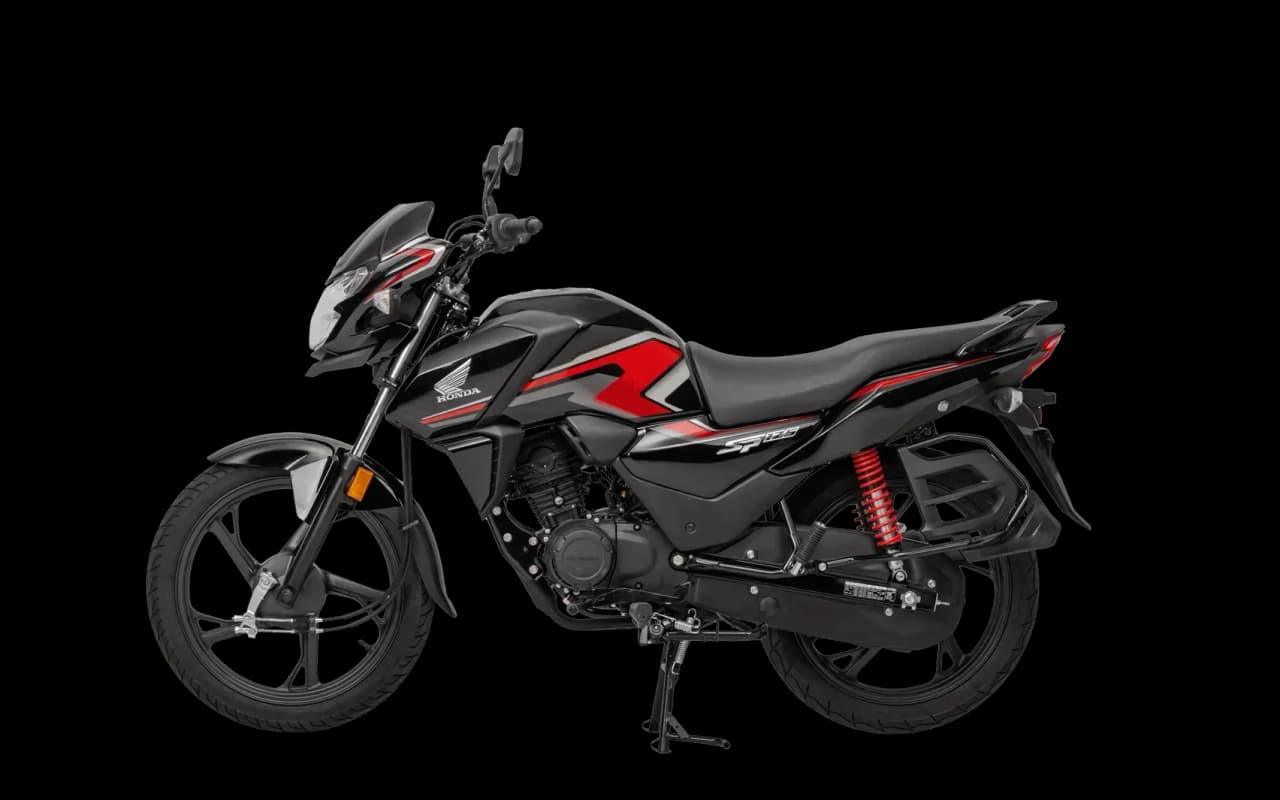
Start with the numbers
The model, at a glance
Available variants, with prices in Nepalese rupees.
| Vehicle | Ex-showroom price | Fuel | Selected variant |
|---|---|---|---|
| 01Honda SP 125 | Rs 3.13 lakh | Petrol | SP 125 DLX |
Ex-showroom prices exclude registration, road tax and insurance. Specifications can vary by trim. See individual source-check dates ↓
Where The SP 125 Sits In Nepal's Crowded 125cc Shelf
Honda's SP 125 arrived in Nepal in 2024 through Syakar Trading Company Pvt. Ltd., priced at Rs 3.13 lakh ex-showroom for the single SP 125 DLX variant. That one trim is the whole range here, and it is the one this review is built around. There is no base drum-only version sold locally, no separate colour tiers, just one well-equipped 123.93cc commuter aimed squarely at the office rider, the delivery rider and the family that needs one dependable bike for years, not months.
This review is built on what owners who actually live with the SP 125 in Nepal report, alongside what owners in India who have run the same engine and chassis for longer say about the machine. What follows is what the people riding it through Kathmandu traffic, Terai heat and hill roads report about owning one.
What owners praise
- Claimed mileage of 65 km/l on an 11.2 L tank, backed up by what Nepali riders report in daily use
- A combi-brake system that owners say shortens stopping distance on dry tarmac
- A full digital console with gear-position indicator that owners find genuinely useful day to day
What owners flag
- No ABS, combi-brake only, which owners say is less confidence-inspiring on loose or wet surfaces
- A thin rear tyre that owners say loses grip on gravel and monsoon roads
- A feature set that owners themselves describe as already dated against newer 125cc rivals
The Single DLX Variant, And What Rs 3.13 Lakh Buys
With only one variant on sale in Nepal, there is no trim ladder to climb. The SP 125 DLX, at Rs 3,12,900 ex-showroom, comes with a 240 mm front disc brake and a 130 mm rear drum, the combi-brake system linking the two, a full digital instrument cluster, and the 123.93cc PGM-FI engine with self and kick start. Owners in Nepal do not talk about a drum-brake entry option here, because Syakar has brought in the disc-equipped version as the only choice. That simplifies the buying decision considerably: if you want the SP 125 in Nepal, this is the bike, and the main question owners say buyers should ask themselves is whether it suits them better than a Bajaj or Hero alternative at a similar price point.
A Familiar 125cc Engine That Owners Say Just Keeps Running
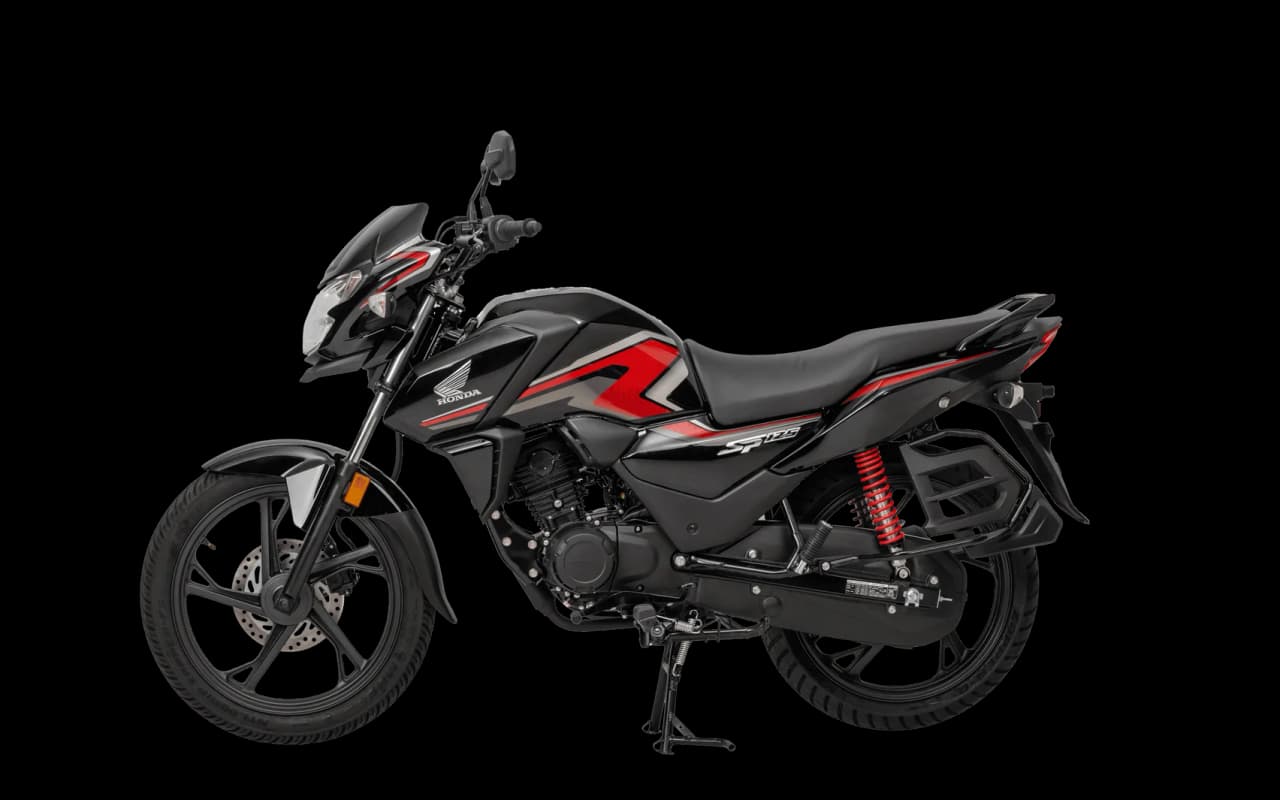
The SP 125 uses a 123.93cc, 4-stroke, single-cylinder engine producing 8 kW (about 10.9 PS) at 7,500 rpm and 10.9 Nm of torque at 6,000 rpm, fed by PGM-FI fuel injection with a 10.0:1 compression ratio. Honda's friction-reduction work, a piston cooling jet, offset cylinder and rocker roller arm, along with ESP (Enhanced Smart Power) technology, is aimed squarely at stretching every drop of petrol, and owners in Nepal back that up directly. Riders routinely describe it as the mileage king of its class, quoting figures above 65 km/l in daily use, and several say Honda's value-for-money reputation in Nepal effectively rests on this bike and the Dio scooter.
Refinement is the other thing owners keep bringing up unprompted. More than one rider in Nepal has described the engine as so quiet at idle that you forget it is running, which lines up with Honda's silent ACG starter motor doing away with the usual gear-mesh whirr on startup. Owners in India separately report the engine as smooth and refined with acceleration that feels good for a 125cc commuter, though few mechanical issues beyond occasional false neutrals and minor clutch or gear-shift quirks, with many of them saying it runs well past 20,000-30,000 km with regular servicing. Nepali owners have not logged that kind of distance-specific feedback yet, so that long-run picture should be read as what has shown up in India rather than a confirmed Nepal trend.
Gearbox behaviour is the one place opinion splits. The 5-speed box with multiplate wet clutch shifts cleanly at low revs for most owners, but Indian owners do report occasional stickiness and false-neutral moments under harder acceleration at higher rpm. Nepali owner feedback on this specific point is thin, so it would not be fair to call it a settled fault here, just something worth testing for yourself on a showroom ride before signing.
Riding It Around Kathmandu Potholes And Terai Straights
At 116 kg kerb weight, owners find the SP 125 light enough to filter through Kathmandu Valley traffic without feeling like work, and with 160 mm of ground clearance, a figure Indian owners say works well over speed-breakers and potholes on their roads too, it clears city speed bumps without drama. Nepali owners describe the clearance as adequate for daily use but say caution is still needed on rural trails and badly broken rural roads, where the suspension's limited travel gets found out. The telescopic front fork and 5-step adjustable hydraulic rear shock are tuned more for commuting comfort than for absorbing rough-road punishment, and owners in India separately describe the suspension as handling city bumps reasonably well, though a few call it on the stiffer side with a seat they find quite firm.
In Nepal's context, owners describe a bike that stays composed and easy around town but asks for a slower hand once the tarmac runs out. The Diamond-type frame keeps things stable at legal city and highway speeds, but a few Nepali owners flag that the lightweight build feels less planted at higher highway speeds, something worth weighing if your commute includes long stretches of open road rather than stop-go traffic.
Why The Thin Rear Tyre Keeps Coming Up
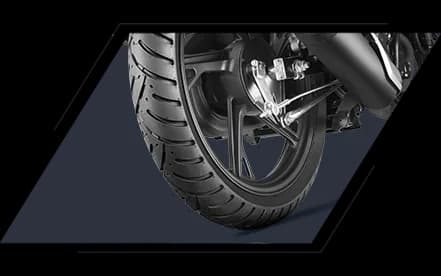
This is the most consistent complaint from Nepali owners, and it deserves its own section rather than a passing mention. Owners repeatedly describe the stock rear tyre as lacking grip on gravel and on wet sections of road, a real concern given how much of rural and semi-urban Nepal still has unsealed or poorly drained stretches. Combined with the absence of ABS, owners say braking hard on loose surfaces or in the monsoon is where the SP 125 shows its age against newer rivals that offer at least single-channel ABS as an option. The combi-brake system does shorten stopping distance on dry tarmac, and owners find the 240 mm front disc gives confident lever feel there, but they are clear that it is not a substitute for ABS when the surface turns against you.
A Seat And Riding Position Owners Say Suits The Daily Grind
The seat runs 790 mm long and sits at roughly the same height, giving an upright, fatigue-free riding posture that owners say suits office commuting and errand runs well. Nepali owners who use the bike for long tours report it holds up well over distance, which says something about how the ergonomics are set up: foot pegs sit in a neutral position, the reach to the bars is relaxed, and the single-piece seat is long enough to shift position on a longer ride. Owners in India rate pillion space as adequate for most trips too, though some say padding gets uncomfortable on longer rides and describe the seat as firm, so buyers planning frequent multi-hour highway runs should sit on it at a Syakar showroom before deciding.
What Owners Actually Complain About
Set against the mileage and reliability praise, the recurring gripe in Nepal is that this is, in owners' own words, an older model being sold here, with a feature set that already trails newer 125cc launches. Owners in India have newer SP 125 trims with an LED headlight, a digital or TFT instrument cluster with Bluetooth navigation via RoadSync, engine start/stop and USB-C charging, but none of that extends to the console Nepali buyers get today. Some Nepali buyers openly question whether the premium this bike carries over simpler 125cc commuters is worth paying if mileage and basic transport are all they need. Nepal-specific discussion on recurring mechanical faults is also still small, so owners themselves caution against claiming a clean bill of health backed by years of local data; what exists points to reliability, but the sample is young.
Build quality draws mixed comment too: some Nepali owners find the plastic panels average in places, even as owners in India describe the overall structure as solid with minimal rattles even after thousands of kilometres, and only fair cosmetic damage to crash plastics. None of this derails the core case for the bike, but a buyer going in expecting segment-leading features at this price should recalibrate.
Fuel Bills, Service Visits And What Ownership Actually Costs
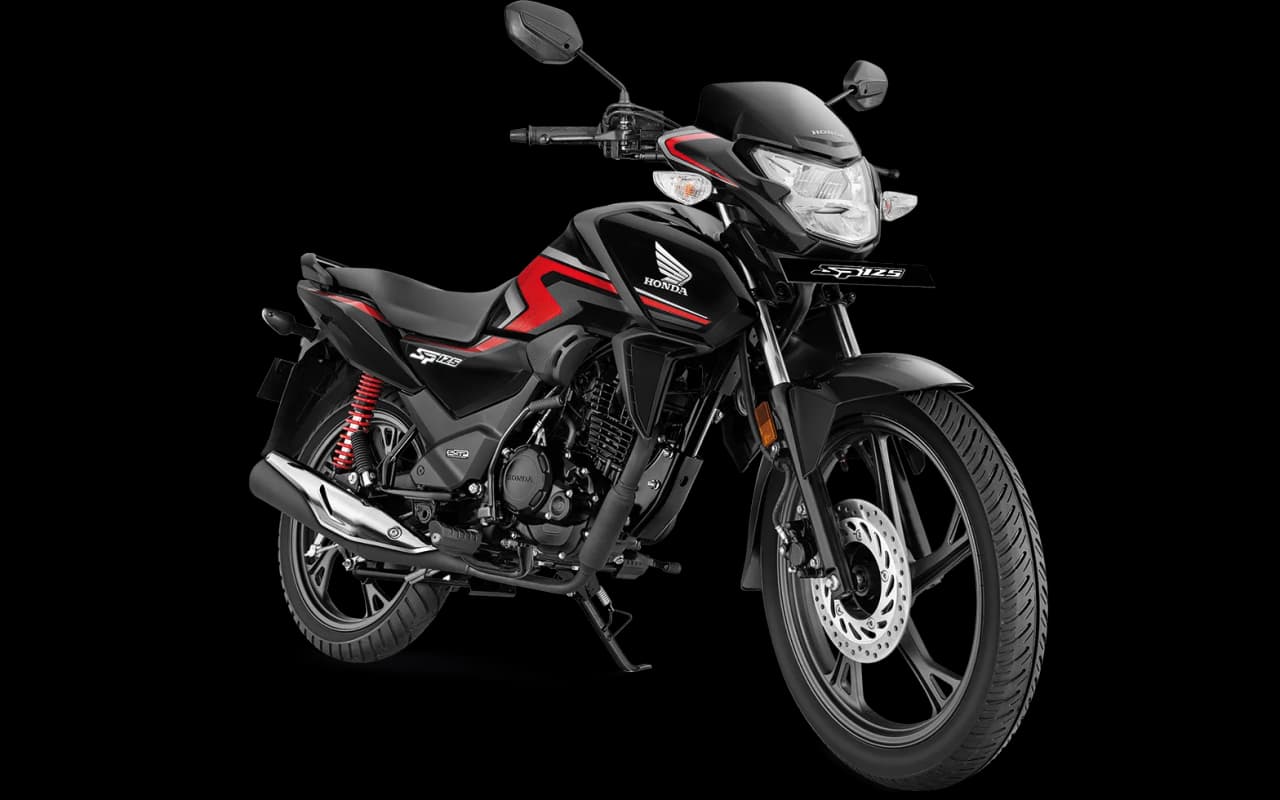
This is where the SP 125 earns its keep, according to the people riding it. A 7-month owner in Nepal reports no issues at all and no tension about routine oil changes, while another flatly calls maintenance costs cheap. With a claimed 65 km/l and an 11.2-litre tank, a full tank should comfortably stretch past 600 km for a careful rider, which matters directly to delivery riders and office commuters watching their monthly fuel spend. Owners in India separately report real-world fuel efficiency of roughly 55-65 km/l in mixed city riding, pushing closer to 70 km/l on highway stretches, broadly in line with what Nepali owners describe. Syakar Trading Company runs widespread service centre coverage across Nepal under Honda's network of 137 service centres nationwide and 144 showrooms for sales, so parts access and routine servicing are not confined to Kathmandu Valley, something owners cite as a reason they trust the bike for years of ownership.
Resale is the other half of the running-cost story. Nepali owners describe the SP 125 as holding stronger resale value than most of its 125cc competitors, and our own used-price estimate puts a 3-year-old, good-condition, single-owner example at roughly Rs 1.85 lakh to Rs 2.26 lakh, around two-thirds of the current ex-showroom price. That estimate carries moderate confidence based on a modest set of comparable listings, so treat it as a guide rather than a guarantee, but it lines up with what owners report anecdotally.
The Bajaj Pulsar N 125 Undercuts It On Styling, Not Necessarily On Running Cost
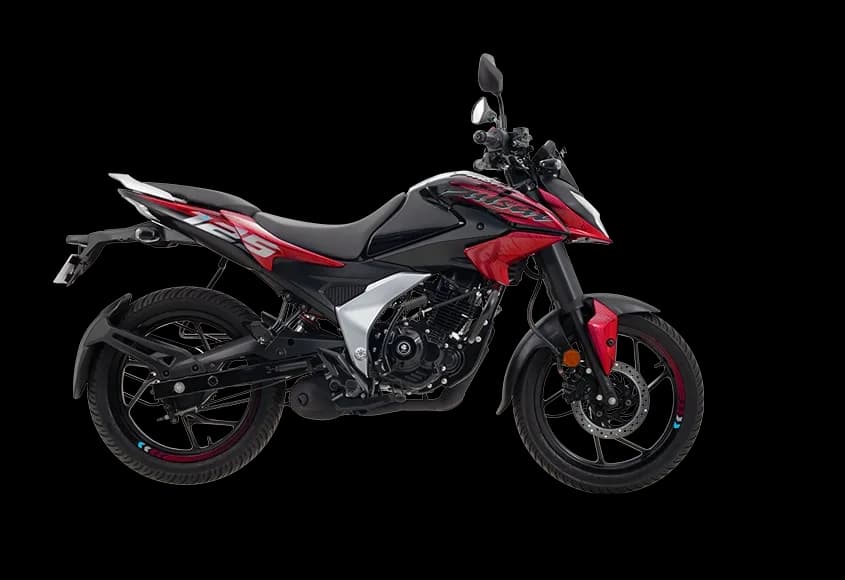
The Bajaj Pulsar N 125 is the obvious cross-shop in showrooms, built around a marginally larger 124.59cc engine against the SP 125's 123.93cc. Nepal pricing for the Pulsar N 125 is not yet confirmed, so a rupee figure cannot be put against the Honda here, but the Pulsar line has traditionally leaned into sportier styling and a more aggressive stance than the SP 125's sober, commuter-first design. Buyers who want a 125cc bike that looks quicker than it is will gravitate to the Pulsar N 125; those who have already decided mileage and resale matter more than looks, the priorities Nepali SP 125 owners keep repeating, tend to stay with the Honda.
The Bajaj Pulsar 125 Is The Budget-Minded Alternative
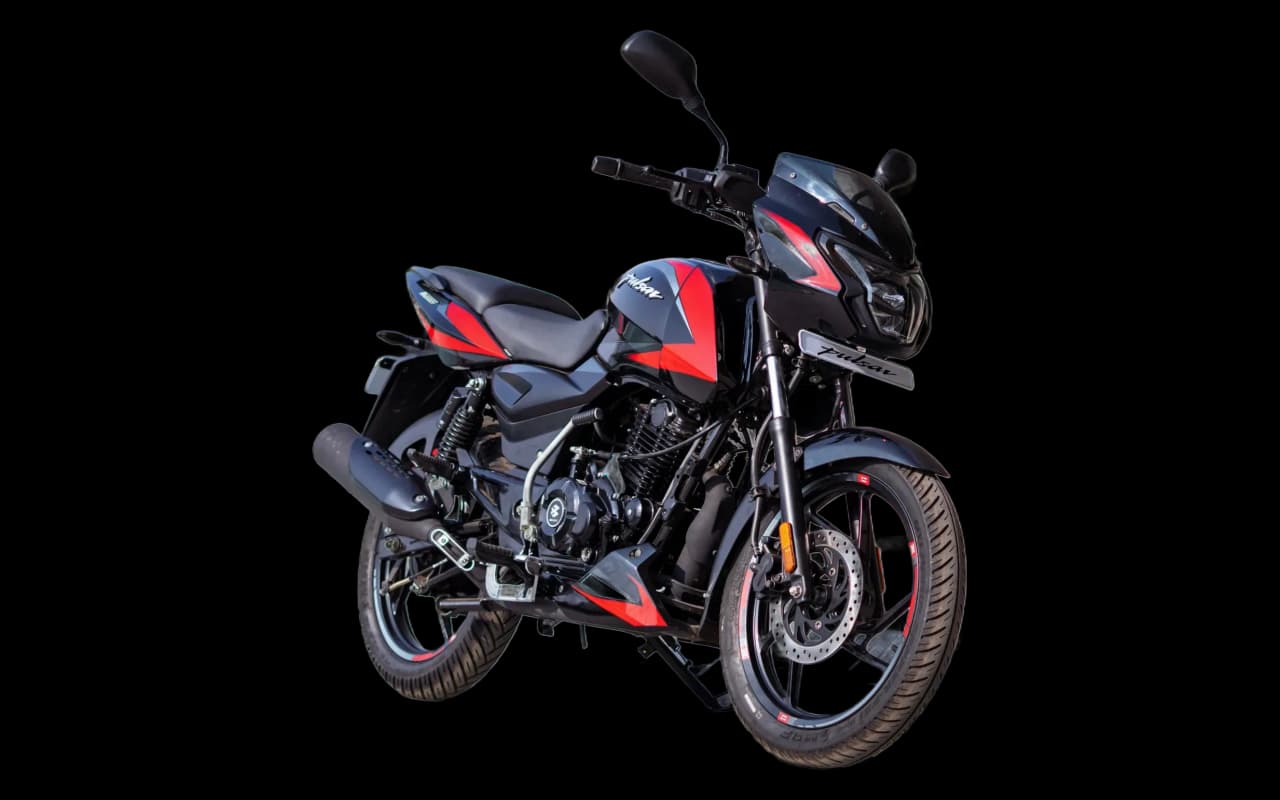
The standard Bajaj Pulsar 125, at 124.38cc, sits as a simpler, more value-focused alternative to the SP 125, again without a confirmed Nepal price to compare directly. It carries the Pulsar badge's sportier design language rather than Honda's commuter-first approach, and Nepali buyers weighing the two usually come down to a straightforward trade: Pulsar styling and brand appeal versus Honda's long reputation for low maintenance and strong resale, which is the exact strength owners keep crediting the SP 125 for.
The Hero Xtreme 125R Brings A More Modern Features List
The Hero Xtreme 125R, built around a 124.7cc engine, is the newer-generation competitor in this conversation, and it is the one most likely to expose the SP 125's age on paper. It has leaned into a more aggressive streetfighter design and, in its home market, offers single-channel ABS as an option, something the SP 125 lacks entirely in Nepal. Price comparison is not yet confirmed, but buyers specifically chasing a more modern feature set, rather than the proven reliability and resale track record owners keep reporting for the SP 125, should put the Xtreme 125R on their shortlist before signing for the SP 125.
Verdict: Who Should Actually Buy The SP 125
The Honda SP 125 is worth buying for anyone whose priority list reads mileage first, low maintenance second, and long-term reliability third. Owners across Kathmandu Valley and the Terai consistently back all three: a claimed 65 km/l, cheap routine servicing, and an engine that owners with seven months to several years on the clock report running without complaint. Add wide service coverage through Syakar Trading Company's network and resale value that owners say beats most 125cc rivals, and the day-to-day ownership case is strong.
The honest limitation is that this is a known quantity rather than a new one. There is no ABS, just a combi-brake system; owners say the rear tyre is thin enough that gravel and wet roads call for caution; and the overall features list already trails what newer 125cc launches offer, a point Nepali owners themselves raise most often. Buyers chasing the newest tech, a sportier look, or confident grip on Nepal's rougher back roads should look at the Bajaj Pulsar N 125 or Hero Xtreme 125R instead. Everyone else, especially daily commuters and delivery riders counting every rupee of fuel and every service bill, will find the SP 125 does exactly what owners say it promises.
For the current variant-wise figures, see our Honda SP 125 price in Nepal page — it is updated whenever the distributor changes a price.
Frequently asked questions
What is the Honda SP 125's mileage? Honda claims 65 km/l for the SP 125 DLX, and Nepali owners report figures consistent with that in daily commuting use.
Is the Honda SP 125 worth buying? For buyers prioritising fuel economy, low maintenance and resale value, yes; Nepali owners consistently report reliable performance and cheap running costs, though buyers wanting ABS or the newest features may want to compare rivals first.
What are some common issues with the Honda SP 125? Nepal-specific fault data is still limited given how new the model is here, but owners point to a thin rear tyre that struggles for grip on gravel and wet roads, and a features list that already feels behind newer 125cc launches.
What is the service km of a Honda SP 125? This figure is not covered here.
What is the engine warranty period for a Honda SP 125? This is not covered here for the Nepal market.
What voids the Honda motorcycle warranty? This detail is not covered here; buyers should confirm warranty terms and conditions directly with Syakar Trading Company at the time of purchase.
Is there a Honda SP 125 new model for 2026? There is no 2026 update on record; the current SP 125 DLX remains the only variant sold in Nepal as of this review.
Real buyers, real ownership
What owners are saying
Compiled owner and buyer discussion for this vehicle — likes, complaints and the questions buyers ask.
Explore full specifications, variants & ownership context
Know the product
Key specifications, features & ownership context
Choose a variant to see its recorded specifications and features. Equipment and prices can change across trims.
Latest catalog and directory records supplement the original analysis. Figures may have changed since publication; individual specification and price-check dates appear below.
Rs 3.13 lakh ex-showroom · source checked 11 Nov 2026
Engine & performance
| Specification / feature | SP 125 DLX |
|---|---|
| Engine displacement | 123.93 ccVerified specification · 23 Sept 2026 |
| Max power | 10.9 PSVerified specification · 23 Sept 2026 |
Brakes, tyres & suspension
| Specification / feature | SP 125 DLX |
|---|---|
| ABS | CBSResearched · confirm · 6 Nov 2026 |
Dimensions & weight
| Specification / feature | SP 125 DLX |
|---|---|
| Ground clearance | 160 mmVerified specification · 23 Sept 2026 |
Showroom & service support
Distributor: Syakar Trading Company Pvt. Ltd.
Honda showrooms in Kathmandu (144 showrooms nationwide) · Honda service centers in Kathmandu (137 service locations nationwide)
Listed cities include Attariya, Baglung, Banepa, Barahathawa, Bardaghat, Bardibas and 77 more.
Brand-wide directory coverage. Confirm that your nearest workshop supports this exact model, powertrain and warranty work; ask about parts availability and booking time.
Market buzz & buyer priorities
Compiled discussion, including buyer reactions and ownership reports; this is not a verified owner survey or a reliability score. Research dated 13 Nov 2026.
What people like
- Exceptional fuel efficiency for daily commuting
- Smooth engine performance with silent start technology
- Modern digital instrument console with gear position indicator
More feedback
- Low maintenance costs and reliable engine longevity
Concerns to investigate
- old model being sold in Nepal
- lack of advanced features compared to newer models
- Thin rear tires lack grip on gravel or wet sections of Nepali roads
More feedback
- Lightweight build feels less stable at higher highway speeds
- Plastic body quality in some areas feels average
- Limited suspension travel for heavily potholed rural roads
- The Nepal-specific discussion volume is small, so recurring SP 125 faults are not clearly established.
- Some Nepal buyers question whether the premium over simpler 125cc commuters is justified when their main priorities are only mileage and basic transport.
What buyers ask for
- Availability of spare parts across various districts
- Ease of handling in dense Kathmandu traffic
Nepal ownership context
- Syakar Trading Company provides widespread service center availability across Nepal
- Strong resale value compared to competitors in the 125cc segment
- Ground clearance is adequate for city bumps but requires caution on rural trails
More feedback
- High demand in the Terai and Kathmandu Valley for office and delivery use
- Nepali buyers mainly evaluate it for daily Kathmandu Valley and highway commuting, fuel economy, routine maintenance, spare-parts access and resale confidence.
- The current price is ex-showroom; the final on-road amount depends on registration, insurance and local charges.
- The Nepal discussion supports a commuter use case, but it does not establish the SP 125 as a rough-road or off-road motorcycle.
Use these facts alongside the article’s full analysis. Check the final quotation, warranty terms and exact equipment before booking.
Evidence & next steps
Check the details before you buy
Use this guide to build a shortlist. Ask for a written quotation for your chosen variant, including registration, taxes, insurance and finance charges. Confirm the nearest authorised workshop supports that model.
Price sources and dates
These are the recorded distributor-source checks for the selected overview trims. They are separate from the article update and catalog read dates; they do not mean every trim was rechecked today. Confirm the final price with the distributor.
Overview photos come from the corresponding model records; additional article photos carry their own credits. Running costs depend on usage, energy prices, maintenance, insurance and resale value.