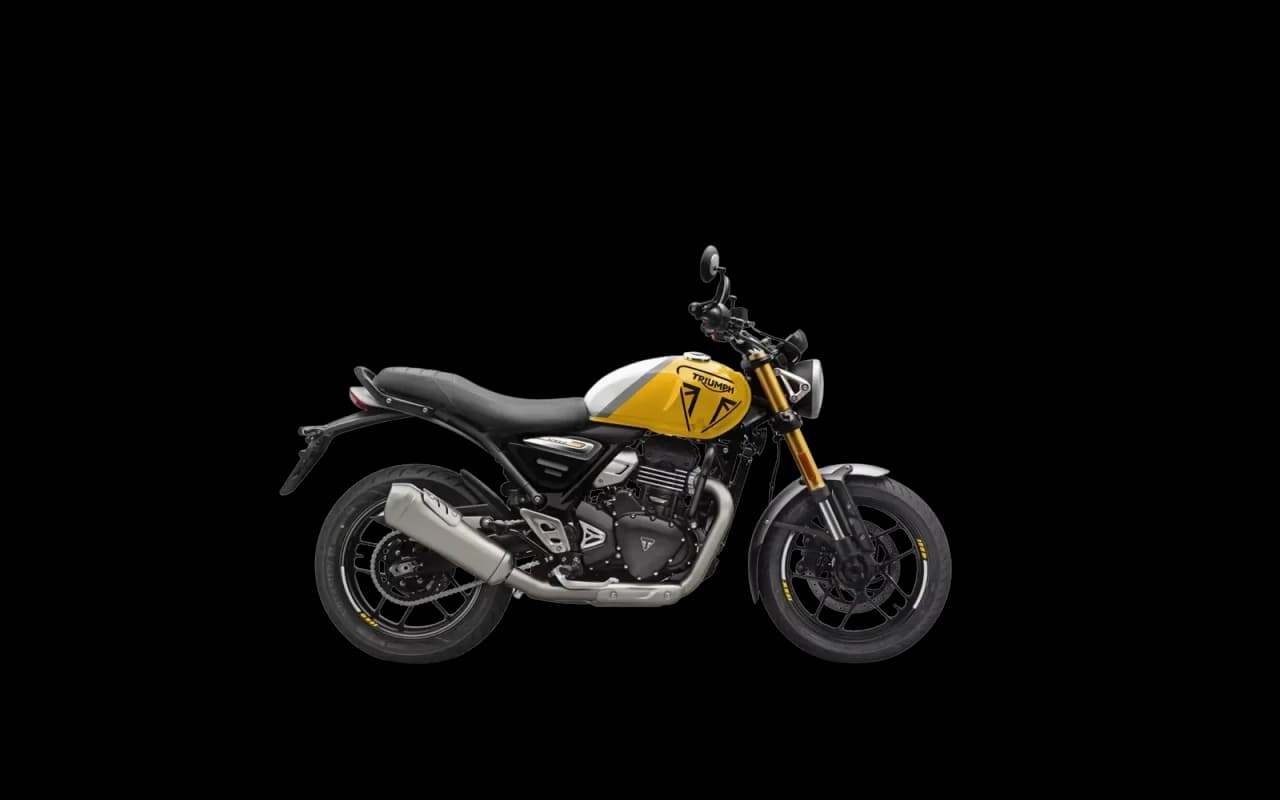
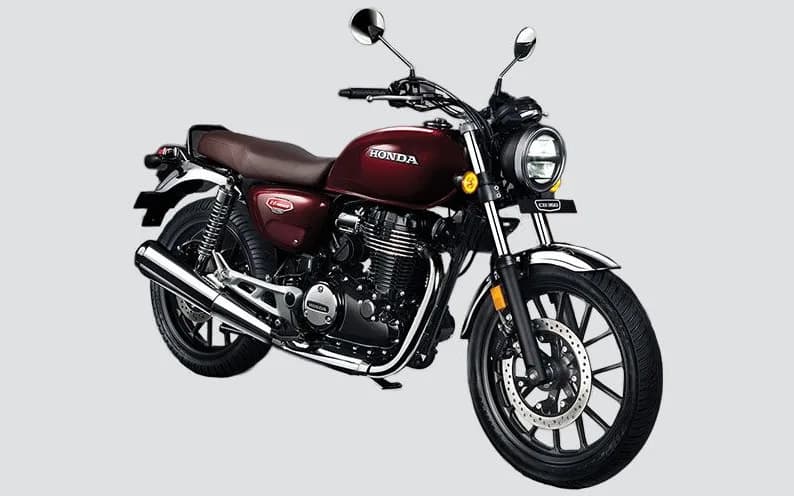
Start with the numbers
Compare at a glance
Top available variants, with prices in Nepalese rupees. Expand details to choose another variant.
| At a glance | Triumph Speed 400 | Honda CB 350 |
|---|---|---|
| Ex-showroom price | Rs 7.2 lakh | Rs 9.26 lakh |
| Fuel | Petrol | Petrol |
| Selected variant | Speed 400 | DLX |
| What owners say | Read owner feedback ↗ | Read owner feedback ↗ |
Ex-showroom prices exclude registration, road tax and insurance. Specifications can vary by trim. See individual source-check dates ↓
In owners' words
Why buy, and why think twice
Speed 400
Why owners buy it
- Punchy low-end torque makes it excellent for dense city traffic
- Upright, neutral seating position reduces fatigue during daily rides
What gives owners pause
- Made in India by Bajaj may deter buyers
- Noticeable engine heat can be uncomfortable in heavy traffic
CB 350
Why owners buy it
- Extremely smooth and refined engine performance
- Premium build quality and classic retro aesthetics
What gives owners pause
- Suspension performance can feel stiff on rough or off-road terrain
- Concerns regarding service center professionalism and unnecessary upselling
What owners and buyers report — their experience, not a test of ours.
Choosing between the Triumph Speed 400 and the Honda CB 350 in Nepal is a decision between two distinct philosophies of motorcycling. On one hand, the Triumph Speed 400 brings modern performance and premium engineering at a price point that has disrupted the segment. On the other, the Honda CB 350 offers a traditional, ultra-refined retro experience backed by a service network that spans nearly every corner of the country. This comparison answers whether the Speed 400 or Honda CB 350 is better for your specific riding needs, whether you are commuting through Kathmandu or touring the hills of Nepal.
Three main factors decide this pair: performance, ergonomics and fit, and showroom and service reach. While the Triumph leads on pure power and value, Honda’s established presence outside the Kathmandu Valley makes it a formidable choice for long-term ownership.
Running Costs and Daily Efficiency
Running costs remain a primary concern for Nepali riders. Between these two, the Honda CB 350 DLX takes the lead. It has a larger 15.2-litre fuel tank compared to the 13-litre tank on the Triumph Speed 400. This larger capacity, combined with a reported mileage of 35 km/l, means fewer trips to the pump and a longer range for highway travel.
The Speed 400, while efficient for its power class, has a claimed mileage of 28.3 km/l. In real-world urban conditions, the Triumph has been criticized for being thirstier, especially in dense traffic. For a rider prioritizing lower monthly fuel bills, the Honda is the more economical choice.
Performance: Raw Power Against Calm Refinement
The performance gap between these two is the most significant differentiator. The Triumph Speed 400 is equipped with a 398.15 cc liquid-cooled engine producing 40 PS of power and 37.5 Nm of torque. In contrast, the Honda CB 350 DLX uses a 350 cc air-cooled engine producing 21.07–21.1 PS and 29.4–30 Nm of torque.
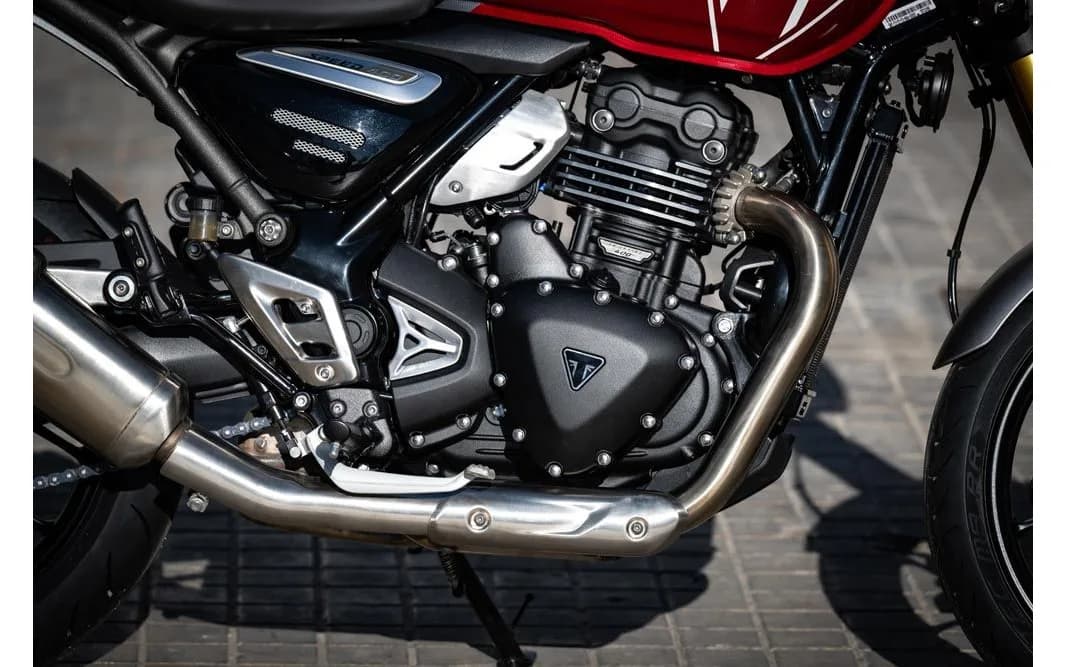
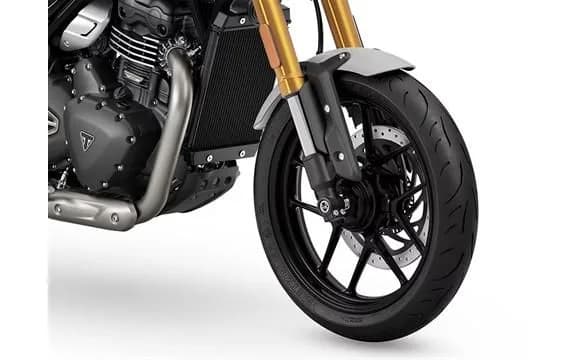
On the road, this translates to a vastly different experience. The Speed 400 reaches a top speed of 147 km/h, while the CB 350 tops out at 121 km/h. The Triumph is widely praised for its highway cruising and effortless overtaking capability. The distributor in Nepal highlights the inclusion of 43mm upside-down Big Piston forks with 140mm wheel travel, which helps provide a smooth riding experience on bad roads. While some owners find the engine heat noticeable in city traffic, the punchy mid-range torque makes it agile.
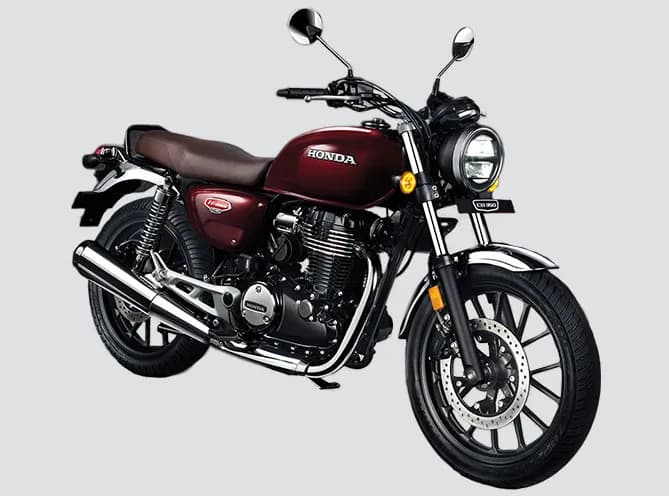
The Honda engine is the benchmark for refinement. It is celebrated for having minimal vibrations even at higher speeds and providing smooth power delivery. However, it cannot match the Triumph's pick-up in city traffic or its high-speed stability.
Gearbox and Clutch Performance
Both motorcycles are level in terms of clutch technology. The Triumph Speed 400 and Honda CB 350 DLX both feature a slip and assist clutch. For the Triumph, the distributor emphasizes that this makes changing gears easier in city traffic, a claim that aligns with owner experiences of a light and predictable clutch pull.
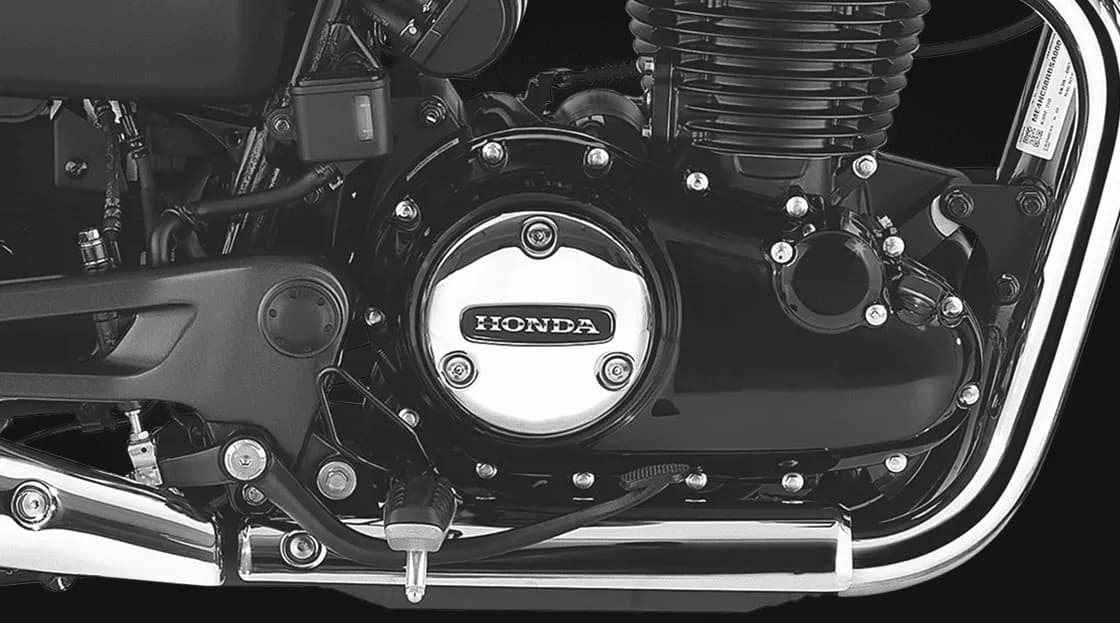
The Triumph uses a 6-speed gearbox, which is better suited for highway speeds, while the Honda utilizes a 5-speed unit. The Honda gearbox is noted for its buttery smooth action, making it one of the most user-friendly transmissions in the segment.
Ergonomics and Fit: Agility in the City
Ergonomics and weight make a massive difference in how these bikes feel on Nepali roads. The Triumph Speed 400 leads here with a kerb weight of 170 kg, making it 17 kg lighter than the Honda CB 350 DLX, which weighs 187 kg. This weight difference is immediately apparent when filtering through traffic or maneuvering in tight parking spots.
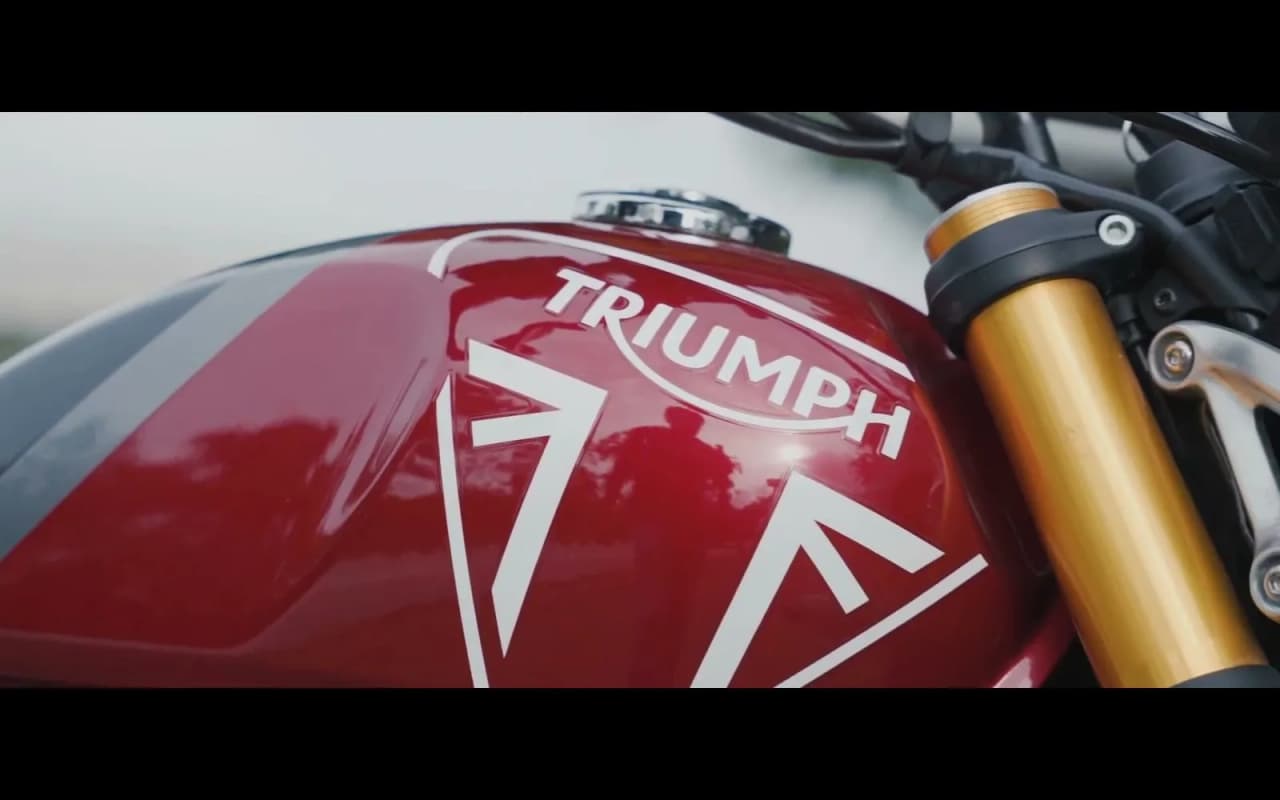
The Speed 400 has been praised for its upright, neutral seating position and an accessible seat height of 800 mm, which reduces fatigue during daily rides and makes it approachable for shorter riders. Pillion comfort and seat cushioning over long distances are also reported as strong points for the Triumph. The Honda CB 350 also offers a comfortable upright posture and a long seat, but its heavier weight requires more effort to manage at low speeds.
Braking Feel and Safety Standards
Safety hardware is robust on both machines, though the feel differs. Both use disc brakes at the front and rear with ABS. The Triumph Speed 400 features a 300mm front disc and a 230mm rear disc. Opinions on its braking feel are split, with some riders finding the initial bite to be adequate but lacking the sharpness of sportier bikes.
The Honda CB 350 includes the Honda Selectable Torque Control (HSTC) system, which manages rear-wheel slip on slippery surfaces. While its dual-channel ABS is a welcome standard, some have noted that the rear braking performance is not always optimized for all riding conditions.
Ride Quality and Handling
Handling is where the Triumph's modern architecture shines. With a shorter wheelbase of 1377 mm compared to the Honda’s 1441 mm, the Speed 400 is much more eager to tip into corners. The ride quality on broken roads is a point of contention; while the USD forks are high-end, the suspension can feel firm over sharp potholes.
The Honda CB 350 offers a more relaxed, stable ride. Its longer wheelbase provides excellent straight-line stability, though the suspension can feel stiff when encountering rough or off-road terrain. The ground clearance of both bikes is nearly identical, with the Triumph at 164 mm and the Honda at 165 mm, both requiring care over large speed breakers.
Features, Tech, and Connectivity
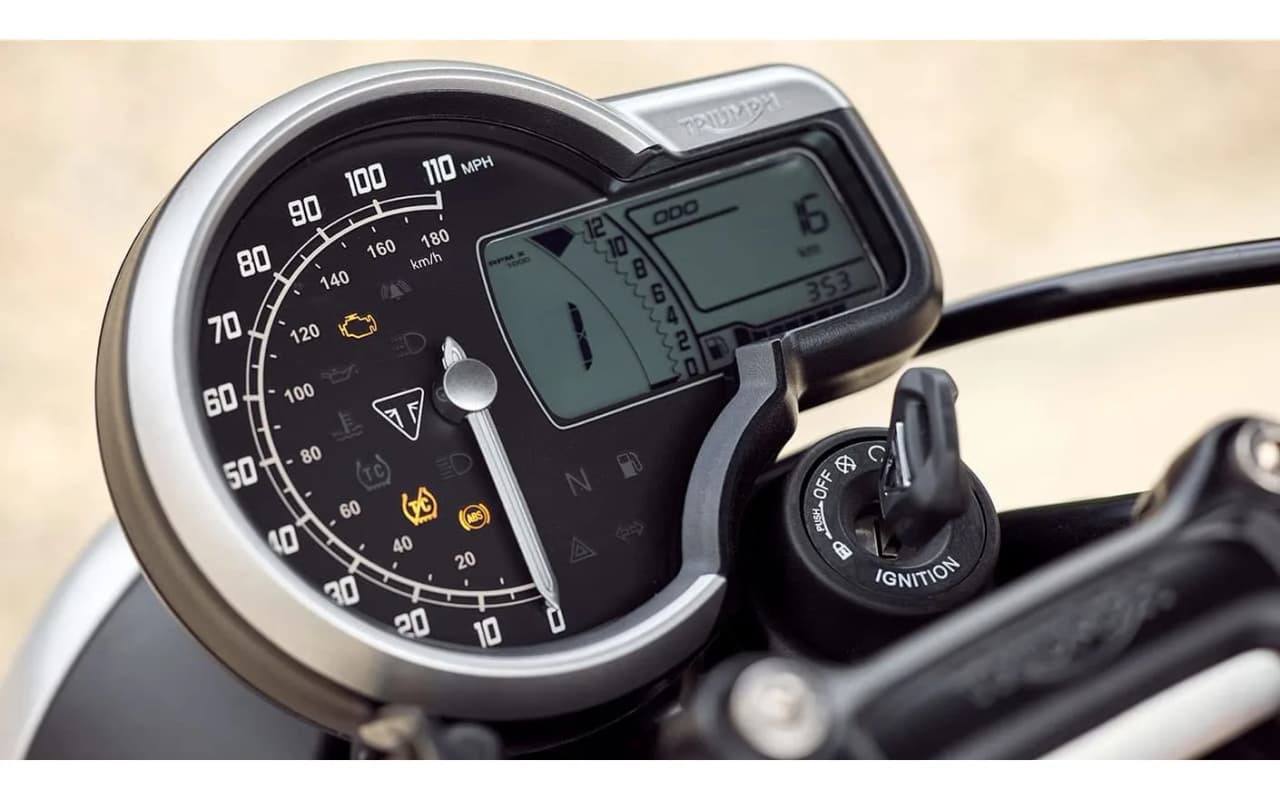
Technologically, both bikes are relatively basic. The Triumph Speed 400 uses a semi-digital instrument cluster, which has been criticized for lacking Bluetooth connectivity or navigation. The Honda CB 350 DLX uses a digital console that provides useful data like real-time fuel economy and distance to empty, but it also lacks integrated navigation support.
Both motorcycles feature LED headlamps and tail lamps. While the Triumph provides a modern look, the Honda uses ring-type winkers and a classic round headlamp that many find insufficient for high-speed night riding on unlit highways.

Design Philosophy and Finish Quality
The Triumph Speed 400 distributor focuses on its "Modern Classic roadster design," aiming to provide a classic look with a modern body. It features premium components like a cast aluminum swingarm and high-quality paint finishes. However, its compact dimensions can feel small for very tall riders.
The Honda CB 350 is a pure retro-classic. It relies on its road presence and heavy use of metallic finishes to attract buyers. The build quality is excellent, reflecting Honda’s premium standards, though the high asking price has led many to question if the aesthetic justifies the premium over rivals.
Showroom and Service: The Reach Factor
This is the deciding factor for many buyers outside the Kathmandu Valley. The Honda CB 350 has a massive advantage in reach. Honda has 146 showrooms and 137 service centres across Nepal. Their network extends to cities including Attariya, Baglung, Banepa, Bardibas, Besisahar, and Bhadrapur, ensuring that owners can find support almost anywhere.
In contrast, Triumph is a newer premium brand in Nepal. While they have 10 showrooms and 13 service centres, their presence is currently limited to the Kathmandu Valley and cities like Bharatpur, Butwal, Dhangadhi, Ghorahi, Hetauda, and Itahari. For a buyer located far from these hubs, the Honda is the safer investment.
Owner Feedback and Market Sentiment
Owners of the Triumph Speed 400 frequently praise its punchy low-end torque and agile handling, which make it a joy to ride in traffic. However, there are ongoing worries regarding engine heat and the higher cost of maintenance compared to mass-market brands. Some owners also noted that the engine can feel flat below 4,000 rpm due to its short-stroke nature.
Owners of the Honda CB 350 consistently highlight the refined engine and overall riding comfort. It is often cited as the smoothest bike in its class. On the negative side, owners worry about the high cost of periodic maintenance every 6,000 kilometers and the lack of console features like navigation. There is also a common sentiment that the asking price is steep for the performance offered.
Pricing and Trim Value in Nepal
In the Nepali market, the price difference is stark. The Triumph Speed 400 is available in one variant at Rs 7.2 lakh. It offers significantly more power and higher-spec hardware (like USD forks and a liquid-cooled engine) for a much lower price than the Honda.
The Honda CB 350 is available in two variants:
- CB 350: Rs 9.25 lakh
- DLX: Rs 9.26 lakh
Choosing the DLX over the base CB 350 costs an additional Rs 0.01 lakh, though the verified specifications show no significant functional difference between the two. The Honda commands a premium of over Rs 2 lakh compared to the Triumph, which is a significant hurdle for budget-conscious buyers.
Verdict: Which Should You Choose?
Choose the Triumph Speed 400 if:
- You weigh performance most; the 40 PS engine is significantly more powerful than the Honda’s 21 PS unit.
- You weigh ergonomics and fit most; its 170 kg kerb weight makes it much easier to handle than the 187 kg Honda.
- You are on a tighter budget; it is approximately Rs 2 lakh cheaper while offering more modern technology.
Choose the Honda CB 350 if:
- You live or travel frequently outside the Kathmandu Valley; Honda’s network of 137 service centres offers peace of mind that Triumph cannot yet match.
- You prioritize a relaxed, refined riding experience and lower fuel bills over raw speed.
- You prefer the traditional, heavy retro-classic feel and are willing to pay the Honda premium for long-term reliability and resale value.
For current variant-wise figures, see Triumph Speed 400 price in Nepal and Honda CB 350 price in Nepal — both pages are updated whenever a distributor changes a price.

FAQ
Is the Triumph Speed 400 high maintenance? The Speed 400 has a service interval of 8,000 km or 6 months. While its premium componentry may lead to higher costs for specific parts, it comes with a two-year unlimited mileage warranty to cover major issues.
Is the Honda CB350 worth buying? The CB 350 is worth considering for those who value refined torque, classic styling, and a widespread service network. However, its high price of Rs 9.25 lakh makes it less compelling for buyers focused solely on performance specs.
What are the problems with Triumph Speed 400? Commonly reported issues include noticeable engine heat in dense city traffic and a compact frame that may feel small for taller riders. Some also find the ground clearance of 164 mm low for rough rural roads.
How many years warranty for Triumph Speed 400? The Triumph Speed 400 comes with a two-year unlimited mileage warranty from the date of purchase.
Compare Triumph Speed 400 vs Honda CB 350 variant by variant
Category by category
Who leads where
| Category | Speed 400 | CB 350 |
|---|---|---|
| Running cost | — | Leads |
| PerformanceKey difference | Leads | — |
| Gearbox & clutch | Level | Level |
| Ergonomics & fitKey difference | Leads | — |
| Features & tech | Level | Level |
| Showroom & serviceKey difference | — | Leads |
Choose the Speed 400 if you weigh performance most; you weigh ergonomics & fit most.
Choose the CB 350 if service outside the Valley.
Leads and level come from the figures confirmed for both vehicles, the trims compared above; a category with a figure for only one of them is not scored. No points or scores: we track these vehicles, we do not road-test them.
Real buyers, real ownership
What owners are saying
Compiled owner and buyer discussion for each vehicle — likes, complaints and the questions buyers ask.
Explore full specifications, variants & ownership context
Compare the exact variants
Specifications, features & ownership context
Choose a variant for each vehicle. The facts below follow that exact trim; the article explains the trade-offs.
Latest catalog and directory records supplement the original analysis. Figures may have changed since publication; individual specification and price-check dates appear below.
Triumph Speed 400
Rs 7.2 lakh ex-showroom · source checked 15 Nov 2026
Honda CB 350
Rs 9.26 lakh ex-showroom · source-check date not recorded
Engine & performance
| Specification / feature | Triumph Speed 400 | Honda CB 350 |
|---|---|---|
| Engine displacement | 398.15 ccVerified specification · 31 Aug 2026 | 350 ccVerified specification · 25 Oct 2026 |
| Max power | 40 PSVerified specification · 12 Aug 2026 | 21.07–21.1 PSResearched · confirm · 18 Oct 2026 |
Brakes, tyres & suspension
| Specification / feature | Triumph Speed 400 | Honda CB 350 |
|---|---|---|
| ABS | ABSVerified specification · 12 Aug 2026 | ABSResearched · confirm · 1 Nov 2026 |
Dimensions & weight
| Specification / feature | Triumph Speed 400 | Honda CB 350 |
|---|---|---|
| Ground clearance | 164 mmResearched · confirm · 15 Sept 2026 | 165 mmResearched · confirm · 1 Nov 2026 |
Triumph Speed 400
Showroom & service support
Distributor: Hansraj Hulaschand & Co. Pvt. Ltd. (HH Bajaj – Triumph Motorcycles Nepal)
Triumph showrooms in Kathmandu (10 showrooms nationwide) · Triumph service centers in Kathmandu (13 service locations nationwide)
Listed cities include Bhaktapur, Bharatpur, Butwal, Dhangadhi, Ghorahi, Hetauda and 4 more.
Brand-wide directory coverage. Confirm that your nearest workshop supports this exact model, powertrain and warranty work; ask about parts availability and booking time.
Market buzz & buyer priorities
Compiled discussion, including buyer reactions and ownership reports; this is not a verified owner survey or a reliability score. Research dated 8 Oct 2026.
Concerns to investigate
- made in India by Bajaj may deter buyers
Honda CB 350
Showroom & service support
Distributor: Syakar Trading Company Pvt. Ltd.
Honda showrooms in Kathmandu (146 showrooms nationwide) · Honda service centers in Kathmandu (137 service locations nationwide)
Listed cities include Attariya, Baglung, Banepa, Barahathawa, Bardaghat, Bardibas and 77 more.
Brand-wide directory coverage. Confirm that your nearest workshop supports this exact model, powertrain and warranty work; ask about parts availability and booking time.
Market buzz & buyer priorities
Compiled discussion, including buyer reactions and ownership reports; this is not a verified owner survey or a reliability score. Research dated 29 Oct 2026.
What people like
- Extremely smooth and refined engine performance
- Premium build quality and classic retro aesthetics
- Comfortable upright seating posture for long rides
More feedback
- Strong low-end torque making city commuting easy
- Minimal vibrations even at higher highway speeds
- The CB 350 is generally viewed as refined, solidly built and comfortable for relaxed city and highway riding.
- Nepal-focused reviews praise its composed handling on hilly roads and dependable fuel-injected performance at changing altitudes.
- Honda’s brand reputation, service reach and expected resale value remain important positives for long-term ownership.
Concerns to investigate
- Suspension performance can feel stiff on rough or off-road terrain
- Concerns regarding service center professionalism and unnecessary upselling
- The asking price is widely considered high compared with competing 350cc motorcycles, especially the Royal Enfield Classic 350.
More feedback
- Its weight can make slow traffic, tight parking and rough urban roads less convenient.
- The suspension is described as somewhat firm, while the motorcycle offers no under-seat storage for daily carrying needs.
What buyers ask for
- Purchase price and whether the Honda premium is justified against the Royal Enfield Classic 350.
- Refinement, reliability, service access and expected resale value over several years.
- Weight and ease of handling in Kathmandu traffic, parking areas and steep roads.
Nepal ownership context
- Buyers in Nepal prioritize ground clearance and suspension durability due to varied road conditions.
- Resale value and long-term maintenance costs are key considerations for Nepali owners given the premium segment positioning.
- The 165–166 mm ground clearance is usable for Kathmandu and highway riding, but the motorcycle is not intended as a high-clearance off-road bike for severely broken roads.
More feedback
- Nepali buyers place value on Honda’s authorised service network and resale reputation, although the high purchase price remains a major barrier.
- The motorcycle’s fuel-injected engine is considered suitable for Nepal’s hill routes and altitude changes, while its 187 kg weight matters on steep, congested or uneven roads.
Use these facts alongside the article’s full analysis. Check the final quotation, warranty terms and exact equipment before booking.
Evidence & next steps
Check the details before you buy
Use this guide to build a shortlist. Ask for a written quotation for your chosen variant, including registration, taxes, insurance and finance charges. Confirm the nearest authorised workshop supports that model.
Price sources and dates
These are the recorded distributor-source checks for the selected overview trims. They are separate from the article update and catalog read dates; they do not mean every trim was rechecked today. Confirm the final price with the distributor.
Overview photos come from the corresponding model records; additional article photos carry their own credits. Running costs depend on usage, energy prices, maintenance, insurance and resale value.