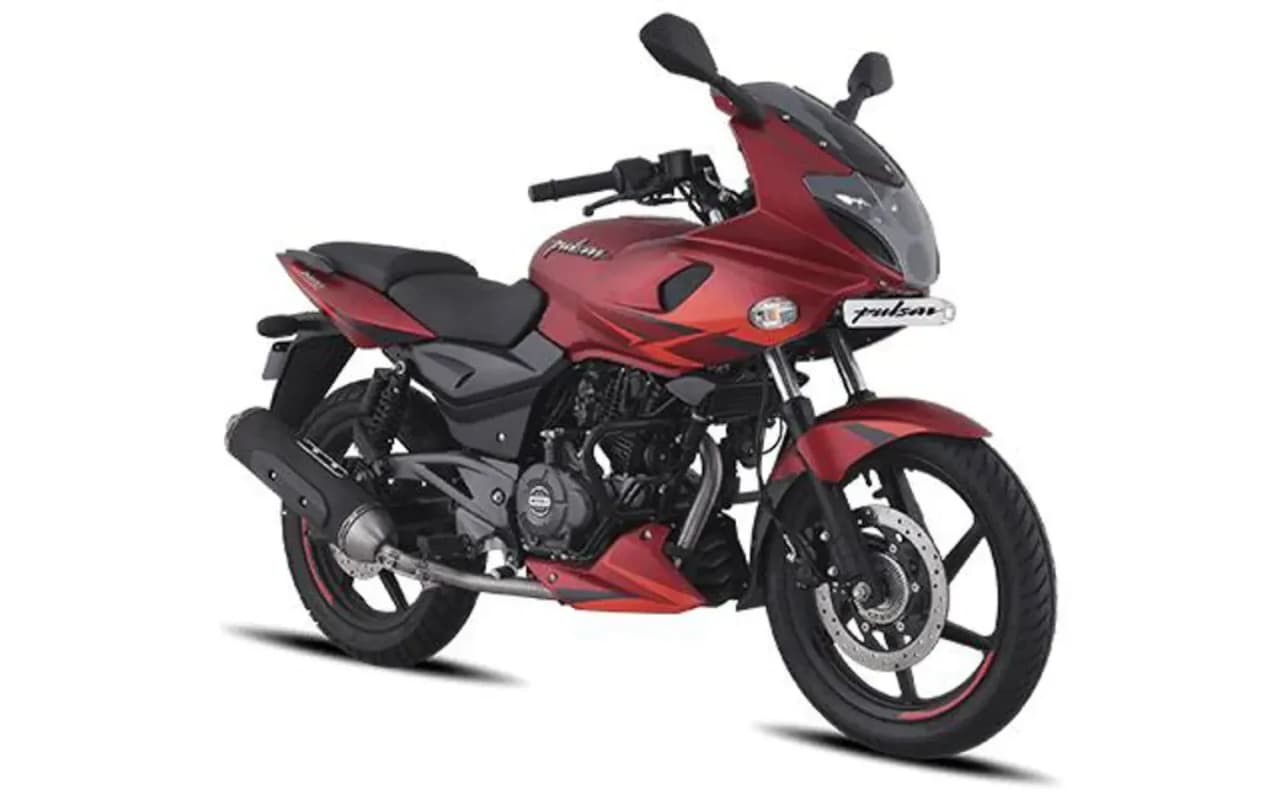
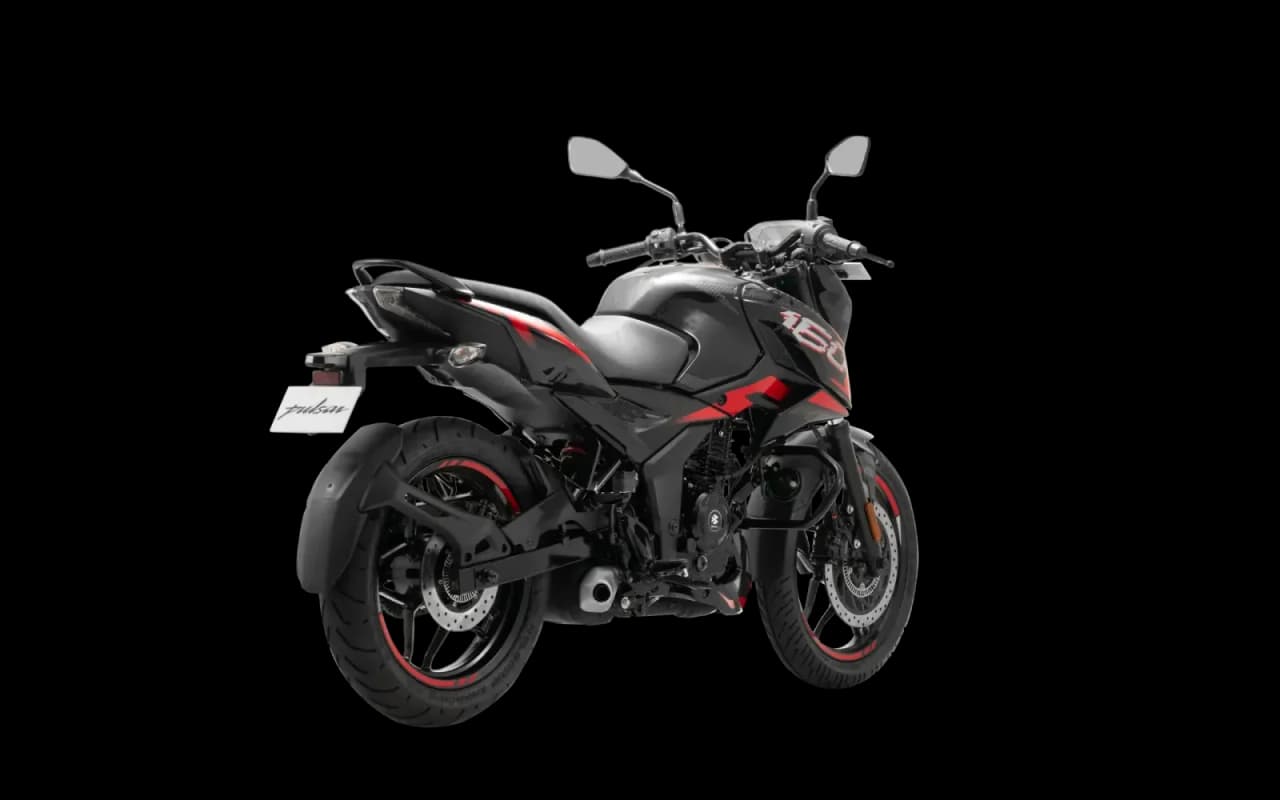
Start with the numbers
Compare at a glance
Available variants, with prices in Nepalese rupees.
| At a glance | Bajaj Pulsar 220F | Bajaj Pulsar N160 |
|---|---|---|
| Ex-showroom price | Rs 4.55 lakh | Rs 4.48 lakh |
| Fuel | Petrol | Petrol |
| Selected variant | Pulsar 220F | Pulsar N160 ABS |
| What owners say | Read owner feedback ↗ | Read owner feedback ↗ |
Ex-showroom prices exclude registration, road tax and insurance. Specifications can vary by trim. See individual source-check dates ↓
In owners' words
Why buy, and why think twice
Pulsar 220F
Why owners buy it
- Strong and reliable engine performance for both city and highway riding
- Iconic sporty design that remains relevant in the Nepali market
What gives owners pause
- Vibrations reported at higher RPMs during long-distance rides
- Headlight throw is often considered insufficient for night riding on unlit Nepali highways
Pulsar N160
Why owners buy it
- Class-leading braking safety with the dual-channel ABS system which is highly valued for Nepal's unpredictable road surfaces.
- Excellent LED projector headlamp performance providing superior visibility during night rides compared to competitors.
What gives owners pause
- Mud protection from the rear tire hugger is inadequate, often splashing mud onto the pillion during the monsoon season.
- Limited color options available in specific variants compared to the international market.
What owners and buyers report — their experience, not a test of ours.
Choosing between the Bajaj Pulsar 220F and the Bajaj Pulsar N160 in Nepal comes down to a choice between mechanical legacy and modern engineering. The decision rests on three main pillars: performance, features, and safety. If your priority is highway cruising and raw power, the Pulsar 220F remains the king of its class. However, if you weigh modern safety tech and engine refinement more heavily, the Pulsar N160 presents a compelling case. This guide breaks down how these two stack up on Nepali roads, from the streets of Kathmandu to the highways of the Terai.
Key facts: Bajaj Pulsar 220F vs Bajaj Pulsar N160
Figures from our catalog (the same as our model pages); prices are ex-showroom in Nepal.
| Fact | Bajaj Pulsar 220F | Bajaj Pulsar N160 |
|---|---|---|
| Ex-showroom (Nepal) | Rs 4.55 lakh | Rs 4.48 lakh |
| Torque | 18.55 Nm | 14.65 Nm |
| Ground clearance | 165 mm | 165 mm |
| Nepal distributor | Hansraj Hulaschand & Co. Pvt. Ltd. (HH Bajaj) | Hansraj Hulaschand & Co. Pvt. Ltd. (HH Bajaj) |
Fuel Economy and Daily Expenses
Both motorcycles are level in fuel efficiency, with each carrying a claimed mileage of 40 km/l. This means your daily fuel bills will be similar regardless of which one you choose. The Bajaj Pulsar 220F has a slightly larger fuel tank at 15 L, while the Bajaj Pulsar N160 ABS carries 14 L. In real-world usage, owners have mixed opinions on whether the 220F consistently hits that mark, while the N160's fuel economy is a frequently raised topic without a clear lean in either direction. For most buyers, the 1-litre difference in tank capacity is negligible for city use.
Read next: Bajaj Pulsar 220F review · Bajaj Pulsar N160 review · Pulsar 220F vs Ronin
Power and Highway Capability
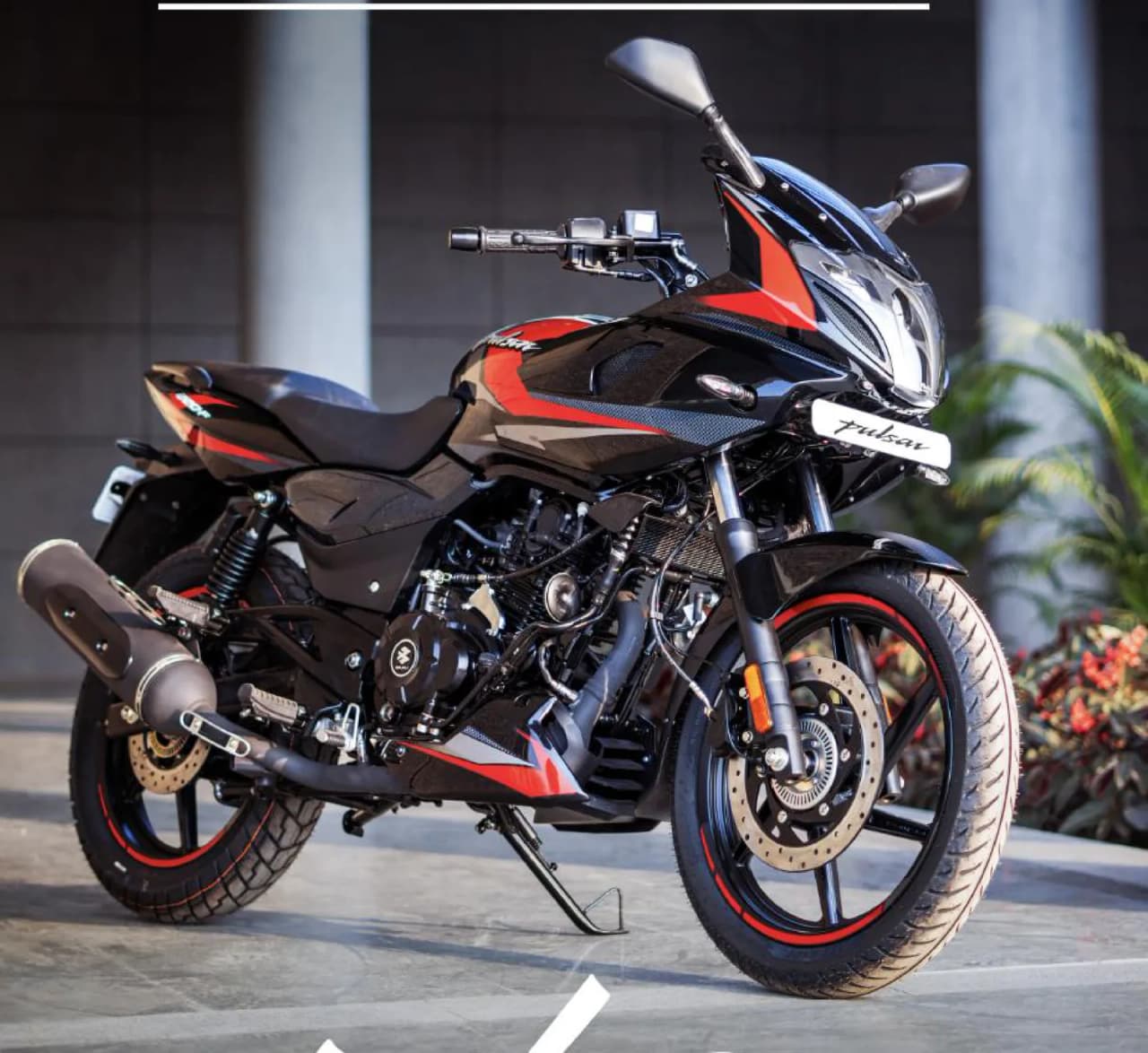
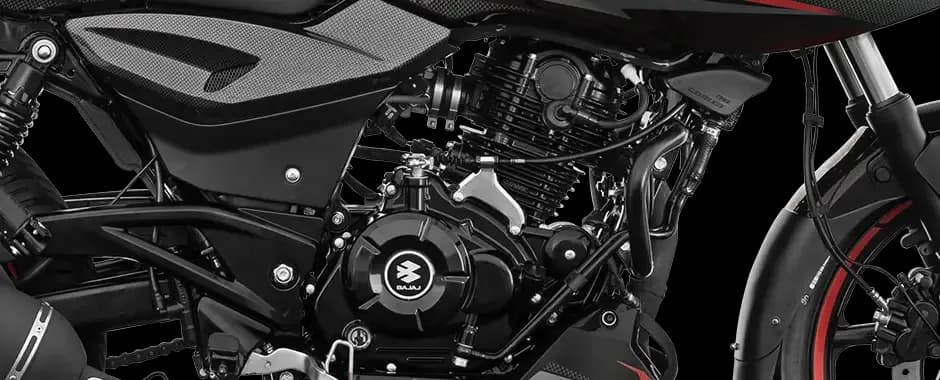
The Bajaj Pulsar 220F is the clear leader in raw performance. Its 220 cc oil-cooled engine produces 15.37 kW (20.9 PS) at 8500 RPM and 18.55 Nm of torque. The Nepal distributor highlights this "Twin Spark FI DTS-i engine" for its ability to deliver strong power for confident overtaking and steady highway rides. On the other hand, the Bajaj Pulsar N160 ABS uses a 164.82 cc air-cooled engine that generates 16 PS and 14.65 Nm of torque.
The difference in displacement translates to a significant gap in top speed. The 220F can reach 136 km/h, making it much better suited for long-distance touring compared to the N160, which tops out at 120 km/h. While the 220F is often criticized for its slow pick-up in dense city traffic, its effortless mid-range pull makes it a favourite for hilly terrain. Conversely, the N160 engine is noted for its refinement and lack of vibrations, though it is often criticized for lacking the top-end punch required for aggressive highway cruising.
Transmission and Gear Shifts
Both bikes use a 5-speed constant mesh gearbox. The Bajaj Pulsar 220F uses a standard 1 Down 4 Up shifting pattern that has remained unchanged for years. The Bajaj Pulsar N160 ABS also features a 5-speed gearbox, but it has been widely praised for its smooth shifting and light clutch feel. While the hardware is similar on paper, the N160 offers a more modern, effortless shifting experience that reduces fatigue during stop-and-go commuting in the Valley.
Ground Clearance and Riding Position
Ground clearance is a critical factor for Nepal's speed breakers and uneven roads, and both bikes sit level at 165 mm. However, the riding experience differs. The Bajaj Pulsar 220F has a seat height of 805 mm and features contoured split seats that are praised for their comfort over long rides. The Bajaj Pulsar N160 ABS has a lower seat height of 795 mm, making it more accessible for shorter riders.
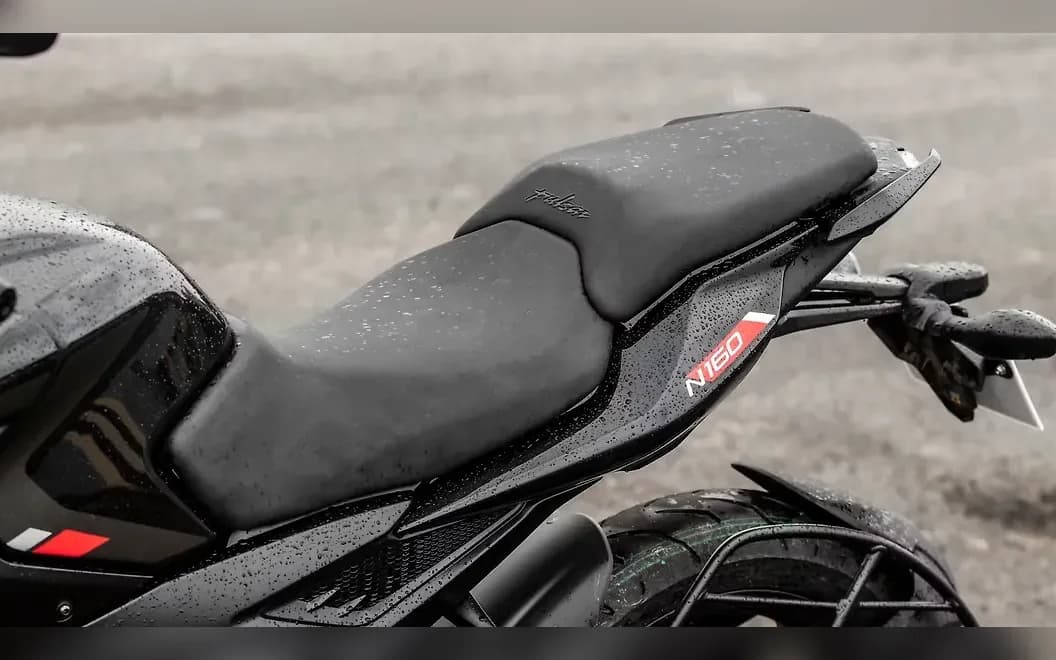
The N160 has been praised for its natural riding position, which balances sportiness with comfort. However, some owners have noted that the 165 mm ground clearance on the N160 can feel low when carrying a heavy pillion over large potholes. The 220F is widely recognized for superior pillion comfort, making it a better choice for those who frequently ride with a passenger.
Control and Braking Safety
The Bajaj Pulsar N160 ABS takes a significant lead in safety. It features a larger 300 mm front disc brake compared to the 280 mm disc on the Bajaj Pulsar 220F. Both bikes use a 230 mm rear disc. The N160 is equipped with segment-first dual-channel ABS, which provides a massive safety advantage on the unpredictable and often slippery road surfaces found across Nepal.
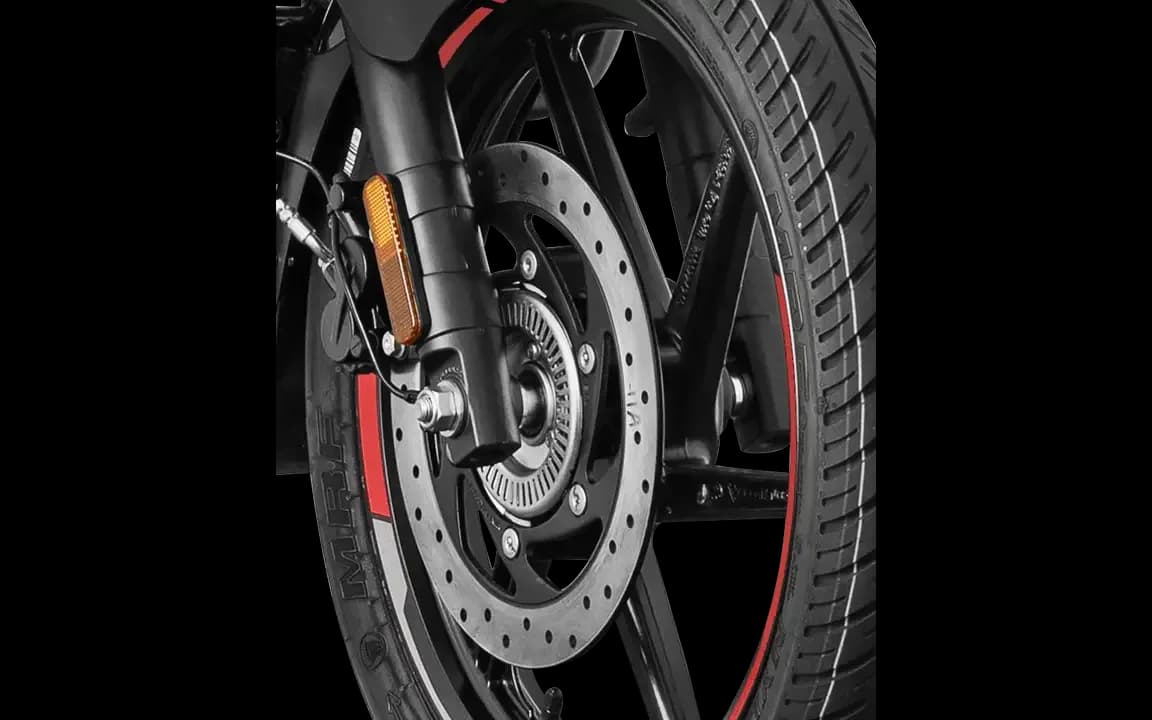
The N160 includes traction control, a feature that helps prevent wheelspin on gravel or wet asphalt. While the 220F also features ABS, it lacks the advanced safety aids and the larger rotor size of its sibling. Braking feel on both bikes is a topic of debate among riders, with some finding them sharp and others wanting more progressive feedback, but the technical advantage clearly sits with the N160.
Handling and Suspension
In terms of ride quality, the two bikes take different approaches. The Bajaj Pulsar 220F uses traditional telescopic front forks and 5-way adjustable nitrox shock absorbers at the rear. The maker emphasizes that this adjustable suspension helps keep handling steady across different road conditions. The Bajaj Pulsar N160 ABS features modern Upside-Down (USD) forks and a rear monoshock.
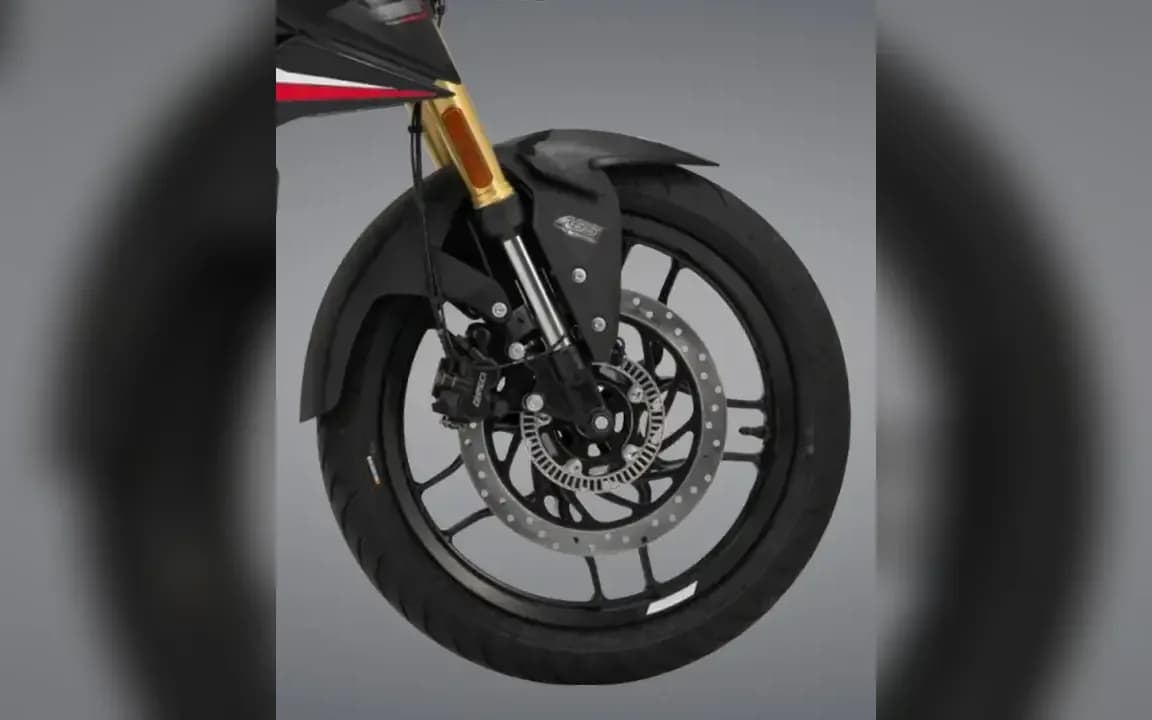
The N160's setup has been praised for providing excellent ride quality on broken roads, a common sight in Nepali cities. While the 220F has a shorter wheelbase at 1350 mm compared to the 1358 mm of the N160, it is still highly regarded for its stability and cornering capability. The N160 uses wider tyres—100/80-17 at the front and 130/70-17 at the rear—providing a larger contact patch than the 220F's 90/90 and 120/80 setup.
Connectivity and Lighting
The Bajaj Pulsar N160 ABS leads in lighting technology. It features a bi-functional LED projector headlamp with LED DRLs, which the maker pushes as a way to ensure a brighter road at night. This is a useful feature for Nepali riders who often navigate poorly lit sections of the Ring Road or rural highways. The Bajaj Pulsar 220F uses a standard projector setup that some find insufficient for dark highway riding.
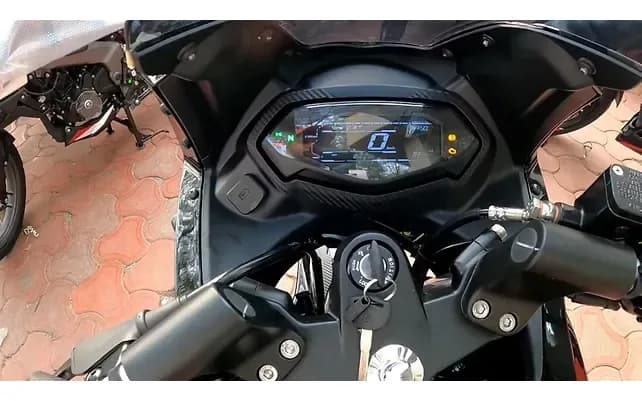
Technologically, both bikes are now equipped with Bluetooth-enabled digital consoles that offer mobile notifications and turn-by-turn navigation. The maker highlights the 220F's ride connect app integration as a key feature. However, the 220F console is often criticized for its dated design compared to newer rivals. The N160 adds a USB charging port, providing a level of convenience for daily commuters that the 220F lacks.
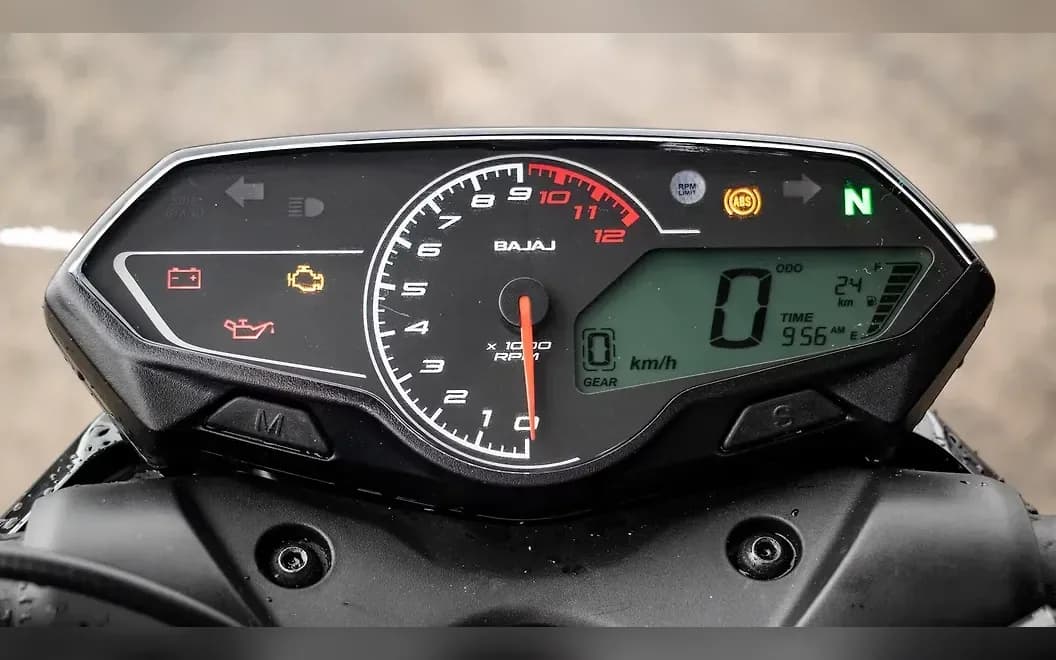
Styling and Aerodynamics
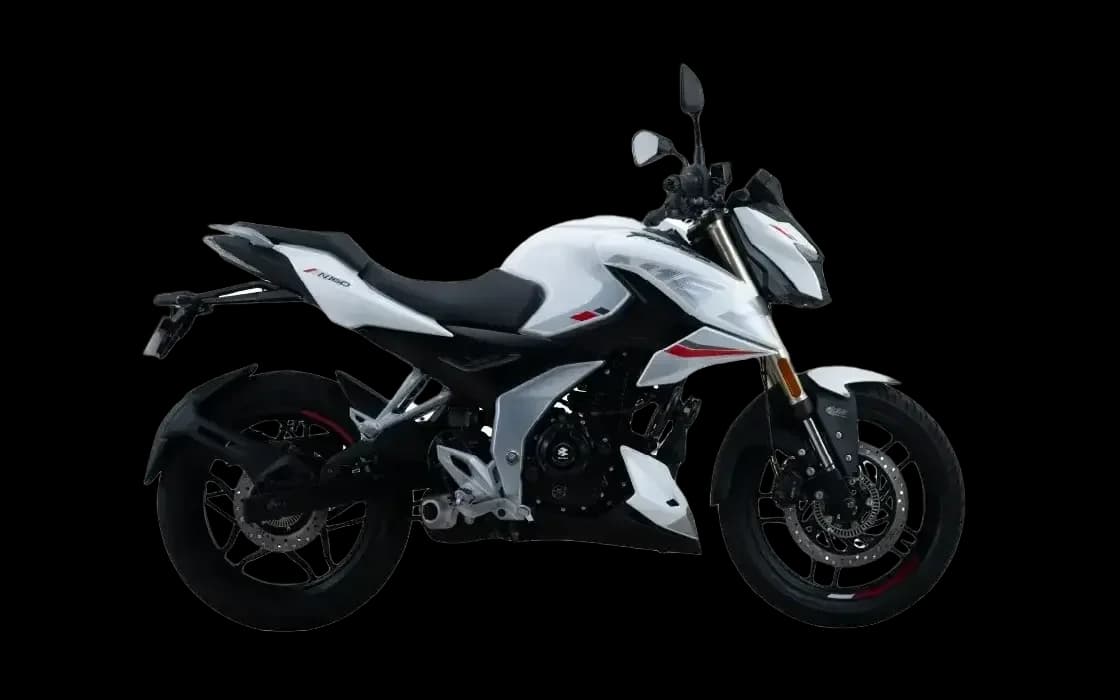
The Bajaj Pulsar 220F is defined by its iconic semi-fairing design. The Nepal distributor notes that this design is intended to reduce wind blast, making highway rides smoother for the rider. It also features next-gen LED indicators and striking new graphics. The Bajaj Pulsar N160 ABS follows a modern naked streetfighter aesthetic with a "glitter pattern" LED tail lamp and a sharper, more aggressive stance. While both have LED tail lamps, the 220F is often praised for its build and finish quality, even if the overall design is considered dated by some.
Availability and Brand Support
Both bikes benefit from the extensive reach of the authorized distributor, Hansraj Hulaschand & Co. Pvt. Ltd. (HH Bajaj). Bajaj has 172 showrooms across Nepal and 150 service centres available for maintenance. This massive network includes service centers in Kathmandu, Birgunj, Dhangadhi, Bharatpur, Birtamode, Inaruwa, and Lalitpur, as well as locations like Aanbu Khaireni, Attariya, Baglung, Banepa New, and Banganga. Because they share the same brand ecosystem, spare parts availability and resale value are high for both models, ensuring that ownership remains relatively stress-free regardless of your location.
Owner Experiences and Reliability
Owners of the Bajaj Pulsar 220F frequently praise the engine's long-term durability and its ability to maintain speed on long climbs. However, a common worry involves the vibrations felt through the handlebars and footpegs at higher RPMs. The heavy fairing, while good for wind protection, can feel bulky when filtering through dense Kathmandu traffic.
For the Bajaj Pulsar N160 ABS, owners are generally impressed with the refined engine and the superior braking safety offered by the dual-channel ABS. The main concerns raised include the 2-valve engine's lack of energy at high speeds and the rear tyre hugger, which many find inadequate for stopping mud splashes during the monsoon. The 165 mm ground clearance is also a point of caution for those riding with pillions on rougher roads.
Variants and Choice of Trim
When comparing the top-end versions of both bikes, the price gap is narrow.
- Bajaj Pulsar 220F: The single variant available is the Pulsar 220F, priced at Rs 4.55 lakh (NPR 4,54,900).
- Bajaj Pulsar N160: The primary variant in this comparison is the Pulsar N160 ABS, priced at Rs 4.48 lakh (NPR 4,47,900).
The Rs 7,000 difference is minimal in this price bracket. If you choose the N160, you are paying for modern safety and suspension tech. If you choose the 220F, you are paying for a larger, more powerful engine and the wind protection of a fairing.
Verdict: Which Should You Buy?
- Choose the Pulsar 220F if you need more power for highway overtaking and frequently travel on hills or rough roads. Its 20.9 PS engine and stable touring ergonomics make it the better choice for long-distance riders and those who prioritize engine displacement over modern gadgets.
- Choose the Pulsar N160 if you weigh braking and safety most heavily. Its 300 mm front disc and dual-channel ABS provide a level of security the 220F cannot match. It is also the better choice for tech-focused riders who want an LED projector headlamp, USB charging, and a refined, vibration-free urban riding experience.
Both bikes offer a 5-year warranty and a claimed mileage of 40 km/l, so your long-term running costs and brand support will be identical. The decision ultimately rests on whether you prefer the raw, proven performance of the 220F legend or the sophisticated, safer package of the modern N160.
For current variant-wise figures, see Bajaj Pulsar 220F price in Nepal and Bajaj Pulsar N160 price in Nepal — both pages are updated whenever a distributor changes a price.
FAQ
What is the warranty period for the Bajaj Pulsar N160 and 220F? Both motorcycles come with a 5-year comprehensive warranty from the distributor in Nepal. For the N160, this is specified as 5 years or 75,000 km, whichever occurs earlier.
Is the Pulsar 220F good for long rides? Yes, it is highly regarded for long-distance touring due to its comfortable seating posture and a semi-fairing that reduces wind blast at higher speeds. However, some riders find the vibrations at high RPMs to be fatiguing on very long journeys.
What are the common problems with the Pulsar N160? Owners have noted that the 165 mm ground clearance can be a bit low for large speed breakers when carrying a pillion. The 2-valve engine configuration can feel less powerful at high speeds on open highways compared to more powerful rivals.
Compare Bajaj Pulsar 220F vs Bajaj Pulsar N160 variant by variant
Category by category
Who leads where
| Category | Pulsar 220F | Pulsar N160 |
|---|---|---|
| Running cost | Level | Level |
| PerformanceKey difference | Leads | — |
| Gearbox & clutch | Level | Level |
| Ergonomics & fit | Level | Level |
| Braking & safetyKey difference | — | Leads |
| Ride & handling | Level | Level |
| Features & techKey difference | — | Leads |
| Design | Level | Level |
| Showroom & service | Level | Level |
Choose the Pulsar 220F if more power; hills and rough roads.
Choose the Pulsar N160 if you weigh braking & safety most; you weigh features & tech most.
Leads and level come from the figures confirmed for both vehicles, the trims compared above; a category with a figure for only one of them is not scored. No points or scores: we track these vehicles, we do not road-test them.
Real buyers, real ownership
What owners are saying
Compiled owner and buyer discussion for each vehicle — likes, complaints and the questions buyers ask.
Explore full specifications, variants & ownership context
Compare the exact variants
Specifications, features & ownership context
Choose a variant for each vehicle. The facts below follow that exact trim; the article explains the trade-offs.
Latest catalog and directory records supplement the original analysis. Figures may have changed since publication; individual specification and price-check dates appear below.
Bajaj Pulsar 220F
Rs 4.55 lakh ex-showroom · source checked 22 Nov 2026
Bajaj Pulsar N160
Rs 4.48 lakh ex-showroom · source checked 11 Nov 2026
Engine & performance
| Specification / feature | Bajaj Pulsar 220F | Bajaj Pulsar N160 |
|---|---|---|
| Engine displacement | 220 ccVerified specification · 13 Nov 2026 | 164.82 ccVerified specification · 20 Sept 2026 |
| Max power | 20.9 PSVerified specification · 13 Nov 2026 | 16 PSVerified specification · 20 Sept 2026 |
Brakes, tyres & suspension
| Specification / feature | Bajaj Pulsar 220F | Bajaj Pulsar N160 |
|---|---|---|
| ABS | ABSVerified specification · 4 Aug 2026 | ABSVerified specification · 20 Sept 2026 |
Dimensions & weight
| Specification / feature | Bajaj Pulsar 220F | Bajaj Pulsar N160 |
|---|---|---|
| Ground clearance | 165 mmVerified specification · 4 Aug 2026 | 165 mmVerified specification · 4 Nov 2026 |
Bajaj Pulsar 220F
Showroom & service support
Distributor: Hansraj Hulaschand & Co. Pvt. Ltd. (HH Bajaj)
Bajaj showrooms in Kathmandu (172 showrooms nationwide) · Bajaj service centers in Kathmandu (150 service locations nationwide)
Listed cities include Aanbu Khaireni, Attariya, Baglung, Banepa, Banepa New, Banganga and 88 more.
Brand-wide directory coverage. Confirm that your nearest workshop supports this exact model, powertrain and warranty work; ask about parts availability and booking time.
Market buzz & buyer priorities
Compiled discussion, including buyer reactions and ownership reports; this is not a verified owner survey or a reliability score. Research dated 21 Nov 2026.
What people like
- Strong and reliable engine performance for both city and highway riding
- Iconic sporty design that remains relevant in the Nepali market
- Good touring capability with a comfortable seating posture
More feedback
- Wide availability of spare parts and service network through HH Bajaj
- Nepali riders continue to describe the Pulsar 220F as an old reliable motorcycle with strong brand familiarity.
Concerns to investigate
- Vibrations reported at higher RPMs during long-distance rides
- Headlight throw is often considered insufficient for night riding on unlit Nepali highways
- Dated instrument cluster compared to newer generation motorcycles
More feedback
- Some Nepali riders identify the headlight beam and corner visibility as the main weakness, especially around turns.
Nepal ownership context
- The Pulsar 220F is officially distributed in Nepal by Hansraj Hulaschand & Co. Pvt. Ltd. (HH Bajaj).
- The bike is highly regarded for its resale value in the Nepali second-hand market.
- Service centers are widely accessible across major cities like Kathmandu, Pokhara, and Chitwan.
More feedback
- The Bajaj Pulsar 220F is sold in Nepal through Hansraj Hulaschand & Co. Pvt. Ltd. under the HH Bajaj network.
- Nepali discussion presents the 220F as a practical city-and-highway motorcycle, while riders who regularly travel rough off-road routes are advised to consider a motorcycle designed more specifically for that use.
- The 220F’s 165 mm ground clearance and 160 kg kerb weight make road suitability and handling important buying considerations on Nepal’s uneven roads.
Bajaj Pulsar N160
Showroom & service support
Distributor: Hansraj Hulaschand & Co. Pvt. Ltd. (HH Bajaj)
Bajaj showrooms in Kathmandu (172 showrooms nationwide) · Bajaj service centers in Kathmandu (150 service locations nationwide)
Listed cities include Aanbu Khaireni, Attariya, Baglung, Banepa, Banepa New, Banganga and 88 more.
Brand-wide directory coverage. Confirm that your nearest workshop supports this exact model, powertrain and warranty work; ask about parts availability and booking time.
Market buzz & buyer priorities
Compiled discussion, including buyer reactions and ownership reports; this is not a verified owner survey or a reliability score. Research dated 18 Nov 2026.
What people like
- Class-leading braking safety with the dual-channel ABS system which is highly valued for Nepal's unpredictable road surfaces.
- Excellent LED projector headlamp performance providing superior visibility during night rides compared to competitors.
- Highly refined engine with minimal vibrations, offering a smooth urban commuting experience.
More feedback
- Strong low-end and mid-range torque makes it ideal for navigating through dense Kathmandu traffic.
Concerns to investigate
- Ground clearance of 165mm can be slightly low when navigating deep potholes or large speed breakers with a pillion.
- The 2-valve engine configuration feels less energetic at the top-end compared to 4-valve rivals on open highways.
- Mud protection from the rear tire hugger is inadequate, often splashing mud onto the pillion during the monsoon season.
More feedback
- Limited color options available in specific variants compared to the international market.
- Some riders dislike the N160’s basic-looking digital display compared with the Apache RTR 160 4V’s more feature-rich TFT-style interface.
What buyers ask for
- Headlight brightness for poorly lit roads
- Ease of maintenance and spare part costs
Nepal ownership context
- Hansraj Hulaschand & Co. Pvt. Ltd. (HH Bajaj) provides the most extensive service network in Nepal, ensuring easy access to spare parts.
- Retains high resale value in the Nepali market due to the strong legacy of the Pulsar brand.
- The 14-liter fuel tank combined with good mileage makes it suitable for medium-distance tours like Kathmandu to Pokhara.
More feedback
- Pricing is competitive for the feature set, especially the safety tech which is a priority for local buyers.
- Nepali buyers repeatedly compare the N160’s service reach, spare-parts access and resale familiarity with newer competing brands before purchasing.
- The motorcycle is considered practical for Kathmandu-style commuting and mixed Nepal roads, but buyers still check ground clearance, suspension comfort and pillion usability before purchase.
- Resale depends strongly on service history, accident-free condition and maintenance records, rather than only on the Pulsar badge.
Use these facts alongside the article’s full analysis. Check the final quotation, warranty terms and exact equipment before booking.
Evidence & next steps
Check the details before you buy
Use this guide to build a shortlist. Ask for a written quotation for your chosen variant, including registration, taxes, insurance and finance charges. Confirm the nearest authorised workshop supports that model.
Price sources and dates
These are the recorded distributor-source checks for the selected overview trims. They are separate from the article update and catalog read dates; they do not mean every trim was rechecked today. Confirm the final price with the distributor.
Overview photos come from the corresponding model records; additional article photos carry their own credits. Running costs depend on usage, energy prices, maintenance, insurance and resale value.