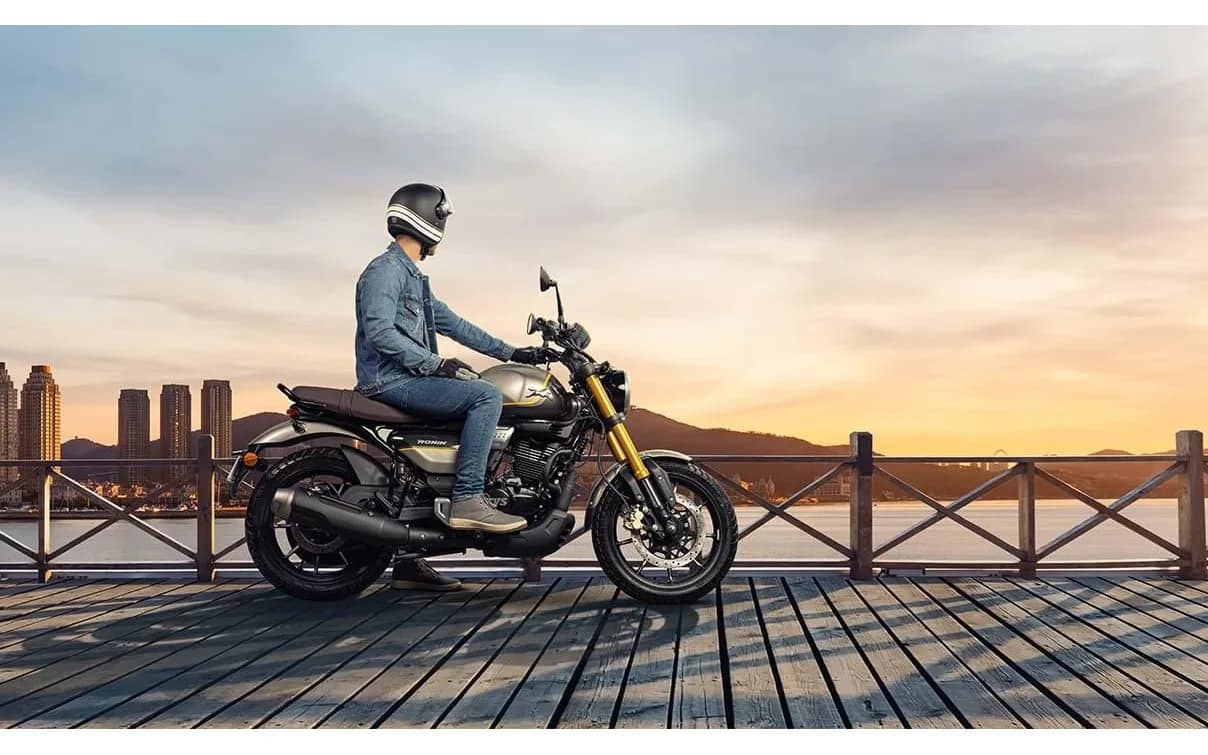
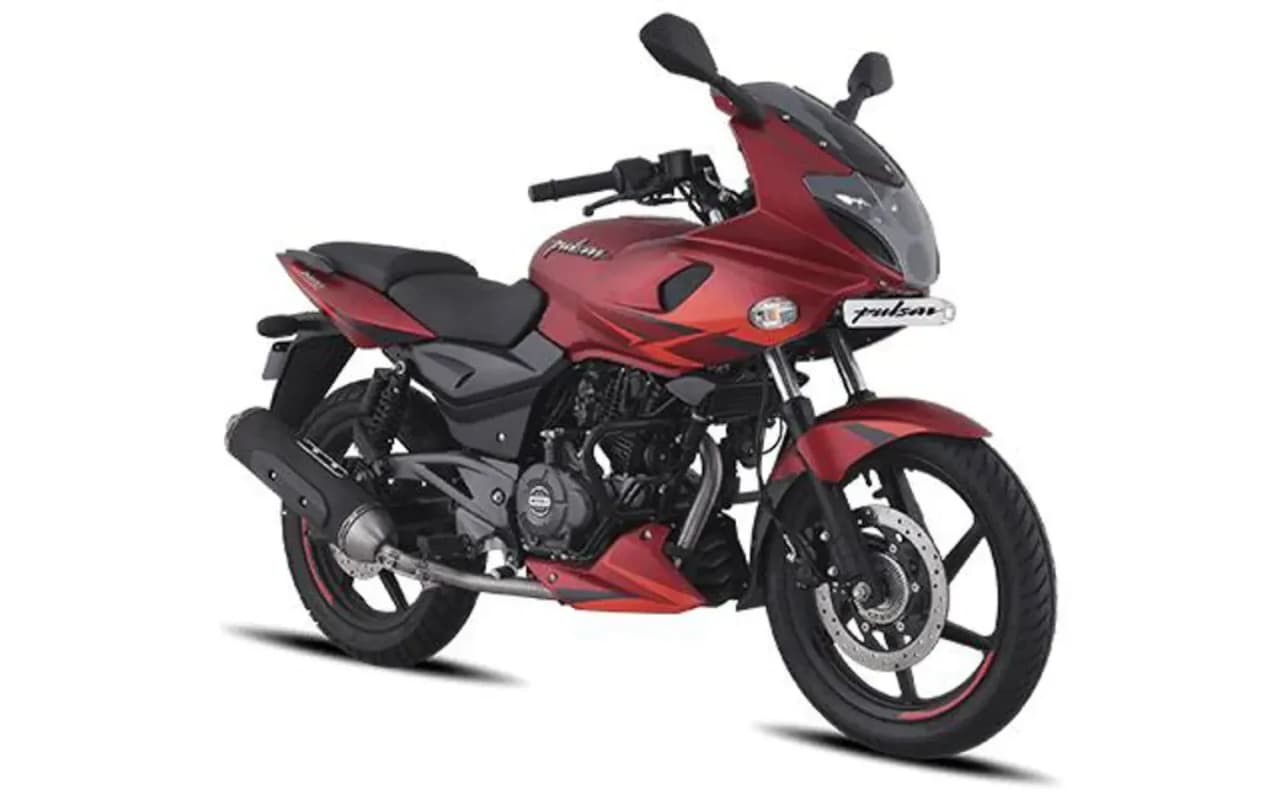
Start with the numbers
Compare at a glance
Top available variants, with prices in Nepalese rupees. Expand details to choose another variant.
| At a glance | TVS Ronin | Bajaj Pulsar 220F |
|---|---|---|
| Ex-showroom price | Rs 4.4 lakh | Rs 4.55 lakh |
| Fuel | Petrol | Petrol |
| Selected variant | Standard | (Single Channel ABS, FI BS6) |
| What owners say | Read owner feedback ↗ | Read owner feedback ↗ |
Ex-showroom prices exclude registration, road tax and insurance. Specifications can vary by trim. See individual source-check dates ↓
In owners' words
Why buy, and why think twice
Ronin
Why owners buy it
- Stylish, distinctive design stands out in traffic
- Smooth power delivery, adequate performance for city and relaxed highway cruising
What gives owners pause
- Heavy and difficult to handle at low speeds
- Service quality and dealership professionalism reported as poor by some owners
Pulsar 220F
Why owners buy it
- Availability of spare parts in almost every district is a major advantage
- New LED headlight and digital console modernize the classic design
What gives owners pause
- Significant vibrations felt through the handlebars and footpegs at high RPMs
- The heavy fairing can feel bulky in dense Kathmandu traffic
What owners and buyers report — their experience, not a test of ours.
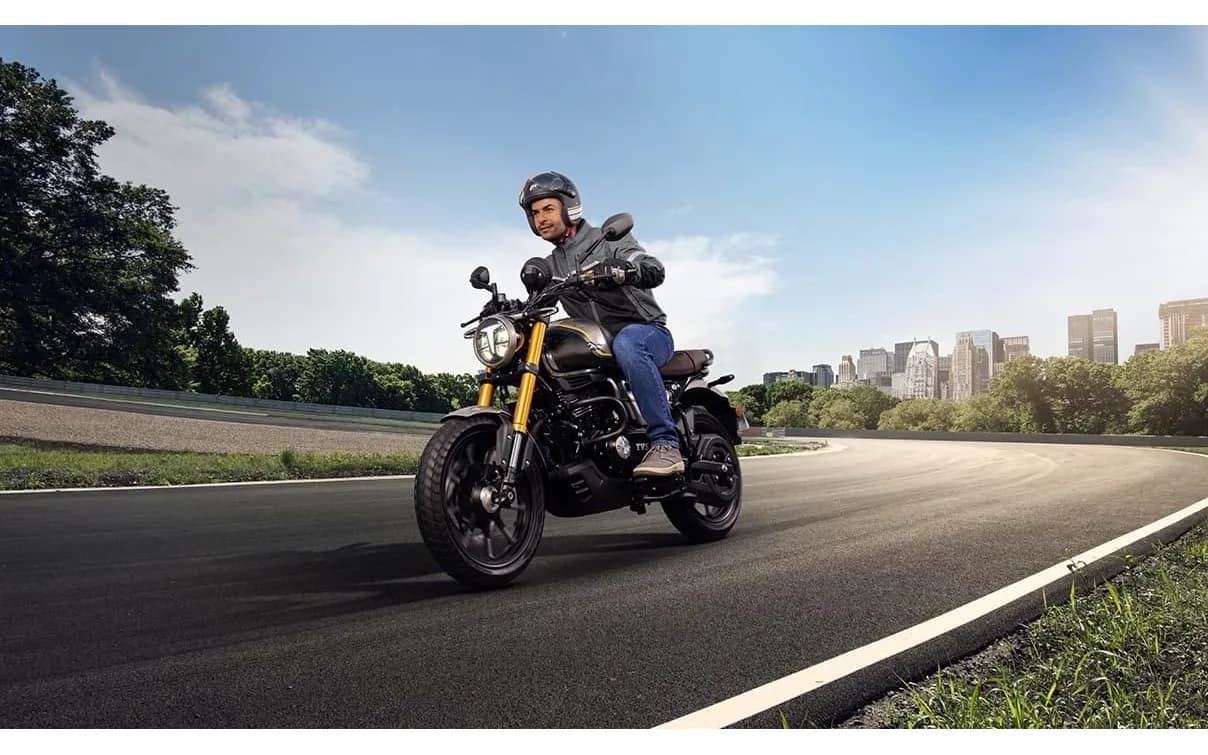
Choosing between the TVS Ronin and the Bajaj Pulsar 220F in Nepal involves weighing two very different philosophies. On one side, the TVS Ronin enters as a neo-retro specialist, blending modern tech with a scrambler-like stance. On the other, the Bajaj Pulsar 220F remains a staple of the Nepali highway, a semi-faired veteran that refuses to step down. While both compete in a similar price bracket, the decision for most buyers comes down to three deciding factors: features and tech, engine performance, and how the ergonomics handle Nepal's diverse terrain.
Modern Tech vs Proven Hardware
When looking at the technical offerings of these two machines, the TVS Ronin Standard holds a clear lead. It brings a level of sophistication that the Pulsar's older platform does not match. The Ronin features a signature T-shaped LED DRL and a full LED headlamp setup that provides a brighter, more consistent road view at night compared to the Pulsar's projector unit. The Ronin instrument cluster is a fully digital, offset circular unit that offers ride modes and gear position indicators, which some riders find more modern than the Pulsar's interface.
The Bajaj Pulsar 220F (Single Channel ABS, FI BS6) has recently been updated to include a Bluetooth-enabled digital console. This system displays phone notifications and navigation alerts, which the maker highlights as a key convenience for modern commuters. However, while the Pulsar has modernized its cockpit, its overall architecture remains rooted in its classic design. The Ronin response to this is a more comprehensive tech suite, including an assist and slipper clutch and the SmartXonnect system for navigation and telephony on higher trims.
Engine Character and Highway Reach
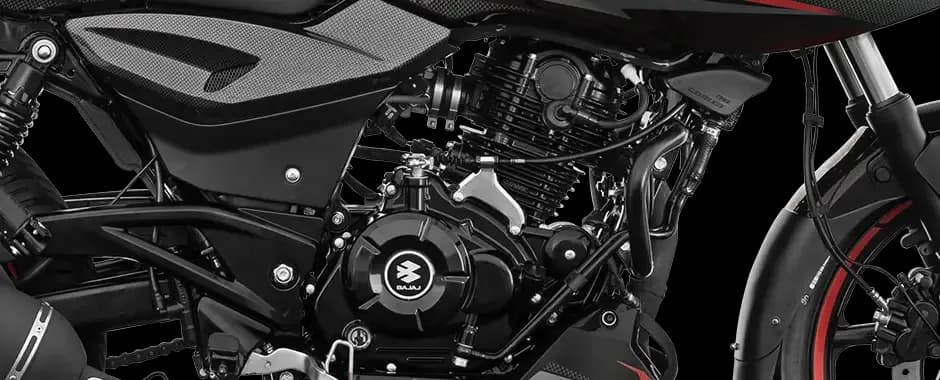
In terms of performance, the Bajaj Pulsar 220F (Single Channel ABS, FI BS6) takes the lead on top-end speed and high-rpm stability. Its 220 cc oil-cooled engine produces 20.4 PS of power, identical to the Ronin, but it is tuned for a higher top speed of 136 km/h. The Nepal distributor pushes the "Twin Spark FI DTS-i engine" as a performance machine built for confident overtaking on highways. This makes it a preferred choice for those who frequently travel between cities like Kathmandu and Pokhara, where sustained speed and wind protection are vital.
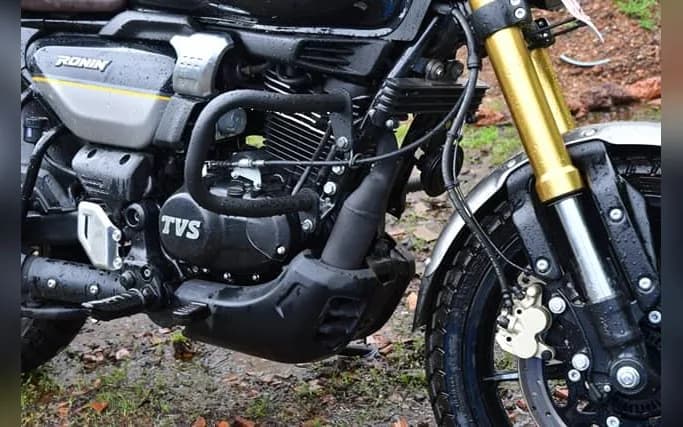
The TVS Ronin Standard uses a slightly larger 225.9 cc oil-cooled engine. While the power output is level with the Pulsar at 20.4 PS, the Ronin delivers a higher peak torque of 19.93 Nm compared to the Pulsar's 18.55 Nm. This torque is available lower in the rev range, making the Ronin feel punchier and more responsive when pulling through heavy city traffic or climbing steep inclines. However, with a top speed capped at 120 km/h, it is clearly designed more for urban versatility and relaxed cruising than high-speed chases.
Handling the Nepali Terrain
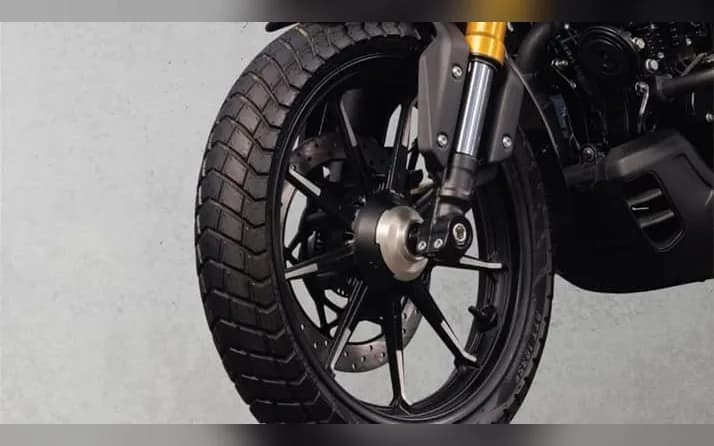
Ergonomics and fit are where these bikes diverge most sharply for the Nepali buyer. The TVS Ronin Standard is the superior choice for varied road conditions. It features a ground clearance of 181 mm, which is significantly higher than the 165 mm found on the Pulsar 220F. In practical terms, the Ronin allows for less worry about scraping the underbelly on large speed breakers or the deep potholes common in the Kathmandu Valley. The Ronin also offers a lower seat height of 795 mm, which is generally praised by shorter riders for providing better confidence when stopped.
The Bajaj Pulsar 220F (Single Channel ABS, FI BS6) offers a seat height of 805 mm and a riding position that is slightly more committed due to its clip-on handlebars. While this setup is praised by owners for offering great comfort and stability over long rides, it can be more fatiguing in dense city traffic compared to the Ronin's upright, relaxed stance. The Pulsar's 165 mm ground clearance is adequate for most major highways, but it requires much more caution when navigating rural dirt roads or broken tarmac.
Daily Running Costs
On the front of running costs, both motorcycles are roughly level. The TVS Ronin Standard claims a mileage of 35–42 km/l, while the Bajaj Pulsar 220F (Single Channel ABS, FI BS6) is reported at 40 km/l. Given the fuel tank capacities—14 litres for the Ronin and 15 litres for the Pulsar—the range calculations are quite close. On claimed figures, a full tank on the Pulsar 220F could cover roughly 600 km, while the Ronin would manage approximately 490 km at its lower-end estimate and up to 588 km at the higher end. Real-world fuel economy for both models is a point of frequent discussion among owners, with both typically settling near the 40 km/l mark depending on riding style.
Braking and Safety Hardware
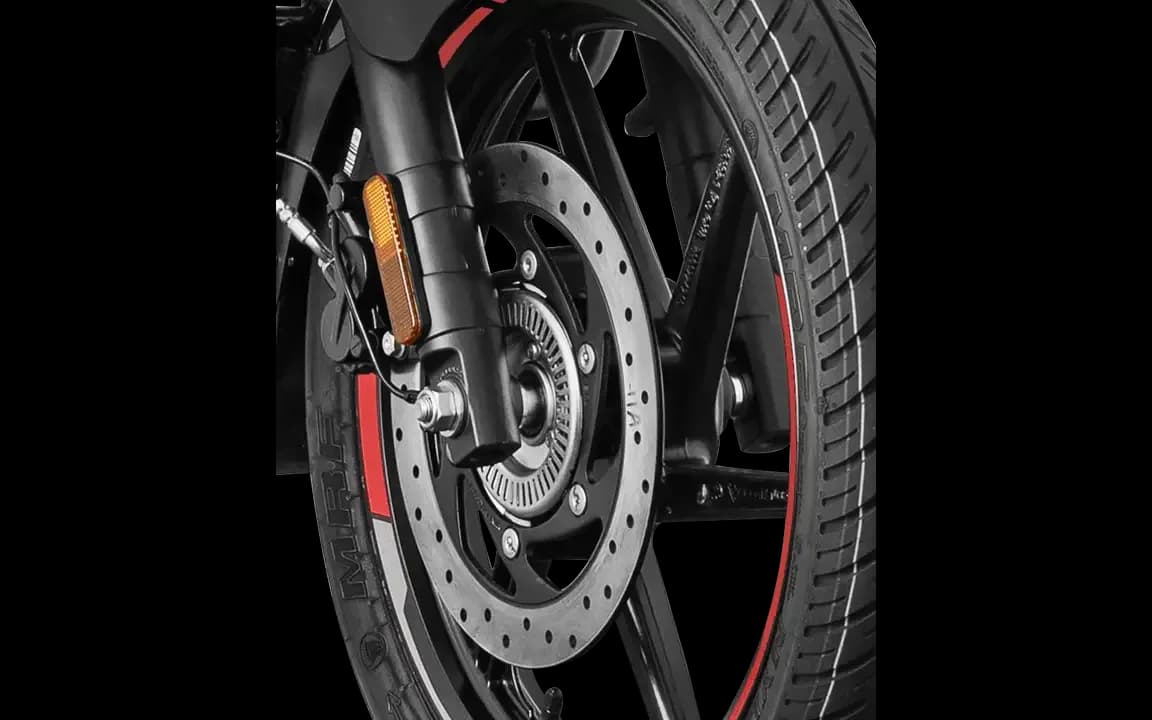
Safety is another area where the TVS Ronin Standard edges ahead on paper. It is equipped with a 300 mm front disc brake, which is larger than the 280 mm unit found on the Bajaj Pulsar 220F (Single Channel ABS, FI BS6). Both bikes feature a rear disc brake—240 mm on the Ronin and 230 mm on the Pulsar—and both utilize single-channel ABS as standard for their entry variants. While braking feel is often a matter of rider preference, the larger front hardware on the Ronin provides a theoretical advantage in stopping power.
Suspension and Ride Quality
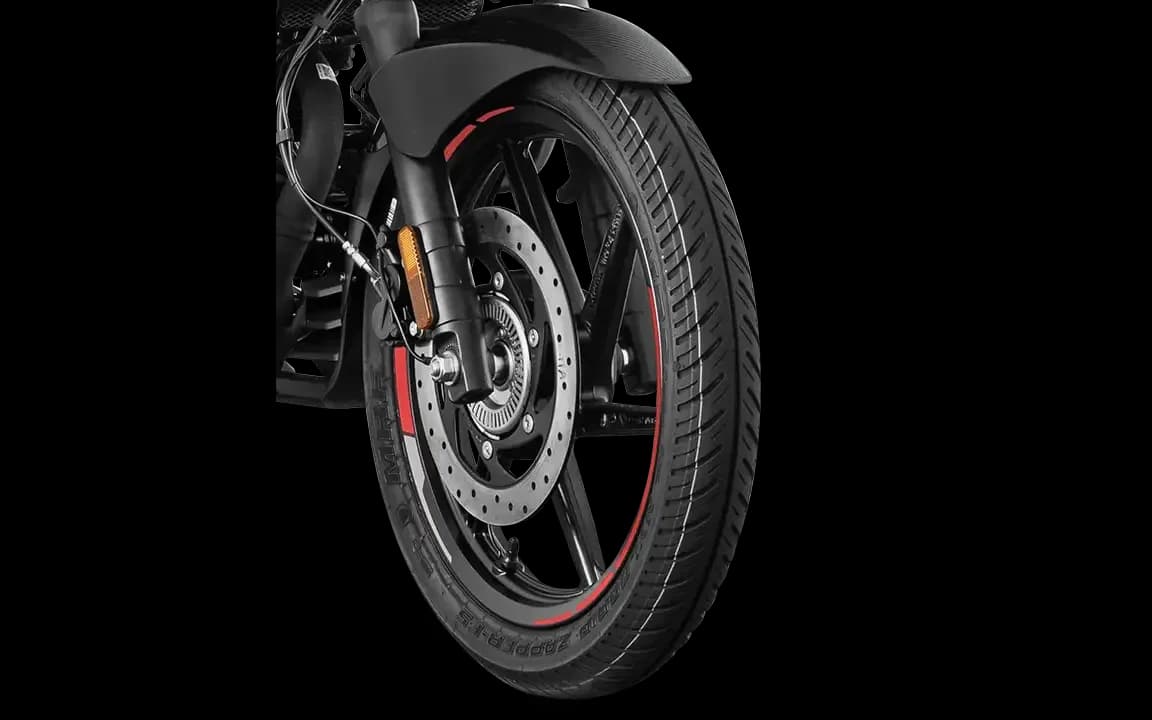
For ride quality, the TVS Ronin Standard features premium 41mm upside-down (USD) front forks, while the Bajaj Pulsar 220F (Single Channel ABS, FI BS6) uses traditional telescopic forks. The Pulsar distributor emphasizes the "Adjustable nitrox rear suspension," which is designed to keep handling steady across different loads. Both bikes offer adjustable suspension components, but the USD forks on the Ronin are generally associated with better front-end stability and a more modern feel when cornering. The Pulsar, however, is widely praised for its stable handling and predictability on highways, a trait that has kept it popular for over a decade.
Aesthetic and Build Philosophy
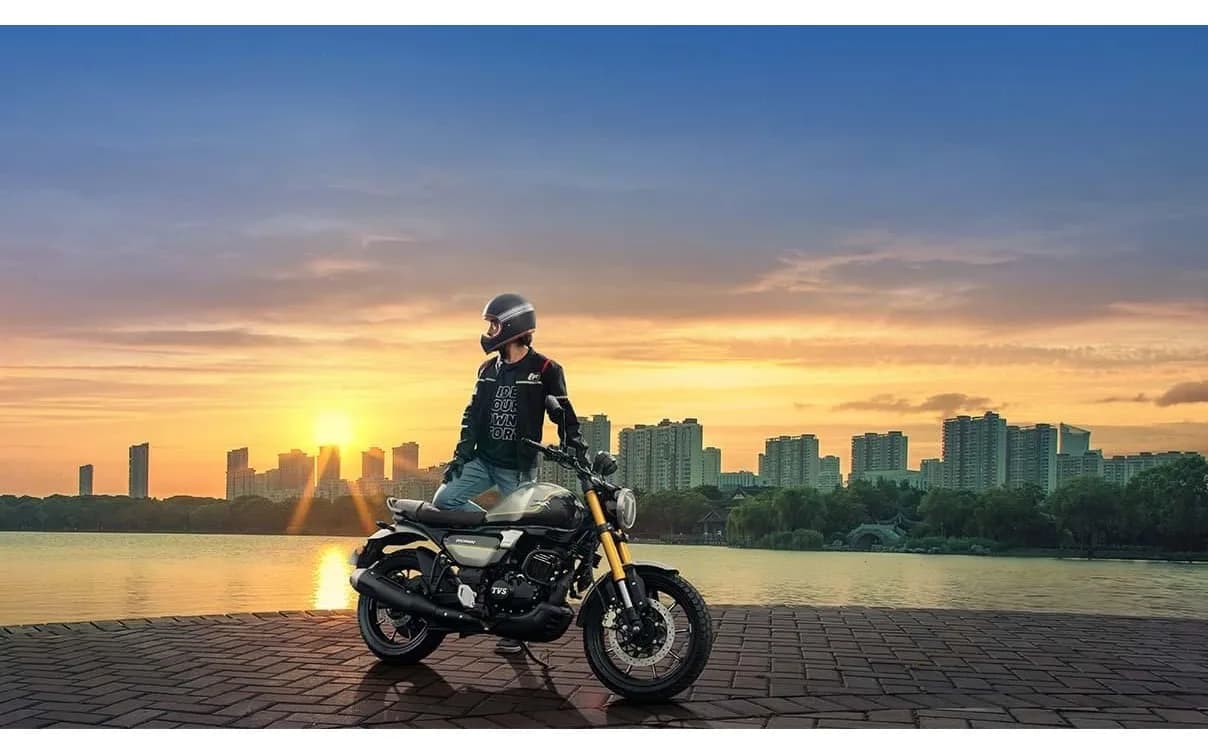
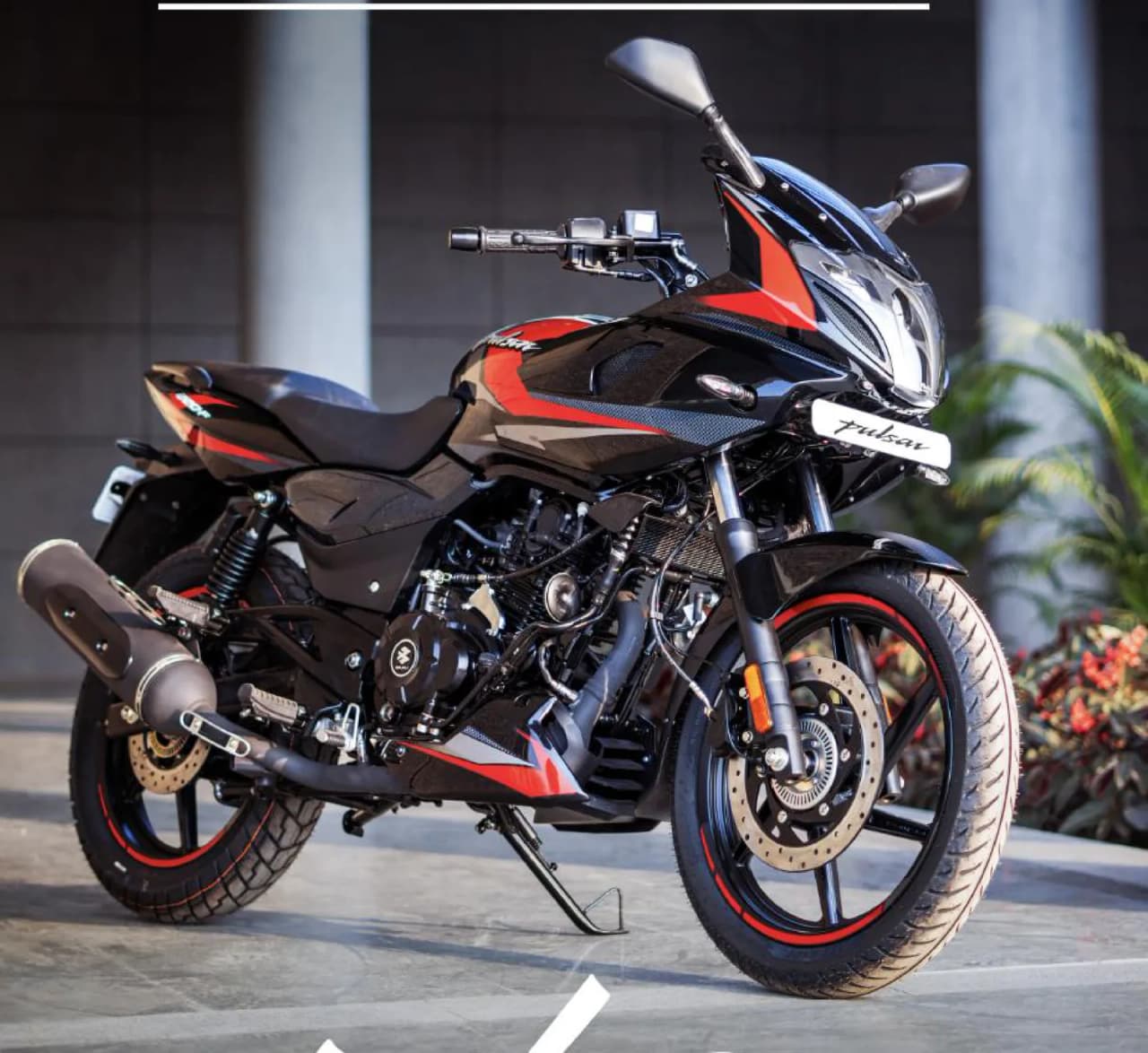
Design is a matter of equal standing but different goals. The Bajaj Pulsar 220F (Single Channel ABS, FI BS6) focuses on its iconic "Semi faired design," which the distributor highlights for reducing wind blast on highway rides. This fairing gives the bike a bulky, substantial presence that many Nepali riders still associate with prestige. The TVS Ronin Standard adopts a cruiser-scrambler hybrid look with gold-anodized front forks and a more compact, muscular frame. While the Pulsar is often praised for its build and finish consistency, the Ronin brings a fresher, more unique look to the street.
Reaching the Service Centre
Ownership reach is a critical deciding factor, especially for those living outside the capital. Bajaj has a broader service footprint, with 171 showrooms and 149 service centres located across the country. Its service network extends into smaller towns like Aanbu Khaireni, Attariya, Banepa, and Banganga. For a buyer outside the Kathmandu Valley, this extensive parts availability and mechanic familiarity is a massive advantage.
TVS maintains a strong presence with 236 showrooms and 54 service centres, covering major hubs like Kathmandu, Pokhara, Butwal, and Bharatpur, as well as locations like Baglung and Birtamode. While the network is robust, the Bajaj service reach covers more specific rural districts, making it the safer bet for long-distance durability and ease of repair.
What Owners Experience
Owners of the TVS Ronin often praise the bike for its smooth power delivery and its stylish design that stands out in traffic. The seating comfort and the way the suspension handles urban bumps are frequent highlights. However, some owners worry about the professionalism and quality of the service network and have noted that maintenance costs can sometimes exceed expectations. There are also reports of the bike feeling heavy and difficult to manage during low-speed maneuvers.
Bajaj Pulsar 220F owners are generally satisfied with the engine’s mid-range pull and its proven reliability over years of use. The availability of spare parts in almost every district is a major comfort. On the downside, owners frequently mention significant vibrations through the handlebars at high speeds. The heavy fairing, while good for wind protection, can feel bulky when filtering through dense Kathmandu traffic, and some feel the overall design is starting to look dated compared to newer Pulsar series models.
Price and Variant Selection
In the Nepali market, the pricing reflects the different positioning of these two bikes.
TVS Ronin Trims:
- Standard: Rs 4.4 lakh
- Monotone: (Price confirmed only for Standard)
- Agonda: (Price confirmed only for Standard)
Bajaj Pulsar 220F Trims:
- (Single Channel ABS, FI BS6): Rs 4.55 lakh
The TVS Ronin Standard is the more budget-friendly entry point at Rs 4.40 lakh. It offers modern features like USD forks and a slipper clutch that are missing from the Pulsar. The Bajaj Pulsar 220F (Single Channel ABS, FI BS6) carries a Rs 15,000 premium, priced at Rs 4.55 lakh, which buyers typically pay for the larger highway fairing, the established legacy, and the peace of mind offered by the vast service network.
Verdict: Choosing the Right Machine
Your choice between these two depends heavily on your primary riding environment and your technical priorities.
- Choose the TVS Ronin if: You drive primarily in the city or on hills and rough roads. Its 181 mm ground clearance and higher low-end torque make it better suited for the uneven terrain and frequent stops of urban Nepal. It is also the better choice for those on a slightly tighter budget who still want modern features like USD forks and full LED lighting.
- Choose the Bajaj Pulsar 220F if: You require service outside the Kathmandu Valley or frequently travel long highway distances. The Pulsar 220F is the superior highway machine due to its 136 km/h top speed and its semi-faired wind protection. It remains the safer investment for those who value resale ease and the ability to find a mechanic in almost any district of Nepal.
For current variant-wise figures, see TVS Ronin price in Nepal and Bajaj Pulsar 220F price in Nepal — both pages are updated whenever a distributor changes a price.
Frequently Asked Questions
Does the Bajaj Pulsar 220F have ABS? Yes, the current version of the Bajaj Pulsar 220F sold in Nepal features single-channel ABS as standard for improved braking safety.
Are there any vibration issues with the Bajaj Pulsar 220F? Significant vibrations are commonly reported by owners, particularly through the handlebars and footpegs when the bike is pushed to high RPMs.
Which bike is better for short riders? The TVS Ronin is generally better for shorter riders due to its lower seat height of 795 mm, compared to the 805 mm seat height on the Pulsar 220F.
Is the Pulsar 220F good for long rides? Yes, the Pulsar 220F is widely praised for its highway stability and comfortable ergonomics, making it a favorite for long-distance touring in Nepal.
Category by category
Who leads where
| Category | Ronin | Pulsar 220F |
|---|---|---|
| Running cost | Level | Level |
| PerformanceKey difference | — | Leads |
| Gearbox & clutch | Level | Level |
| Ergonomics & fitKey difference | Leads | — |
| Braking & safety | Leads | — |
| Ride & handling | Level | Level |
| Features & techKey difference | Leads | — |
| Design | Level | Level |
| Showroom & service | — | Leads |
Choose the Ronin if hills and rough roads.
Choose the Pulsar 220F if service outside the Valley.
Leads and level come from the figures confirmed for both vehicles, the trims compared above; a category with a figure for only one of them is not scored. No points or scores: we track these vehicles, we do not road-test them.
Real buyers, real ownership
What owners are saying
Compiled owner and buyer discussion for each vehicle — likes, complaints and the questions buyers ask.
Explore full specifications, variants & ownership context
Compare the exact variants
Specifications, features & ownership context
Choose a variant for each vehicle. The facts below follow that exact trim; the article explains the trade-offs.
Latest catalog and directory records supplement the original analysis. Figures may have changed since publication; individual specification and price-check dates appear below.
TVS Ronin
Rs 4.4 lakh ex-showroom · source checked 15 Nov 2026
Bajaj Pulsar 220F
Rs 4.55 lakh ex-showroom · source checked 13 Nov 2026
Engine & performance
| Specification / feature | TVS Ronin | Bajaj Pulsar 220F |
|---|---|---|
| Engine displacement | 225.9 ccResearched · confirm · 15 Oct 2026 | 220 ccVerified specification · 27 Sept 2026 |
| Max power | 20.4 PSResearched · confirm · 15 Oct 2026 | 20.4 PSVerified specification · 4 Aug 2026 |
Brakes, tyres & suspension
| Specification / feature | TVS Ronin | Bajaj Pulsar 220F |
|---|---|---|
| ABS | Single-channel ABSResearched · confirm · 23 Sept 2026 | ABSVerified specification · 4 Aug 2026 |
Dimensions & weight
| Specification / feature | TVS Ronin | Bajaj Pulsar 220F |
|---|---|---|
| Ground clearance | 181 mmResearched · confirm · 28 Oct 2026 | 165 mmVerified specification · 4 Aug 2026 |
TVS Ronin
Showroom & service support
Distributor: Jagdamba Motors Pvt. Ltd. (TVS Nepal)
TVS showrooms in Kathmandu (236 showrooms nationwide) · TVS service centers in Kathmandu (54 service locations nationwide)
Listed cities include Attariya, Baglung, Banepa, Bansgadhi, Bardaghat, Bardibas and 99 more.
Brand-wide directory coverage. Confirm that your nearest workshop supports this exact model, powertrain and warranty work; ask about parts availability and booking time.
Market buzz & buyer priorities
Compiled discussion, including buyer reactions and ownership reports; this is not a verified owner survey or a reliability score. Research dated 31 Oct 2026.
Concerns to investigate
- heavy and difficult to handle at low speeds
What buyers ask for
- Fuel efficiency (mileage) in heavy city traffic
Nepal ownership context
- Jagdamba Motors provides a robust service network across major cities like Kathmandu, Pokhara, and Butwal
- 181mm ground clearance is generally adequate for tackling typical Nepali road potholes and speed breakers
- Parts availability is high due to the shared supply chain of the TVS brand in Nepal
More feedback
- Nepalese buyers commonly compare the Ronin with the Royal Enfield Hunter 350, Pulsar N250, and Yamaha XSR because of price, tax, service support, and brand value.
- Bagmati buyers pay particular attention to the applicable motorcycle tax bracket, while registration and renewal costs can differ by province.
- Local service-centre quality and genuine spare-parts availability should be confirmed before purchase, especially outside Kathmandu and other major urban areas.
Bajaj Pulsar 220F
Showroom & service support
Distributor: Hansraj Hulaschand & Co. Pvt. Ltd. (HH Bajaj)
Bajaj showrooms in Kathmandu (171 showrooms nationwide) · Bajaj service centers in Kathmandu (149 service locations nationwide)
Listed cities include Aanbu Khaireni, Attariya, Baglung, Banepa, Banepa New, Banganga and 88 more.
Brand-wide directory coverage. Confirm that your nearest workshop supports this exact model, powertrain and warranty work; ask about parts availability and booking time.
Market buzz & buyer priorities
Compiled discussion, including buyer reactions and ownership reports; this is not a verified owner survey or a reliability score. Research dated 30 Oct 2026.
What people like
- Reliable 220cc engine remains a favorite for highway touring in Nepal
- Availability of spare parts in almost every district is a major advantage
- New LED headlight and digital console modernize the classic design
Concerns to investigate
- Significant vibrations felt through the handlebars and footpegs at high RPMs
- The heavy fairing can feel bulky in dense Kathmandu traffic
- Design feels dated compared to the newer Pulsar N-series and NS-series
What buyers ask for
- Resale value and ease of selling in the second-hand market
- Maintenance costs and local availability of genuine Bajaj parts
- Stability and power for crossing high mountain passes like Nagarkot or Chandragiri
Nepal ownership context
- Ground clearance of 165mm is adequate for most highways but requires caution on rural dirt roads
- Massive service network across Nepal makes it a safer choice for buyers outside Kathmandu
- Recent price hikes have placed it close to the Pulsar N250, causing some buyer hesitation
More feedback
- The 220F remains the top choice for 'Pulsar fans' in the Terai region due to its stable road presence
- The Nepal-specific ownership case is strongest for riders who combine Kathmandu commuting with highway trips, because the motorcycle is praised more for cruising stability and touring ability than for light urban agility.
- Bajaj’s long presence in Nepal means mechanics are familiar with the platform and replacement parts are generally easier to find than for less-established brands.
- The motorcycle remains a recognizable model in Nepal’s used-bike market, so resale familiarity is an important consideration for buyers comparing it with newer motorcycles.
Use these facts alongside the article’s full analysis. Check the final quotation, warranty terms and exact equipment before booking.
Evidence & next steps
Check the details before you buy
Use this guide to build a shortlist. Ask for a written quotation for your chosen variant, including registration, taxes, insurance and finance charges. Confirm the nearest authorised workshop supports that model.
Price sources and dates
These are the recorded distributor-source checks for the selected overview trims. They are separate from the article update and catalog read dates; they do not mean every trim was rechecked today. Confirm the final price with the distributor.
Overview photos come from the corresponding model records; additional article photos carry their own credits. Running costs depend on usage, energy prices, maintenance, insurance and resale value.