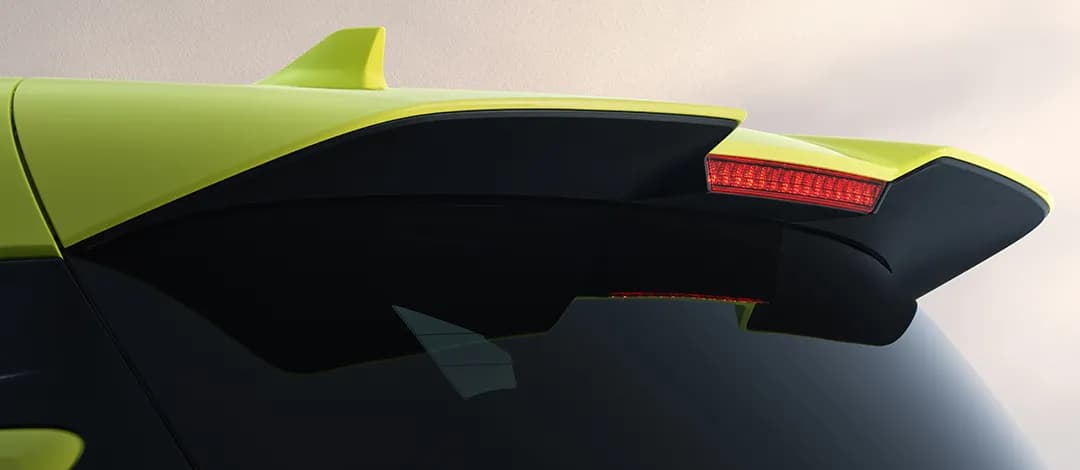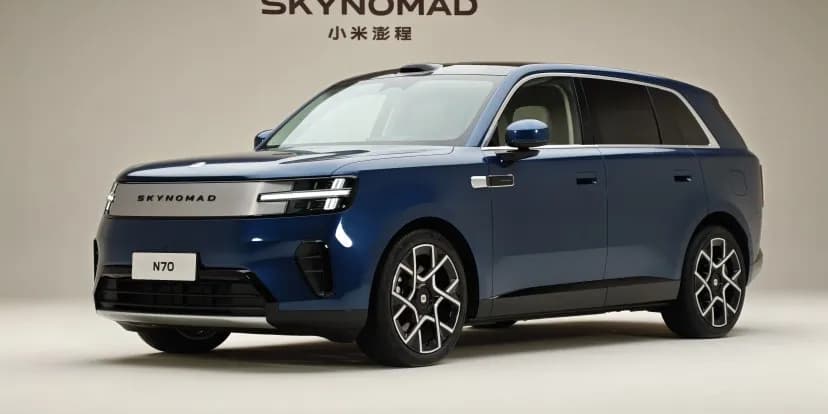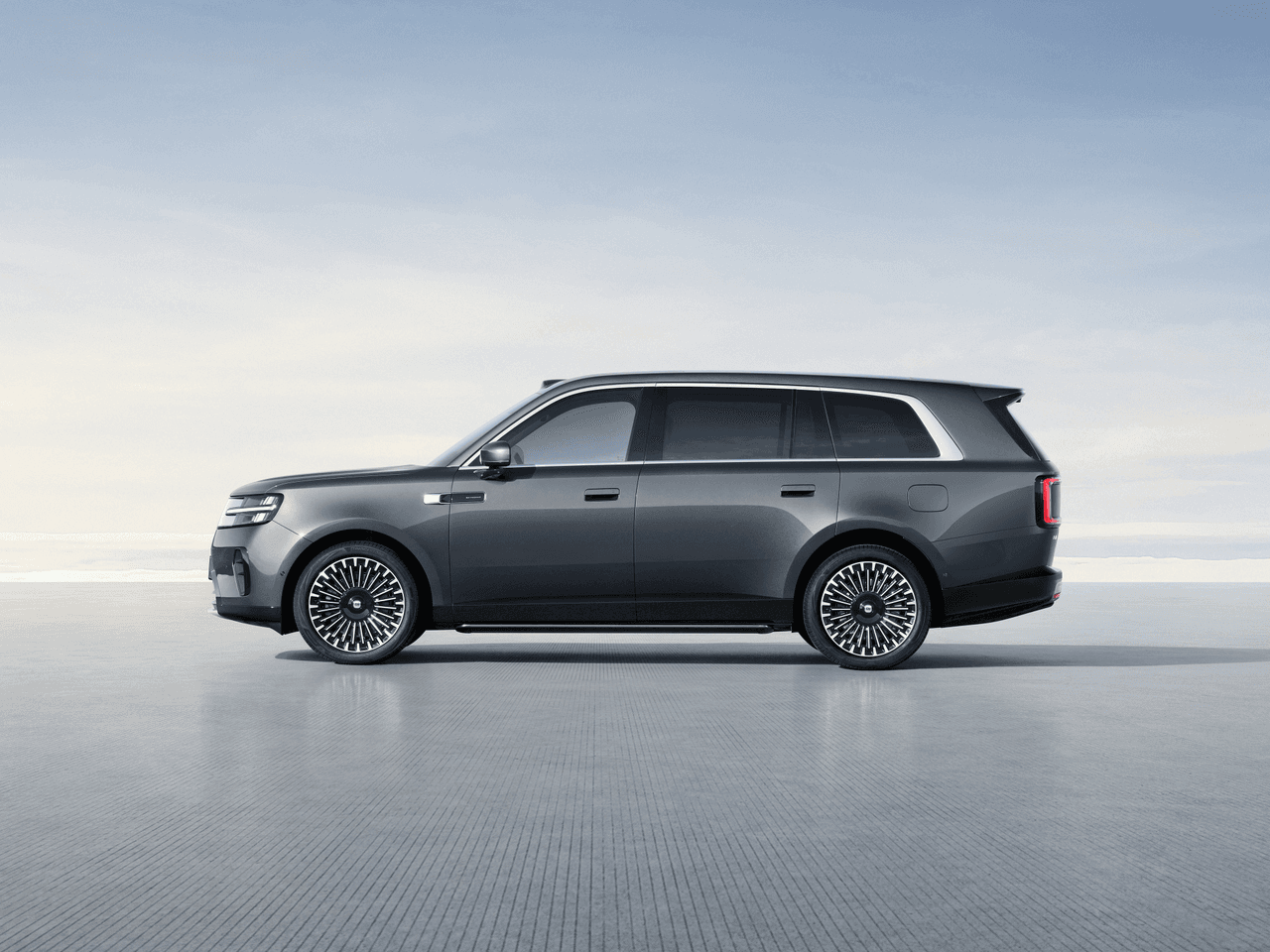
Xiaomi has previewed its next electric SUV for China, the SkyNomad N90, ahead of an official launch expected in late July. According to the company’s announcement, the big talking point is its 2+2+3, seven‑seat layout – something usually seen on MPVs like the Buick GL8 rather than on SUVs.
What Xiaomi has confirmed so far
- Powertrain: The SkyNomad N90 uses a 1.5‑litre turbo petrol range‑extender paired with dual electric motors in higher variants. The extender itself is rated at 112 kW, while the drive motors go up to 210 kW (about 282 hp) in the more powerful version and 100 kW (about 134 hp) in lower trims.
- Battery and range: Xiaomi says the SUV packs a 76 kWh battery with a WLTC pure‑electric range of about 363–370 km. In real‑world use, mixed running would be higher thanks to the petrol generator, but that figure has not been independently verified yet.
- Performance: Top speed is quoted at 190 km/h, which is typical for a large electric SUV and more than adequate for our region’s speed limits.
- Seating & space: The cabin can be had in 5‑seat or 7‑seat form, with the highlight being the 2+2+3 configuration for the three‑row version. A flat floor and long seat rails are meant to improve access to the third row and allow more flexible legroom.
- Tech & safety: The front carries Xiaomi’s signature “Mi”-shaped LED lighting, while the roof houses a LiDAR unit to support advanced driver‑assistance and high-level smart driving functions.
Nepal angle: will SkyNomad N90 or Xiaomi cars come here?
Xiaomi currently does not sell any cars in Nepal, and its first EV, the SU7 sedan, is only in China so far. The SkyNomad N90 is also a China‑market model for now, with no official word on exports or right-hand-drive production.
However, for Nepali buyers the launch still matters in a few ways:
- Signal of future competition: If Xiaomi eventually pushes its EV brand into South Asia via India or direct imports, a large three-row electrified SUV like the SkyNomad N90 could compete with upcoming Chinese seven-seaters and even big diesel SUVs from India that dominate Nepal’s family and tourist segment.
- Pressure on pricing: Xiaomi is positioning itself as an aggressive tech-value player in EVs in China. If that strategy reaches our region, it could push down prices of large, feature-rich SUVs, forcing existing Chinese brands already in Nepal to add more range, safety tech and seating flexibility at similar price points.
- Template for future imports: The N90’s range-extender setup (petrol generator + big battery) is particularly relevant for Nepal, where fast-charging infrastructure is still limited outside main highways. Such a layout allows city-driving on pure EV mode while using petrol on long inter-city or hill routes, a combination that fits our geography.
At this stage, there is no confirmed plan or timeline for Xiaomi cars to enter Nepal, and any arrival of the SkyNomad N90 would depend on Xiaomi building right-hand-drive versions and setting up regional distribution. For now, it mainly serves as an indicator of how fast Chinese EV SUVs are evolving, and what kind of technology and space Nepali buyers can expect from future Chinese imports in the Rs 60–1 crore bracket if and when brands like Xiaomi expand here.
Writes on vehicle pricing, taxation and the Nepali auto market from ongoing tracking of distributor price lists. Editorial policy.