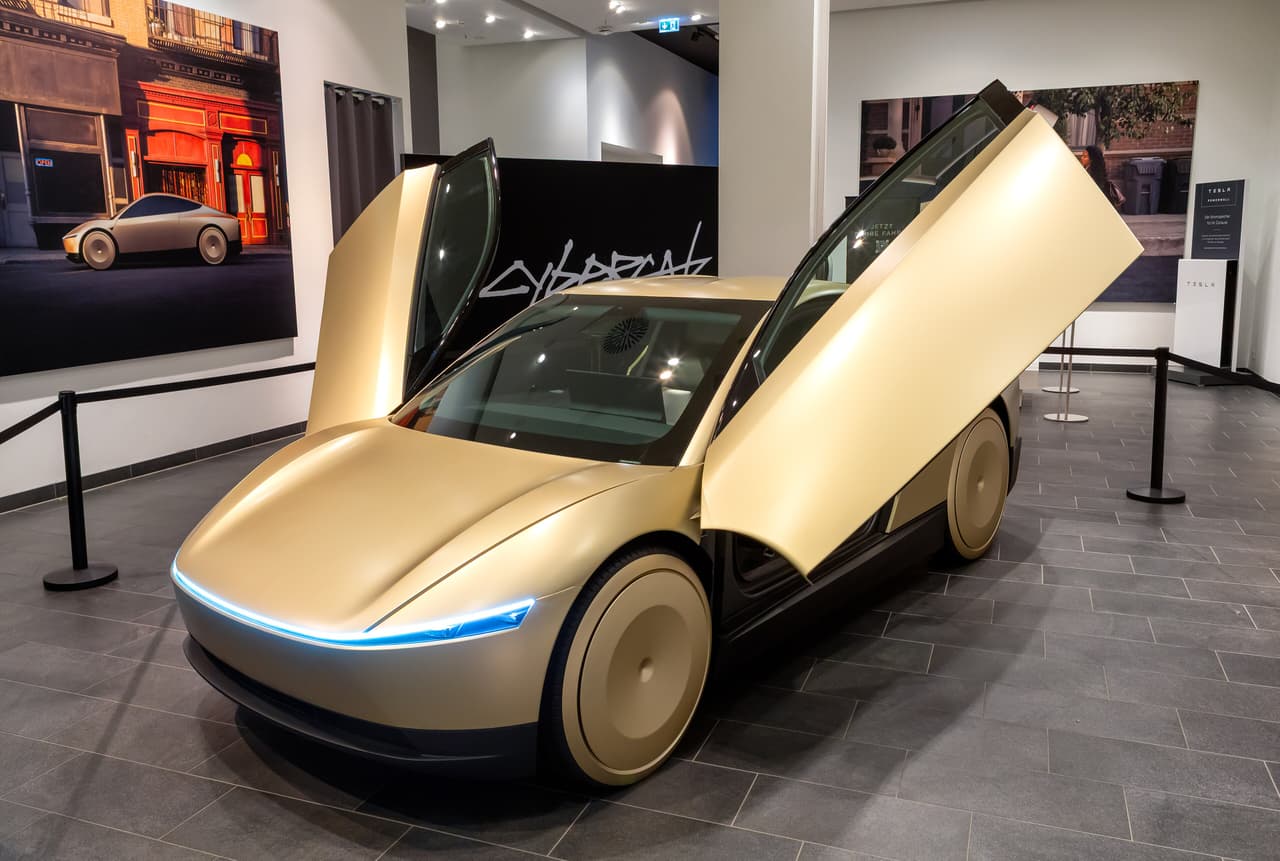
Tesla has confirmed that its Cybercab robotaxi will come with a Starlink V5 satellite antenna integrated into the vehicle body, making it the first Tesla model to connect directly to SpaceX’s satellite network.
What exactly has Tesla announced?
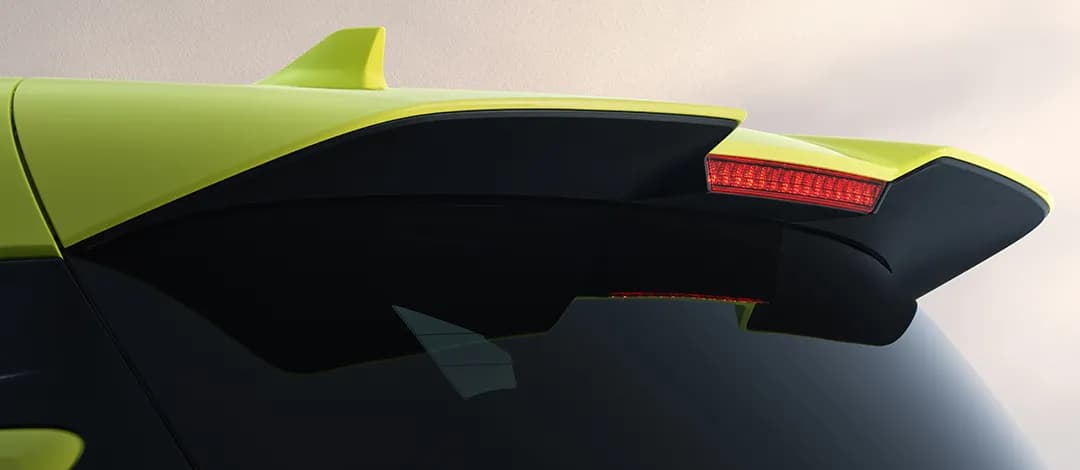
According to Tesla and Starlink posts on X and a hardware diagram shown at a Tesla showroom, the Starlink V5 terminal is built into the Cybercab’s roof structure, alongside GPS and 5G/LTE antennas. This hardware provides a direct data link to Starlink’s low‑Earth orbit satellites instead of relying only on mobile networks.
Starlink describes the feature as *"high-speed internet from space for the future of autonomous vehicles"*, while Tesla highlights that this is a direct Starlink V5 integration into the robotaxi.
Not needed for driving, but crucial for connectivity
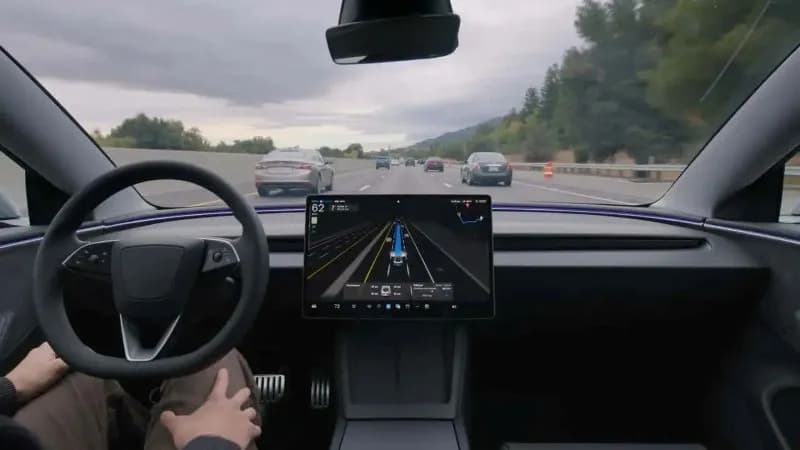
Tesla engineers have clarified that the satellite link is not required for safe vehicle operation. The Cybercab’s self-driving computer still handles perception, planning and control locally, without needing constant cloud access.
Instead, the Starlink connection is meant to support:
- fleet management and remote monitoring of robotaxis
- navigation and map data updates
- over-the-air software updates
- customer support and remote assistance
- in-car internet access for passengers, including potential 4K video streaming and other online entertainment.
Starlink V5 hardware is designed to be smaller and more energy‑efficient than earlier terminals, while still offering download speeds around 375 Mbps, depending on network conditions. That capacity is more than enough for multiple data streams and passenger Wi‑Fi inside a vehicle.
Why is this relevant for future robotaxis?
For Tesla, integrating satellite internet directly into the Cybercab adds an extra connectivity layer in places where mobile coverage is weak or overloaded. The robotaxi can continue sending data to Tesla’s systems and receive updates even when traditional networks struggle.
At present, Tesla’s robotaxi operations are limited and geofenced to a few US cities, which already have strong mobile networks. However, building Starlink into the Cybercab suggests Tesla is planning for wider deployment, including routes and markets where cellular service is less reliable.
Tesla has not yet announced a commercial launch date or pricing for the Cybercab, and it has not fully detailed whether the Starlink hardware shown will be standard on all production vehicles or rolled out in stages. For now, the integration remains an officially confirmed design feature for the upcoming robotaxi, signaling how future autonomous fleets could rely on satellite connectivity as much as on roadside mobile towers.
For Nepali buyers and policymakers watching global trends, the Cybercab-Starlink integration is a sign that future autonomous and connected vehicles may increasingly use satellite internet for reliability, especially in countries with uneven mobile coverage.
Writes on vehicle pricing, taxation and the Nepali auto market from ongoing tracking of distributor price lists. Editorial policy.