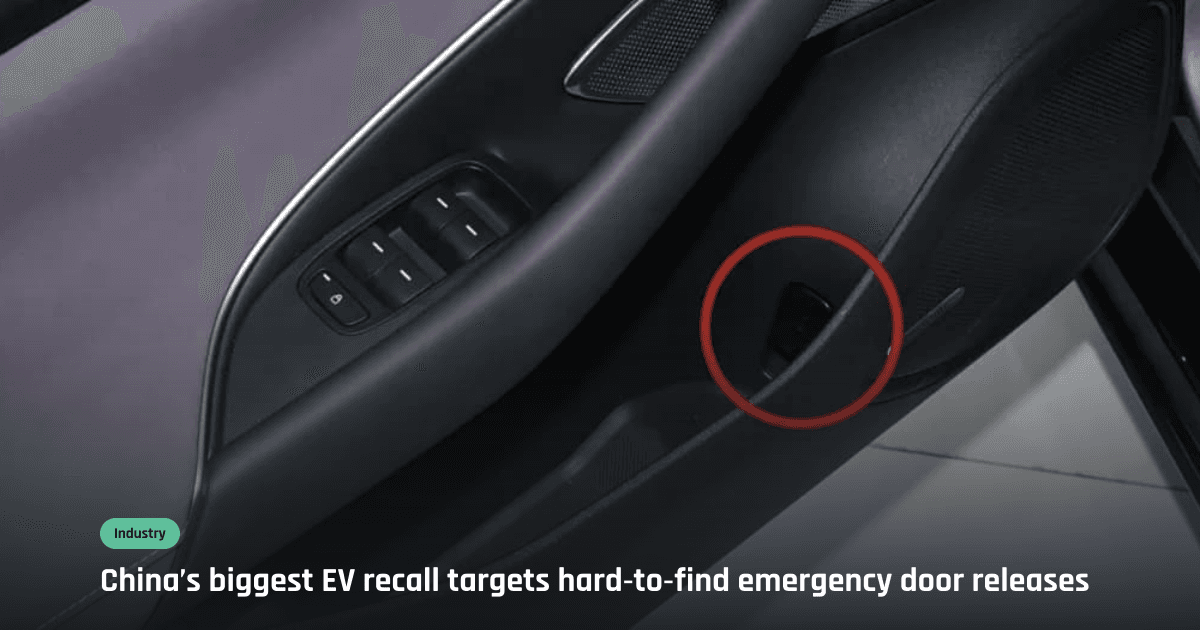
China has initiated one of its largest vehicle recalls, focusing on the safety of emergency door handles in modern EVs, following a high-profile crash involving a Xiaomi SU7 sedan.
Millions of cars recalled
- More than 4 million vehicles from brands including **Tesla, BYD, Geely, Leapmotor, Chery, Xiaomi, Xpeng, Hongqi, BAIC, and Dongfeng** are being recalled in China.
- The issue: interior mechanical emergency door releases that blend with the surrounding trim, making them difficult to locate and operate in emergencies.
- In a crash or low-voltage system failure, this can delay occupants from escaping or rescuers from opening the doors.
Tesla recall scale
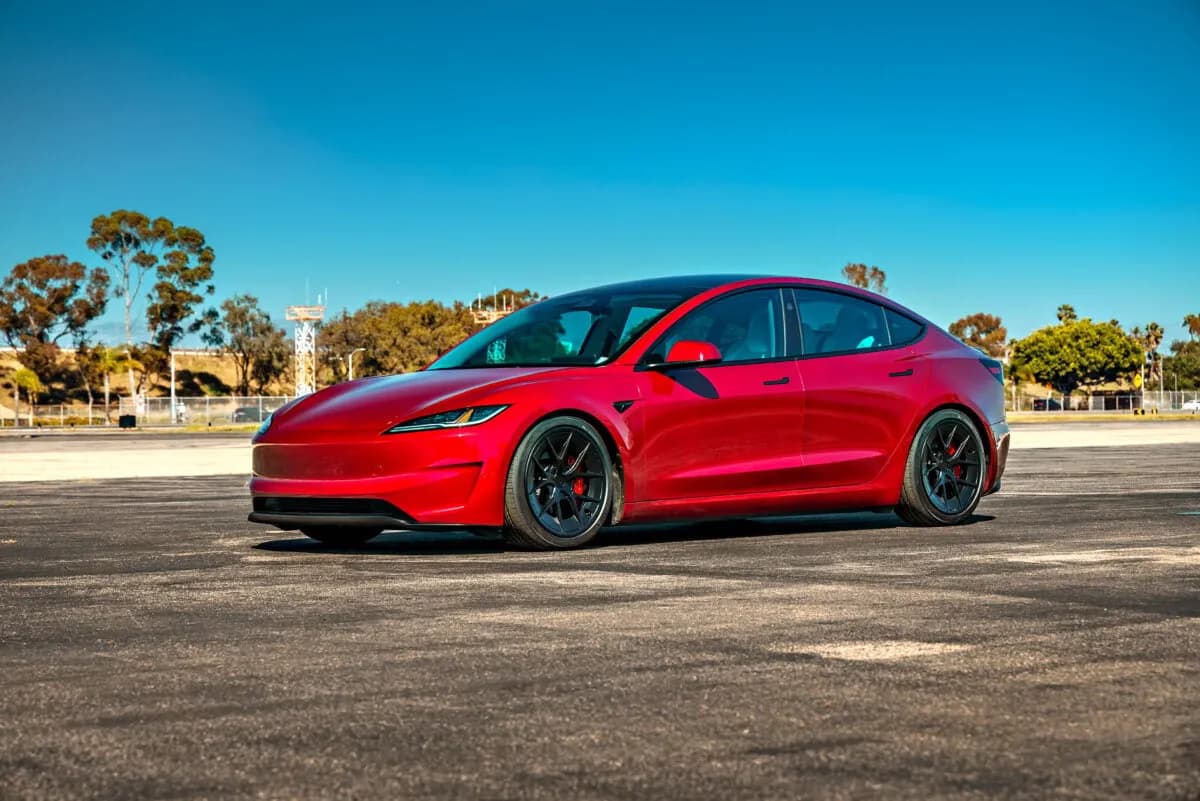
- Tesla faces the largest action, recalling 2,975,910 China-made Model 3 and Model X vehicles.
- It is also recalling 46,041 imported Model 3, Model X, and Model S units.
Fixes and new rules coming
- Carmakers will add high-visibility warning labels near the mechanical emergency handles.
- Many affected vehicles will also receive an OTA software update that can automatically lower windows after an accident to aid rescue.
- China’s new GB 48001-2026 "Safety Technical Requirements for Automotive Door Handles" will be enforced from 1 January 2027.
- Every door must have an external mechanical release handle.
- Interior emergency handles must be clearly visible, permanently marked, and easy to identify, even at night.
Triggered by high-profile crash
- Door-handle design has come under intense scrutiny after a fatal Xiaomi SU7 crash, where three university students reportedly died when rescuers could not quickly locate the emergency releases.
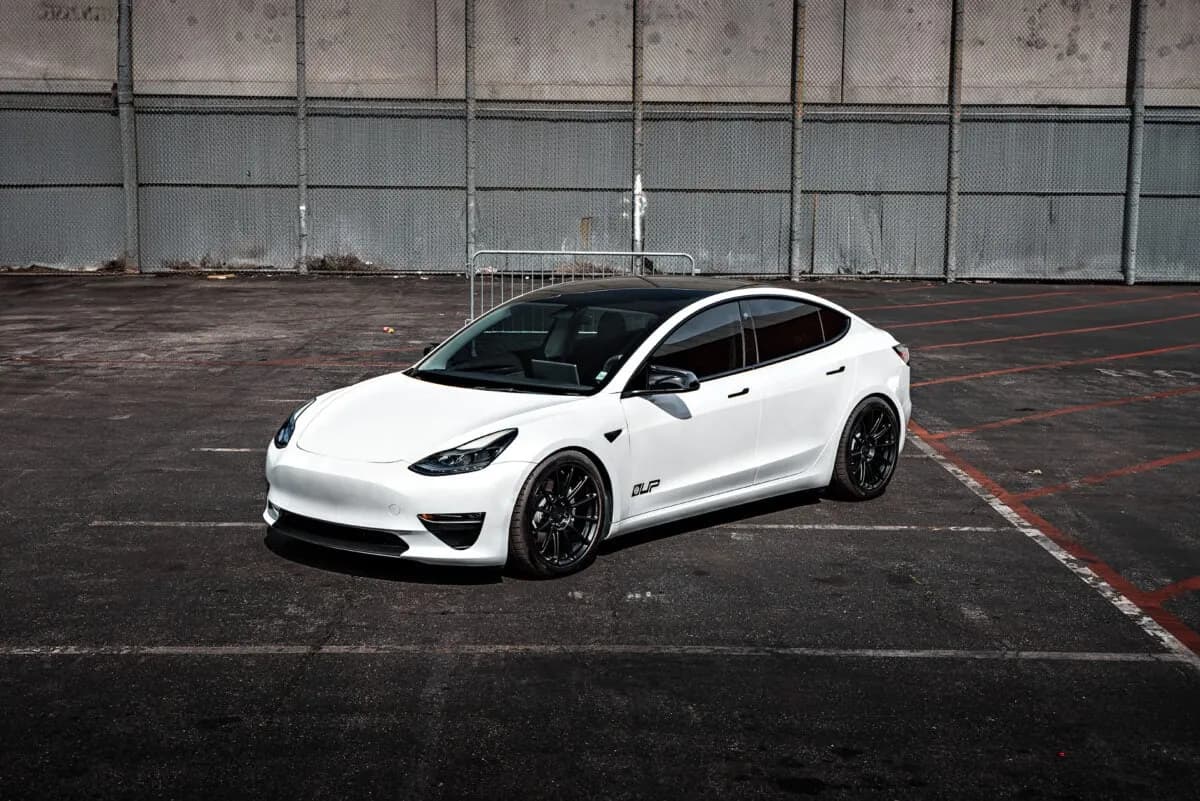
For Nepali buyers considering Chinese EVs or Tesla imports, this recall highlights a strong regulatory focus on simple, clearly visible mechanical escape options in addition to electronic door systems. This decision by the Chinese government underscores the importance of safety and visibility in vehicle design, prompting immediate action even before the new standards officially take effect in 2027.
Related to this story
AN
Ajit Narayan Singh
Editor, Nepal AutoMart
Writes on vehicle pricing, taxation and the Nepali auto market from ongoing tracking of distributor price lists. Editorial policy.