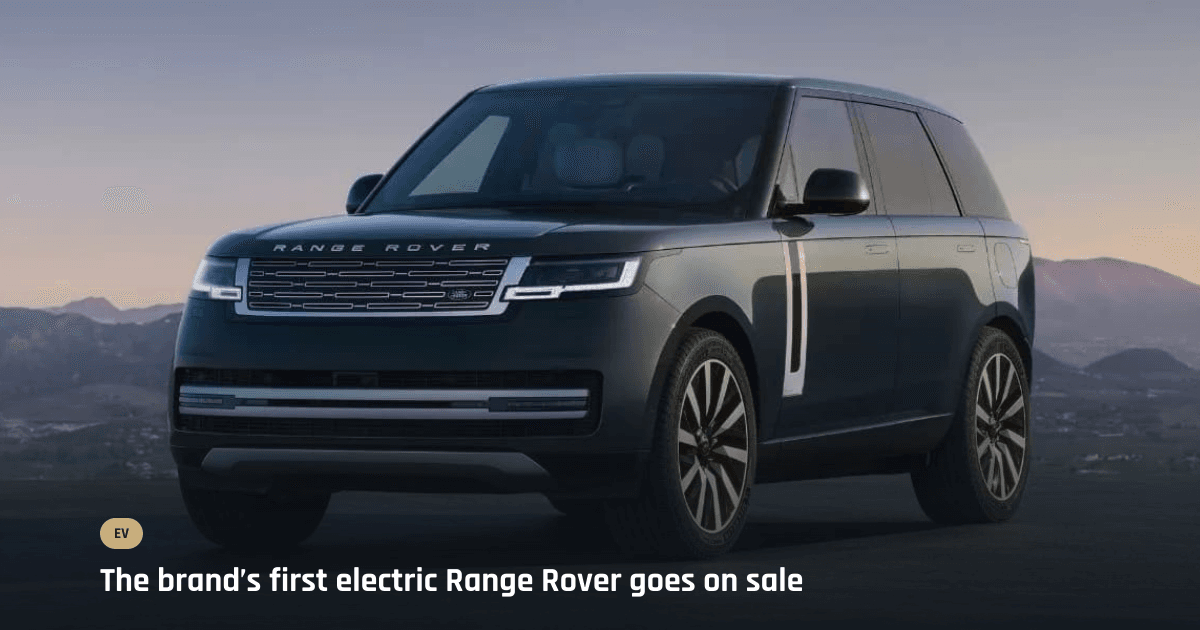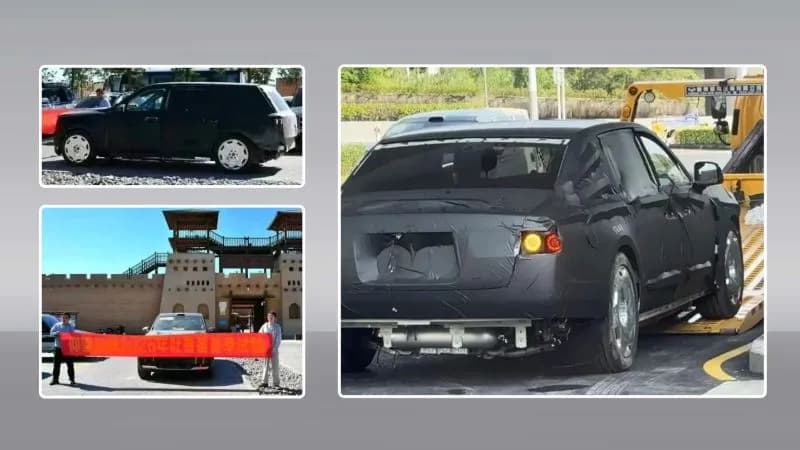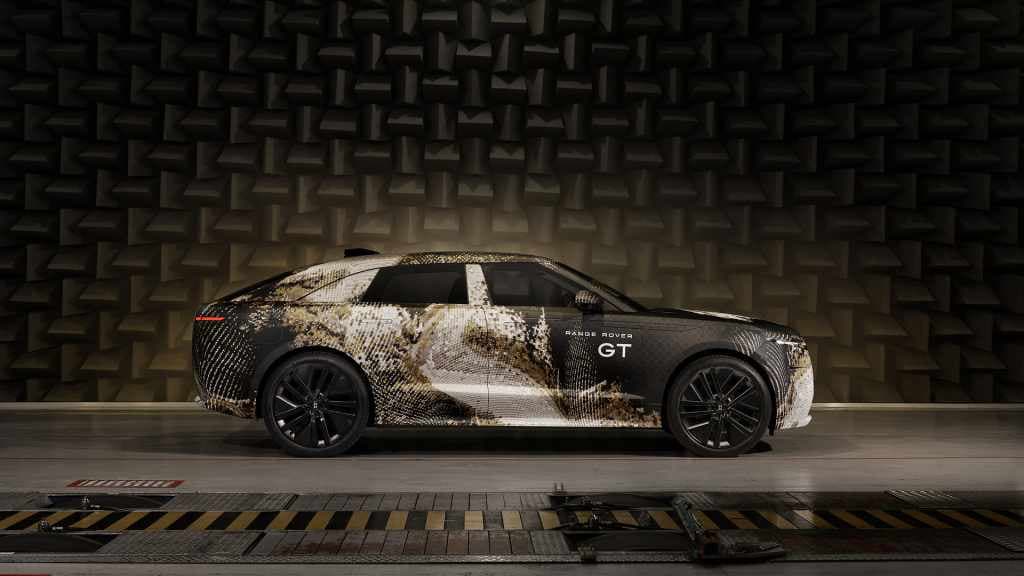
Range Rover has officially shown the first images of its upcoming all-electric GT, revealing a very different direction from the brand’s usual boxy luxury SUVs.
Sleek GT instead of traditional SUV
- The new model is a low-slung, coupe-style grand tourer, not a tall SUV.
- It will become the fifth model in the Range Rover family, positioned as a more road-focused, long-distance cruiser.
- The electric GT is expected to arrive after the Range Rover Electric SUV, which the company plans to launch first.
For Nepali buyers, this signals that Range Rover’s future electric range will not be limited to SUVs only; more body styles are coming, which could influence future imports to Nepal.
New EV platform and tech focus
- The GT will be the first Range Rover to use JLR’s EMA platform, a newer architecture developed mainly for electric vehicles.
- According to Range Rover’s management, this will be the brand’s most technologically advanced model so far, designed to redefine luxury grand touring.
- The same platform is also planned to support hybrid versions later in the car’s life cycle.
This approach means the GT is being engineered from the start as an EV, which usually helps efficiency, cabin space and driving dynamics compared with converted ICE platforms.
Minimalist interior, almost no physical buttons
Inside, the car follows the latest luxury EV trend:
- A large central touchscreen handles most functions.
- A slim digital driver display replaces traditional dials.
- The cabin uses a minimalist layout with almost no physical buttons, so most controls are on-screen.
Buyers used to physical knobs and switches may need time to adjust, but this design allows frequent software updates and cleaner cabin styling.
Expected battery, range and performance
Range Rover has not yet confirmed detailed technical figures, but according to the initial announcement and international reports:
- The GT is expected to use a battery of over 100 kWh.
- Target driving range is around 800 km (WLTP), helped by the aerodynamic fastback shape.
- It will launch first as a pure electric model, with a full-hybrid version planned for later.
If these numbers are achieved, the GT would sit among the longest-range luxury EVs on sale globally, which is important for buyers in markets like Nepal where public fast-charging networks are still developing.
Production timeline and factory
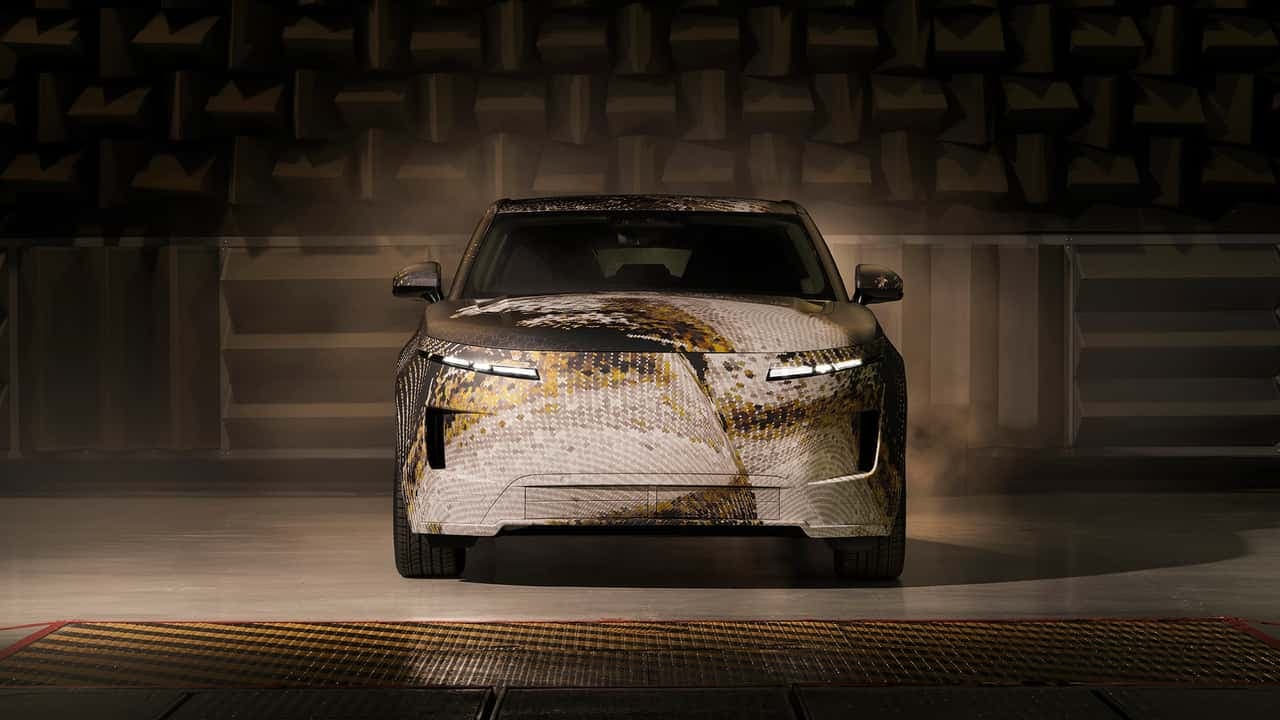
- The electric GT will be built at JLR’s Halewood plant in the UK.
- Production is scheduled to start in the first half of 2027.
That means any official launch or deliveries for right-hand-drive markets such as Nepal, if and when it is allocated here, would be expected only after 2027.
Price positioning (international)
Range Rover has not published a final price yet. However, based on international reporting from outlets such as Autocar and company guidance:
- The GT is expected to be priced below the flagship Range Rover Electric SUV.
- Indicative starting price is around US$90,000, which is roughly Rs 1.2–1.3 crore before any local taxes and duties.
For Nepali customers, final retail prices would be much higher once import taxes, EV duties and dealer margins are added, so this model will likely sit in the very high-end luxury EV segment if it is eventually introduced here.
What it means for Nepali buyers
- Body style: A low, coupe-like EV rather than a big SUV, aimed at buyers who prioritise highway comfort and style over off-road ability.
- Tech and range: Focus on long range (around 800 km) and advanced digital features, which are attractive in countries with limited charging networks.
- Market position: Expected to sit below the Range Rover Electric in price internationally, but still in an ultra-premium bracket once landed in Nepal.
Overall, the upcoming Range Rover electric GT shows how traditional SUV brands are diversifying their EV offerings, and it hints at the kind of long-range luxury EVs that could reach the Nepali market later in the decade.
Writes on vehicle pricing, taxation and the Nepali auto market from ongoing tracking of distributor price lists. Editorial policy.