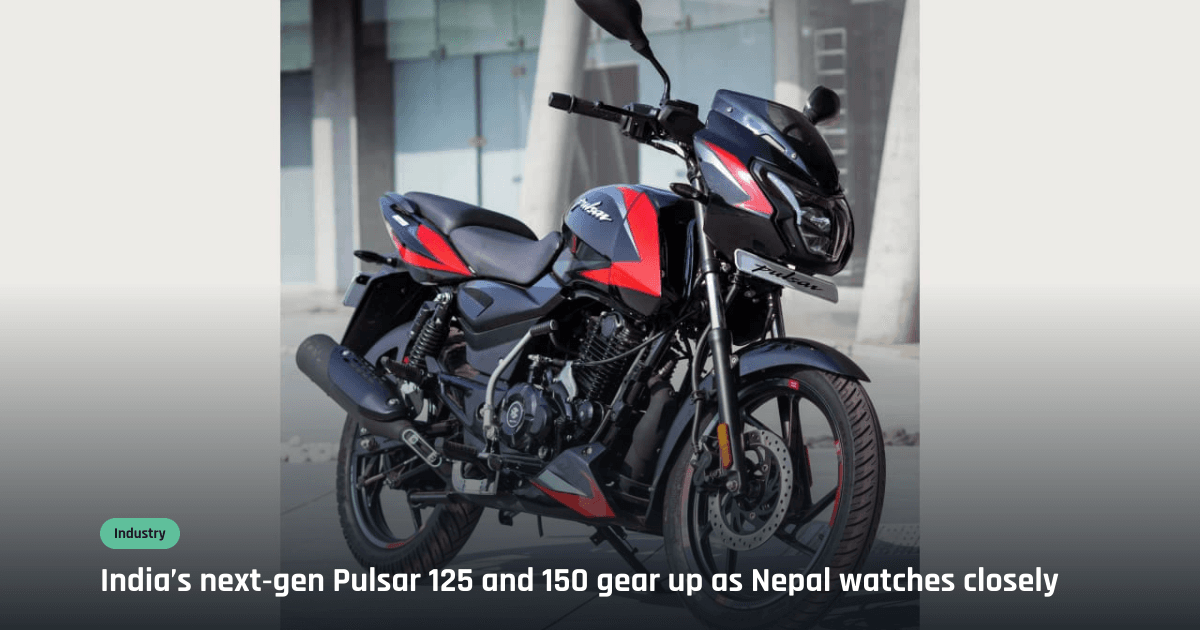
Bajaj has put out an official teaser for the **next-generation Pulsar 125 and Pulsar 150, confirming an India launch on 24 August 2026** under the tagline *"Gear Up For What's Next"*. The teaser shows the silhouette of the new bike next to the familiar Classic Pulsar. That alone signals a full generational update, not a minor refresh.
Where this sits for Nepal buyers
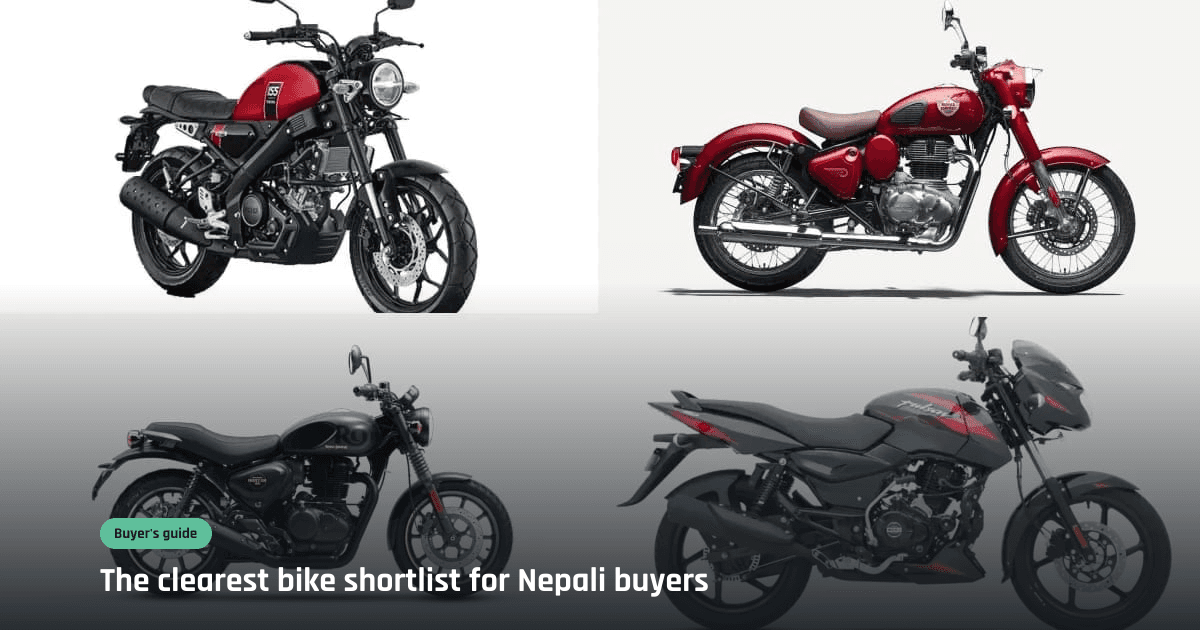
In Nepal, the **Bajaj Pulsar 125 is already listed between Rs 2.73 lakh and Rs 3.05 lakh across three variants: Pulsar 125 Disc (Rs 2.73 lakh), NS125 ABS FI BS6 (Rs 2.80 lakh) and the Standard at Rs 3.05 lakh. The Pulsar 150 spans Rs 2.87 lakh to Rs 3.81 lakh depending on variant, with the Pulsar 150 Standard at Rs 2.87 lakh and top-spec Pulsar 150 TD at Rs 3.81 lakh. Bajaj also sells the Pulsar NS125 (Rs 2.75–3.48 lakh), Pulsar N125 (Rs 2.98–3.17 lakh), Platina 100 (Rs 2.56 lakh) and Discover 125 (Rs 2.46–2.59 lakh)** around these two. Any future Nepal arrival of the new-gen Pulsar 125 and 150 would land right in the middle of this commuter-sport price band.
What's changing on new Pulsar 125
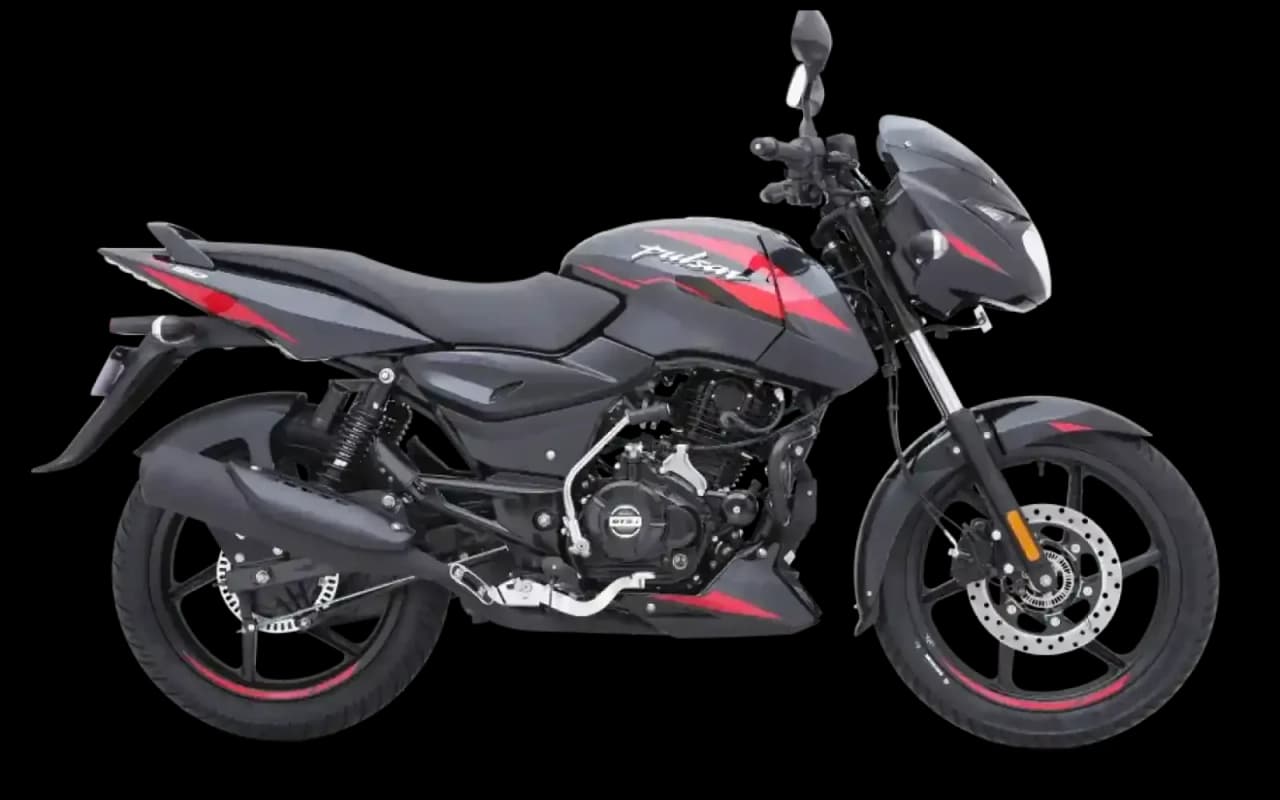
The upcoming Pulsar 125 gets a sportier design: a revised LED headlamp, new tail-lamp, reshaped tank extensions, updated exhaust and fresh graphics. The bigger news is a new TFT instrument cluster with Bluetooth connectivity, call and SMS alerts, likely navigation, plus Type-C charging and hazard lights. Underneath, Bajaj is dropping the traditional twin rear shock absorbers for a monoshock, while keeping telescopic front forks and 17-inch alloy wheels. The engine should be updated for better refinement and fuel efficiency. Final power and torque figures will only be confirmed at launch.
What's changing on new Pulsar 150
The new-gen Pulsar 150 also gets a full redesign, with LED front lighting, new tail-lamp, fresh tank shrouds and a reworked exhaust. The chassis and subframe move to a new layout. Like the 125, the long-running twin-shock rear suspension is replaced by a monoshock here too. A key mechanical change is oil cooling added to the 149.5cc engine, with an oil cooler radiator and "Oil-Cooled" badging expected on the bike. The same colour LCD/TFT-style cluster from the Pulsar 125 is expected on the 150, with features such as navigation and gear-position display.
What this could mean for Nepal
Bajaj's 125–150cc range is among the strongest sellers in Nepal. The Pulsar 125 and Pulsar 150 are already core commuter-sport choices here, priced roughly between Rs 2.7–3.8 lakh. A generational upgrade in India with monoshock suspension, TFT instrumentation, LED lighting and more refined engines would likely reach the Nepal lineup once Bajaj and its local distributor decide to update the range. Nepal pricing and launch timelines have not been announced yet. Most Pulsar models sold here are sourced from India, so riders can reasonably expect these changes to define the next big Pulsar update in the Nepali market over the medium term.
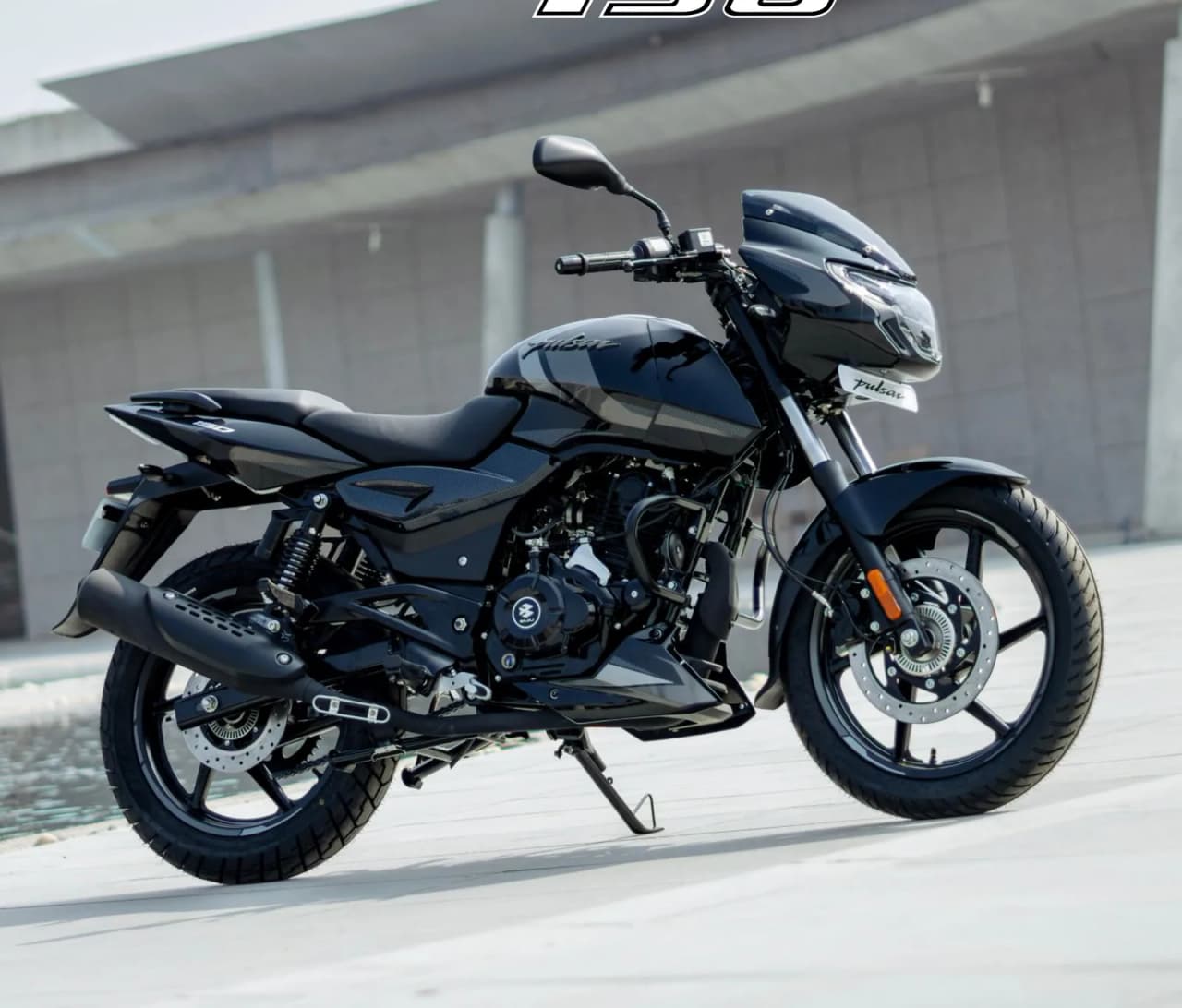
For now, buyers choosing between today's Pulsar 125, Pulsar 150, NS125, N125, Platina 100 and Discover 125 should know that a more feature-rich generation is coming in the source market. It could bring higher equipment levels once it lands in Nepal, and prices may nudge up slightly too.
Writes on vehicle pricing, taxation and the Nepali auto market from ongoing tracking of distributor price lists. Every price in this piece is read live from the Nepal AutoMart catalog — how we verify prices.