The Mustang Customs Office has reached its annual revenue target of Rs 9 billion within the first three months of the current fiscal year. Total revenue collection hit Rs 9.17 billion by the end of Ashoj (mid-October 2026), fueled by a sharp rise in imports through the Korala border point.
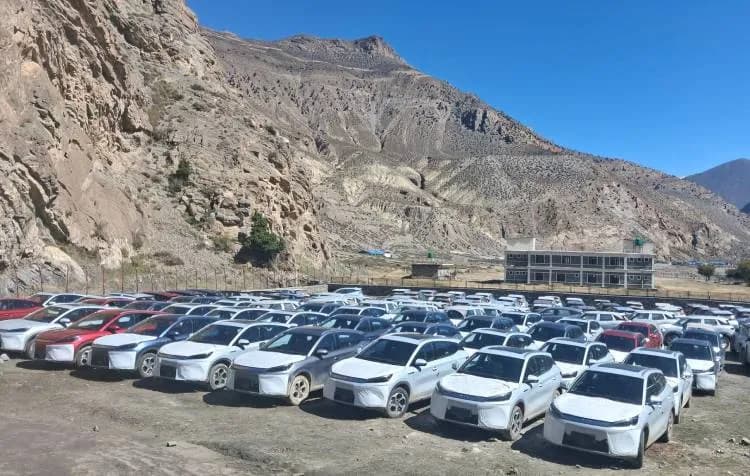
This surge follows the closure of the Rasuwagadhi and Tatopani border crossings. Between Shrawan and Ashoj, approximately 4,500 electric vehicles and 1,750 containers of goods were cleared through the Korala route. Monthly import figures for EVs show a rapid increase: 100 units in Shrawan, 1,353 units in Bhadra, and over 3,100 units in Ashoj.
Importers have utilized this route to bring in brands including BYD, Chery, Omoda, Jaecoo, Nammi, Arcfox, Leapmotor, MG, Ora, Haval, and Skywell. These imports were largely timed to meet demand for the Dashain and Tihar festivals, as well as bookings from recent auto shows.
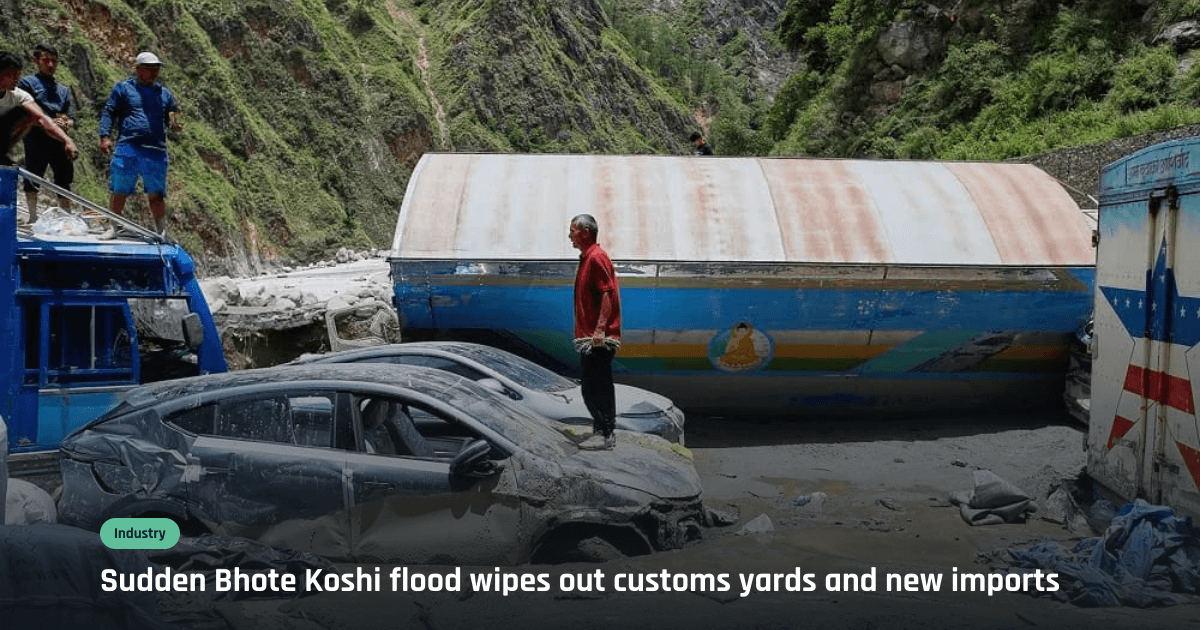
Despite the customs success, logistics remain a challenge. Heavy rainfall and landslides between Ashoj 8 and 12 damaged the Kaligandaki Corridor, leaving over 1,500 vehicles stranded in Mustang. While the road reopened on Ashoj 23, muddy conditions and potholes continue to hinder transport. The Kaligandaki Corridor Road Project is currently working to repair damaged sections to help move the backlog of vehicles toward Kathmandu.
This rapid shift to the Korala border has proven essential for maintaining vehicle supply chains while major northern trade routes remain closed.
Writes on vehicle pricing, taxation and the Nepali auto market from ongoing tracking of distributor price lists. Editorial policy.