Start with the numbers
Compare at a glance
Top available variants, with prices in Nepalese rupees. Expand details to choose another variant.
| At a glance | BYD Atto 2 EV | Dongfeng Nammi Vigo |
|---|---|---|
| Ex-showroom price | Rs 52 lakh | Rs 43.99 lakh |
| Fuel | Electric | Electric |
| Selected variant | Superior | E2+ |
| What owners say | Read owner feedback ↗ | Read owner feedback ↗ |
Ex-showroom prices exclude registration, road tax and insurance. Specifications can vary by trim. See individual source-check dates ↓
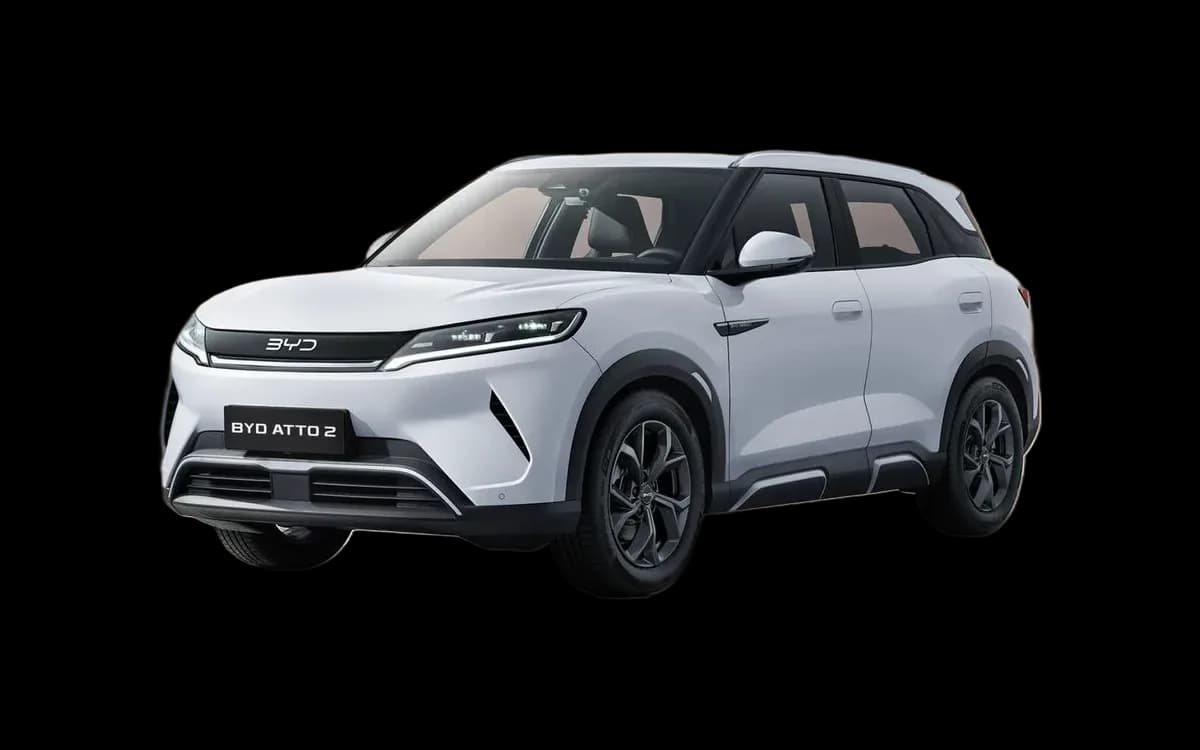
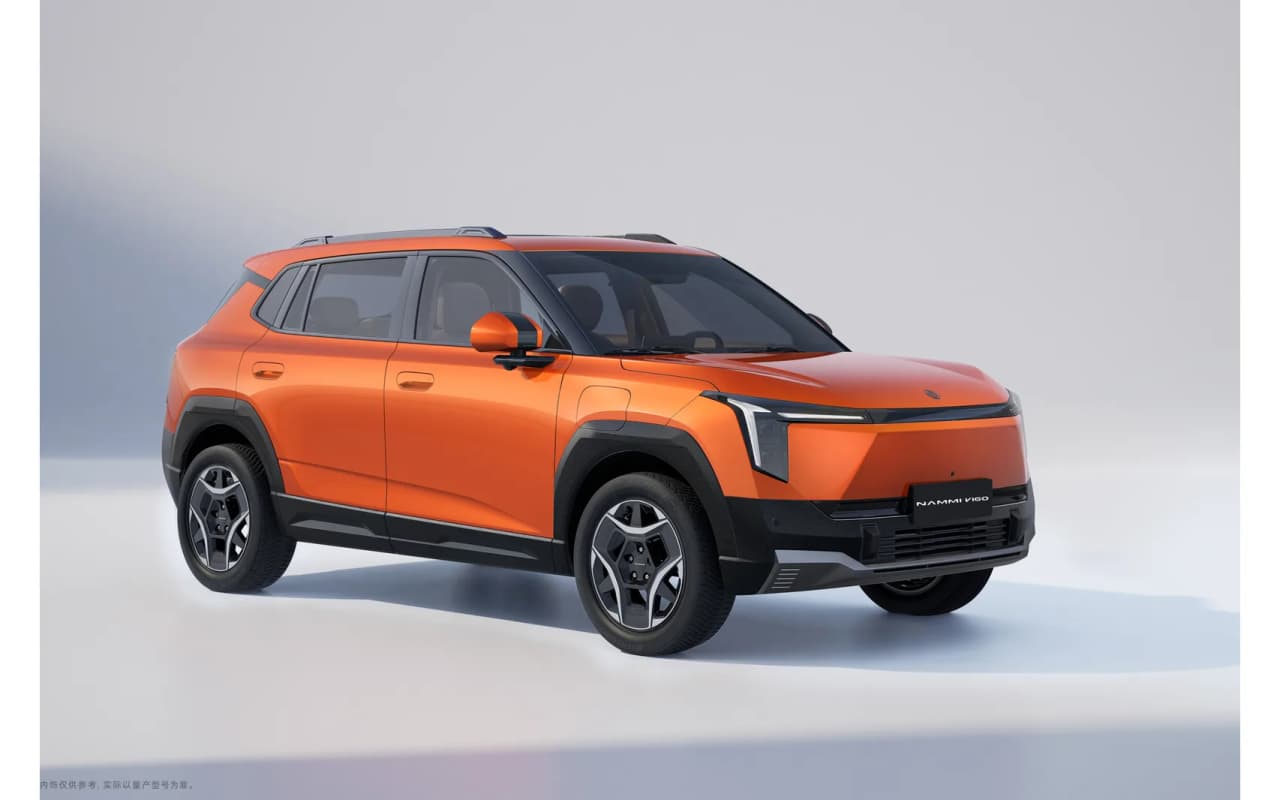
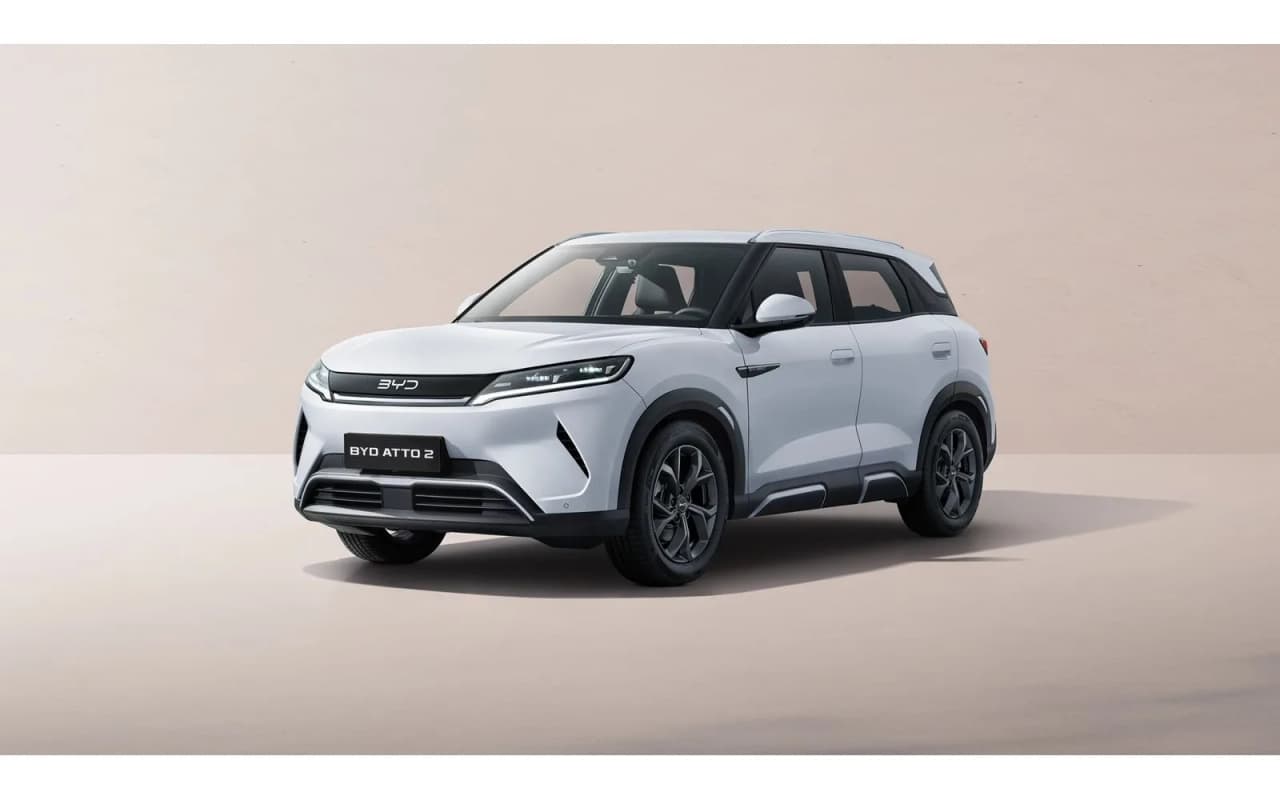
Choosing between the BYD Atto 2 EV and the Dongfeng Nammi Vigo is one of the most common dilemmas for Nepali families moving into the electric crossover segment. Both vehicles offer a lift in ground clearance and features compared to smaller hatchbacks, yet they target different priorities. If your daily commute involves steep climbs or broken tarmac, the Atto 2 EV is likely better; if you need maximum luggage space and a lower entry price, the Nammi Vigo stands out. This comparison focuses on the top-tier configurations available in Nepal: the BYD Atto 2 EV Superior (Rs 52 lakh) and the Dongfeng Nammi Vigo E2+ (Rs 43.99 lakh).
Specifications and Performance
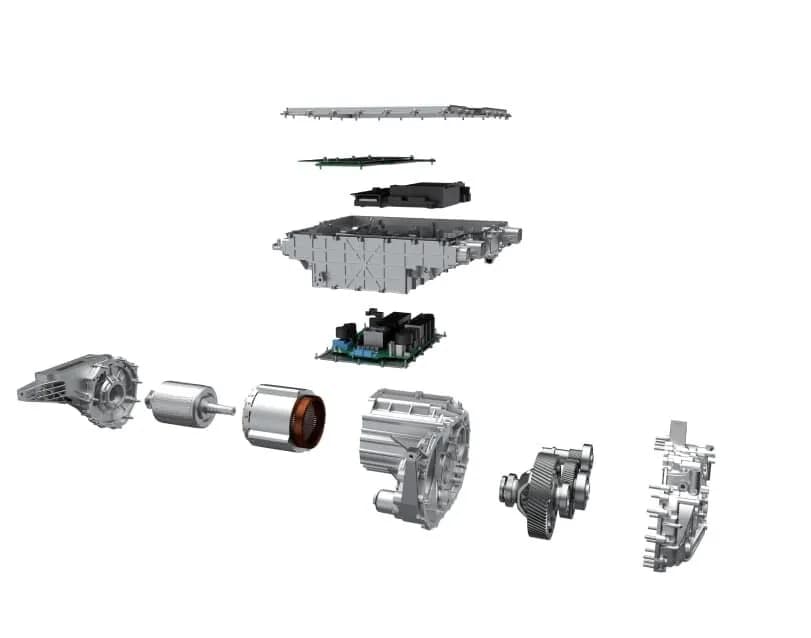
Performance on Nepali roads is not just about speed; it is about how easily a car handles a full load of passengers on a steep incline. The BYD Atto 2 EV Superior uses a motor producing 135.96 PS and a massive 290 Nm of torque. This torque figure is the defining feature of the Atto 2. It provides effortless pulling power that makes overtaking on the Prithvi Highway feel safe and predictable. The 0-100 km/h sprint is handled in 9 seconds, which is brisk for a family crossover.
The Dongfeng Nammi Vigo E2+ produces a nearly identical 134.6 PS, but its torque is much lower at 180 Nm. While this is plenty for city driving in Kathmandu, the Nammi feels more leisurely when climbing towards Nagarkot or Chandragiri compared to the punchy BYD. The Nammi is tuned for comfort and smoothness rather than raw performance.
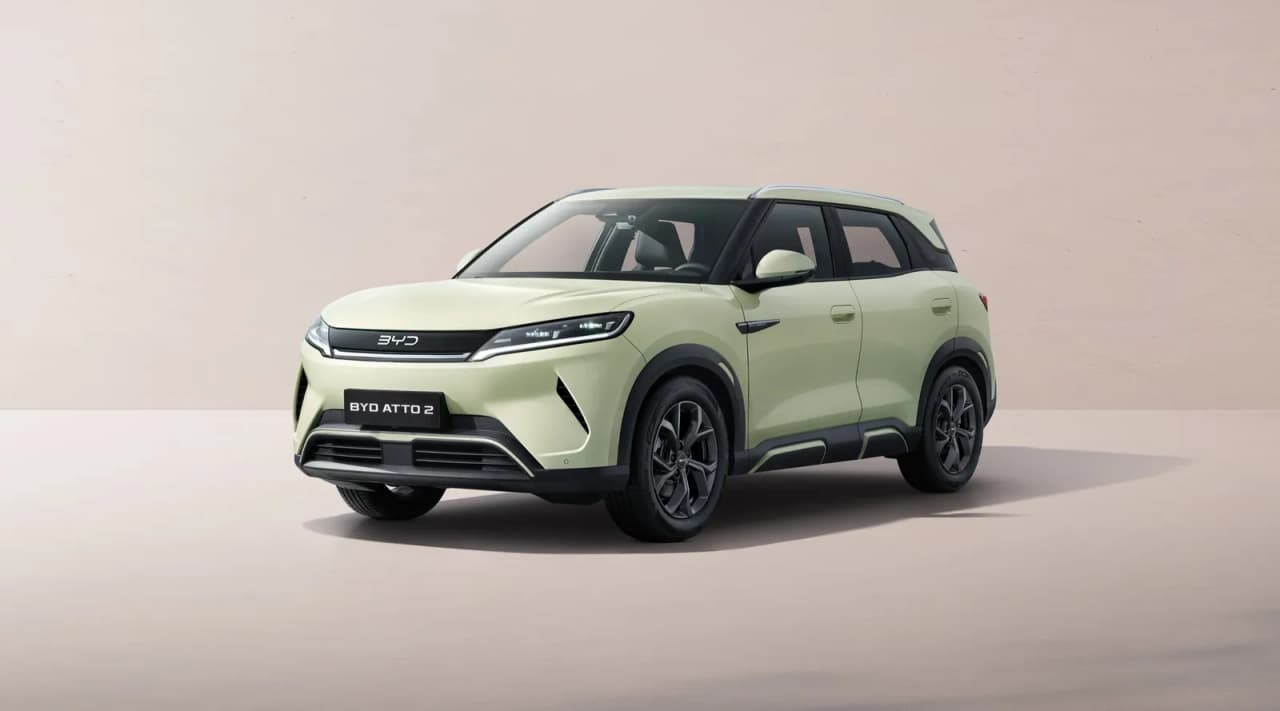
Battery technology is a close match. The BYD Atto 2 Superior has a 51.13 kWh battery offering a 345 km WLTP range. The Dongfeng Nammi Vigo E2+ has a slightly larger 51.87 kWh battery and a claimed 350 km WLTP range. Because the range figures are on the same test cycle, the Nammi Vigo offers a marginal 5 km advantage. In practice, both will comfortably handle a trip from Kathmandu to Pokhara on a single charge if driven sensibly.
Ride, Handling, and Ground Clearance
Ground clearance is the top priority for many buyers transitioning from hatchbacks to crossovers. The BYD Atto 2 EV offers 200 mm of clearance, which is among the best in its class. This height allows drivers to navigate deep potholes and high speed breakers without the constant fear of scraping the battery pack. It uses a MacPherson strut front suspension and a torsion beam rear setup that is tuned to be firm enough to handle its weight but soft enough for city comfort.
The Dongfeng Nammi Vigo sits slightly lower with 190 mm of ground clearance. While still very capable on Nepali roads, it is 10 mm lower than the BYD. The Nammi is widely praised for its high-quality interior materials, but the steering feel is notably light. This makes it very easy to park in tight Lalitpur alleys, but some drivers may find it lacks precision at higher highway speeds. The BYD steering feels slightly more connected and weighted.
Practicality and Space
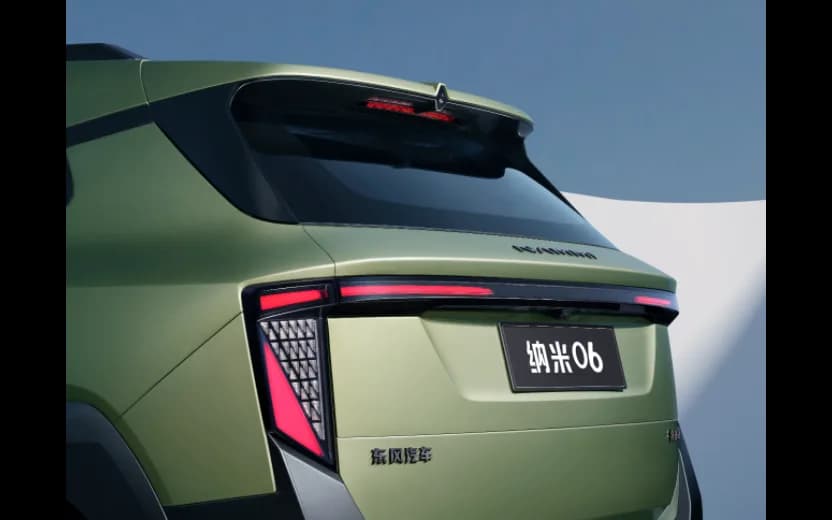
This is where the Dongfeng Nammi Vigo takes a significant lead. Despite having similar external dimensions, the Nammi Vigo has a 572-litre boot. This is substantially larger than the 380-litre boot in the BYD Atto 2 EV. For a family of five going on a week-long holiday, the Nammi can swallow several large suitcases while the BYD requires more careful packing.

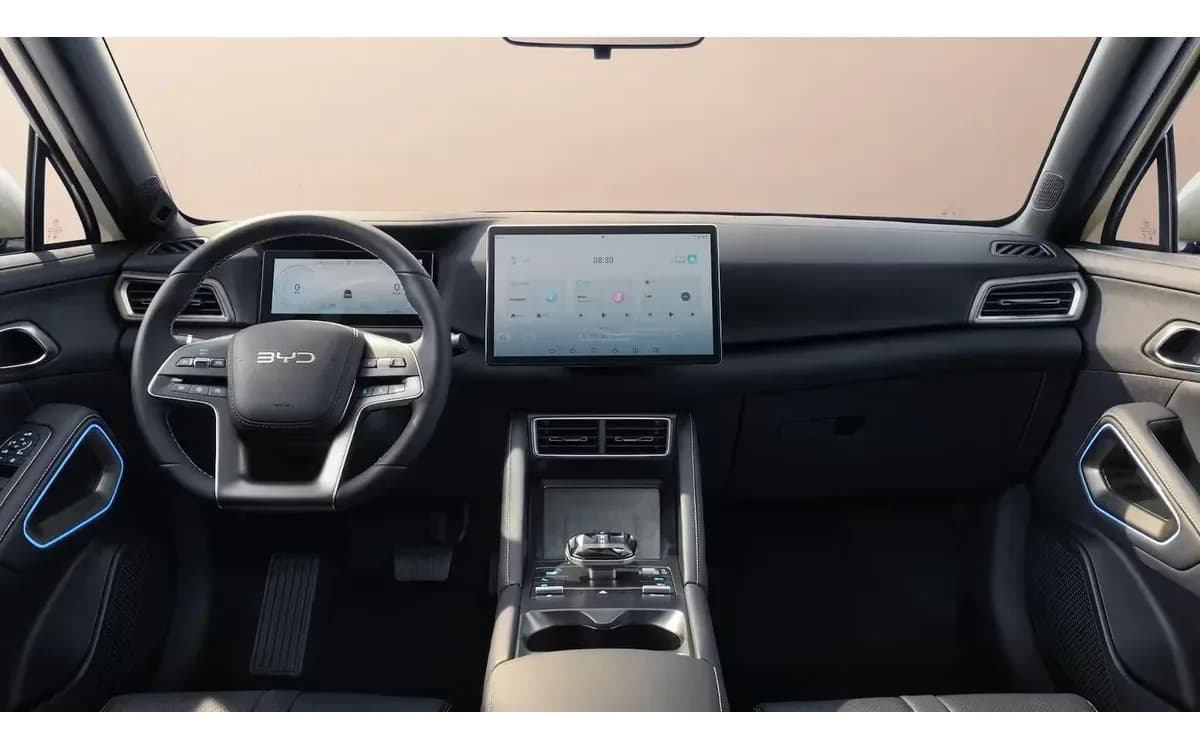
The Nammi Vigo also features a longer wheelbase of 2660 mm compared to the 2620 mm in the Atto 2. This extra length translates into better rear legroom. Inside the cabin, the Nammi Vigo feels more like a lounge, with front seats that can lie flat and a driver seat welcome function that slides the seat back to make getting in and out easier. The BYD Atto 2 EV counters with a more futuristic, tech-heavy cabin featuring its signature 12.8-inch rotating touchscreen and ventilated front seats, which are a blessing during the hot months in the Terai.
Running Cost and Ownership
Both vehicles are highly efficient. Calculating the energy use based on their battery size and WLTP range shows how affordable they are to run.
- Dongfeng Nammi Vigo E2+: 51.87 kWh / 350 km = 0.148 kWh per km.
- BYD Atto 2 Superior: 51.13 kWh / 345 km = 0.148 kWh per km.
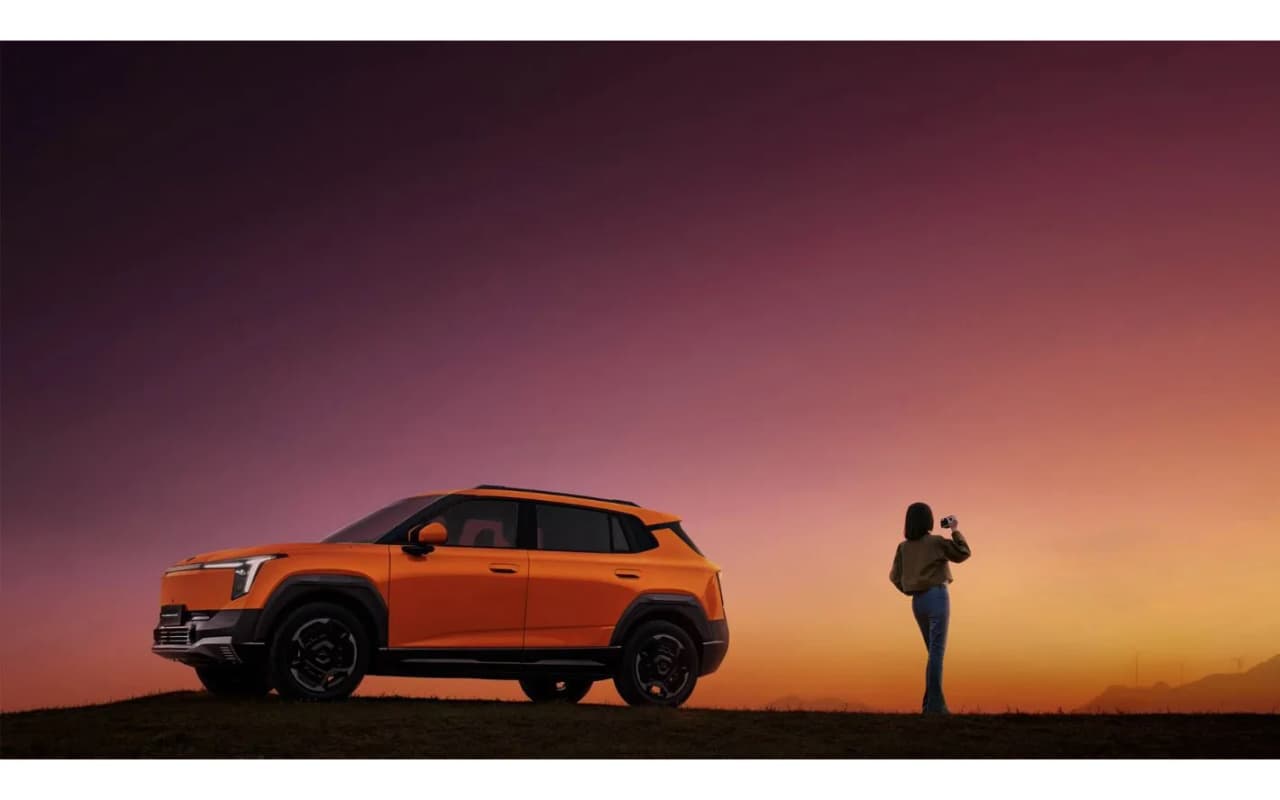
At an average cost of Rs 10 per unit (kWh) of electricity, both cars cost approximately Rs 1.48 per kilometre to drive. This is a fraction of the cost of a petrol SUV in the same size bracket.
Charging is another area of difference. The Nammi Vigo E2+ claims a massive 167 kW DC fast charging capability, though finding chargers that output this much power in Nepal is currently difficult. The BYD Atto 2 Superior is rated for 65 kW DC charging (with the Premium variant supporting up to 82 kW). While the Nammi has the higher ceiling for speed, the BYD ecosystem in Nepal is more mature. BYD has 50 showrooms and 29 service centres across the country, providing a wider safety net for long-distance travellers. Dongfeng is expanding rapidly through MAW Vriddhi and currently has 38 showrooms and 19 service centres.
Features and Safety
Both top-spec models are well-equipped with Level 2 ADAS (Advanced Driver Assistance Systems). This includes adaptive cruise control, lane departure warnings, and automatic emergency braking.
The Dongfeng Nammi Vigo E2+ includes a panoramic moonroof, 360-degree camera, and six airbags as standard. Its interior is known for door panel music-synced ambient lighting and a smart LCD instrument cluster.
The BYD Atto 2 EV Superior matches the six airbags and 360-degree camera but adds comfort features like powered and ventilated front seats and a wireless charging pad. It also supports V2L (Vehicle-to-Load), which allows you to use the car's battery to power external electrical appliances—a popular feature for camping or during power cuts.
Variants and Pricing
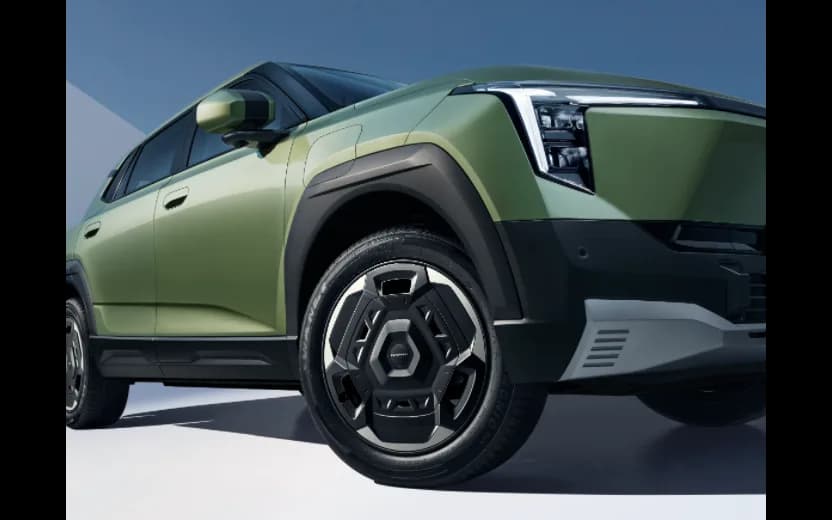
The price gap between these two vehicles is significant. The Nammi Vigo is positioned as a high-value alternative, while the BYD commands a premium for its brand reputation and higher performance figures.
BYD Atto 2 EV Trims:
- Essential: Rs 45.95 lakh
- Premium: Rs 48.99 lakh
- Superior: Rs 52 lakh
Dongfeng Nammi Vigo Trims:
- E2: Rs 37.99 lakh
- E2+: Rs 43.99 lakh
Verdict: Which Should You Buy?
The BYD Atto 2 EV is the right choice if your budget allows for the Rs 52 lakh price tag and you prioritise driving dynamics. Its 290 Nm of torque makes it a much better hill climber, and the 200 mm ground clearance provides more peace of mind on unpaved roads. It also benefits from the most extensive EV service network in Nepal.
The Dongfeng Nammi Vigo is the winner for value-conscious families. At Rs 43.99 lakh for the top E2+ trim, it is Rs 8 lakh cheaper than the top BYD while offering a larger boot, a longer wheelbase, and slightly more range. If your driving is primarily in the city and on highways, and you need to carry a lot of luggage, the Nammi Vigo is the more practical tool. Its main limitation is the smaller torque output, which requires a more patient driving style on steep mountain passes.
For current variant-wise figures, see BYD Atto 2 EV price in Nepal and Dongfeng Nammi Vigo price in Nepal — both pages are updated whenever a distributor changes a price.
FAQ
What are the common issues with the Dongfeng Vigo? Common feedback includes a steering feel that is too light at high speeds and an acceleration curve that feels slow compared to high-torque rivals. Some owners also find the lane-keep assist system to be overly intrusive on narrow Nepali highways.
Is Dongfeng Vigo reliable? While the vehicle is praised for its high-quality interior and real-world range, the brand is newer to the Nepali market than BYD. Reliability is supported by an 8-year or 150,000 km warranty on the battery and motor, providing long-term assurance for buyers.
Compare BYD Atto 2 EV vs Dongfeng Nammi Vigo variant by variant
Real buyers, real ownership
What owners are saying
Compiled owner and buyer discussion for each vehicle — likes, complaints and the questions buyers ask.
Explore full specifications, variants & ownership context
Compare the exact variants
Specifications, features & ownership context
Choose a variant for each vehicle. The facts below follow that exact trim; the article explains the trade-offs.
Latest catalog and directory records supplement the original analysis. Figures may have changed since publication; individual specification and price-check dates appear below.
BYD Atto 2 EV
Rs 52 lakh ex-showroom · source checked 15 Nov 2026
Dongfeng Nammi Vigo
Rs 43.99 lakh ex-showroom · source checked 15 Nov 2026
Battery & charging
| Specification / feature | BYD Atto 2 EV | Dongfeng Nammi Vigo |
|---|---|---|
| Battery | 51.13 kWhVerified specification · 10 Nov 2026 | 51.87 kWhVerified specification · 4 Nov 2026 |
| Claimed range | 345 km (WLTP)Verified specification · 10 Nov 2026 | 350 km (WLTP)Verified specification · 4 Nov 2026 |
Dimensions & weight
| Specification / feature | BYD Atto 2 EV | Dongfeng Nammi Vigo |
|---|---|---|
| Ground clearance | 200 mmResearched · confirm · 14 Nov 2026 | 190 mmResearched · confirm · 8 Nov 2026 |
| Boot space | 380 LVerified specification · 10 Nov 2026 | 572 LVerified specification · 10 Nov 2026 |
Claimed range uses the stated test cycle. Different cycles are not a like-for-like range comparison; actual range depends on roads, load, speed and weather.
BYD Atto 2 EV
Showroom & service support
Distributor: Cimex Inc. Pvt. Ltd.
BYD showrooms in Kathmandu (50 showrooms nationwide) · BYD service centers in Kathmandu (29 service locations nationwide)
Listed cities include Banepa, Bhairahawa, Bhaktapur, Bharatpur, Biratnagar, Birgunj and 10 more.
Brand-wide directory coverage. Confirm that your nearest workshop supports this exact model, powertrain and warranty work; ask about parts availability and booking time.
Market buzz & buyer priorities
Compiled discussion, including buyer reactions and ownership reports; this is not a verified owner survey or a reliability score. Research dated 28 Oct 2026.
What people like
- Premium feel with panoramic glass roof
Nepal ownership context
- Buyers view this as the necessary SUV upgrade over the BYD Dolphin due to the increased ground clearance
- The 100kW motor configuration is specifically chosen to fit Nepal's tax brackets for EVs
- Cimex Inc's expanding service network in cities like Butwal and Narayanghat increases buyer confidence
More feedback
- Its published 200 mm ground clearance is a major Nepal buying point for broken urban roads, speed breakers and occasional highway travel.
- The Atto 2's charging capability is higher than the output of many Nepali public fast chargers, so real charging stops can take longer than the vehicle's maximum charging specification suggests.
- BYD's established Nepal sales and service network is a major reason buyers consider the Atto 2, but buyers still ask dealers to clarify spare-parts availability, warranty handling and delivery inspection before payment.
- The 380-litre boot is adequate for daily family use but may feel limited for buyers who regularly carry large luggage on Nepal road trips.
Dongfeng Nammi Vigo
Showroom & service support
Distributor: MAW Vriddhi
Dongfeng showrooms in Kathmandu (38 showrooms nationwide) · Dongfeng service centers in Kathmandu (19 service locations nationwide)
Listed cities include Bhaktapur, Bharatpur, Biratnagar, Birgunj, Birtamode, Butwal and 8 more.
Brand-wide directory coverage. Confirm that your nearest workshop supports this exact model, powertrain and warranty work; ask about parts availability and booking time.
Market buzz & buyer priorities
Compiled discussion, including buyer reactions and ownership reports; this is not a verified owner survey or a reliability score. Research dated 29 Oct 2026.
What people like
- Premium cabin feel and high-quality interior materials for the price point
- Real-world range performance that closely matches manufacturer claims
- Smooth, quiet, and effortless driving experience in Kathmandu traffic
More feedback
- Effective suspension setup that handles potholes and speed bumps well
- Spacious interior with a practical, deep three-level boot
Concerns to investigate
- front wheel drive is a drawback
Nepal ownership context
- Ground clearance of 190 mm is well-regarded for navigating rough Nepali road conditions
- Service network is still expanding, leading to some buyer caution regarding long-term maintenance
- Pricing is competitive, with the E2 and E2+ variants positioned to challenge established budget EV rivals
More feedback
- Home charging is widely used and considered convenient for daily valley commuting
- Around 190 mm of ground clearance and a comfortable suspension make the Vigo suitable for speed breakers, urban potholes and many rough Nepali roads, although repeated sharp bumps can unsettle the rear axle.
- MAW Vriddhi handles sales and service in Nepal, with coverage in Kathmandu Valley and major cities including Pokhara, Chitwan, Butwal, Itahari, Biratnagar, Birgunj, Janakpur, Dang and Nepalgunj.
- Service coverage is broader than that of some new EV brands, but buyers outside major cities are advised to confirm local workshop capability and parts support before purchase.
Use these facts alongside the article’s full analysis. Check the final quotation, warranty terms and exact equipment before booking.
Evidence & next steps
Check the details before you buy
Use this guide to build a shortlist. Ask for a written quotation for your chosen variant, including registration, taxes, insurance, finance charges and any charger installation. Confirm the nearest authorised workshop supports that model.
Price sources and dates
These are the recorded distributor-source checks for the selected overview trims. They are separate from the article update and catalog read dates; they do not mean every trim was rechecked today. Confirm the final price with the distributor.
Overview photos come from the corresponding model records; additional article photos carry their own credits. Running costs depend on usage, energy prices, maintenance, insurance and resale value.