Start with the numbers
Compare at a glance
Top available variants, with prices in Nepalese rupees. Expand details to choose another variant.
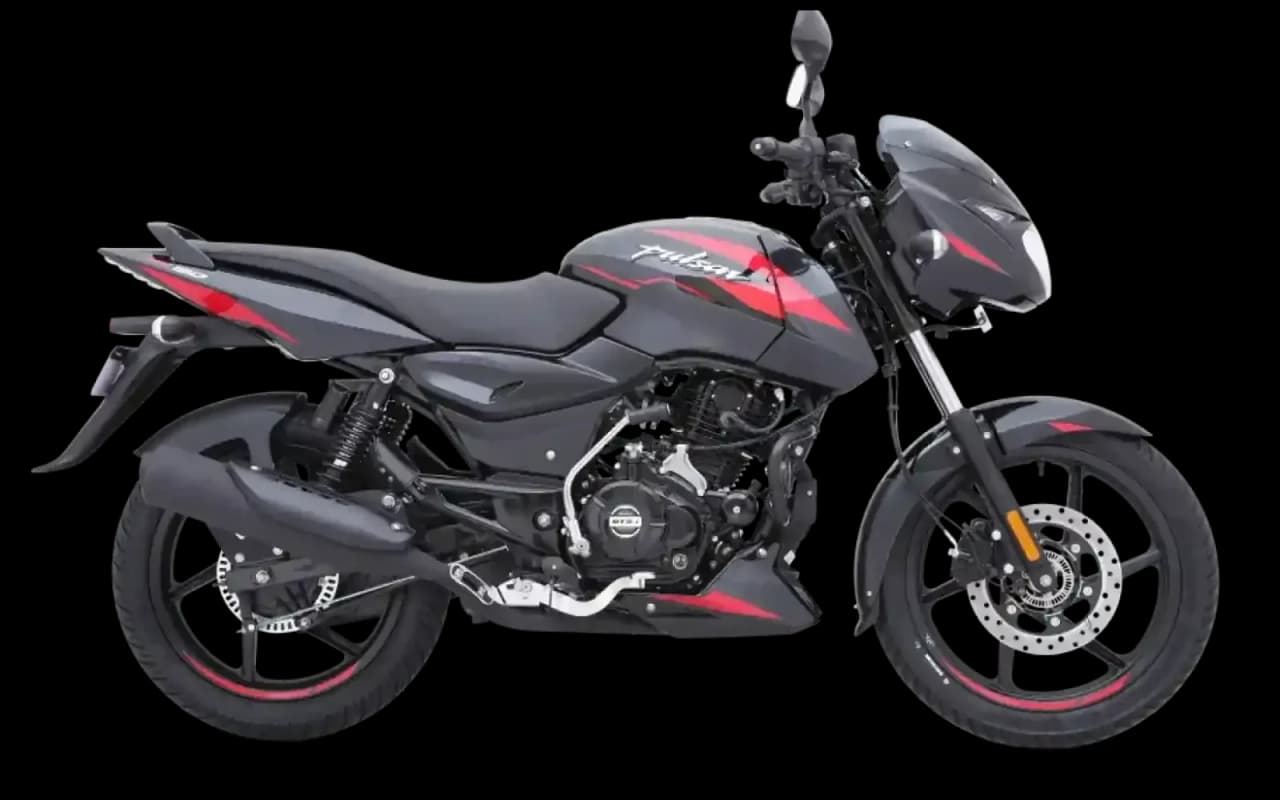
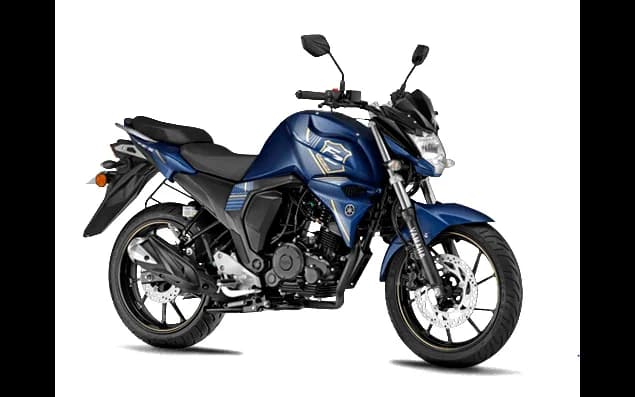
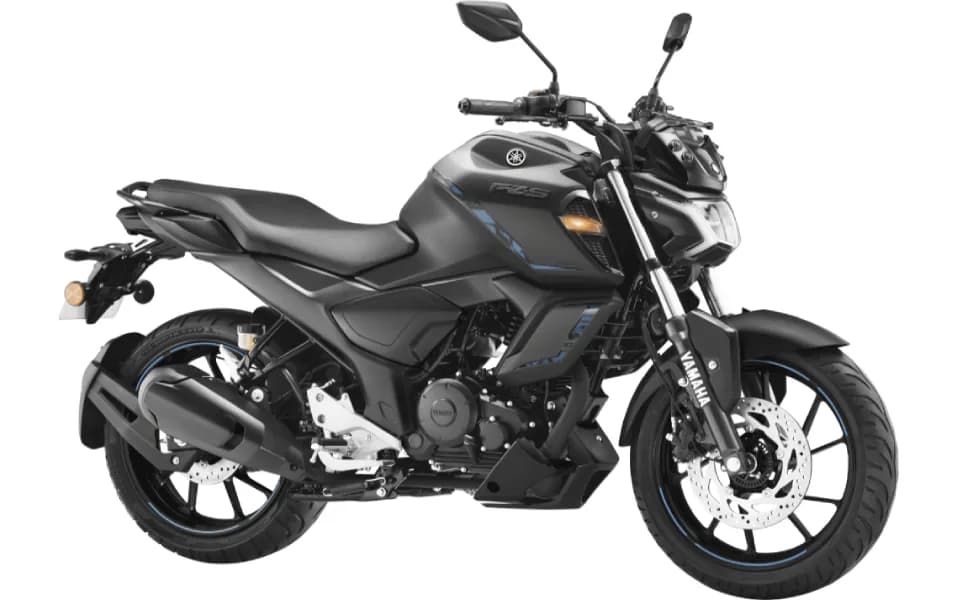
| At a glance | Bajaj Pulsar 150 | Yamaha FZS V2 | Yamaha FZS |
|---|---|---|---|
| Ex-showroom price | Rs 3.81 lakh | Rs 3.85 lakh | Price on request |
| Fuel | Petrol | Petrol | Petrol |
| Selected variant | Pulsar 150 TD | FZS FI V2 | FZ-S FI V4 |
| What owners say | Read owner feedback ↗ | Read owner feedback ↗ | Read owner feedback ↗ |
Ex-showroom prices exclude registration, road tax and insurance. Specifications can vary by trim. See individual source-check dates ↓
Choosing between the Bajaj Pulsar 150 vs Yamaha FZS V2 is a decision that defines the Nepali motorcycling experience. These two machines have dominated the 150cc segment for years, yet they serve very different riders. If you are looking for a rugged companion for long highway stretches and hilly climbs, the Pulsar 150 legacy is hard to ignore. Conversely, if your daily life involves carving through Kathmandu’s dense traffic with maximum ease, the FZS V2 offers a level of refinement and weight management that few can match. This comparison looks beyond the spec sheets to see how these bikes actually perform on Nepali roads.
Specifications and Performance
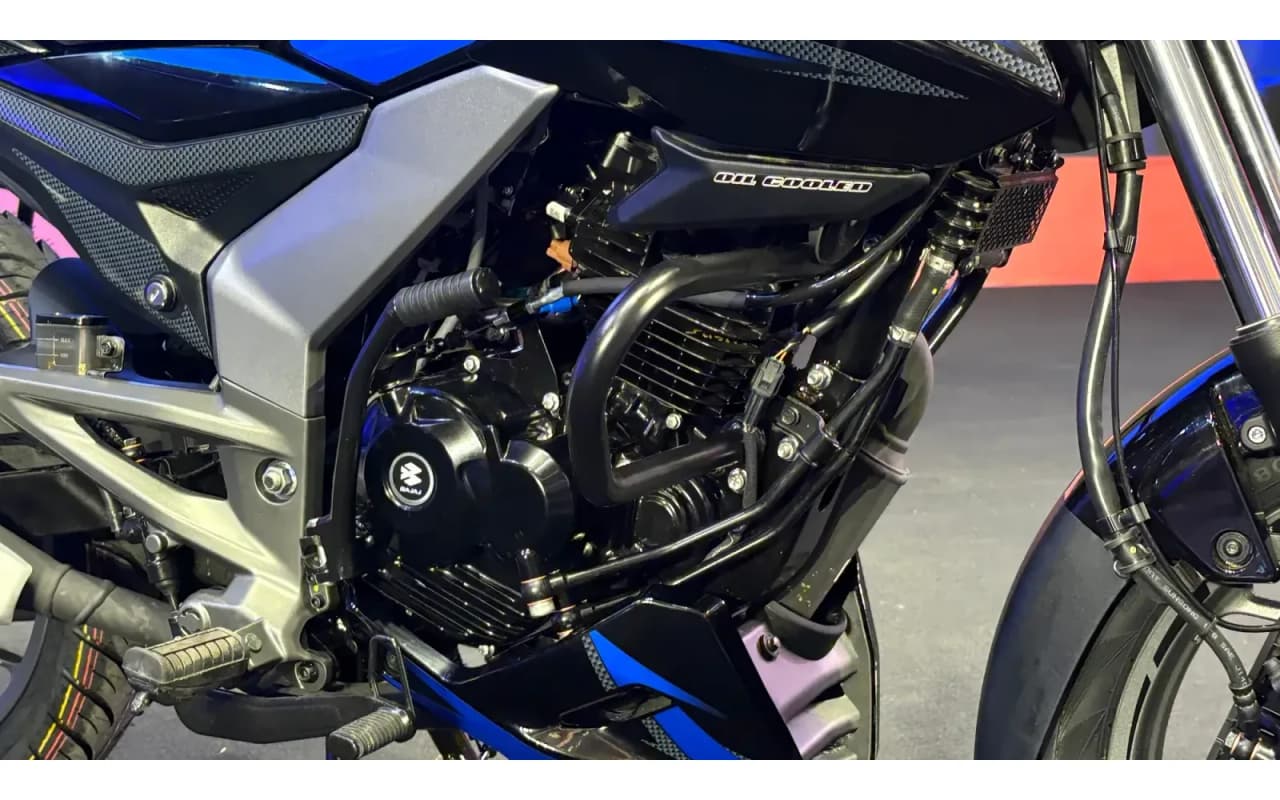
When we look at the heart of these machines, the Bajaj Pulsar 150 TD and the Yamaha FZS FI V2 represent two different philosophies of engine tuning. The Pulsar 150 TD uses a 149.5 cc air-cooled engine featuring DTS-i technology. It produces 14 PS of power and 13.4 Nm of torque. This engine is tuned for a strong low-end punch, which makes it particularly effective when pulling a pillion passenger up the steep inclines of the Kathmandu Valley rim.
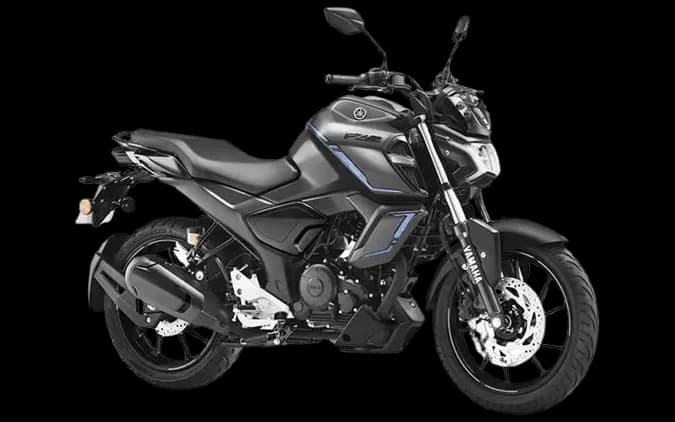
Yamaha FZS FI V2 takes a more surgical approach with its 149 cc Blue Core fuel-injected engine. While its power output is lower at 12.4 PS, and torque stands at 13.3 Nm, the fuel injection system provides a much smoother throttle response than a traditional carbureted setup. However, there are varying reports on the exact horsepower figures for this Yamaha unit, and the specific output remains unconfirmed in some technical datasets. Despite having slightly less power on paper, the Yamaha feels incredibly responsive because it is significantly lighter. The Yamaha FZS V2 has a kerb weight of just 133 kg, making it 17 kg lighter than the 150 kg Bajaj Pulsar 150 TD. That weight difference is massive; it allows the Yamaha to accelerate briskly despite the lower power figure.
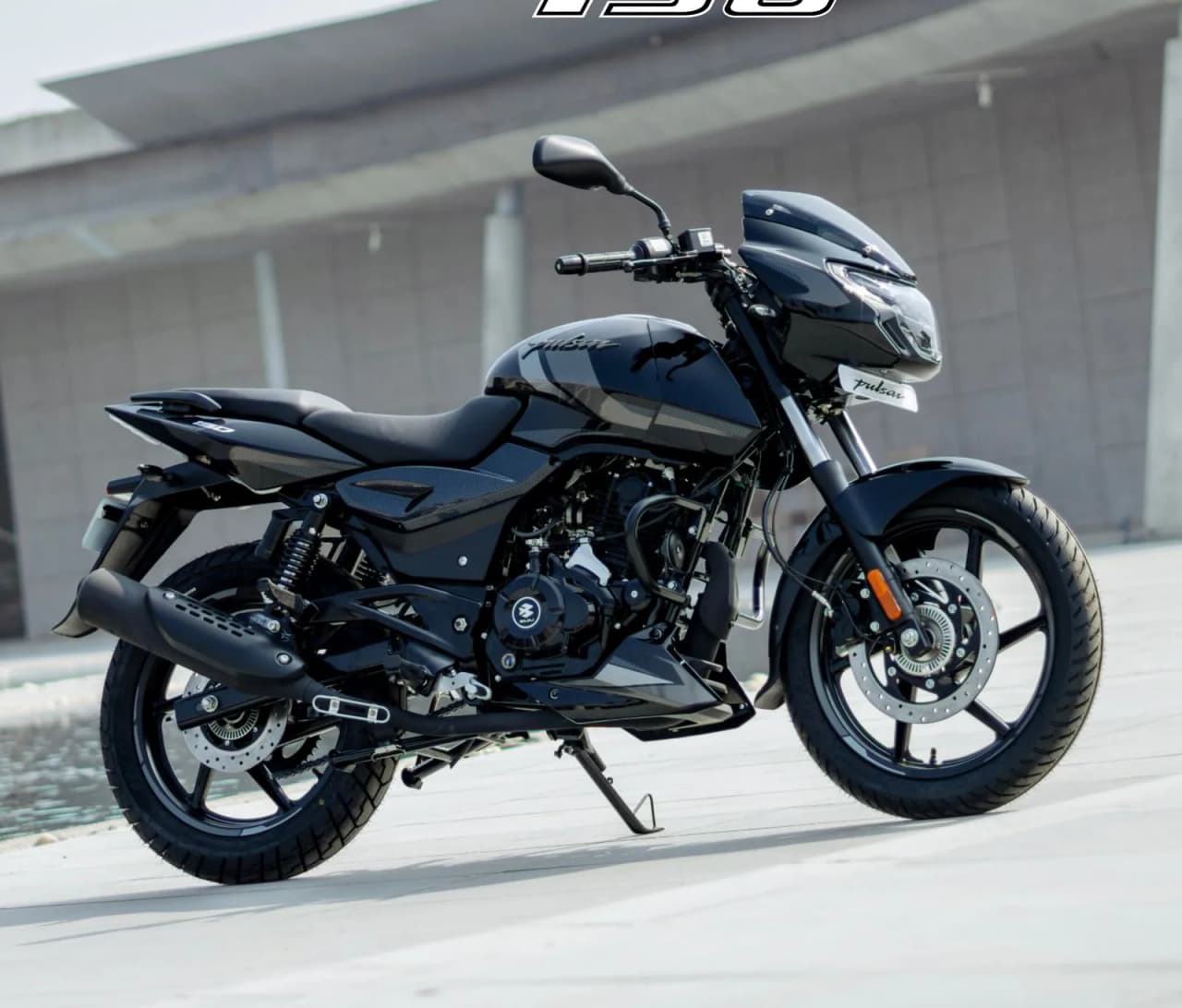
In terms of braking, the Bajaj Pulsar 150 TD features a twin-disc setup with a 280 mm disc at the front and a 230 mm disc at the rear. The Yamaha FZS V2 in its standard FI trim usually utilizes a front disc and a rear drum brake, though modern variants include ABS. Both bikes offer single-channel ABS as a standard safety feature, ensuring the front wheel does not lock up during emergency braking on Nepal’s often dusty and slippery asphalt.
Variants and Which Trim
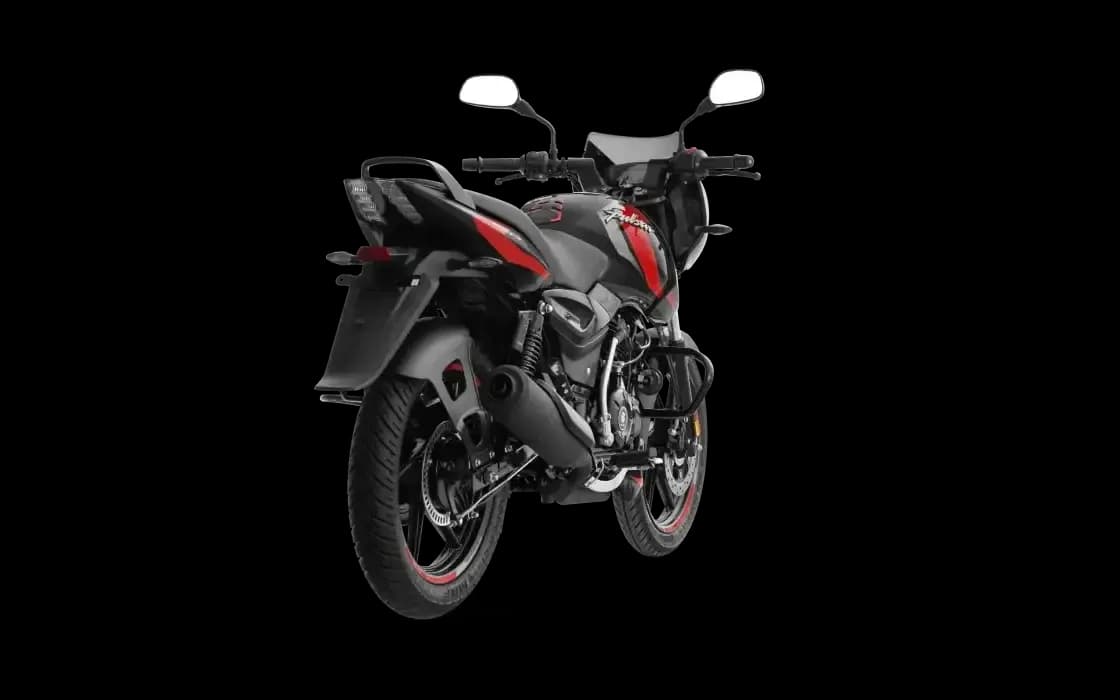
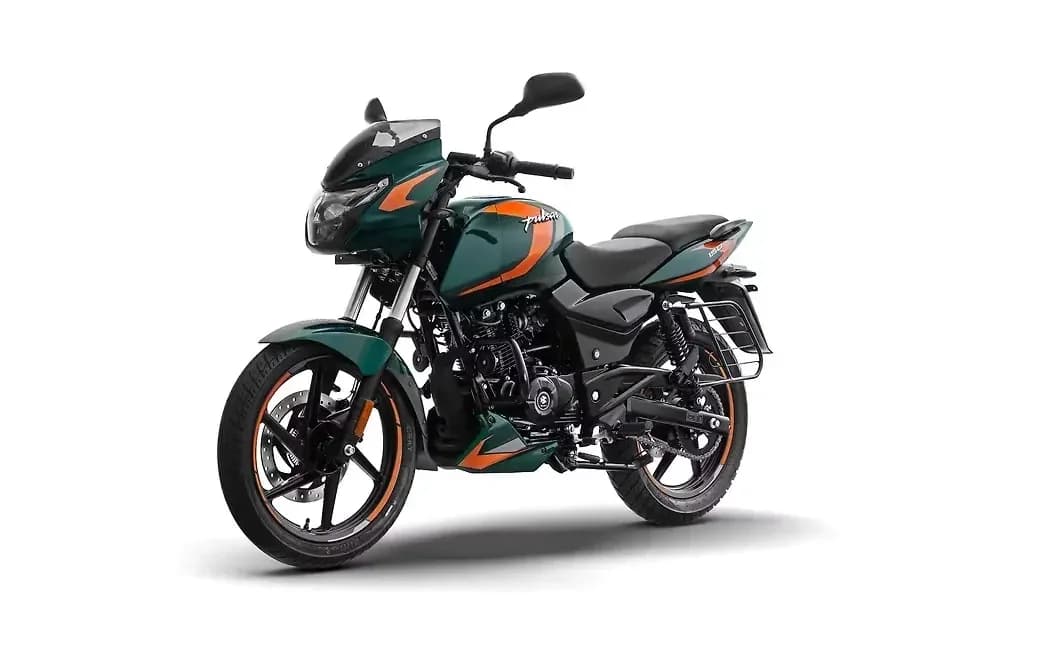
The Bajaj Pulsar 150 is available in two distinct variants that cater to different price points. The entry-level Pulsar 150 SD (Single Disc) is priced at Rs 3.68 lakh. This version uses a 130 mm drum brake at the rear and a 1320 mm wheelbase. Stepping up to the Pulsar 150 TD (Twin Disc) costs Rs 3.81 lakh, a premium of Rs 0.13 lakh. For this extra investment, you get more than just a rear disc brake. The TD variant features a longer 1345 mm wheelbase and a wider 120/80-17 rear tyre, which provides noticeably better stability at higher speeds and during heavy braking.
The Yamaha FZS V2 keeps the lineup simpler with the FZS FI V2 variant priced at Rs 3.85 lakh. This sits at the top of the price bracket for this comparison. While it is the most expensive option here, the cost covers the fuel injection system, which generally requires less frequent tuning than a carburetor and offers better cold-start reliability during Nepal’s winter months.
Pros and Cons
Based on long-term market observation and owner feedback, both bikes have clear strengths and weaknesses that potential buyers should consider.
Bajaj Pulsar 150 owners widely praise the bike for its rugged reliability and the sheer ease of finding affordable spare parts. It is often described as the default commuter that gets the basics right. The 15-litre fuel tank is a significant advantage, providing a long range between refills. However, some users have reported that the bike starts to feel a bit unrefined at high speeds, with vibrations creeping into the handlebars and footpegs. There have also been occasional reports of weak batteries affecting the self-start system over time.
Yamaha FZS V2 is consistently lauded for its fuel efficiency, with owners reporting real-world mileage of 45-50 km/l in city traffic. The seating comfort is frequently cited as superior to newer versions, making it a favorite for those who spend hours in the saddle. On the downside, Yamaha parts are generally more expensive than Bajaj components. While the suspension is great for absorbing bumps, the seat can feel uncomfortable for the pillion when carrying heavy loads or during long downhill descents.
Rivals and Alternatives
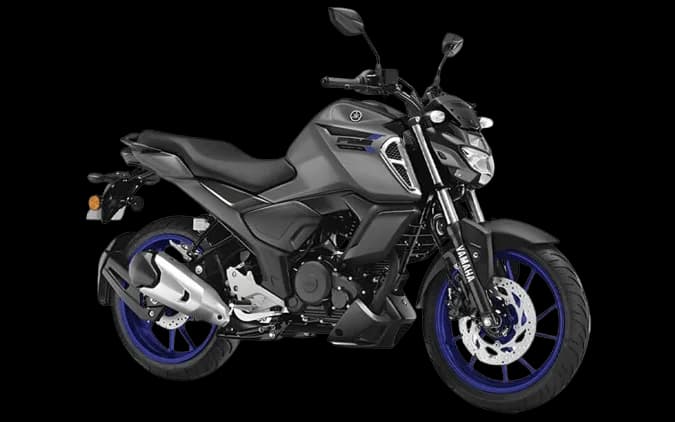
The 150cc segment in Nepal is incredibly competitive. While the Pulsar and FZS are the leaders, they face stiff competition from models like the TVS Apache RTR 160 4V and the Hero Xtreme 160R. The Pulsar 150 often wins on resale value, which is considered the best in its class in Nepal. The Yamaha FZS V2 competes by offering a more premium 'big bike' look with its muscular tank and wide 140-section radial rear tyre, a feature the narrower-tyred Pulsar cannot match.
Verdict / Who Should Buy It
The final choice depends heavily on where you live and how you intend to use the motorcycle.
If you live outside the Kathmandu Valley in cities like Aanbu Khaireni, Attariya, or Baglung, the Bajaj Pulsar 150 is the practical choice. Bajaj has 149 service centres across Nepal, whereas Yamaha has 86 service centres. The deeper reach of the Bajaj service network means you are never too far from a technician who knows your bike. For those on a tighter budget, the Pulsar 150 SD at Rs 3.68 lakh is the most accessible entry point into the 150cc category.
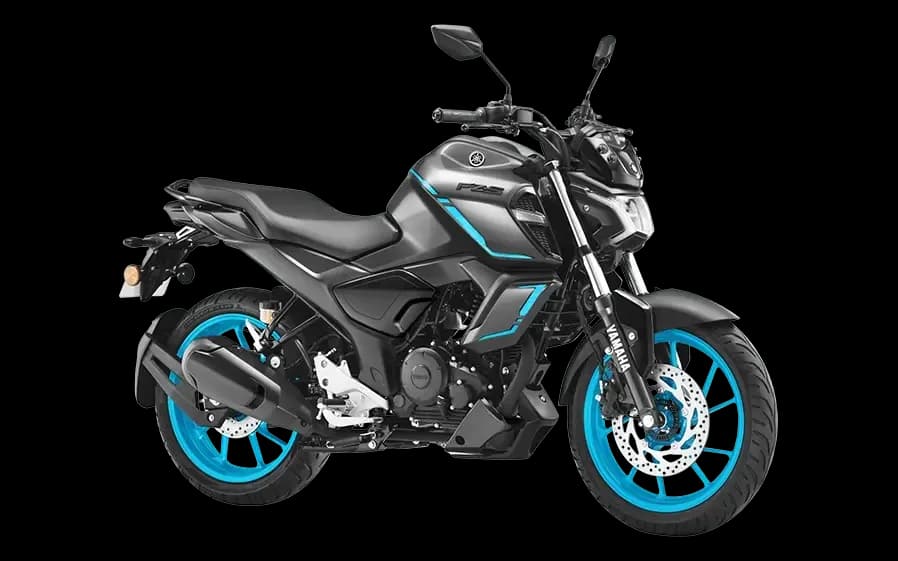
If you primarily ride within the Kathmandu Valley and prioritize ease of handling, the Yamaha FZS V2 is the better fit. Its 133 kg weight makes it incredibly easy to flick through traffic and park in tight spots. It is the refined choice for the urban professional who wants a smooth, fuel-injected ride and doesn't mind paying a small premium for that technology.
For those who frequently ride on hills and rough roads with a pillion, the Bajaj Pulsar 150 TD wins. Its 14 PS power output and 13.4 Nm of torque provide the extra grunt needed for steep climbs where the Yamaha might feel slightly underpowered.
Running Cost and Ownership
Both motorcycles are highly efficient, with a claimed mileage of 50 km/l. In real-world Nepali conditions, you can expect between 45 and 50 km/l depending on your riding style.
Running costs for the Bajaj Pulsar 150 are generally lower because of the massive availability of aftermarket and genuine spare parts at competitive prices. Bajaj also offers a generous 5-year warranty, which provides long-term peace of mind.
Yamaha FZS V2 ownership involves a 2-year or 30,000 km warranty. Yamaha provides 6 free services, which is a helpful benefit for new owners. However, you must be diligent with the service schedule; missing a service by more than 100 days or using non-genuine oil will void the warranty. While the fuel injection system helps with mileage, the higher cost of Yamaha consumables like brake pads and filters means the Pulsar is slightly cheaper to maintain over a three-year period.
For current variant-wise figures, see Bajaj Pulsar 150 price in Nepal and Yamaha FZS V2 price in Nepal — both pages are updated whenever a distributor changes a price.
FAQ
What is the warranty period for the Bajaj Pulsar 150? The Bajaj Pulsar 150 comes with a 5-year warranty provided by the authorized distributor, HH Bajaj.
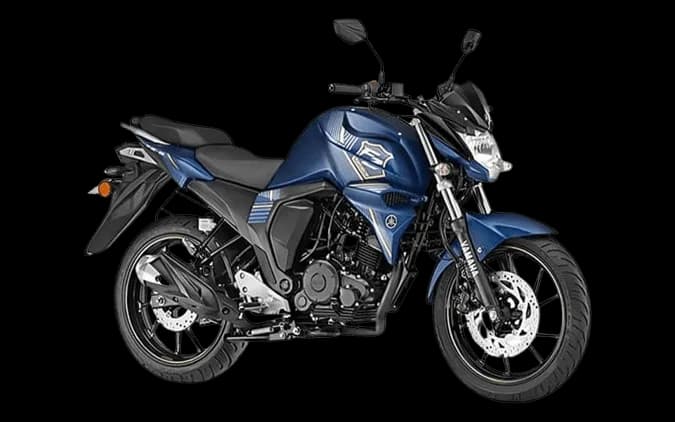
Is FZS V2 discontinued? No, the Yamaha FZS V2 remains available through MAW Rides showrooms in Nepal, positioned as a reliable and comfortable alternative to the newer V3 and V4 models.
How many kilometers should a Bajaj Pulsar 150 be serviced? Service intervals are typically every 2,500 to 3,000 kilometers, though you should consult your specific owner's manual for the official schedule provided by HH Bajaj.
What voids the Yamaha warranty? The Yamaha warranty can be voided by using non-genuine parts or oil, tampering with the electrical system, or failing to follow the service schedule of 6 free and 5 paid services at authorized centers.
Compare Bajaj Pulsar 150 vs Yamaha FZS V2 variant by variant
Real buyers, real ownership
What owners are saying
Compiled owner and buyer discussion for each vehicle — likes, complaints and the questions buyers ask.
Explore full specifications, variants & ownership context
Compare the exact variants
Specifications, features & ownership context
Choose a variant for each vehicle. The facts below follow that exact trim; the article explains the trade-offs.
Latest catalog and directory records supplement the original analysis. Figures may have changed since publication; individual specification and price-check dates appear below.
Bajaj Pulsar 150
Rs 3.81 lakh ex-showroom · source checked 13 Nov 2026
Yamaha FZS V2
Rs 3.85 lakh ex-showroom · source checked 13 Nov 2026
Yamaha FZS
Price not confirmed ex-showroom · source-check date not recorded
Engine & performance
| Specification / feature | Bajaj Pulsar 150 | Yamaha FZS V2 | Yamaha FZS |
|---|---|---|---|
| Engine displacement | 149.5 ccResearched · confirm · 5 Nov 2026 | 149 ccVerified specification · 13 Sept 2026 | — |
| Max power | 14 PSVerified specification · 4 Nov 2026 | 12.4 PSResearched · confirm · 13 Sept 2026 | — |
Brakes, tyres & suspension
| Specification / feature | Bajaj Pulsar 150 | Yamaha FZS V2 | Yamaha FZS |
|---|---|---|---|
| ABS | ABSVerified specification · 4 Nov 2026 | ABSVerified specification · 13 Sept 2026 | — |
Dimensions & weight
| Specification / feature | Bajaj Pulsar 150 | Yamaha FZS V2 | Yamaha FZS |
|---|---|---|---|
| Ground clearance | 165 mmVerified specification · 12 Sept 2026 | 165 mmVerified specification · 13 Sept 2026 | 160 mmResearched · confirm · 27 Sept 2026 |
Bajaj Pulsar 150
Showroom & service support
Distributor: Hansraj Hulaschand & Co. Pvt. Ltd. (HH Bajaj)
Bajaj showrooms in Kathmandu (171 showrooms nationwide) · Bajaj service centers in Kathmandu (149 service locations nationwide)
Listed cities include Aanbu Khaireni, Attariya, Baglung, Banepa, Banepa New, Banganga and 88 more.
Brand-wide directory coverage. Confirm that your nearest workshop supports this exact model, powertrain and warranty work; ask about parts availability and booking time.
Market buzz & buyer priorities
Compiled discussion, including buyer reactions and ownership reports; this is not a verified owner survey or a reliability score. Research dated 20 Oct 2026.
What people like
- N150 is considered excellent by users
- Widely regarded as having the best resale value in the 150cc segment in Nepal
- Extremely reliable engine performance suitable for diverse Nepali terrains
More feedback
- Spare parts are easily available even in remote district headquarters
- Comfortable upright riding posture preferred by daily commuters
- Robust build quality that withstands rough road conditions in rural areas
Concerns to investigate
- New model is seen as a waste of money compared to older models
- Concerns about the reliability of the old model
- Some users feel the new model lacks practicality
More feedback
- Classic model aesthetics are considered dated by younger buyers
- Noticeable engine vibrations when exceeding speeds of 70-80 km/h
- Headlight illumination is often cited as insufficient for night riding on highways
- Gear shifting can feel clunky or hard after the first few thousand kilometers
- The design and equipment feel dated beside newer 150cc and 160cc motorcycles.
What buyers ask for
- Ease of finding affordable spare parts
- High resale value after 3-5 years of use
- Initial down payment and EMI flexibility
Nepal ownership context
- HH Bajaj's extensive service network across Nepal makes it a top choice for riders outside Kathmandu
- The bike's ground clearance is generally adequate for most urban Nepali speed breakers
- Significant demand in the second-hand market keeps depreciation rates lower than competitors like the Apache 160
More feedback
- Fuel efficiency remains a primary driver for the high sales volume in the Nepali market
- Its widespread presence in Nepal makes routine parts and independent mechanic support easier to find than for newer or less-common motorcycles.
- Resale interest remains a practical reason to consider the Pulsar 150, although the exact value depends on variant, model year, mileage, accident history and service records.
- For Kathmandu traffic and Nepal's mixed road conditions, buyers mainly compare its mileage, ground clearance, comfort, maintenance cost and uphill performance.
Yamaha FZS V2
Showroom & service support
Distributor: MAW Rides Pvt. Ltd. (Yamaha Nepal)
Yamaha showrooms in Kathmandu (179 showrooms nationwide) · Yamaha service centers in Kathmandu (86 service locations nationwide)
Listed cities include Aanbu Khaireni, Attariya, Baglung, Banepa, Bankasiya, Bardaghat and 95 more.
Brand-wide directory coverage. Confirm that your nearest workshop supports this exact model, powertrain and warranty work; ask about parts availability and booking time.
Market buzz & buyer priorities
Compiled discussion, including buyer reactions and ownership reports; this is not a verified owner survey or a reliability score. Research dated 30 Oct 2026.
What people like
- Best in mileage and strong performance
- Consistent real-world mileage of 45-50 kmpl in Nepali traffic
- Superior seating comfort for both rider and pillion compared to the V3 model
More feedback
- Highly refined Blue Core FI engine with smooth power delivery
- Strong resale value and trust in the Yamaha brand across Nepal
- Nepali riders commonly value the FZS V2 for dependable engine performance, comfortable city riding and good fuel economy.
- Owners describe parts as relatively easy to find through Yamaha workshops and outside spare-parts shops.
Concerns to investigate
- Uncomfortable seat with double load or downhill
- Lacks modern features like ABS and LED headlight
- Parts are very expensive compared to competitors
More feedback
- Outdated halogen headlamp setup lacks brightness for night rides
- Absence of safety features like ABS which are standard in newer competitors
- Design feels aged compared to the more aggressive FZS V3 and V4 iterations
- Some riders consider the power modest when carrying a pillion or climbing steep roads.
What buyers ask for
- Resale value in the second-hand market
- Real-world mileage in Kathmandu traffic and highway use
Nepal ownership context
- Widest availability of spare parts among 150cc bikes in local Nepali workshops
- Suspension is praised for its ability to handle the uneven road surfaces in Kathmandu
- The 140-section rear tire provides excellent grip on dusty and gravel-strewn roads
More feedback
- Nepali rider discussions commonly place practical mileage around 45-50 km/l, with actual mileage depending on traffic, riding style, servicing and load.
- The model has 160 mm ground clearance, which is usable for normal Kathmandu and highway riding but does not make it an off-road motorcycle.
- Yamaha workshop access and parts availability are viewed as practical advantages, while service and genuine-part costs are considered higher than some Indian-brand alternatives.
Yamaha FZS
Showroom & service support
Distributor: MAW Rides Pvt. Ltd. (Yamaha Nepal)
Yamaha showrooms in Kathmandu (179 showrooms nationwide) · Yamaha service centers in Kathmandu (86 service locations nationwide)
Listed cities include Aanbu Khaireni, Attariya, Baglung, Banepa, Bankasiya, Bardaghat and 95 more.
Brand-wide directory coverage. Confirm that your nearest workshop supports this exact model, powertrain and warranty work; ask about parts availability and booking time.
Market buzz & buyer priorities
Compiled discussion, including buyer reactions and ownership reports; this is not a verified owner survey or a reliability score. Research dated 30 Oct 2026.
What people like
- Excellent fuel efficiency from the Blue Core FI engine
- Superior seating comfort for both rider and pillion on long commutes
- High resale value due to the strong Yamaha brand presence in Nepal
More feedback
- Modern styling and the inclusion of Traction Control in the upcoming V4 variant
- Refined engine with minimal vibrations at city speeds
- Nepali riders commonly describe the FZS as comfortable, reliable and economical for daily city commuting.
Concerns to investigate
- spare parts are expensive and damage quickly
- Engine feels underpowered during highway overtakes compared to 160cc rivals
- The stock LED headlight has poor throw and visibility on dark Nepali roads
More feedback
- High cost of genuine spare parts and official servicing at authorized centers
What buyers ask for
- Fuel economy in heavy Kathmandu traffic
- Maintenance costs and availability of service centers
- Safety features like single-channel ABS and Traction Control
Nepal ownership context
- MAW Enterprises maintains an extensive service network across major cities like Kathmandu, Pokhara, and Butwal.
- The ground clearance of 165mm is generally sufficient for urban speed bumps but requires caution on rural gravel roads.
- FZS models are highly preferred in the second-hand market, often retaining better value than competitors.
More feedback
- The fuel injection system is well-calibrated for high-altitude riding across the hilly terrain of Nepal.
- Nepali buyers focus on whether the FZS can handle steep roads, rough sections and pillion use without frequent downshifting.
- Service cost, parts availability, resale value and long-term running cost are recurring concerns in Nepal-focused discussions.
Use these facts alongside the article’s full analysis. Check the final quotation, warranty terms and exact equipment before booking.
Evidence & next steps
Check the details before you buy
Use this guide to build a shortlist. Ask for a written quotation for your chosen variant, including registration, taxes, insurance and finance charges. Confirm the nearest authorised workshop supports that model.
Price sources and dates
These are the recorded distributor-source checks for the selected overview trims. They are separate from the article update and catalog read dates; they do not mean every trim was rechecked today. Confirm the final price with the distributor.
Overview photos come from the corresponding model records; additional article photos carry their own credits. Running costs depend on usage, energy prices, maintenance, insurance and resale value.