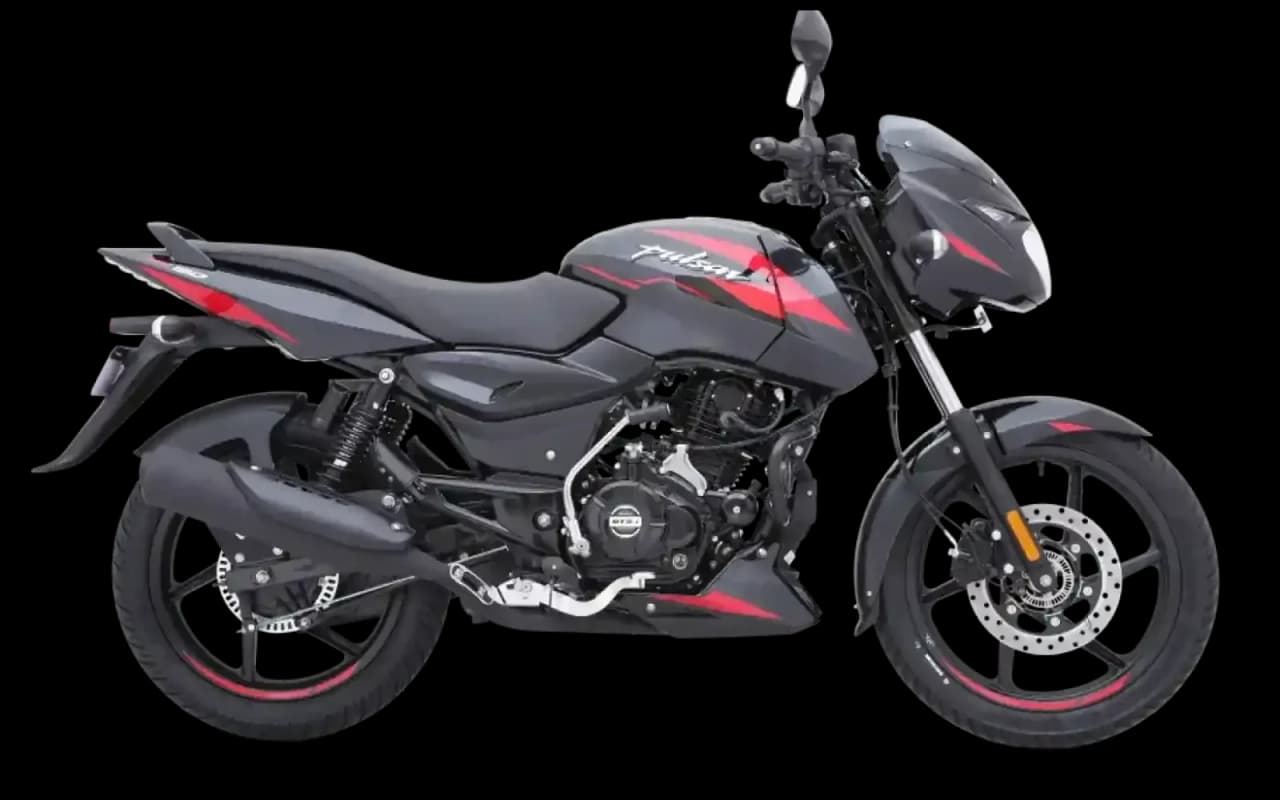
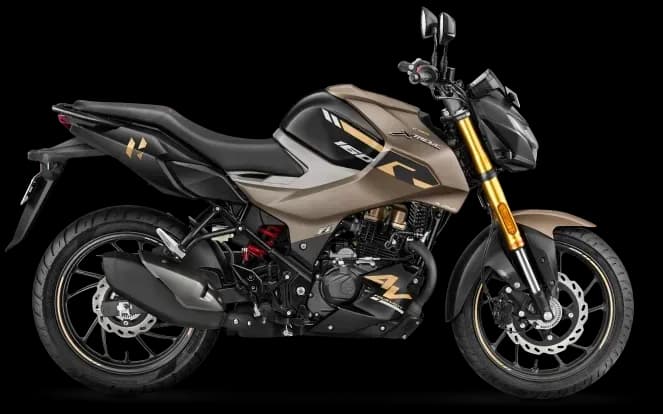
Start with the numbers
Compare at a glance
Top available variants, with prices in Nepalese rupees. Expand details to choose another variant.
| At a glance | Bajaj Pulsar 150 | Hero Xtreme 160R |
|---|---|---|
| Ex-showroom price | Rs 3.81 lakh | Rs 4.27 lakh |
| Fuel | Petrol | Petrol |
| Selected variant | Pulsar 150 TD | Dual ABS |
Ex-showroom prices exclude registration, road tax and insurance. Specifications can vary by trim. See individual source-check dates ↓
Choosing between the Bajaj Pulsar 150 vs Hero Xtreme 160R is a frequent dilemma for Nepali riders moving up from the 125cc segment. The Bajaj Pulsar 150 has defined the sporty commuter category in Nepal for two decades, while the Hero Xtreme 160R is a newer, more tech-heavy contender that challenges the old guard with superior hardware. For most buyers in Nepal, the decision rests on whether they want the security of an enormous service network or the thrill of a modern streetfighter.
Variants and Pricing in Nepal
The price gap between these two models is significant, reflecting their different generations of technology. The Bajaj Pulsar 150 is offered in two trims. The entry-level SD variant is priced at Rs 3.68 lakh, while the higher-spec Bajaj Pulsar 150 TD (Twin Disc) costs Rs 3.81 lakh. The TD variant is the one to consider if you want better braking and a wider rear tyre, which helps with stability on the highways connecting Kathmandu to the Terai.
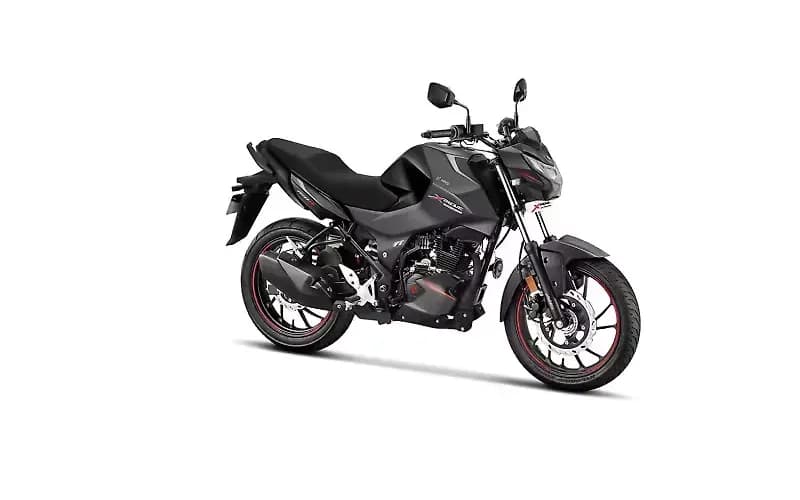
On the other side, the Hero Xtreme 160R is positioned as a more premium offering. The Hero Xtreme 160R Dual ABS variant carries an ex-showroom price of Rs 4.27 lakh. This price premium of nearly Rs 46,000 over the top-tier Pulsar 150 TD buys you a larger engine, more sophisticated suspension, and superior braking safety. While the Pulsar focuses on value and familiarity, the Xtreme targets the rider who is willing to pay more for better components.
Specifications and Performance
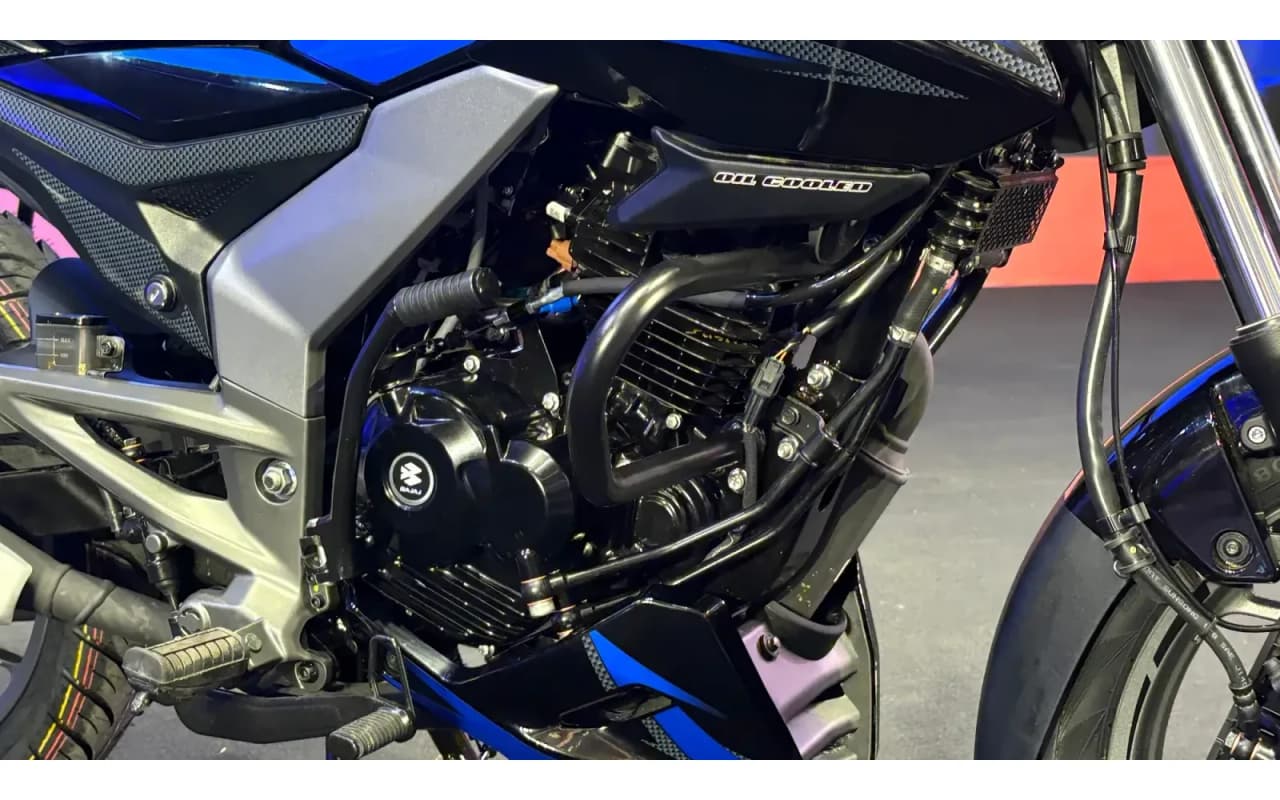
When we look at the mechanical heart of these bikes, the Hero Xtreme 160R Dual ABS holds a clear advantage in raw numbers. It features a 163.2cc air-oil cooled engine that produces 16.9 PS of power and 14.6 Nm of torque. In contrast, the Bajaj Pulsar 150 TD uses a 149.5cc air-cooled engine delivering 14 PS and 13.4 Nm.
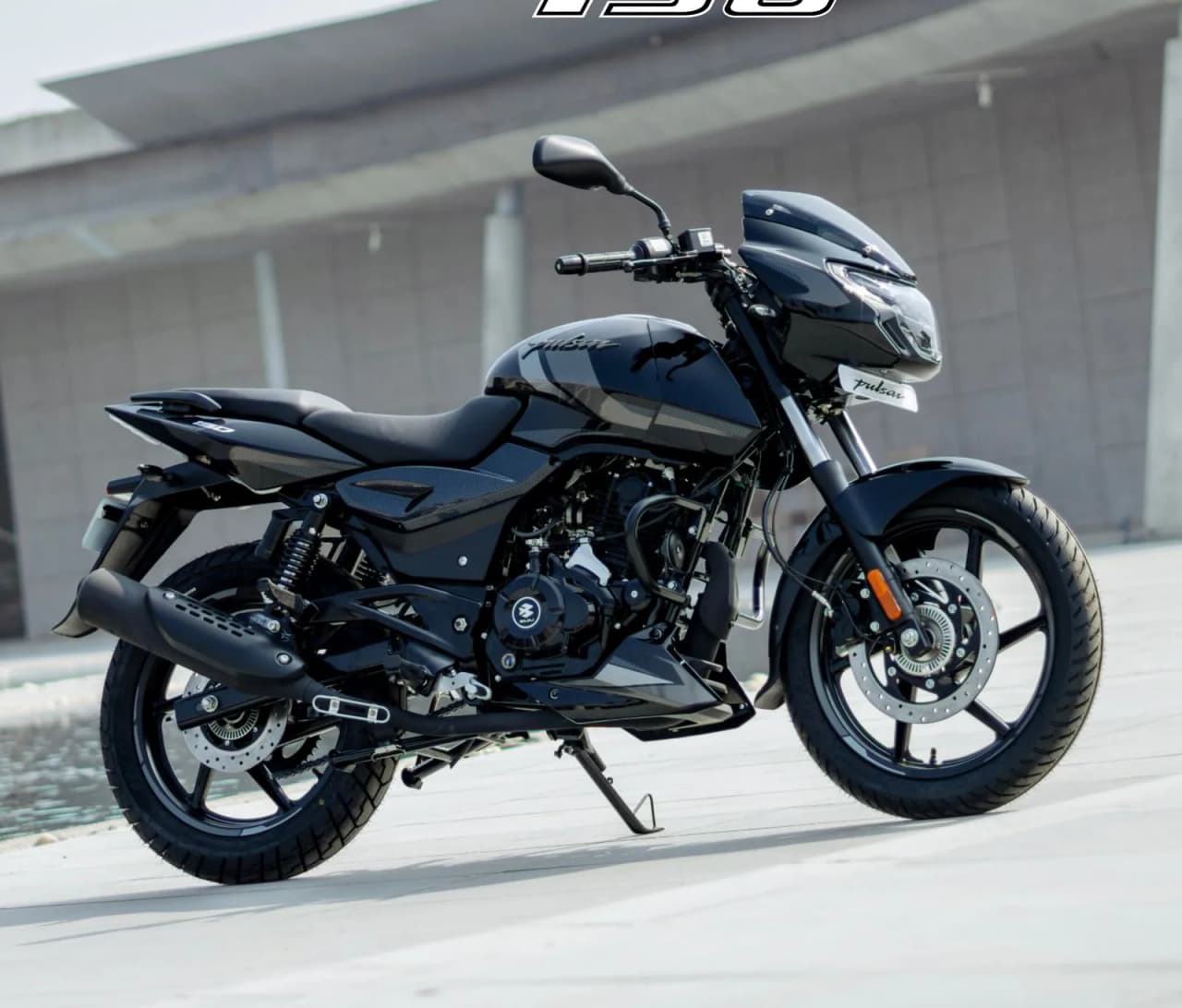
In real-world riding, the Xtreme feels significantly more energetic. The power-to-weight ratio is a major factor here; the Xtreme 160R weighs just 144 kg, making it 6 kg lighter than the 150 kg Pulsar 150 TD. This makes the Hero much easier to flick through the tight traffic of New Road or across the narrow lanes of Patan. The Pulsar, however, remains a master of the low-end pull. It has a very usable torque curve that allows you to stay in higher gears at lower speeds without the engine knocking, which is perfect for lazy urban commuting.
Ride, Handling, and Size
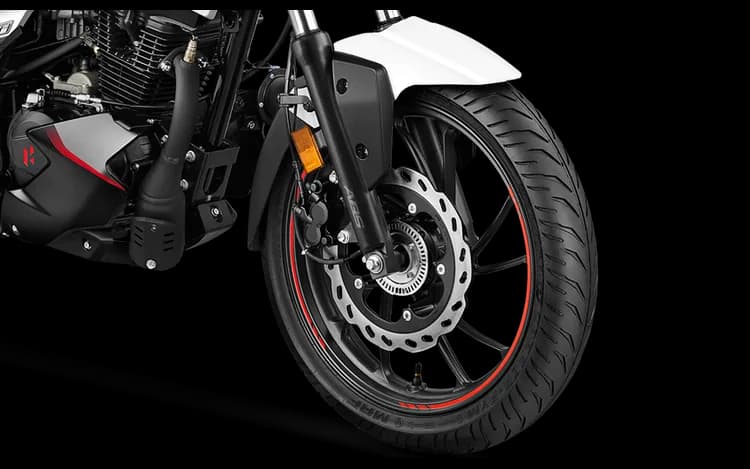
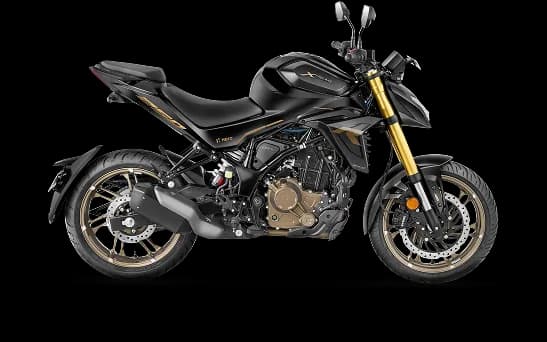
The handling characteristics define the character of these two motorcycles. The Hero Xtreme 160R Dual ABS is equipped with 37mm KYB Upside Down (USD) front forks. The distributor highlights these golden forks for providing sharper control while cornering and over rough roads. This is a level of suspension hardware usually reserved for more expensive machines. It also features a 7-step adjustable monoshock at the rear, allowing riders to tune the ride according to their weight or whether they are carrying a pillion.
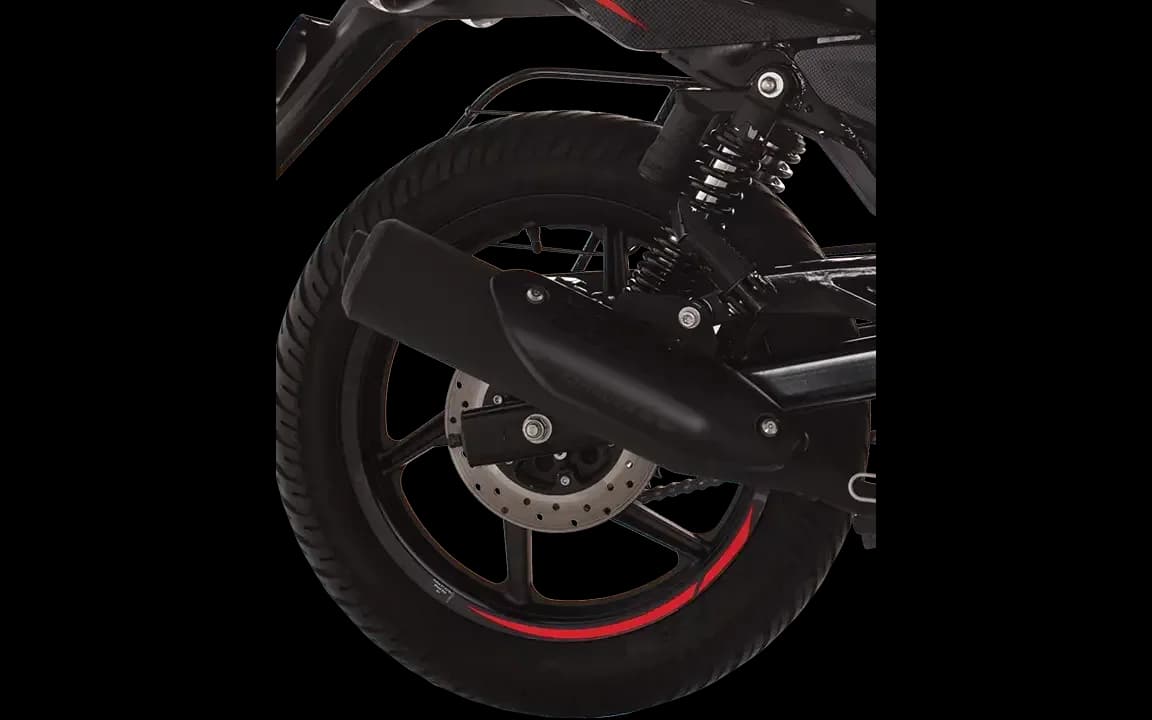
The Bajaj Pulsar 150 TD sticks to a more traditional setup with 31mm telescopic front forks and twin Nitrox shock absorbers at the rear. While it lacks the sharp edge of the Hero, the Pulsar is known for its plush ride quality over broken Nepali roads. The 165 mm ground clearance on both bikes is identical, which is generally adequate for most urban speed breakers in Nepal, but the Pulsar's longer 1345 mm wheelbase on the TD variant provides a very stable feel when cruising at 70-80 km/h.
Features and Safety Hardware
Safety is the area where the price difference becomes most apparent. The Hero Xtreme 160R Dual ABS comes with a dual-channel ABS system, meaning both the front 276mm disc and rear 220mm disc are monitored to prevent wheel lock-up. It also includes a Panic Brake Alert system, where the lights flash to alert vehicles behind you during sudden braking—a first-in-segment feature that is highly useful in unpredictable Kathmandu traffic.
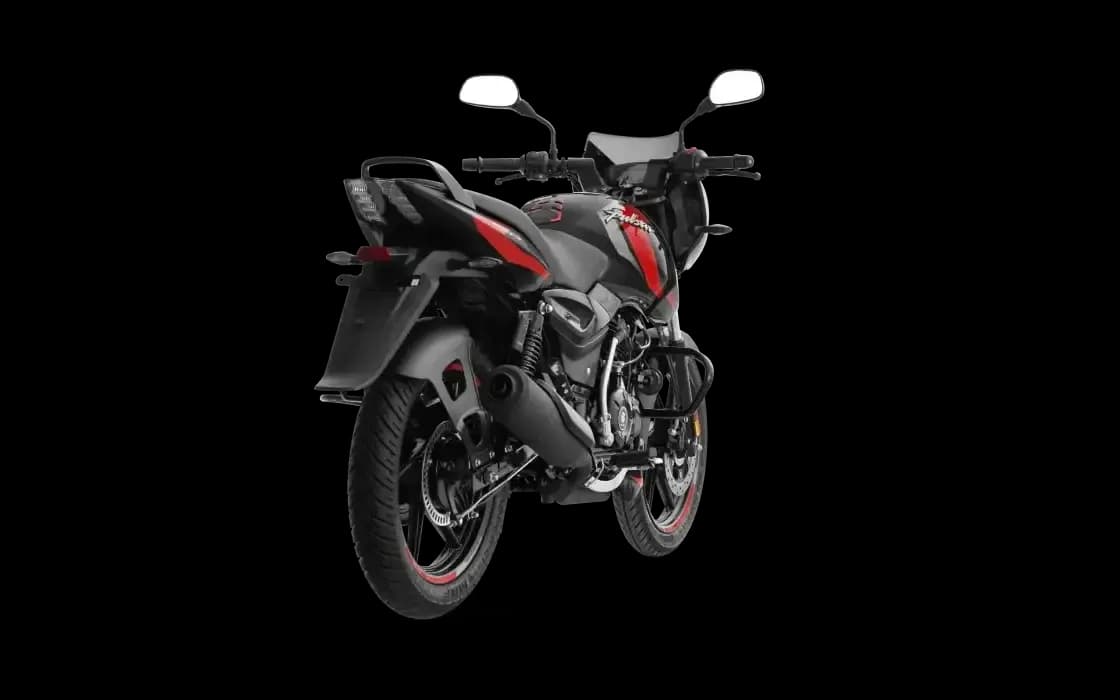
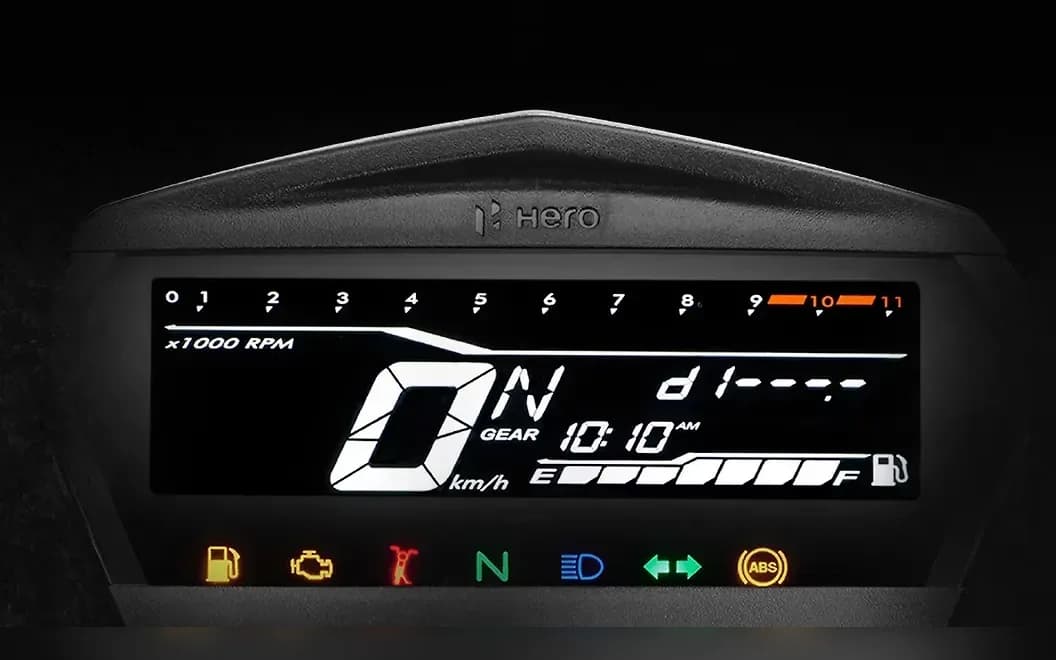
The Bajaj Pulsar 150 TD uses a single-channel ABS system paired with a 280mm front disc and a 230mm rear disc. While the braking is a huge step up from the base SD model, it lacks the safety net of rear ABS. However, Bajaj has modernized the Pulsar's cockpit. It now features a fully digital reverse monochrome LCD speedometer. This unit includes Bluetooth connectivity for call and SMS alerts, a clock, and a Distance to Empty (DTE) readout, which is incredibly helpful for managing fuel stops.
Pros and Cons
Bajaj Pulsar 150 TD
- Pros: The 15-litre fuel tank provides a massive riding range. The engine is exceptionally reliable and parts are available in almost every corner of Nepal. It also maintains the best resale value in its class.
- Cons: It feels heavy compared to modern rivals. The design is iconic but starting to look dated, and vibrations are noticeable once you cross 80 km/h.
Hero Xtreme 160R Dual ABS
- Pros: It is one of the lightest bikes in its segment, making it highly maneuverable. The dual-channel ABS and USD forks offer class-leading safety and handling. The full LED lighting package looks premium.
- Cons: The 12-litre fuel tank is smaller than the Pulsar's, requiring more frequent trips to the petrol pump. Pillion comfort is limited due to the compact seat design.
Rivals and Alternatives
In the Nepali market, these two bikes face stiff competition. The Yamaha FZS FI V3 is a key rival, often chosen for its engine refinement over the raw power of the Xtreme. The TVS Apache RTR 160 4V is another strong alternative that offers more tech and higher peak performance than the Pulsar, though it lacks the Xtreme's dual-channel ABS in its standard trims. Buyers might also look at the Bajaj Pulsar N160, which sits slightly above the Pulsar 150 TD and offers a more modern engine and design that rivals the Xtreme.
Running Cost and Ownership
Both the Bajaj Pulsar 150 TD and the Hero Xtreme 160R Dual ABS claim a mileage of 50 km/l. In a typical Nepali commuting cycle, you can expect between 45 and 50 km/l depending on traffic conditions. With a 15-litre tank on the Pulsar, you can theoretically travel 750 km between refills, whereas the 12-litre tank on the Hero limits you to around 600 km.
Maintenance is where Bajaj wins the long game. HH Bajaj has 173 showrooms and 150 service centres across Nepal, ensuring that even if you are riding in a remote district, you are likely to find a mechanic who knows the bike and has the parts. Hero, distributed by CG Motors, has 82 showrooms and 36 service centres. While the Hero network is growing, Bajaj's sheer volume of service points remains a deciding factor for riders who travel frequently outside the Kathmandu valley.
Verdict: Bajaj Pulsar 150 or Hero Xtreme 160R?
The Bajaj Pulsar 150 TD is the right choice if you want a dependable, high-resale workhorse. It is a bike you buy with your head, knowing it will be easy to maintain and easy to sell later. It remains the default commuter for those who want a comfortable, stable ride with modern features like Bluetooth connectivity at a sub-4 lakh price point.
The Hero Xtreme 160R Dual ABS is the choice for the enthusiast who prioritizes safety and modern engineering. If you can stretch your budget to Rs 4.27 lakh, the addition of dual-channel ABS, USD forks, and a more powerful 160cc engine makes it a much more capable machine for both city sprints and weekend rides. The key limitation remains its smaller service network and lower resale value compared to the dominant Pulsar.
For current variant-wise figures, see Bajaj Pulsar 150 price in Nepal and Hero Xtreme 160R price in Nepal — both pages are updated whenever a distributor changes a price.
Frequently Asked Questions
What is the price of the Hero Xtreme 160R in Nepal in 2026? The Hero Xtreme 160R Dual ABS is priced at Rs 4.27 lakh in the Nepali market.
Which bike is better for long rides with a pillion? The Bajaj Pulsar 150 TD is generally better for pillion comfort due to its more traditional, spacious seat design compared to the more compact and sporty rear of the Xtreme 160R.
Does the Hero Xtreme 160R have good service support in Nepal? Hero has 36 service centres in Nepal. While it covers major cities, its reach is currently smaller than the Bajaj service network.
Compare Bajaj Pulsar 150 vs Hero Xtreme 160R variant by variant
Explore full specifications, variants & ownership context
Compare the exact variants
Specifications, features & ownership context
Choose a variant for each vehicle. The facts below follow that exact trim; the article explains the trade-offs.
Latest catalog and directory records supplement the original analysis. Figures may have changed since publication; individual specification and price-check dates appear below.
Bajaj Pulsar 150
Rs 3.81 lakh ex-showroom · source checked 8 Nov 2026
Hero Xtreme 160R
Rs 4.27 lakh ex-showroom · source-check date not recorded
Engine & performance
| Specification / feature | Bajaj Pulsar 150 | Hero Xtreme 160R |
|---|---|---|
| Engine displacement | 149.5 ccResearched · confirm · 5 Nov 2026 | 163.2 ccResearched · confirm · 11 Oct 2026 |
| Max power | 14 PSVerified specification · 4 Nov 2026 | 16.9 PSVerified specification · 30 Jul 2026 |
Brakes, tyres & suspension
| Specification / feature | Bajaj Pulsar 150 | Hero Xtreme 160R |
|---|---|---|
| ABS | ABSVerified specification · 4 Nov 2026 | Dual-channel ABSResearched · confirm · 11 Oct 2026 |
Dimensions & weight
| Specification / feature | Bajaj Pulsar 150 | Hero Xtreme 160R |
|---|---|---|
| Ground clearance | 165 mmVerified specification · 12 Sept 2026 | 165 mmResearched · confirm · 11 Oct 2026 |
Bajaj Pulsar 150
Showroom & service support
Distributor: HH Bajaj
Bajaj showrooms in Kathmandu (173 showrooms nationwide) · Bajaj service centers in Kathmandu (150 service locations nationwide)
Listed cities include Aanbu Khaireni, Attariya, Baglung, Banepa, Banepa New, Banganga and 88 more.
Brand-wide directory coverage. Confirm that your nearest workshop supports this exact model, powertrain and warranty work; ask about parts availability and booking time.
Market buzz & buyer priorities
Compiled discussion, including buyer reactions and ownership reports; this is not a verified owner survey or a reliability score. Research dated 20 Oct 2026.
What people like
- N150 is considered excellent by users
- Widely regarded as having the best resale value in the 150cc segment in Nepal
- Extremely reliable engine performance suitable for diverse Nepali terrains
More feedback
- Spare parts are easily available even in remote district headquarters
- Comfortable upright riding posture preferred by daily commuters
- Robust build quality that withstands rough road conditions in rural areas
Concerns to investigate
- New model is seen as a waste of money compared to older models
- Concerns about the reliability of the old model
- Some users feel the new model lacks practicality
More feedback
- Classic model aesthetics are considered dated by younger buyers
- Noticeable engine vibrations when exceeding speeds of 70-80 km/h
- Headlight illumination is often cited as insufficient for night riding on highways
- Gear shifting can feel clunky or hard after the first few thousand kilometers
- The design and equipment feel dated beside newer 150cc and 160cc motorcycles.
What buyers ask for
- Ease of finding affordable spare parts
- High resale value after 3-5 years of use
- Initial down payment and EMI flexibility
Nepal ownership context
- HH Bajaj's extensive service network across Nepal makes it a top choice for riders outside Kathmandu
- The bike's ground clearance is generally adequate for most urban Nepali speed breakers
- Significant demand in the second-hand market keeps depreciation rates lower than competitors like the Apache 160
More feedback
- Fuel efficiency remains a primary driver for the high sales volume in the Nepali market
- Its widespread presence in Nepal makes routine parts and independent mechanic support easier to find than for newer or less-common motorcycles.
- Resale interest remains a practical reason to consider the Pulsar 150, although the exact value depends on variant, model year, mileage, accident history and service records.
- For Kathmandu traffic and Nepal's mixed road conditions, buyers mainly compare its mileage, ground clearance, comfort, maintenance cost and uphill performance.
Hero Xtreme 160R
Showroom & service support
Distributor: CG Motors Pvt. Ltd.
Hero showrooms in Birtamode (82 showrooms nationwide) · Hero service centers in Kathmandu (36 service locations nationwide)
Listed cities include Baglung, Banepa, Banganga, Bhairahawa, Bhaktapur, Bharatpur and 41 more.
Brand-wide directory coverage. Confirm that your nearest workshop supports this exact model, powertrain and warranty work; ask about parts availability and booking time.
Market buzz & buyer priorities
Compiled discussion, including buyer reactions and ownership reports; this is not a verified owner survey or a reliability score. Research dated 29 Oct 2026.
What people like
- Lightweight frame makes it highly maneuverable in city traffic
- Premium features like USD forks and LED lighting
- Comfortable riding posture for both commuting and weekend rides
More feedback
- Owners describe the Xtreme 160R as a reliable and enjoyable 160cc motorcycle with strong everyday performance.
- Nepali riders value its sporty design, mileage, braking hardware and comfortable street-bike character.
- Some long-term owners report mileage in the mid-40s to around 50 km/l in regular use.
Concerns to investigate
- Limited pillion comfort on longer journeys
- Fuel tank capacity is smaller than some competitors
- Side mirrors visibility could be improved
More feedback
- Ground clearance requires caution on rough rural roads
- The most repeated concern is the limited service reach compared with more popular motorcycle brands in Nepal.
- Owners and used-bike buyers report weak resale demand because the model is less common in the Nepali second-hand market.
- Some discussions mention expensive repairs after breakdowns and dissatisfaction with service experience, but these are individual owner reports rather than universal faults.
What buyers ask for
- Ground clearance for local road conditions
Nepal ownership context
- The bike is well-regarded for handling Nepal's hilly terrain and steep inclines due to its torque-heavy engine.
- Lightweight design is frequently cited as a major advantage for navigating congested Kathmandu streets.
- Service network and spare parts availability are generally considered reliable given Hero's established presence in the country.
More feedback
- Nepali buyers should check the nearest authorised Hero workshop before buying, especially if they live outside major cities.
- Resale may be weaker than for more widely owned 160cc motorcycles because local second-hand demand is comparatively small.
- The 165 mm ground clearance is suitable for normal urban riding, but riders using rough rural roads should inspect suspension comfort and underbody clearance during a test ride.
Use these facts alongside the article’s full analysis. Check the final quotation, warranty terms and exact equipment before booking.
Evidence & next steps
Check the details before you buy
Use this guide to build a shortlist. Ask for a written quotation for your chosen variant, including registration, taxes, insurance and finance charges. Confirm the nearest authorised workshop supports that model.
Price sources and dates
These are the recorded distributor-source checks for the selected overview trims. They are separate from the article update and catalog read dates; they do not mean every trim was rechecked today. Confirm the final price with the distributor.
Overview photos come from the corresponding model records; additional article photos carry their own credits. Running costs depend on usage, energy prices, maintenance, insurance and resale value.