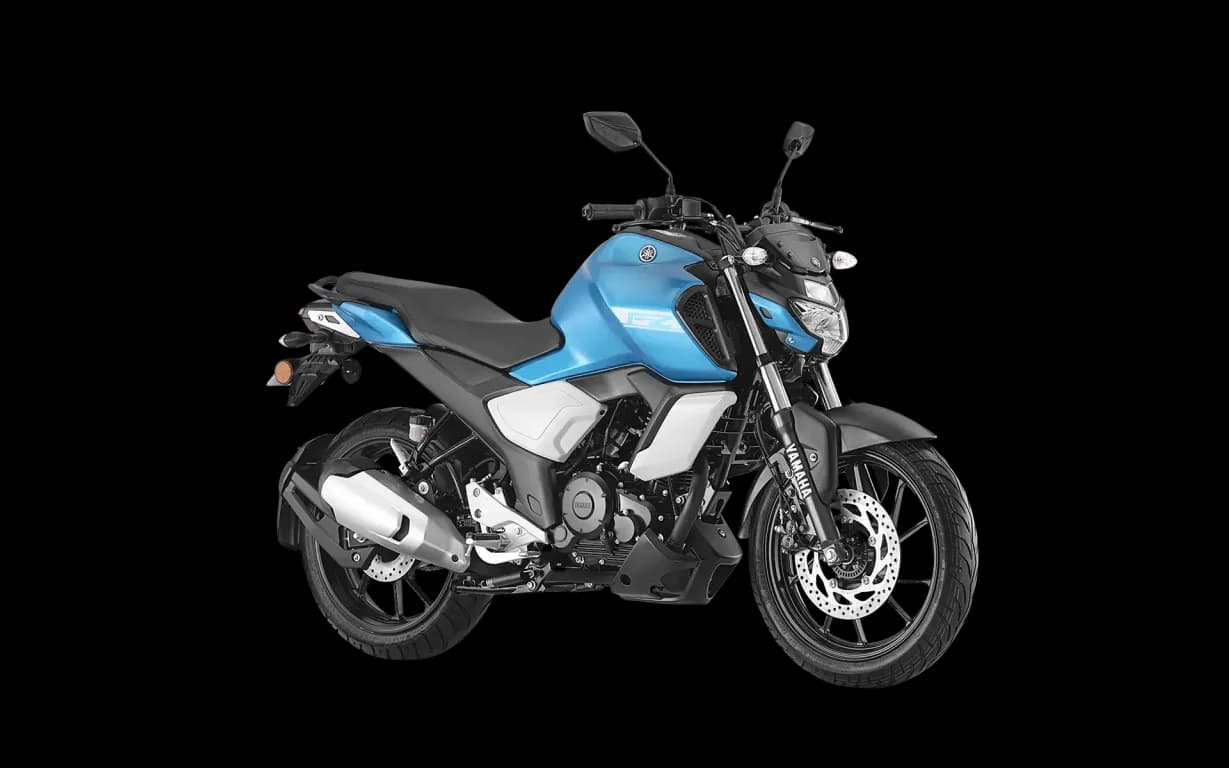
Start with the numbers
The model, at a glance
Available variants, with prices in Nepalese rupees.
| Vehicle | Ex-showroom price | Fuel | Selected variant |
|---|---|---|---|
| 01Yamaha FZ | Rs 4.05 lakh | Petrol | Standard |
Ex-showroom prices exclude registration, road tax and insurance. Specifications can vary by trim. See individual source-check dates ↓
Where it sits in the Nepali market
The Yamaha FZ V3 occupies a familiar and important space in Nepal: a premium-leaning commuter street bike that is meant to feel more refined than a budget 150cc machine, but not so aggressive or expensive that it becomes a specialist buy. That positioning matters here, because a lot of riders want a motorcycle that can handle office runs, daily traffic, and occasional longer hops without feeling flimsy or overly demanding.
At Rs 3.8 lakh to Rs 4.11 lakh across four variants, the FZ V3 is not chasing the cheapest rung of the market. It is priced as a considered purchase, and that immediately frames its appeal. Buyers in this bracket usually want a brand they trust, predictable running costs, simple ownership, and a bike that looks modern enough to still feel desirable after the novelty wears off.
Looks, design and build
The FZ V3 has always worked best as a clean, muscular street bike rather than a flashy one. Its design language is deliberate and restrained: compact proportions, a strong fuel-tank stance, and enough sharpness in the bodywork to keep it from looking bland. That restraint is one of its strengths. In Nepal, where motorcycles are often judged as much by their long-term visual freshness as by spec-sheet theatrics, the FZ V3’s design has aged in a useful way.
It does not try to look overstyled or oversized. Instead, it presents itself as a sturdy, upright, everyday motorcycle with a premium commuter attitude. That makes it easy to live with and easy to recommend to a wide audience, especially riders who do not want a bike that constantly advertises itself.
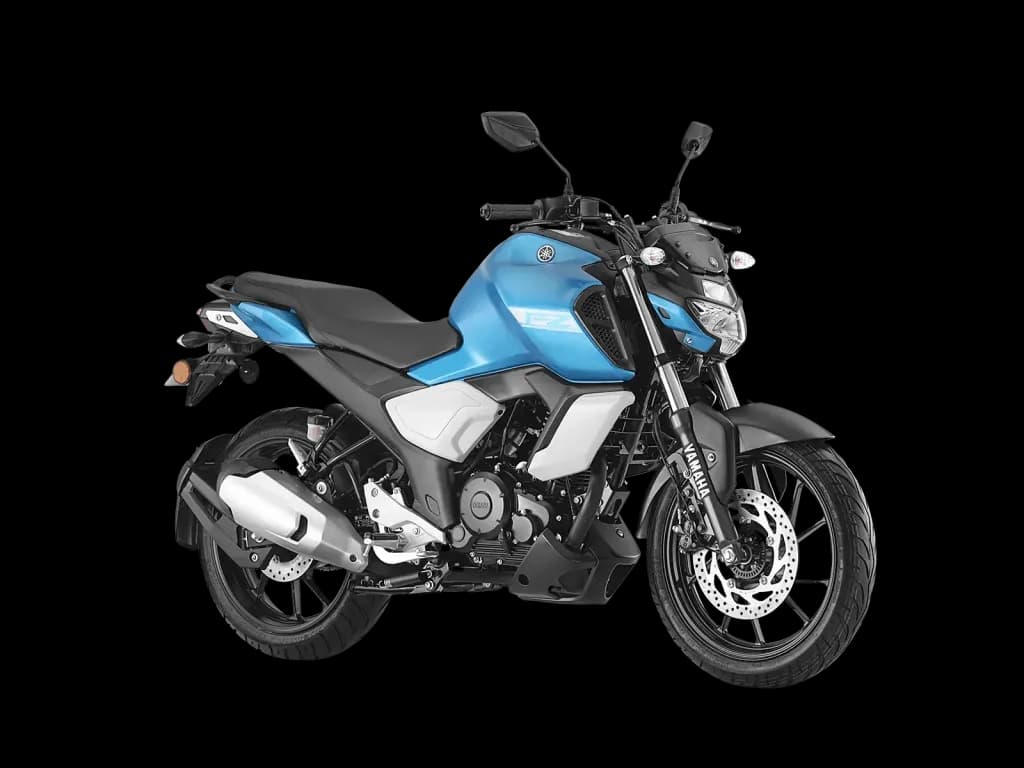
Build quality is an important part of the FZ identity. Yamaha has generally built this model around a reputation for tight fit and finish, neat panel execution, and a sense that the bike is assembled with care. That does not make it indestructible, but it does give the motorcycle an impression of solidity that many buyers notice immediately in the showroom.
Features and equipment
The FZ V3 is not a feature showpiece, and that is part of its character. It aims for the essentials that matter in daily use rather than a long list of gimmicks.
What buyers usually value in this bike is the overall usability of the package rather than a headline-grabbing gadget count. The equipment mix is best understood as practical and functional, supporting commuting, ownership ease, and day-to-day simplicity.
Because the verified data available for this review does not officially disclose a detailed feature-by-feature equipment list, it would be misleading to overstate individual items beyond the bike’s established positioning. The FZ V3 is best approached as a well-rounded street motorcycle whose appeal comes from coherence: it feels like a complete machine rather than a collection of specs.
Engine, performance and character
The FZ V3 is a bike that makes its case through smoothness and accessibility rather than outright excitement. In market terms, that is exactly the right approach for a motorcycle of this type. Riders shopping in this segment usually want predictable power delivery, manageable low-speed behavior, and enough usable performance for urban riding and intercity stretches.
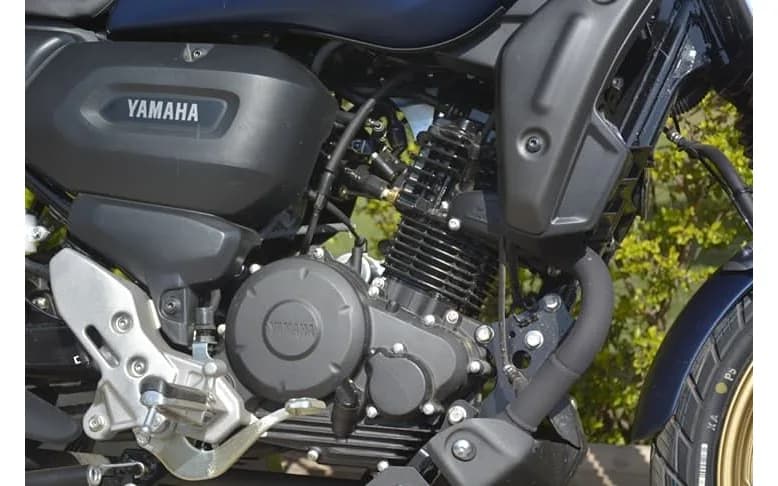
The FZ V3’s personality is best described as calm and friendly. It should not be mistaken for a performance-oriented street bike, and that is not a flaw. Instead, it is tuned for easy ownership and low-stress riding. The real value here is in the way the bike is likely to feel in congestion, on short city bursts, and during routine commuting where controllability matters more than drama.
This is also where Yamaha’s broader reputation helps. The FZ line has long been associated with a balanced engine character and a polished feel in everyday use. Buyers looking for a motorcycle that does not feel nervous or over-strung will understand the appeal immediately.
Ride, handling and comfort
The strongest argument for the FZ V3 is probably how naturally it fits daily riding. The riding posture is the kind that most commuters can adopt quickly: upright, relaxed, and confidence-friendly. That matters in Nepal’s mixed road conditions, where a bike must manage broken pavement, traffic interruptions, narrow lanes, and the occasional longer open stretch without becoming tiring.
Handling should be easy and approachable rather than razor-sharp. That is appropriate for the bike’s mission. The FZ V3 is the sort of motorcycle that should feel predictable at low speeds and stable enough to inspire confidence when the pace rises. For many buyers, that predictability is more valuable than a lively chassis that demands constant attention.
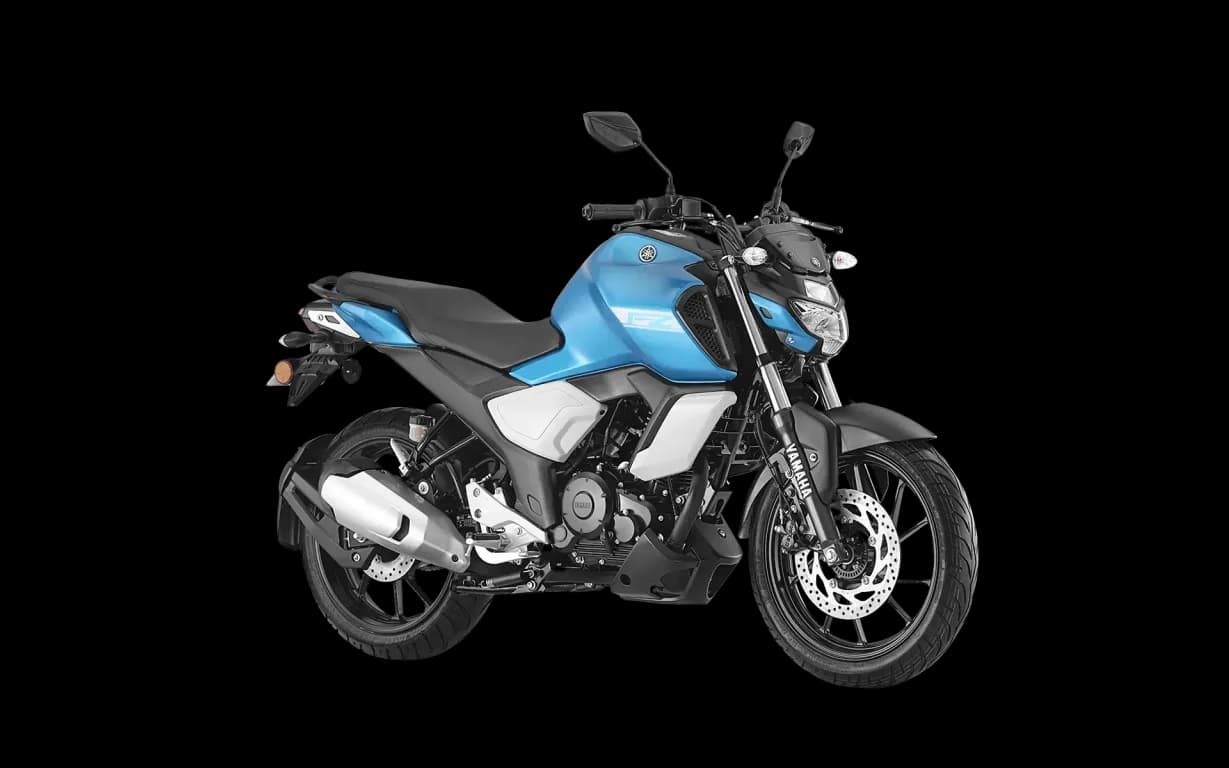
Comfort is another part of the package that likely influences its appeal. This is not a machine aimed at aggressive riding posture or weekend track-style enthusiasm. It is aimed at real-world use, which means the seat, controls, and overall ergonomics are intended to reduce fatigue in ordinary ownership.
Practicality and running costs
Practicality is where the FZ V3 can justify itself most clearly. It is a bike built for routines: work commutes, errands, errands with a passenger, and the kind of everyday travel that dominates motorcycle use in Nepal.
A wide buyer base will also appreciate that the bike’s image is not tied to short-lived trends. That usually helps with resale confidence and long-term satisfaction, even when the exact ownership math differs from rider to rider.
Running costs are typically where Yamaha’s street bikes build trust, and the FZ V3 follows that broad expectation. A straightforward mechanical setup and a commuter-friendly character generally translate into ownership that feels manageable rather than financially stressful. Exact fuel-economy and maintenance figures are not officially disclosed in the data we verified here, so it is better to avoid inventing a number.
Price, variants and which one to pick
The Yamaha FZ V3 is offered in four variants, priced between Rs 3.8 lakh and Rs 4.11 lakh. The verified data does not break down each variant name or each variant’s specific equipment difference, so it would be inaccurate to guess at the trim ladder.
That said, the buying logic is fairly straightforward:
- If you want the most accessible entry point, the lowest-priced variant makes the most sense.
- If you want the fullest presentation and are comfortable paying near the top of the range, the higher variants are the ones to inspect first.
- For most buyers, the best choice is whichever variant delivers the finish and equipment level they genuinely plan to keep rather than a spec sheet upgrade they may never use.
In a bike like this, the right trim often depends less on outright performance and more on whether the buyer wants the simplest possible ownership experience or a slightly more premium feel in the showroom.
How it compares with real rivals in Nepal
The FZ V3’s natural rivals in Nepal are other 150cc-ish commuter-street motorcycles that prioritize usability, brand value, and everyday comfort over aggressive performance. In that space, buyers often cross-shop models from Honda, TVS, and Bajaj, depending on showroom availability, pricing, and local trust.
Against those rivals, the Yamaha’s strengths are usually its polished feel, restrained styling, and reputation for a composed ownership experience. It is not generally the bike that wins by shouting the loudest about power or gadget count. It wins by feeling together.
Where competitors may tempt buyers with more visible features, sportier graphics, or sharper value-for-money claims, the FZ V3 counters with a more mature proposition. It is the kind of motorcycle that appeals to riders who care about how a bike feels to live with after the first month, not just how it looks on delivery day.
Verdict and who it suits
The Yamaha FZ V3 is a strong choice for riders who want a practical, polished street bike with a calm personality and broad everyday appeal. It is especially well suited to commuters, first-time premium-bike buyers, and riders who value ease, comfort, and a dependable brand image over aggressive performance.
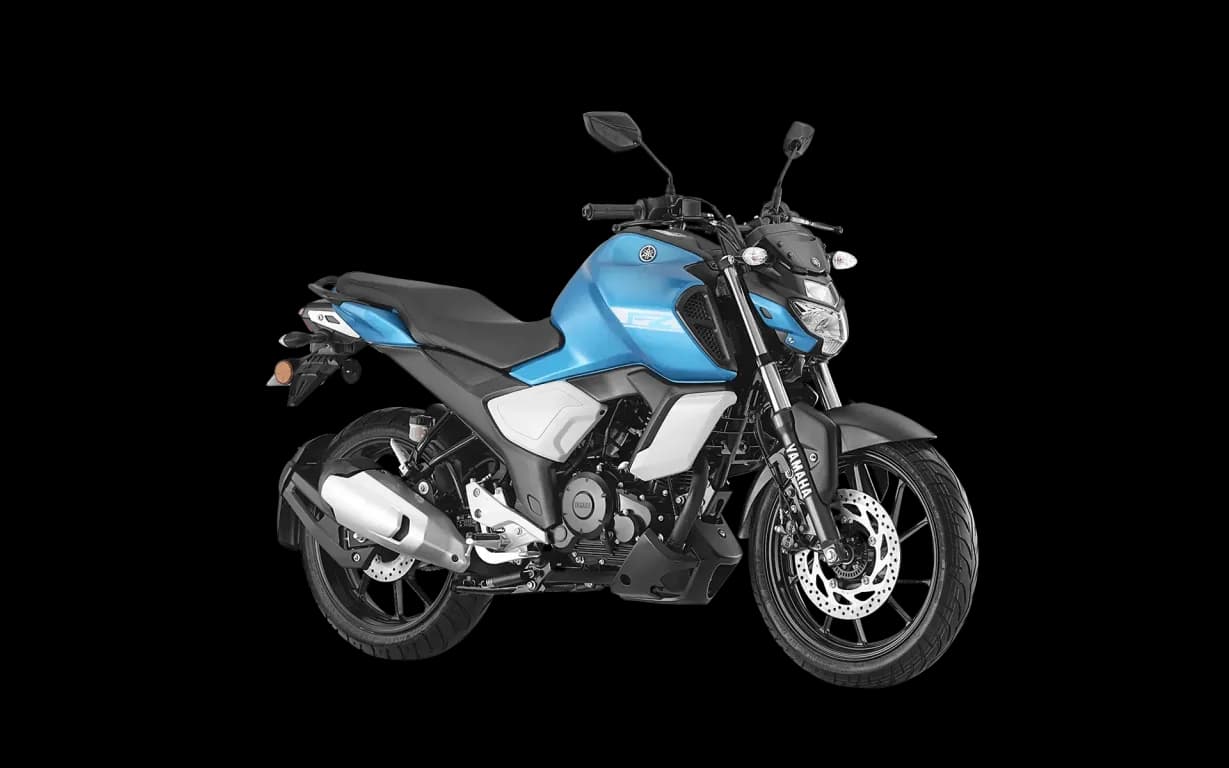
Its biggest strengths are its balanced character, clean design, and market-friendly positioning. Its biggest limitation is also clear: it is not trying to be the most exciting or the most feature-loaded motorcycle in its class. For many buyers, that is exactly why it works.
If you want a motorcycle that feels sensible, looks mature, and should fit comfortably into everyday Nepali ownership, the FZ V3 remains an easy bike to understand and a realistic bike to recommend.
Explore full specifications, variants & ownership context
Know the product
Key specifications, features & ownership context
Choose a variant to see its recorded specifications and features. Equipment and prices can change across trims.
Latest catalog and directory records supplement the original analysis. Figures may have changed since publication; individual specification and price-check dates appear below.
Rs 4.05 lakh ex-showroom · source checked 21 Oct 2026
Engine & performance
| Specification / feature | Standard |
|---|---|
| Engine displacement | 149 ccResearched · confirm · 25 Sept 2026 |
| Max power | 12.4 PSResearched · confirm · 25 Sept 2026 |
Brakes, tyres & suspension
| Specification / feature | Standard |
|---|---|
| ABS | ABSVerified specification · 25 Sept 2026 |
Dimensions & weight
| Specification / feature | Standard |
|---|---|
| Ground clearance | 165 mmVerified specification · 25 Sept 2026 |
Showroom & service support
Distributor: MAW Rides Pvt. Ltd. (Yamaha Nepal)
244 listed brand showrooms · 90 listed brand service locations
Listed cities include Aanbu Khaireni, Attariya, Baglung, Baletaksar, Banepa, Bankasiya and 99 more.
Brand-wide directory coverage. Confirm that your nearest workshop supports this exact model, powertrain and warranty work; ask about parts availability and booking time.
Market buzz & buyer priorities
Compiled discussion, including buyer reactions and ownership reports; this is not a verified owner survey or a reliability score. Research dated 21 Oct 2026.
What people like
- great specs compared to its price
- Excellent fuel efficiency suitable for high Nepali fuel prices
- Superior ride comfort and seat cushioning for both rider and pillion
More feedback
- Smooth and reliable fuel-injected engine performance
- High resale value in the second-hand market across Nepal
Concerns to investigate
- LED headlight intensity is considered weak for night riding on unlit Nepali highways
- Underwhelming power figures compared to 160cc and 200cc competitors
- Lack of a 6th gear for highway cruising
More feedback
- Basic instrument cluster lacks modern features like turn-by-turn navigation on older variants
- Some Nepali buyers consider Yamaha replacement parts and maintenance more expensive than comparable Bajaj alternatives.
What buyers ask for
- Long-term engine reliability and low maintenance costs
Nepal ownership context
- The wide rear tire provides excellent stability on gravel and dusty roads common in suburban Nepal
- Ground clearance is generally sufficient for standard speed breakers but requires care with a heavy pillion
- Authorized service network is one of the strongest in the country, reaching almost every major district
More feedback
- The 149cc engine qualifies for a lower annual road tax bracket in Nepal compared to 160cc+ bikes
- Nepali buyers compare the FZ mainly on mileage, showroom and service-centre support, parts pricing, resale value, and performance on hills and broken urban roads.
- The FZ25 is treated by Nepali riders as a separate 250cc-class model rather than part of the current six-variant 150cc FZ price band.
- Resale is helped by Yamaha's established name, but buyers still check service records, tax status, accident history, and parts availability before purchasing a used FZ.
Use these facts alongside the article’s full analysis. Check the final quotation, warranty terms and exact equipment before booking.
Evidence & next steps
Check the details before you buy
Use this guide to build a shortlist. Ask for a written quotation for your chosen variant, including registration, taxes, insurance and finance charges. Confirm the nearest authorised workshop supports that model.
Price sources and dates
These are the recorded distributor-source checks for the selected overview trims. They are separate from the article update and catalog read dates; they do not mean every trim was rechecked today. Confirm the final price with the distributor.
Overview photos come from the corresponding model records; additional article photos carry their own credits. Running costs depend on usage, energy prices, maintenance, insurance and resale value.