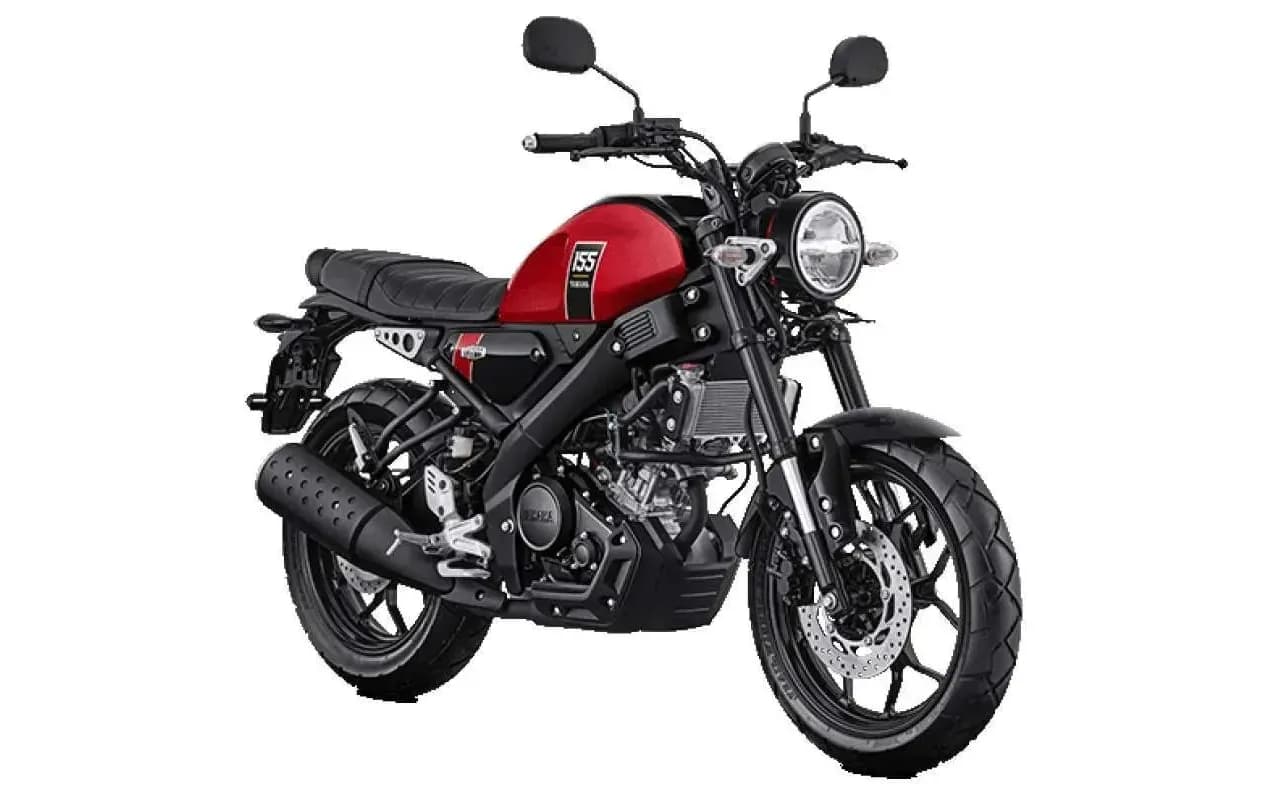
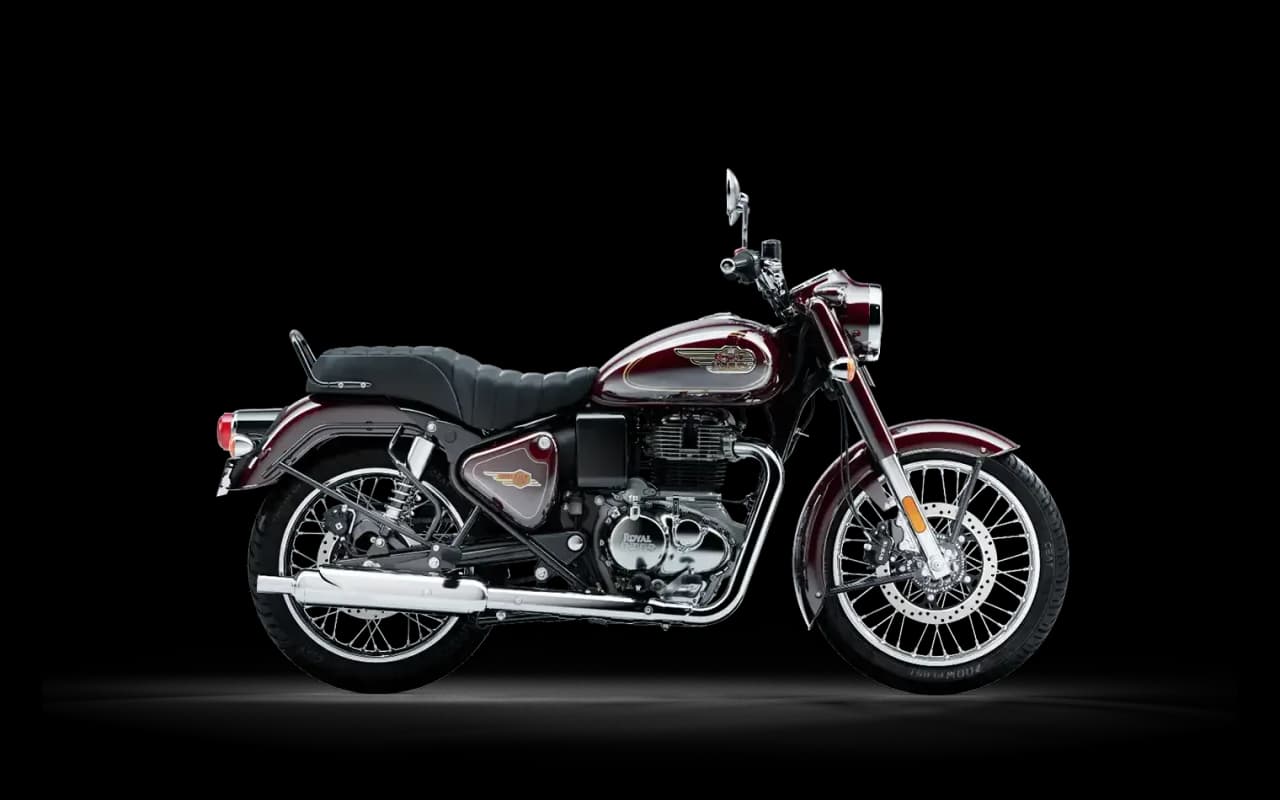
Start with the numbers
Compare at a glance
Top available variants, with prices in Nepalese rupees. Expand details to choose another variant.
| At a glance | Yamaha XSR155 | Royal Enfield Bullet 350 |
|---|---|---|
| Ex-showroom price | Rs 5.65 lakh | Rs 5.6 lakh |
| Fuel | Petrol | Petrol |
| Selected variant | Standard | Bullet 350 Electra ABS |
Ex-showroom prices exclude registration, road tax and insurance. Specifications can vary by trim. See individual source-check dates ↓
Where each sits in the Nepali market
The Yamaha XSR155 and Royal Enfield Bullet 350 do not chase the same buyer, even if both sit in the premium daily-rider space. The XSR155 is the lighter, more modern 155cc choice with a neo-retro face and strong urban polish. The Bullet 350 is the larger, slower-revving 349cc classic that trades modern sharpness for old-school character and a far lower ex-showroom tag.
That difference matters in Nepal. Yamaha has 232 showrooms and 76 service centers, so the XSR155 arrives with the stronger retail footprint. Royal Enfield has 61 showrooms and 22 service centers, a smaller network, but the Bullet name still carries more heritage weight for buyers who want that unmistakable upright thump-and-chrome identity. That is the market split.
Looks and design differences
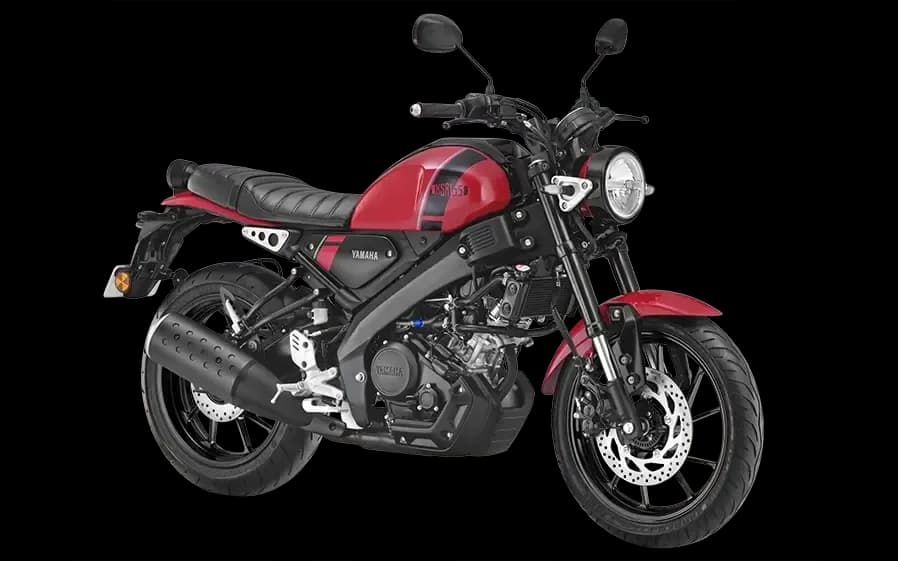
The XSR155 is the more obviously styled bike. It wears the neo-retro look cleanly, with a round LED headlamp, LED tail light, USD forks, a Delta Box frame, and compact proportions that make it look premium without feeling oversized. At 2,005mm long and 137kg kerb, it also looks and feels tight in traffic.
The Bullet 350 follows a different design rule. It is taller, longer, and physically heavier, with a 2,110mm length, 1,390mm wheelbase, 805mm seat height, and 195kg kerb weight. Spoke wheels, a wide handlebar, and the upright stance create a more traditional road presence. It looks like a motorcycle that wants to be seen slowly and steadily.
In pure visual freshness, the Yamaha has the edge. In street presence and classic identity, the Royal Enfield still feels more established. That is the split buyers will notice before they even sit on either bike.
Features and equipment differences
Yamaha gives the XSR155 a far more modern equipment story for the money. Every Nepal variant has a digital speedometer, digital tachometer, digital fuel gauge, fuel consumption indicator, Y-Connect smartphone connectivity, dual-channel ABS, and traction control. It also uses LED lighting front and rear, tubeless tyres, and a six-speed gearbox. For a 155cc bike, that is a lot of kit.
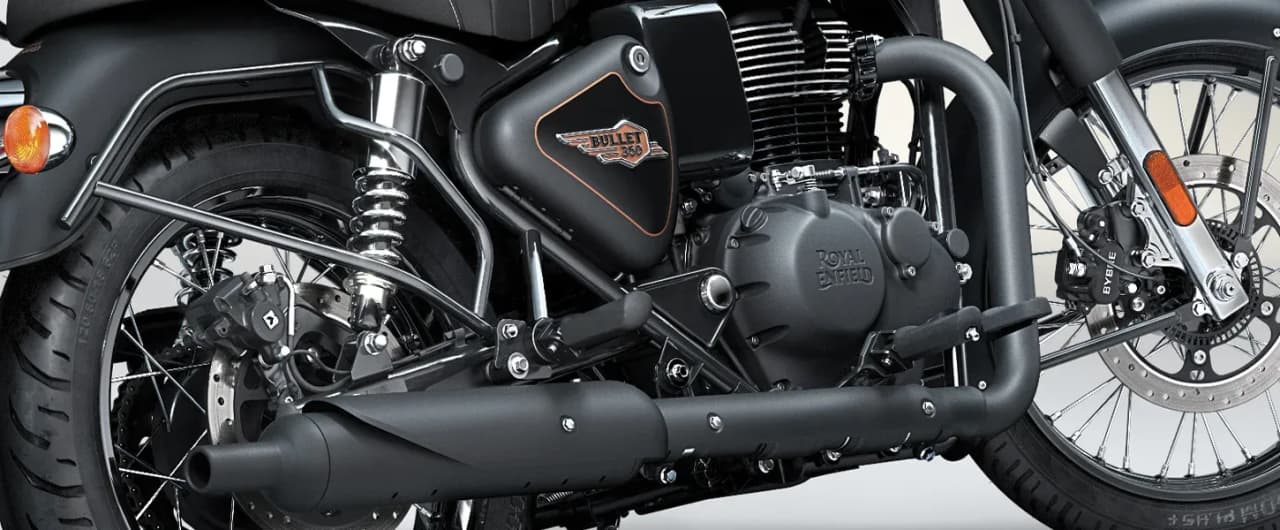
The Bullet 350 keeps the feature list old-school by design. It has dual-channel ABS and a 300mm front disc, but the lighting package is halogen, the gearbox is five-speed, and the instrument story is simpler. The single-piece seat is broad and well padded, but pillion comfort is not its strongest point. Tripper navigation is an add-on, not standard equipment.
If a buyer wants the better tech bundle, the Yamaha wins clearly. If the brief is basic, functional, and heritage-led, the Bullet stays true to itself. There is no middle ground here.
Warranty and after-sales support
The XSR155 has the larger support base in Nepal, with 232 showrooms and 76 service centers under MAW Rides. The Bullet 350 is backed by 61 showrooms and 22 service centers through Alpha Automotive. That gap is big enough to matter for buyers outside the main cities.
A broader network does not guarantee a better ownership experience, but it does make sales, servicing, and general familiarity easier. Yamaha has the more convenient footprint on paper. Royal Enfield has enough reach for major corridors, but not the same density.
Engine and performance differences
This is the clearest divide in the comparison.
The XSR155 uses a 155cc liquid-cooled, single-cylinder, four-valve engine with VVA, fuel injection, and a six-speed gearbox. Output is 18.4 PS and 14.2 Nm. That combination suits its lightweight chassis well. It has the kind of engine tune that feels eager in the city and still happy on the highway, with the extra gear helping it settle into relaxed cruising.
The Bullet 350 uses a 349cc air-oil-cooled single with electronic fuel injection and a five-speed gearbox. Output is 20.2 BHP and 27 Nm. On paper, the Royal Enfield makes much more torque, and that is exactly how it rides. It delivers an easier, more relaxed pull at lower revs and suits calm, short-shift riding.
The Yamaha feels quicker to respond and more playful. The Bullet feels stronger in the low-to-mid range and less busy at a gentle pace. If a rider values smooth gear spacing and a revvier character, the XSR155 is the better engine. If the brief is relaxed torque and a heavier, steadier feel, the Bullet 350 makes the stronger case.
Owners and motoring coverage have broadly praised the XSR155 for refined performance, easy traffic manners, and a smooth six-speed gearbox. Real-world city mileage around 46–47 km/l is also part of the positive ownership story. The most common complaints are a firm ride, some long-distance discomfort, and occasional panel-noise grumbles.
The Bullet 350 gets praise for its upright, fatigue-free posture, cushioned seat, and simple mechanical layout. The common criticism is that the halogen lighting and quieter BS6 note make it feel a little less charismatic than older Bullets. That does not change the core appeal, but it does shape expectations.
Ride, handling and comfort differences

The XSR155 is the easier bike to place in traffic. At 137kg, it is much lighter than the Bullet 350, and that shows up everywhere from U-turns to filtering through tight gaps. The USD fork and link-type rear suspension help the chassis feel controlled, though the ride is on the firmer side. That firmness will be fine on smoother roads. On broken surfaces, it can feel busy.
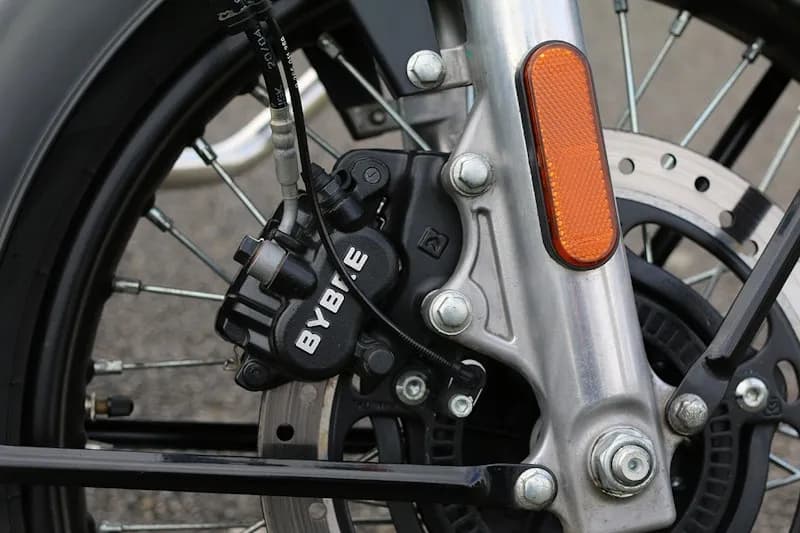
The Bullet 350 is the more relaxed bike at a crawl and at cruise. Its 805mm seat height, wide bar, and 195kg kerb weight give it a planted feel rather than a nimble one. The telescopic 41mm fork and twin rear shocks are tuned for comfort, and the bike does a better job of isolating the rider from the rush of daily traffic. Long, slow runs suit it well.
That said, the Bullet's weight is real. It asks more from the rider in parking lots, on tight slopes, and during low-speed manoeuvres. The Yamaha asks less. For riders who do frequent city work in crowded areas, the XSR155 is simpler to live with. For those who want a calm, upright ride and do not mind heft, the Bullet 350 feels more settled.
Practicality and running costs
Practicality is not only about fuel use. It is also about how easy the bike is to carry, store, move, and maintain.
The XSR155 has a 10L tank, a 170mm ground clearance figure, and a compact body. It is easier to manage in the city and easier to park. The downside is that under-seat space is tiny. It only fits the battery, Bluetooth dongle, and a basic tool, and there is no centre stand included from the factory. There is also no grab rail or handle for the pillion.
The Bullet 350 has a 13L tank, 170mm ground clearance, and a much more substantial chassis. It is the easier bike for long, upright days and the more accommodating one for a relaxed pillion perch in terms of seat shape. But the 195kg weight makes every practical task a little slower. It is also a tube-type tyre setup, so everyday convenience is not quite as simple as the Yamaha's tubeless arrangement.
On fuel use, the Bullet 350 figure supplied is 2.63 l/100km. That converts to about 38.0 km/l. The XSR155 figure provided is real-world city mileage around 46–47 km/l, which is the stronger efficiency story. The Yamaha is therefore the lighter-fuel-use bike in the use case most Nepali riders actually face.
Price and variants side by side
| Model | Variant | Price |
|---|---|---|
| Yamaha XSR155 | BMC | Rs 5,29,900 |
| Yamaha XSR155 | VRC1 | Rs 5,39,900 |
| Yamaha XSR155 | WMC | Rs 5,44,900 |
| Yamaha XSR155 | SMX | Rs 5,59,900 |
| Royal Enfield Bullet 350 | Standard | Rs 4,67,500 |
The Royal Enfield is cheaper by a wide margin. That matters. The Bullet 350 starts at Rs 4.67 lakh, while the XSR155 opens at Rs 5.29 lakh and climbs to Rs 5.59 lakh.
Among the Yamaha trims, the BMC is the best price entry point. The VRC1 is the safest mid-value pick if a buyer wants the same hardware for a small step up in price. The WMC and SMX add little beyond variant choice and visual preference. On equipment alone, the cheaper trims make more sense.
The Bullet offers only one listed variant here, which keeps the buying decision simple. One price. One character. No trim ladder to overthink.
Which bike suits which buyer
Choose the Yamaha XSR155 if you want the more complete modern package. It is lighter, better equipped, more fuel efficient in real-world city use, and easier to manage in traffic. It also has the stronger service footprint. For riders who want style plus polish and are happy paying more for it, it is the sharper buy.
Choose the Royal Enfield Bullet 350 if your priority is comfort, torque, and classic presence at a lower purchase price. It is the easier bike to live with at a relaxed pace, and its riding posture is the more natural one for long, unhurried days. It feels less technical and more traditional. That is exactly the point.
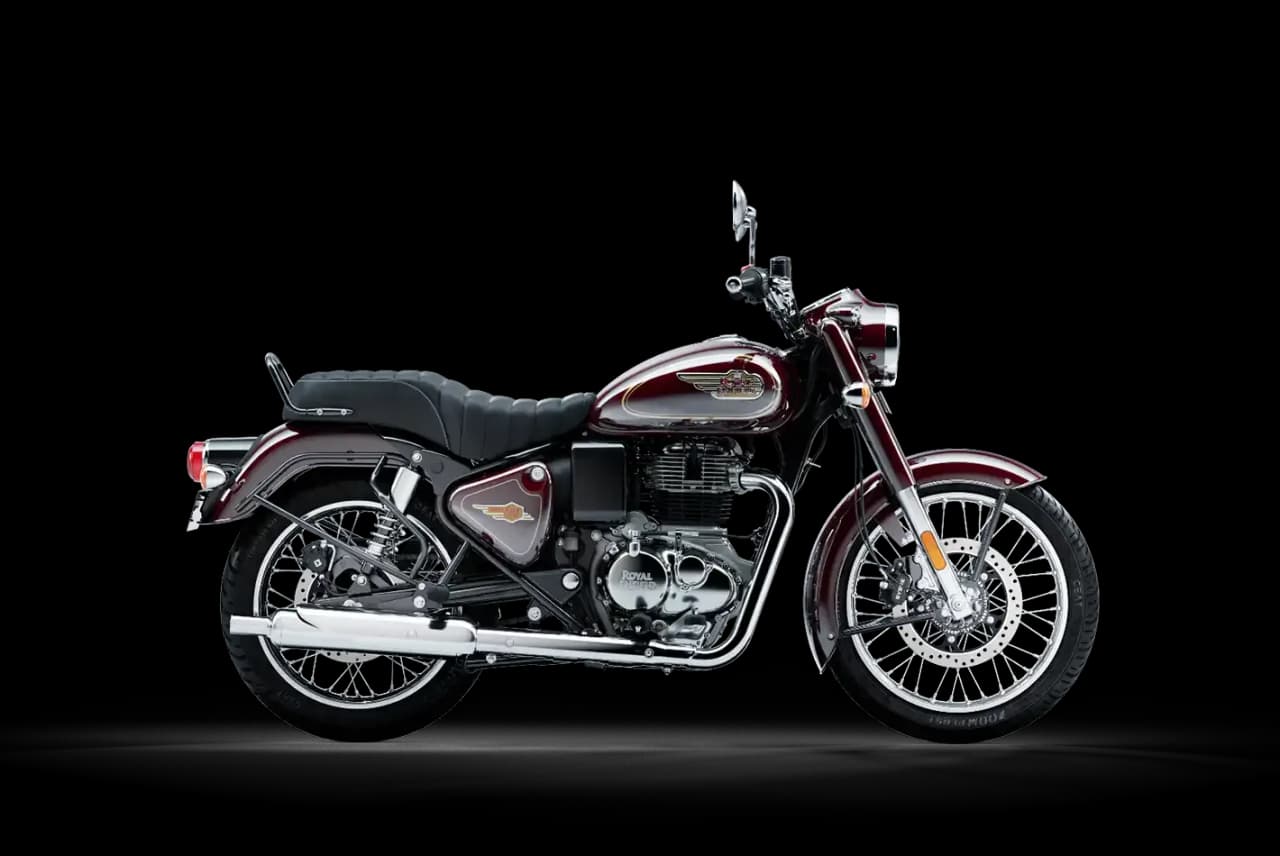
The Bullet also makes the better sense for buyers who care most about ex-showroom value and heritage feel. The Yamaha makes the better sense for buyers who want a cleaner all-rounder and are willing to pay for that.
Verdict
For most Nepali buyers, the Yamaha XSR155 is the better motorcycle overall because it gives more performance polish, better fuel use, modern equipment, and easier everyday handling. The Royal Enfield Bullet 350 still wins on price, relaxed comfort, and classic character, so it remains the stronger emotional buy and the better value if the brief is simple heritage cruising.
Compare Yamaha XSR155 vs Royal Enfield Bullet 350 variant by variant
Explore full specifications, variants & ownership context
Compare the exact variants
Specifications, features & ownership context
Choose a variant for each vehicle. The facts below follow that exact trim; the article explains the trade-offs.
Latest catalog and directory records supplement the original analysis. Figures may have changed since publication; individual specification and price-check dates appear below.
Yamaha XSR155
Rs 5.65 lakh ex-showroom · source checked 25 Oct 2026
Royal Enfield Bullet 350
Rs 5.6 lakh ex-showroom · source-check date not recorded
Engine & performance
| Specification / feature | Yamaha XSR155 | Royal Enfield Bullet 350 |
|---|---|---|
| Engine displacement | 155 ccVerified specification · 27 Aug 2026 | 349 ccResearched · confirm · 21 Sept 2026 |
| Max power | 18.4 PSVerified specification · 27 Aug 2026 | 20.5 PSResearched · confirm · 21 Sept 2026 |
Brakes, tyres & suspension
| Specification / feature | Yamaha XSR155 | Royal Enfield Bullet 350 |
|---|---|---|
| ABS | Dual-channel ABSVerified specification · 27 Aug 2026 | ABSResearched · confirm · 21 Sept 2026 |
Dimensions & weight
| Specification / feature | Yamaha XSR155 | Royal Enfield Bullet 350 |
|---|---|---|
| Ground clearance | 170 mmVerified specification · 27 Aug 2026 | — |
Yamaha XSR155
Showroom & service support
Distributor: MAW Rides Pvt. Ltd. (Yamaha Nepal)
244 listed brand showrooms · 90 listed brand service locations
Listed cities include Aanbu Khaireni, Attariya, Baglung, Baletaksar, Banepa, Bankasiya and 99 more.
Brand-wide directory coverage. Confirm that your nearest workshop supports this exact model, powertrain and warranty work; ask about parts availability and booking time.
Market buzz & buyer priorities
Compiled discussion, including buyer reactions and ownership reports; this is not a verified owner survey or a reliability score. Research dated 25 Oct 2026.
What people like
- Exceptional neo-retro aesthetic and build quality
- Smooth power delivery and high-end performance from the VVA engine
Concerns to investigate
- Price is high for the black variant
- High retail price relative to the 155cc engine displacement
- Lack of dual-channel ABS at this premium price point
Nepal ownership context
- Spare parts availability is high because it shares an engine with the R15 and MT-15 models widely sold in Nepal
- Ground clearance is generally adequate for Kathmandu roads but requires caution on deep potholes or rural trails
- MAW Enterprises' extensive service network across Nepal provides good support for this model
More feedback
- Resale value remains stable due to Yamaha's brand reputation and the niche appeal of the XSR styling
- The main Nepal buying debate is whether the XSR155’s styling, Yamaha engine platform and safety features justify its premium over larger retro motorcycles.
- Ground clearance is listed at 170 mm, which is useful for typical Nepali urban roads, speed breakers and uneven surfaces, but the motorcycle remains primarily a road-focused machine.
- Service access, spare-parts pricing and resale value are important concerns because the model is newer in Nepal than Yamaha’s established FZ, R15 and MT series.
Royal Enfield Bullet 350
Showroom & service support
Distributor: Alpha Automotive Pvt. Ltd. (Royal Enfield Nepal)
132 listed brand showrooms · 22 listed brand service locations
Listed cities include Baglung, Bardibas, Bhairahawa, Bhaktapur, Bharatpur, Biratnagar and 19 more.
Brand-wide directory coverage. Confirm that your nearest workshop supports this exact model, powertrain and warranty work; ask about parts availability and booking time.
Market buzz & buyer priorities
Compiled discussion, including buyer reactions and ownership reports; this is not a verified owner survey or a reliability score.
No substantive market-feedback summary is recorded yet. Ask recent owners about their usage, service experience and recurring costs.
Explore Royal Enfield Bullet 350 market buzz ↗Use these facts alongside the article’s full analysis. Check the final quotation, warranty terms and exact equipment before booking.
Evidence & next steps
Check the details before you buy
Use this guide to build a shortlist. Ask for a written quotation for your chosen variant, including registration, taxes, insurance and finance charges. Confirm the nearest authorised workshop supports that model.
Price sources and dates
These are the recorded distributor-source checks for the selected overview trims. They are separate from the article update and catalog read dates; they do not mean every trim was rechecked today. Confirm the final price with the distributor.
Overview photos come from the corresponding model records; additional article photos carry their own credits. Running costs depend on usage, energy prices, maintenance, insurance and resale value.