Start with the numbers
The model, at a glance
Top available variants, with prices in Nepalese rupees. Expand details to choose another variant.
| Vehicle | Ex-showroom price | Fuel | Selected variant |
|---|---|---|---|
| 01TVS Apache RTR 160 2V | Rs 3.65 lakh | Petrol | FI |
Ex-showroom prices exclude registration, road tax and insurance. Specifications can vary by trim. See individual source-check dates ↓
The Apache Legacy in the Nepali Market
The TVS Apache RTR 160 2V has long been a staple on Nepali roads. It occupies a specific niche between entry-level commuters and high-performance sportbikes. For years, it has served riders who want more than just a fuel-efficient machine but aren't ready to jump into the 200cc or 250cc price brackets.
Jagdamba Motors, the authorized distributor, has kept this model alive through several iterations. Even with the arrival of the 4V (four-valve) siblings, the 2V (two-valve) remains popular. Its longevity comes from a reputation for being 'tough' in hilly regions and easy to fix. It is a bike that feels at home in the narrow streets of Kathmandu and on the steep climbs of the mid-hills.
Design and Build Quality
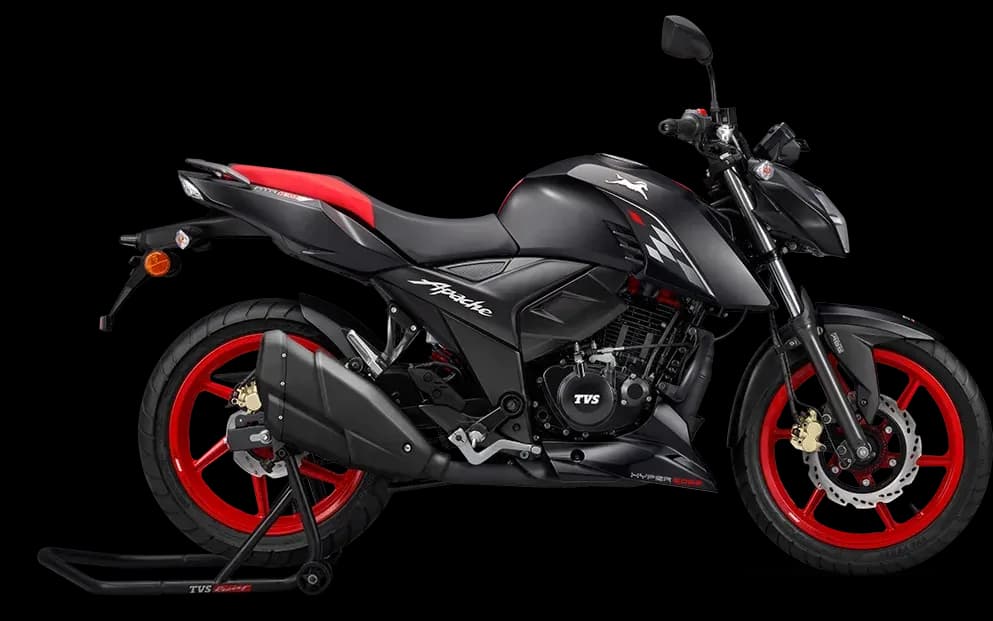
The silhouette of the Apache RTR 160 2V is instantly recognizable. It retains the sharp, 'beast-inspired' styling that made the series famous. The fuel tank features muscular extensions that improve aerodynamics and give the bike a larger presence. The build quality is sturdy, designed to withstand the vibrations of rougher roads.
There is a notable difference in equipment between the two available variants. The 2v ABS trim is the more modern-looking option. It features a bright LED headlamp that significantly improves visibility. On the other hand, the FI variant sticks with a traditional halogen setup. Both trims share the same dimensions, with a length of 2085 mm and a height of 1105 mm. The 165 mm ground clearance is a vital asset. It allows the bike to clear large speed bumps and deep potholes without scraping its underbelly.
Performance and Engine Character
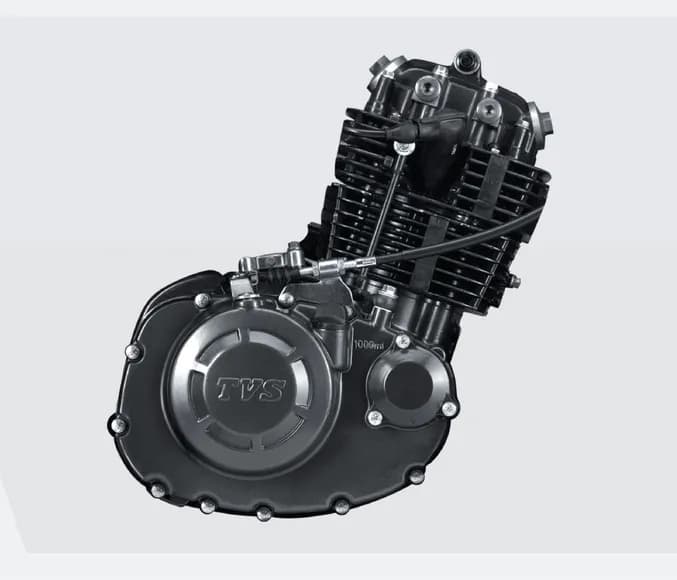
At the heart of both variants is a 159.7 cc, 4-stroke, air-cooled engine. However, the tuning and output differ slightly between the trims. The 2v ABS variant delivers a maximum power of 15.2 PS and 13.08 Nm of torque. Interestingly, the FI variant, which sits at the top of the price range at Rs 3.65 lakh (listed price), produces 14.14 PS and 13.2 Nm of torque.
The 2-valve engine is known for its strong low-end and mid-range grunt. This makes it particularly effective for overtaking in city traffic. In hilly regions, this torque helps the bike climb inclines without constant gear changes. Both variants use a 5-speed constant mesh gearbox. The gear shifts are generally crisp, though finding neutral can occasionally require a light touch. Fuel efficiency is a strong point for this segment. The FI variant is reported to offer around 50 km/l, while the ABS variant provides approximately 40 km/l. With a 16-litre fuel tank, the range is impressive for long-distance travel.
Ride, Handling, and Braking
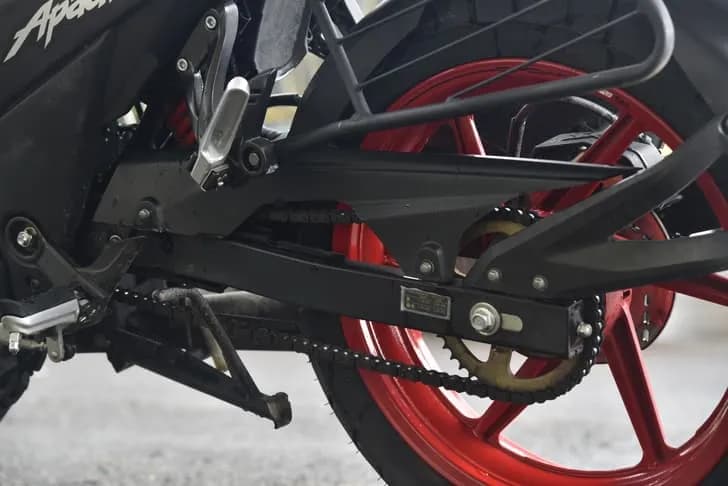
The Apache has always been known for its agile handling. A short 1300 mm wheelbase makes it easy to flick through traffic. The seat height is 790 mm, which is accessible for most Nepali riders. It allows for a confident stance when stopped at traffic lights. The riding posture is slightly sporty with rear-set footpegs, though this can lead to some fatigue during very long rides.
Suspension duties are handled by telescopic front forks and Monotube Inverted Gas-filled (MIG) rear shocks. This setup is tuned on the firmer side. It provides good stability during spirited cornering but can feel a bit stiff on broken pavement.
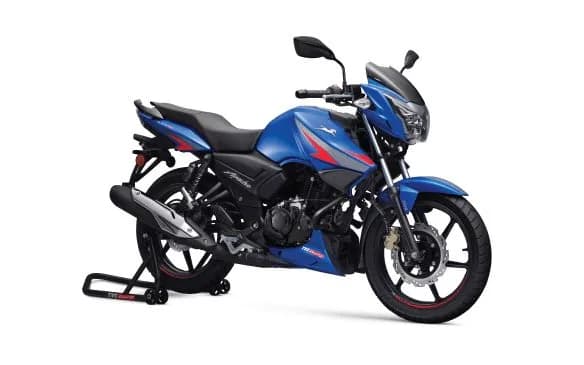
Braking performance varies by trim. The 2v ABS variant is the better-equipped safety choice. It features a 270mm petal disc at the front and a 200mm petal disc at the rear, supported by single-channel ABS. This setup offers better heat dissipation and more consistent stopping power. The FI variant uses a 270mm front disc but relies on a 130mm drum brake at the rear. While adequate for city speeds, the drum setup lacks the bite and feedback of the disc-equipped ABS model.
Features and Connectivity
TVS has integrated several modern features into the Apache range. Both bikes now include riding modes, a feature previously reserved for larger displacement motorcycles. These modes adjust the engine response to suit different conditions.
The 2v ABS variant takes the lead in technology. It comes with a digital cluster that includes SmartXonnect Bluetooth connectivity. This allows riders to sync their smartphones for turn-by-turn navigation and call/SMS alerts. The FI variant uses a digital display but lacks these Bluetooth features. Both bikes come with tubeless tyres as standard, which is a necessity for modern commuting.
Practicality and Ownership
Practicality is where the RTR 160 2V truly shines in Nepal. TVS has a massive footprint in the country. There are 300 showrooms and 53 service centres across Nepal. This means whether you are in Birtamode or Nepalgunj, getting spare parts or a routine service is rarely an issue.
Maintenance costs are relatively low compared to more complex liquid-cooled rivals. The air-cooled engine is simple to work on. The Apache maintains a strong resale value in the secondary market. Used bike buyers often look for these models because of their proven reliability and part availability.
Price and Variant Comparison
The TVS Apache RTR 160 2V is available in two distinct trims in Nepal:
- FI: Rs 3.65 lakh (listed price). This variant prioritizes the fuel injection system for smoother throttle response and better fuel economy. It uses a halogen headlamp and a rear drum brake.
- 2v ABS: Rs 3.5 lakh (listed price). This variant offers better value for those prioritizing safety and tech. It includes single-channel ABS, front and rear disc brakes, an LED headlamp, and SmartXonnect Bluetooth features.
While the FI tech is modern, the 2v ABS trim presents a compelling argument with its superior braking hardware and lighting for a slightly lower price point.
Verdict
The TVS Apache RTR 160 2V remains a logical choice for the Nepali commuter who needs a balance of power and economy. It is particularly suited for riders who travel frequently in hilly terrain or those who want a bike that is easy to maintain outside the capital. While the stock tires can feel slippery on wet mud and the halogen lighting on the FI trim is dim, the overall package is robust.
If you value modern safety and connectivity, the 2v ABS variant is the clear winner. If you prefer the smooth delivery of fuel injection and can compromise on rear braking hardware, the FI variant serves as a dependable daily workhorse. It remains one of the most practical ways to own a performance-oriented 160cc motorcycle in Nepal.
Explore full specifications, variants & ownership context
Know the product
Key specifications, features & ownership context
Choose a variant to see its recorded specifications and features. Equipment and prices can change across trims.
Latest catalog and directory records supplement the original analysis. Figures may have changed since publication; individual specification and price-check dates appear below.
Rs 3.65 lakh ex-showroom · source checked 18 Oct 2026
Engine & performance
| Specification / feature | FI |
|---|---|
| Engine displacement | 159.7 ccResearched · confirm · 6 Oct 2026 |
| Max power | 14.14 PSResearched · confirm · 6 Oct 2026 |
Brakes, tyres & suspension
| Specification / feature | FI |
|---|---|
| ABS | Single-channel ABSResearched · confirm · 28 Sept 2026 |
Dimensions & weight
| Specification / feature | FI |
|---|---|
| Ground clearance | 165 mmResearched · confirm · 6 Oct 2026 |
Showroom & service support
Distributor: Jagdamba Motors Pvt. Ltd. (TVS Nepal)
300 listed brand showrooms · 53 listed brand service locations
Listed cities include Attariya, Baglung, Balkumari, BALKUMARI, Banepa, Bansgadhi and 110 more.
Brand-wide directory coverage. Confirm that your nearest workshop supports this exact model, powertrain and warranty work; ask about parts availability and booking time.
Market buzz & buyer priorities
Compiled discussion, including buyer reactions and ownership reports; this is not a verified owner survey or a reliability score. Research dated 3 Oct 2026.
What people like
- Reliable engine performance for daily commuting
- Strong resale value in the Nepali secondary market
- Affordable maintenance and easy availability of spare parts
More feedback
- Aggressive and sporty styling remains popular among youth
- Nepali reviews emphasize the Apache RTR 160 2V’s aggressive styling, punchy performance and suitability for everyday riding.
Concerns to investigate
- Headlight brightness is considered insufficient for night riding on unlit highways
- Stock tires lack confidence on wet or muddy Nepali roads
- The sporty riding character may be less comfortable for riders who spend long hours on the motorcycle.
More feedback
- Mileage, service quality and ownership costs can vary with traffic, riding style, maintenance and dealer experience.
What buyers ask for
- Ground clearance for speed bumps and potholes
Nepal ownership context
- Jagdamba Motors maintains a wide service network, making parts accessible even outside the Kathmandu Valley
- The bike is highly regarded for its ability to handle steep inclines and rough terrain common in hilly regions
- Resale value remains one of the highest in the 160cc segment in Nepal
More feedback
- Nepal buyers mainly need to compare the exact variant, dealer service quality, spare-parts access and resale demand before purchase.
- Its practical fit for Nepal depends on how well the suspension, ground clearance and riding position suit local roads and frequent rough-road use.
- The Nepal market listing should be checked for the exact equipment, braking system and colour offered on each variant.
Use these facts alongside the article’s full analysis. Check the final quotation, warranty terms and exact equipment before booking.
Evidence & next steps
Check the details before you buy
Use this guide to build a shortlist. Ask for a written quotation for your chosen variant, including registration, taxes, insurance and finance charges. Confirm the nearest authorised workshop supports that model.
Price sources and dates
These are the recorded distributor-source checks for the selected overview trims. They are separate from the article update and catalog read dates; they do not mean every trim was rechecked today. Confirm the final price with the distributor.
Overview photos come from the corresponding model records; additional article photos carry their own credits. Running costs depend on usage, energy prices, maintenance, insurance and resale value.