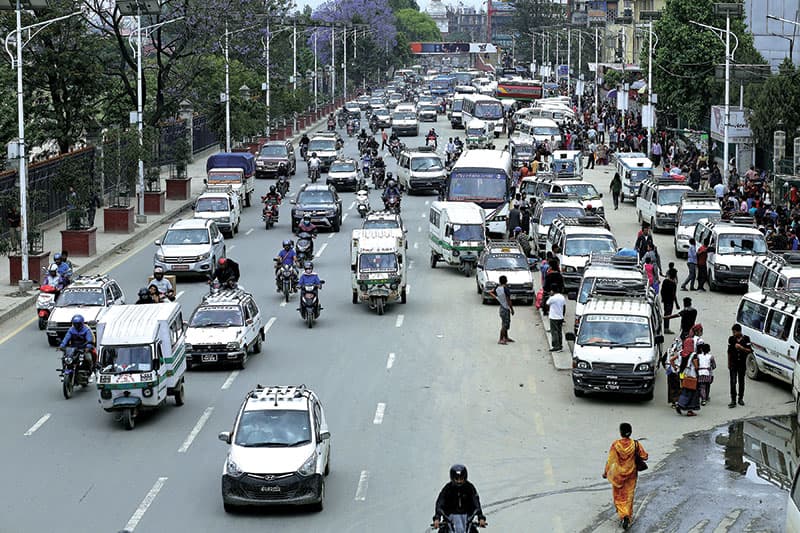
Kathmandu Valley Traffic Police are preparing a new set of rules for electric vehicle (EV) drivers as EV sales grow and accident cases rise.
According to the traffic police, many drivers are shifting directly from fuel vehicles to EVs without proper understanding of the different driving behaviour and systems, which is contributing to more road accidents involving electric cars.
Separate licence category for EVs
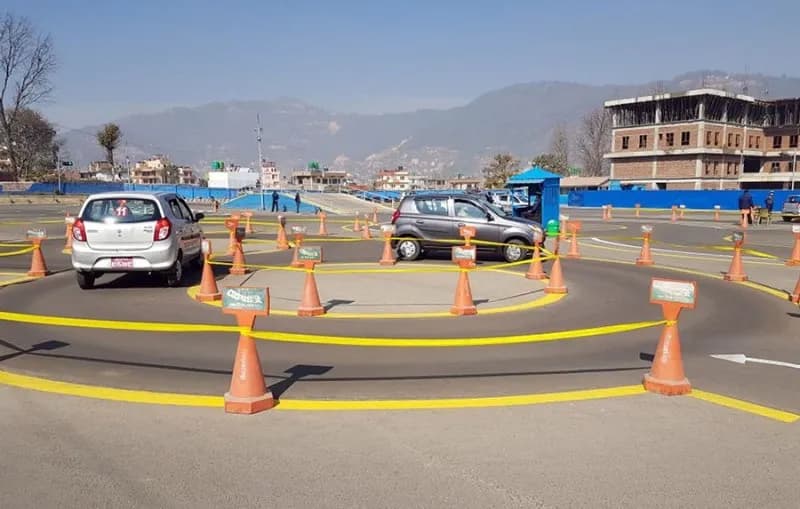
The Valley Traffic Police Office has proposed that drivers must pass a separate trial exam specifically for electric vehicles before getting a driving licence to operate them.
- A distinct EV category would be added to the existing driving licence.
- Only those who clear the EV trial test would be allowed to drive electric cars and other EVs legally.
Traffic police officials say they are holding discussions with the Department of Transport Management (DoTM) on how to introduce this new EV licence class within the current licensing system.
Why the change is being discussed
Police officials argue that EVs and fuel-powered vehicles behave differently in terms of acceleration, braking, power delivery and onboard electronics.
- Many new EV drivers are not fully familiar with instant torque and rapid acceleration, which can surprise them at higher speeds.
- Regenerative braking and different gear selector systems can also confuse drivers who have only used conventional vehicles.
Because of these differences, the traffic police believe separate training and testing are needed to ensure EV drivers can handle their vehicles safely.
Consultation with auto industry and importers
To prepare the proposal, the traffic police have started consultations with:
- NADA (Nepal Automobile Dealers Association)
- NIMA (Nepal Independent Automobile Business Association)
- Technical experts from various EV and automotive brands
During these meetings, importers have been urged to provide basic mechanical and operational training to customers before handing over the vehicle. This includes:
- Explaining battery systems, charging options and safety
- Demonstrating drive modes, braking behaviour and use of driver-assistance features
Police sources say that over 42,000 four‑wheeler EVs have already been sold in the Kathmandu Valley alone, and the number is increasing steadily.
Possible use of speed governors in EVs
To control high‑speed crashes, the traffic police are also studying the option of installing speed governors in EVs.
- A speed governor is a device that limits the maximum speed of a vehicle.
- Authorities are exploring whether EVs in Nepal can be restricted so they cannot exceed a certain top speed set by regulations.
This idea is still under internal discussion and technical study, and no final decision has been made yet.
What EV buyers and drivers should expect
Although the proposal is not yet implemented, EV owners and future buyers should be prepared for:
- Separate EV licence requirements in the coming years
- Mandatory EV‑specific training or orientation from dealers before delivery
- Possible speed limits controlled electronically in future EV models
For now, traffic police advise all EV drivers to take extra care while driving, especially when learning to manage instant acceleration and new control systems, and to seek proper training from dealers or driving schools wherever available.
Writes on vehicle pricing, taxation and the Nepali auto market from ongoing tracking of distributor price lists. Editorial policy.