Nepal’s transport rules are headed for a major shake-up this fiscal year, with the Ministry of Physical Infrastructure and Transport working on five key laws on vehicles, roads and road safety.
What is being changed
The ministry has put 16 transport-related bills into the government’s legislative plan, with five focused directly on roads and vehicles. These are:
- Motor Vehicles and Transport law (full replacement of the current Act)
- Road Safety law (Nepal’s first dedicated Road Safety Act)
- Public Roads law (amendments)
- Water Transport Operation and Management law
- Urban Public Transport (Management) Authority law (amendments)
According to the ministry, two priority bills – the new Motor Vehicles and Transport Bill and the Road Safety Bill – are targeted to be ready by Kartik (around October/November). The other three are scheduled for completion by Falgun/Chaitra (February/March).
New Motor Vehicles and Transport Bill: what it means for drivers
The new bill will replace the old Vehicle and Transport Management Act, 2049 (1993). The current Act has been amended many times and no longer fits the federal structure or today’s vehicle technology.
Points under discussion include:
- Higher traffic fines for a wider range of violations, covering both drivers and vehicle owners.
- Lower late fees for driving license renewal, so those who renew after expiry pay less than today.
- Fines for pedestrians who ignore basic traffic rules, such as unsafe road crossing.
- Revised minimum age for driving licenses, with clearer age limits for bikes, cars and heavy vehicles.
- More license categories to separate commercial drivers, heavy vehicle operators and ordinary private users.
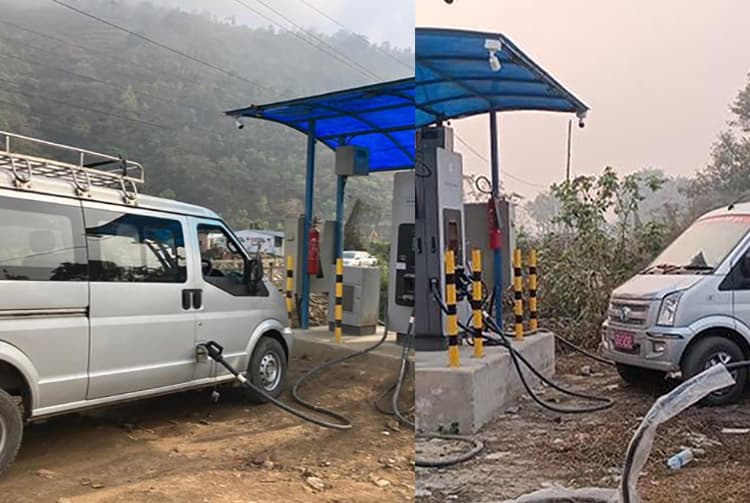
- Legal permission to convert petrol/diesel vehicles to electric power, giving owners a formal pathway to shift to EVs.
For vehicle buyers, the first visible change will be stricter enforcement and higher penalties. There will also be a clearer framework for EV conversions and commercial driving licenses.
First Road Safety Act: focus on safer roads and vehicles
The government is also preparing Nepal’s first standalone Road Safety Act. Ministry officials say the goal is to cut accidents and improve coordination between agencies handling roads, vehicles, health services and police.
Draft provisions include:
- National, provincial and local road safety bodies to coordinate planning and enforcement.
- Integrated transport and land-use planning, so new roads and settlements are designed with safety in mind.
- Safer road infrastructure standards, covering design, signage and maintenance.
- Vehicle safety requirements, likely affecting how new vehicles are approved and inspected.
- Speed management and clearer rules for road users, backed by regular awareness campaigns.
- Emergency rescue and treatment systems for crash victims, plus rules on insurance and compensation.
For everyday motorists, this is expected to bring more structured speed limits, better-marked roads and clearer duties for transport operators.
Other laws: public roads, urban buses and water transport
Alongside these two main bills, the ministry plans to finish changes to the Public Roads Act, rules for water transport operation and management, and the Urban Public Transport (Management) Authority Act, 2022 by the end of the fiscal year.
These laws will shape road ownership and right-of-way, management of river-based transport, and how city buses and urban routes are planned and regulated.
What Nepal AutoMart readers should expect
For Nepali vehicle buyers and users, the key points are:
- Stricter, higher traffic fines are on the way.
- Late renewal of licenses may become less punitive, but will still be enforced.
- Electric mobility gets legal support through conversion provisions and clearer categories.
- Public transport and urban routes will face tighter regulation and safety checks.
Once the bills clear the Ministry of Finance and the Ministry of Law, they will move to the Cabinet and then Federal Parliament. Only after Parliament passes them will the new rules apply on the road. Buyers planning future vehicle purchases should already factor in tougher safety enforcement and a more EV-friendly legal framework.
Writes on vehicle pricing, taxation and the Nepali auto market from ongoing tracking of distributor price lists. Editorial policy.