Where Each Car Sits in the Nepali Market
The **Tata Punch EV and Tata Tiago EV** are both sold in Nepal by Sipradi Trading with the same nationwide network of around 130 showrooms and 49 service centres. That means either way, you get similar access to dealers, parts and EV service expertise.
Where they differ is segment and price: - Punch EV: A sub‑4m micro‑SUV‑style EV, positioned higher on price and image, with a Rs 33.99 lakh – Rs 37.99 lakh ex‑showroom range across three variants (2026 30 kWh, 2026 40 kWh, Empowered+ S 40). - Tiago EV: A compact hatchback EV, focused on affordability, with a Rs 28.99 lakh – Rs 29.99 lakh ex‑showroom bracket for two variants (Pure +24, Creative +24).
For a Nepali buyer looking at the Rs 28–38 lakh band, the Tiago EV is the entry point into Tata’s EV line‑up, while the Punch EV asks you to spend more for SUV‑like ground clearance, stance and longer‑range battery options.
Design, Stance and Road Presence
Tata Punch EV: Micro‑SUV Character
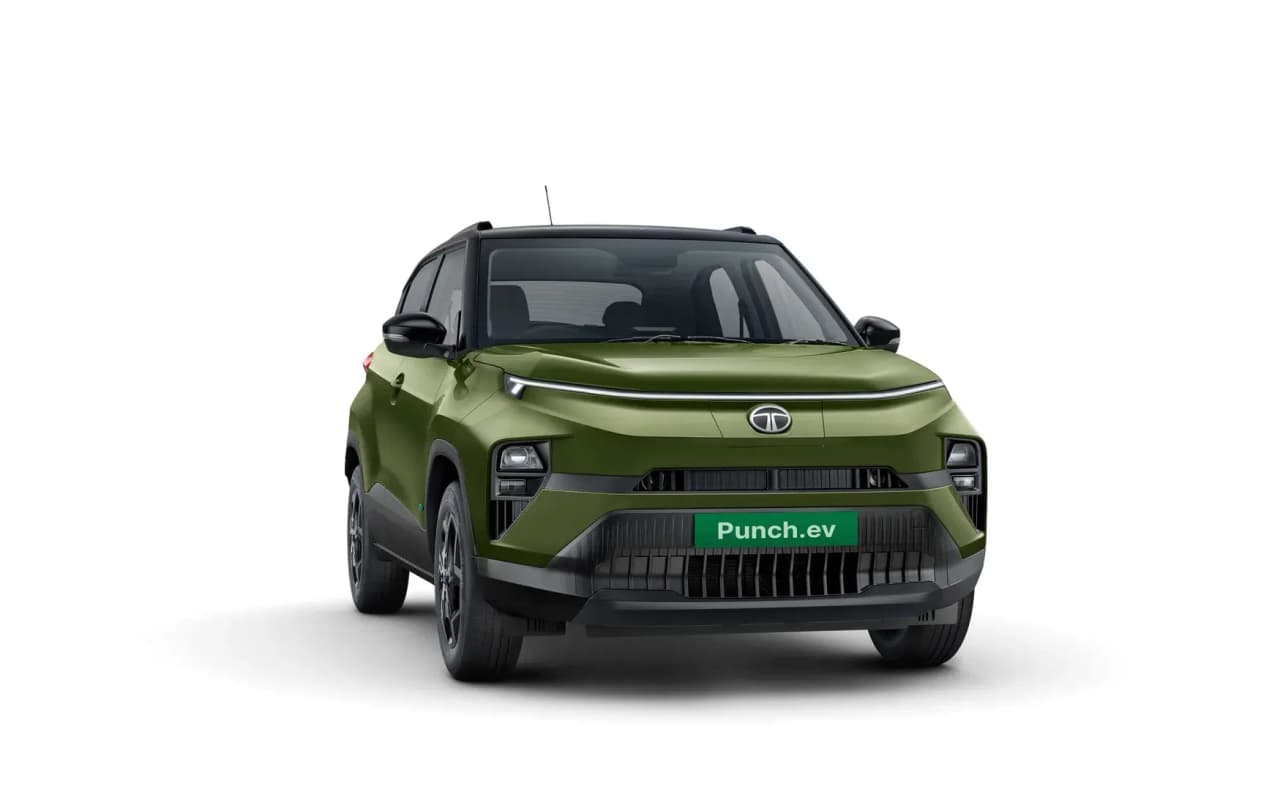
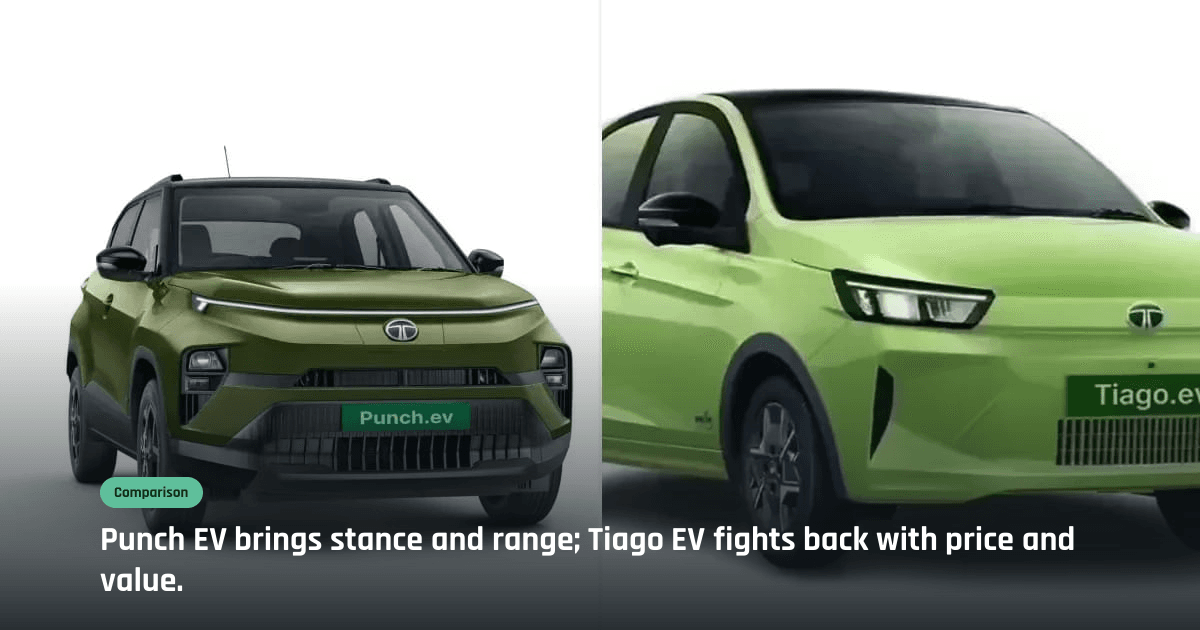
The Punch EV carries over the familiar Punch micro‑SUV proportions but with an EV‑specific front end. It uses a closed grille, split headlamp setup and a modern LED lighting signature, echoing the India‑spec Punch.ev. All variants share the sub‑4m body, five doors and five seats.
Key design impressions: - High ground clearance around 190–195 mm across the range. - Roof rails and SUV stance, giving it more visual presence than a hatchback. - Higher trims like the 40 kWh and Empowered+ S 40 are expected to get alloy wheels and richer exterior detailing.
In Nepali traffic, this makes the Punch EV look like a mini‑SUV rather than a small city car, which many buyers value for image and perceived robustness on rough roads.
Tata Tiago EV: Facelifted Urban Hatch
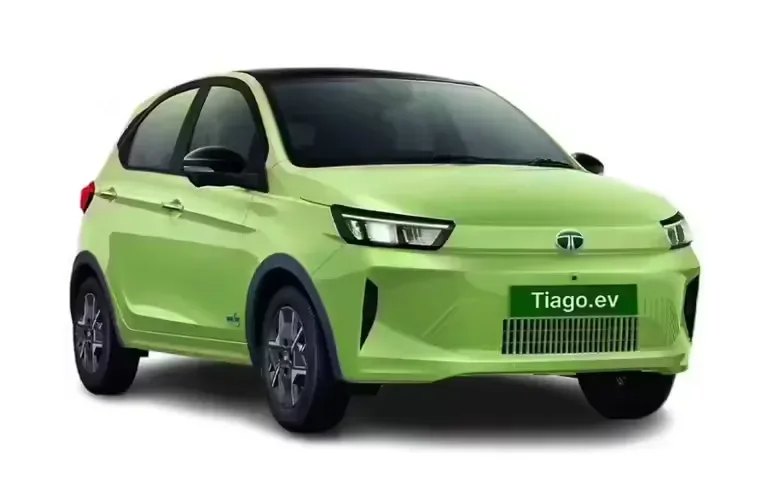
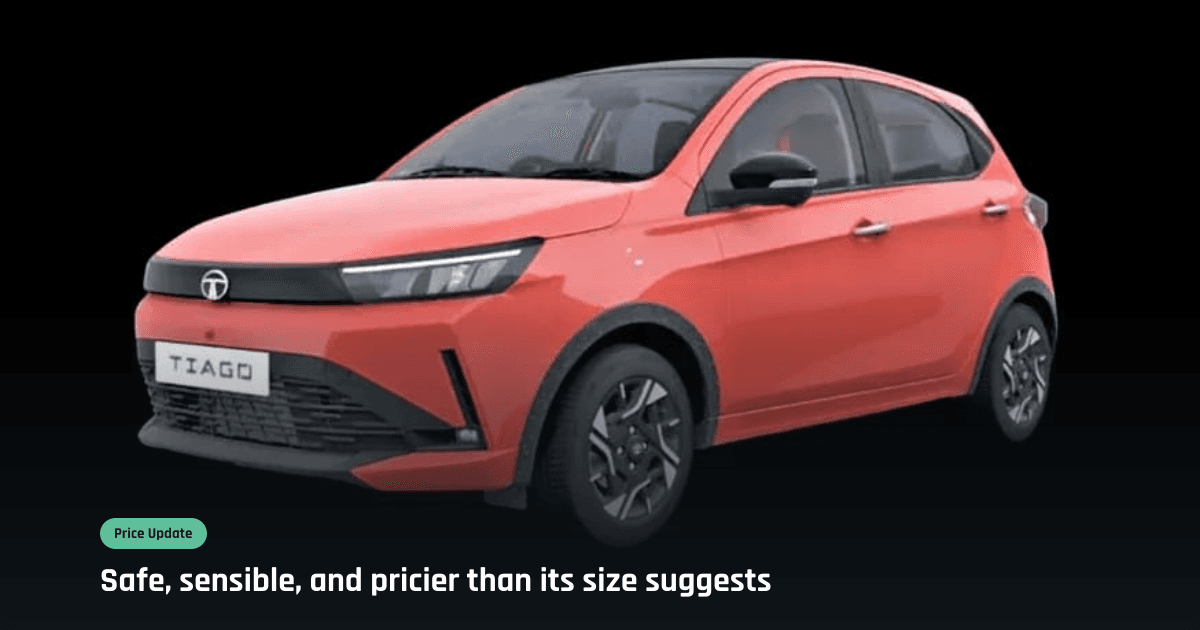
The refreshed Tiago EV is a compact hatchback with a more conventional silhouette but heavily updated styling: - Redesigned bonnet and reshaped fenders that sharpen the front. - LED headlights and a blanked‑off EV grille. - Body‑colour bumpers with black plastic fender flares. - Updated rear bumper, new tailgate and LED taillights joined by a non‑illuminated red strip. - Light beige/pastel‑pink and light blue paint options that add visual flair.
Its stance is lower, with 166 mm ground clearance, and 14‑inch wheels emphasise city usability over SUV posture. Visually, it is more of a stylish urban companion than a go‑anywhere look‑alike.
Design Verdict
If you want SUV‑like presence, higher seating and rough‑road visual confidence, the Punch EV is the more appealing choice. If you prefer a tidy, modern hatchback with fresh colours and an understated footprint that’s easier to park in tight Nepali city lanes, the Tiago EV fits the brief.
Features and Equipment: Cabin Tech and Comfort
Punch EV: EV‑Specific Touches, but Variant‑Sensitive
Across the Punch EV range, you get a five‑seat cabin with automatic climate control available, and an EV‑specific interface.
- 30 kWh variant (Rs 33.99 lakh): Fabric upholstery and a more basic equipment level. It offers a touchscreen infotainment system and a digital instrument cluster, but connected car and remote features are limited at this entry level.
- 40 kWh variant (Rs 36.99 lakh): Better trim and a more complete features list. Touchscreen infotainment and a full‑digital instrument cluster are standard, and this mid variant is likely to offer wireless smartphone connectivity and richer convenience tech.
- Empowered+ S 40 (Rs 37.99 lakh): Top trim, expected to stack the most features, including more connected functions, premium cabin touches and possibly more advanced safety aids.
Automatic AC, EV drive modes and basic convenience features are present, but the exact depth of connected tech and luxury features still depends on which variant you choose.
Tiago EV: Strong Tech at a Lower Price
The Tiago EV’s facelifted interior leans more heavily on infotainment value, especially considering its lower price band.
Both Pure +24 (Rs 28.99 lakh) and Creative +24 (Rs 29.99 lakh) offer: - A 10.2‑inch touchscreen infotainment system, larger than what you typically see at this price. - Wireless smartphone connectivity, which many buyers now expect. - A digital instrument cluster mounted free‑standing without a protective cowl. - Automatic climate control with physical dials for easy operation. - A rotary dial gear selector, reinforcing the EV identity.
Comfort touches include fabric upholstery, rear AC vents and improved front seat support with better thigh support and side bolstering. The steering wheel adjusts for tilt but not reach.
Features Verdict
On pure tech per rupee, the Tiago EV is very strong: both variants deliver a big screen, wireless connectivity and digital cluster within Rs 30 lakh. The Punch EV can match and exceed this, especially in mid and top trims, but you pay a clear premium and the base 30 kWh variant feels more modestly equipped. Buyers who prioritise cabin tech and value lean Tiago EV; buyers who are okay paying more for SUV‑style plus EV features lean Punch EV.
Motor, Battery and Performance
Punch EV: More Battery, More Headroom
The Punch EV has a clear hardware advantage, especially as you move up the battery ladder.
- 2026 30 kWh
- Battery: 30 kWh, standard‑range MR pack in the 25–30 kWh class.
- Claimed range: Around 275 km.
- Motor: Front‑mounted permanent magnet motor, roughly 48–60 kW in MR trims.
- Drivetrain: Front‑wheel drive, single‑speed automatic reduction gear.
- 2026 40 kWh
- Battery: 40 kWh mid‑tier long‑range configuration.
- Claimed range: Around 355 km.
- Motor: Higher output, roughly 60–70 kW segment.
- Drivetrain: Front‑wheel drive, single‑speed automatic.
This means the Punch EV, especially in 40 kWh form, offers stronger performance and more usable highway range than entry EVs in its price band. The 30 kWh is tuned more for city and short‑to‑medium trips, while the 40 kWh trims are positioned for mixed urban‑intercity use.
Tiago EV: Efficient 24 kWh Long Range Hatch
Both Tiago EV variants share the same hardware:
- Battery: 24 kWh lithium‑ion, Long Range configuration.
- Official claimed range: 250–291 km on a full charge.
- Real‑world observation: Around 205 km in typical mixed usage.
- Motor: 48 kW Permanent Magnet Synchronous Motor, producing 65.3 PS and 114 Nm.
- Drivetrain: Front‑wheel drive, single‑speed automatic.
Performance is adequate for city use, but acceleration tapers off noticeably above 80 km/h. That aligns with its positioning as a primarily urban EV, capable of ring‑road and short highway runs but not designed for sustained high‑speed cruising.
Performance and Range Verdict
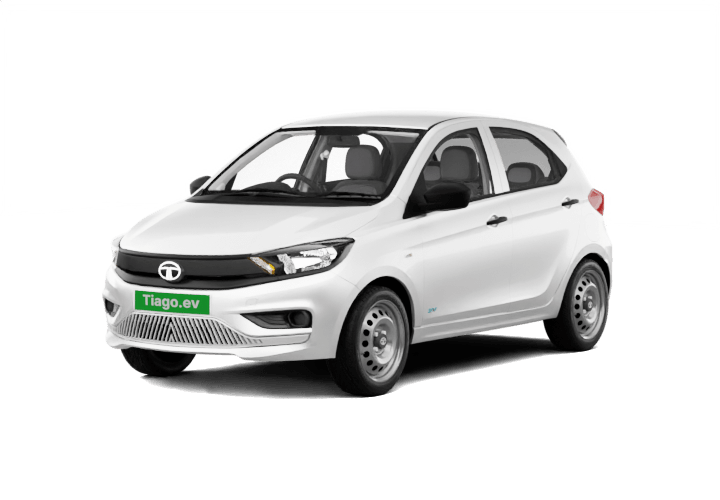
In Nepali conditions, the Punch EV’s 40 kWh variants clearly provide more margin for highway runs, hill drives and load. The 30 kWh Punch EV still has a range edge over the Tiago EV’s observed ~205 km, but the difference is smaller and may not justify the extra spend for strictly urban buyers.
The Tiago EV’s 24 kWh pack is efficient and cost‑friendly, but the combination of modest range and performance taper above 80 km/h makes it a better fit for city‑centric owners.
Ride, Handling and Comfort
Here, we rely on the fundamentals of body style and the available comfort data rather than detailed drive impressions.
Punch EV: Higher Ground Clearance, SUV‑Like Seating
With 190–195 mm ground clearance, the Punch EV is better prepared for: - Rough village roads. - Broken city surfaces and speed bumps. - Occasional light off‑pavement situations, like gravel access roads.
The micro‑SUV body and seating height provide a commanding view of the road. Automatic climate control across the lineup, EV drive modes and the availability of a better‑equipped mid 40 kWh variant contribute to relaxed daily driving.
Cabin materials on the base 30 kWh trim are simpler, with basic fabric upholstery. Higher trims get nicer trims and more creature comforts, making longer trips more pleasant.
Tiago EV: Lower but Still Comfortable
The Tiago EV’s 166 mm ground clearance is sufficient for most city streets but will require more care on particularly bad rural sections compared with the Punch EV.
Comfort highlights include: - Improved front seat cushioning with better thigh support and side bolstering. - Rear AC vents, which are rare in small hatchbacks and help rear passengers. - A compact footprint that makes steering and manoeuvring in tight spaces easier.
However, the hatchback body and shorter wheelbase mean the ride will feel more like a traditional small car than a soft‑riding SUV.
Comfort Verdict
If your daily routes include frequent rough roads, village tracks or steep access roads, the Punch EV’s extra ground clearance and stance are more reassuring. For primarily urban commuting with some occasional longer trips, the Tiago EV’s comfort setup is more than adequate and arguably more convenient in congested areas.
Practicality and Running Costs
Space and Boot
For the Punch EV, boot space has not been officially disclosed in the gathered Nepal‑market trim data for the 30 kWh and 40 kWh variants. We know it is a five‑seat compact SUV‑style body, which should offer a more upright cabin and potentially more flexible cargo space than a small hatch, but it’s not possible to quote a precise litre figure.
The Tiago EV retains the boot capacity and rear seat practicality of the pre‑facelift Tiago EV, with no structural cargo changes. That means a known, modest hatchback boot suitable for daily groceries, school bags and some luggage, but less capable for large loads than bigger SUVs.
Daily Usability and Costs
On running costs, both cars benefit from Tata’s established EV hardware and the same Sipradi service footprint: - Electricity vs fuel: Both dramatically undercut comparable petrol cars on cost per kilometre, which has been a key reason for their popularity. - Service and parts: Shared Tata EV ecosystem should keep maintenance predictable.
The Tiago EV’s 24 kWh battery and lower purchase price mean lower upfront investment and slightly lower charging costs per full pack. The Punch EV’s 30 kWh and 40 kWh batteries cost more to buy and charge to full, but they deliver more range per charge and better flexibility.
Practicality Verdict
If you often carry family plus luggage and value seating height, the Punch EV feels more practical despite the undisclosed boot figure. If your typical use is two to four occupants and normal urban cargo, the Tiago EV’s hatchback layout is compact but adequate. In terms of pure cost‑ownership equation, the Tiago EV edges ahead for budget‑conscious buyers, while the Punch EV offers practicality more aligned with SUV expectations.
Price and Variants: Side‑by‑Side Comparison
Here is a simplified price and hardware overview for Nepali buyers:
| Model / Variant | Battery | Claimed Range (approx.) | Ground Clearance | Ex‑showroom Price (NPR) |
|---|---|---|---|---|
| Punch EV 2026 30 kWh | 30 kWh | 275 km | 190–195 mm | Rs 33.99 lakh |
| Punch EV 2026 40 kWh | 40 kWh | 355 km | 190–195 mm | Rs 36.99 lakh |
| Punch EV Empowered+ S 40 | 40 kWh | 355 km (range family) | 190–195 mm | Rs 37.99 lakh |
| Tiago EV Pure +24 | 24 kWh LR | 250–291 km (205 km real) | 166 mm | Rs 28.99 lakh |
| Tiago EV Creative +24 | 24 kWh LR | 250–291 km (205 km real) | 166 mm | Rs 29.99 lakh |
The price gap is clear: - Entry Punch EV 30 kWh costs about Rs 5 lakh more than the base Tiago EV Pure +24. - Top Punch EV Empowered+ S 40 costs around Rs 8 lakh more than top Tiago EV Creative +24.
For many households, that difference is decisive. You are effectively choosing between spending less for a tech‑rich hatch or spending more for extra range, performance and SUV‑like character.
Which Car Suits Which Kind of Nepali Buyer?
Choose Tata Tiago EV if:
- Your driving is mostly urban: office commute, school runs, city errands.
- You want strong tech features like a 10.2‑inch touchscreen and wireless connectivity at an accessible price.
- You are comfortable with around 205 km real‑world range, charging at home or office.
- You value lower upfront cost and are stepping into your first EV around Rs 30 lakh.
- You prefer a compact footprint that is easy to park and manoeuvre in dense areas.
Choose Tata Punch EV if:
- You regularly do intercity trips or hill routes, and want more range margin.
- You value higher ground clearance and micro‑SUV stance for rough roads.
- You want stronger performance, especially in the 40 kWh trims, for loaded family travel.
- You’re willing to pay Rs 34–38 lakh for a more versatile EV that feels closer to an SUV.
- You prioritise seat height and road presence over the last word in value.
Within the Punch EV range, the 2026 40 kWh stands out as the sweet spot: better range and performance than the 30 kWh without reaching the highest Empowered+ S 40 price. Within the Tiago EV range, the Pure +24 offers the most balanced value, while Creative +24 caters to buyers who want the most stylish and feature‑rich package.
Editorial Verdict: Micro‑SUV vs Value Hatch
For Nepali buyers, this is ultimately a question of budget versus breadth of ability.
- The Tata Tiago EV is the better value buy if your life is primarily inside Kathmandu, Pokhara, Biratnagar or similar urban clusters. It delivers attractive styling, serious infotainment and acceptable range at around Rs 29–30 lakh. You sacrifice SUV stance and some rough‑road clearance, but you gain a more accessible entry into EV ownership.
- The Tata Punch EV, especially in 40 kWh form, is the better all‑rounder for families who mix city use with frequent highway and hill drives. The extra range, stronger motor and higher ground clearance make it more suited to Nepal’s varied terrain, and the micro‑SUV body provides the kind of image many buyers now look for, even if it costs notably more.
If your budget is tight and city‑centric, the Tiago EV wins. If you can stretch your budget and want an EV that feels closer to an SUV in stance and capability, the Punch EV is the more convincing long‑term companion.
Writes on vehicle pricing, taxation and the Nepali auto market from ongoing tracking of distributor price lists. Every price in this piece is read live from the Nepal AutoMart catalog — how we verify prices.