Where It Sits In The Nepali Market
The Tata Punch EV arrives in Nepal through Sipradi Trading at a price that will catch anyone familiar with the petrol Punch as an affordable, entry-level micro-SUV off guard. At Rs 37.99 lakh for the Empowered LR and Rs 39.99 lakh for the range-topping Empowered+S LR, this is not a budget electric car. It sits closer to mid-size electric SUV territory than the small-car segment its name suggests.
That is the key point a Nepali buyer needs to keep in mind before walking into a showroom. You are not buying a cheap EV version of a cheap car. You are buying a compact, feature-loaded electric SUV that shares its silhouette and badge with a much cheaper petrol model.
Given that pricing, the Punch EV's real competition in Nepal is not other micro-SUVs on power and space alone. It has to stand up against other EVs in a similar bracket on comfort, tech, and daily usability. On that count, it largely delivers, but buyers need to go in with realistic expectations about what "Punch" means in electric form.
Looks, Design And Build
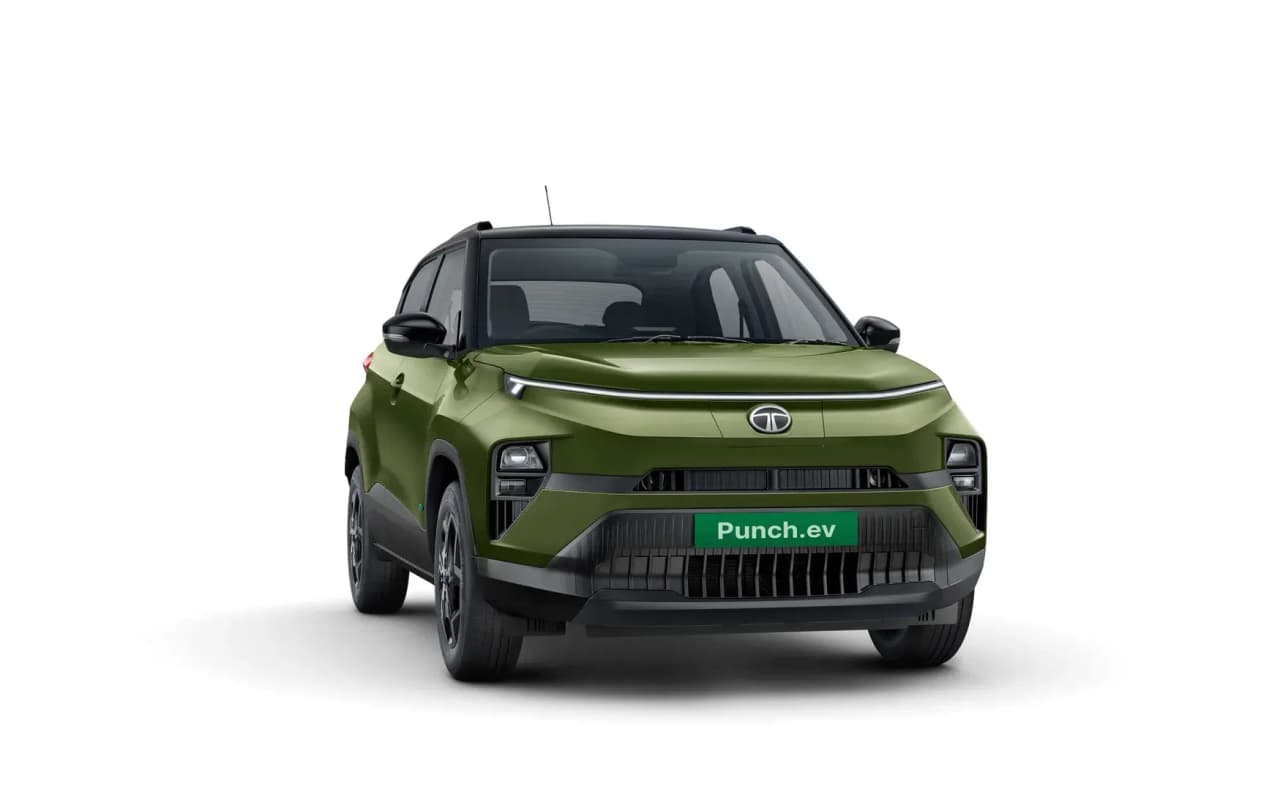
Tata has given the EV version a properly reworked front end instead of a badge swap. The headlights sit lower on the bumper than on the petrol car, the grille area has shrunk because there is no engine to breathe for, and a continuous strip of LED daytime running lights runs across the nose. That strip also doubles as a charging status indicator when the car is plugged in.
The charging port sits behind a motorised, illuminated Tata logo at the front. It is a small touch, but it adds a sense of occasion every time you plug in.
Side-on, '.EV' badging on the front doors is the giveaway that this is not the regular Punch, while the rear stays more familiar. The triangular tail lamp clusters carry over from the petrol car, with 'PUNCH.EV' lettering added to the tailgate.
It is a sensible design strategy. Distinctive enough to signal "electric" at a glance, familiar enough that it does not alienate buyers who already like the Punch's proportions.
Build quality feels a notch up from the petrol car too, helped by a stiffer body shell that we will come back to when discussing the ride.
Colours Available
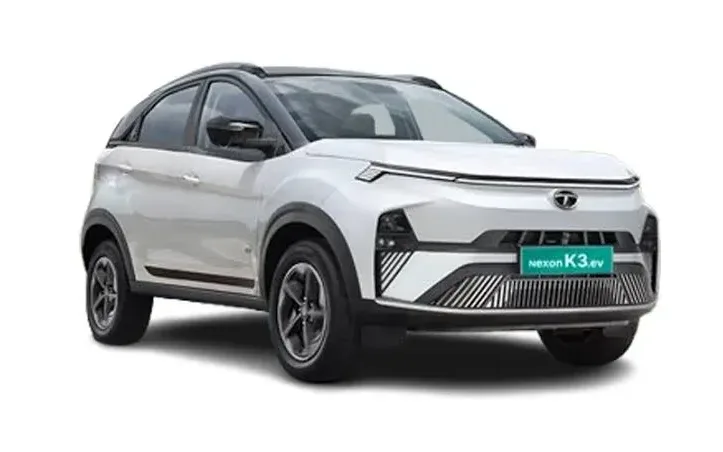
Showroom stock and demonstration units seen locally lean towards a dual-tone white-with-black-roof combination. It suits the car's crossover stance well and appears to be the volume seller.
A darker green shade has also been shown in off-road-oriented demonstrations, playing up the SUV credentials with the higher ground clearance and rugged intent rather than the urban-EV angle.
Buyers should check current showroom availability with Sipradi Trading directly, as colour allocation for imported EVs in Nepal can shift month to month.
Features And Equipment
This is where the Punch EV earns its price tag. Both variants get a 10.25-inch touchscreen with built-in entertainment apps and a matching 10.25-inch digital instrument cluster, though the cluster graphics can feel a touch small to read at a glance while driving.
A rotary drive selector with its own built-in display handles gear selection, paired with an electronic parking brake with Auto Hold and a 360-degree camera for tight parking. In congested Kathmandu traffic, that is genuinely useful.
The Empowered+S LR, as the flagship trim, is clearly the feature-rich pick of the two, with the fuller comfort and infotainment kit expected of a top trim. The Empowered LR gets a slightly leaner but still adequate specification.
Ventilated front seats, a voice-controlled sunroof, and an air purifier round out a cabin that feels genuinely premium rather than a stripped-back EV conversion.
Paddle shifters are used not for gears but to toggle between three levels of regenerative braking. EV buyers will appreciate that once they have driven a few hill descents around the valley rim.
Engine And Performance
Both variants use a 90 kW front-wheel-drive single motor producing 190 Nm of torque, with a claimed 0-100 km/h time of 9.5 seconds and a top speed in the region of 140 km/h.
On the road, the motor's character stands out more than the numbers. Power delivery is instant and linear, with none of the hesitation or hunting that plagues small petrol engines paired with AMT or CVT gearboxes.
Overtaking on the highway stretches out of Kathmandu is far less stressful than in the petrol Punch, since there is no need to wait for a downshift. The torque is simply there the moment you ask for it.
Three drive modes — Eco, City and Sport — noticeably alter throttle response. Sport mode in particular makes the car feel considerably quicker than its modest weight and power figures might suggest on paper.
This EV powertrain is the single biggest improvement over the petrol Punch. It addresses the one complaint that has followed that car since launch: a lack of outright pace.
Ride And Handling
The Punch EV's ride quality is genuinely impressive and, in our view, the standout dynamic quality of the car.
Softer damping combined with the stiffer EV-specific body structure means potholes and sharp road edges are absorbed with a composure the petrol Punch simply does not have. That matters on Nepali roads outside the main highways.
It is a plush, settled ride that should appeal to buyers who spend as much time on broken semi-urban roads as on smooth tarmac.
Through corners, there is confident grip and predictable behaviour, though some body roll and mild understeer creep in if you push harder than the car's SUV-styled character really invites.
That is a fair trade-off given the priorities here.
Off the beaten path, hill hold and hill descent control assist alongside the 195mm ground clearance, giving the Punch EV a genuine edge for Nepal's rougher rural stretches and monsoon-affected roads that most small electric cars would simply avoid.
Comfort And Ergonomics
Rear seat comfort benefits from a flat, sloping floor that works as a natural footrest despite the battery pack sitting underneath. That keeps the rear seating position more natural than in many EVs where the floor is awkwardly raised.
Legroom is adequate for the segment.
The one consistent gripe, and one we would flag clearly to prospective buyers, is headroom. Anyone taller than roughly 5'8" is likely to find the rear seat a tight fit, which matters for Nepali families that often carry adult relatives in the back.
Up front, the ventilated seats are a genuine comfort win, especially in the Terai and Kathmandu valley summers, and the general seating position and control layout feel considered rather than an afterthought bolted onto an existing petrol cabin.
Braking And Safety
Four-wheel disc brakes feature on both variants, and the transition between regenerative and friction braking is smooth enough that most drivers will not notice the handover.
Both trims share the same safety-focused EV platform underpinning the wider Punch EV range, though a full, itemised list of airbags and driver-assistance features specific to the Nepal-spec cars is not officially published locally. Buyers should confirm exact safety equipment with Sipradi Trading before booking.
Practicality
Boot space is usable, though some under-floor storage is taken up by charging cables rather than being fully free for luggage.
The small frunk under the hood is a genuinely useful addition. It offers a dedicated spot for cables and keeps the main boot clear for actual luggage.
Compact exterior dimensions, though not officially published for the Nepal market, keep it manageable for tight city parking and narrow lanes.
Running Costs
Tata's own claimed figure for the Long Range variants is 421 km, while independent estimates for this exact battery and motor combination put real-world range closer to 270-290 km on a 35 kWh pack under typical mixed driving conditions.
That gap between claimed and realistic range is worth keeping in mind before you buy. Plan your charging around the lower figure, not the headline one, especially for trips beyond the Kathmandu valley where charging infrastructure remains patchy.
Price, Variants And Which One To Buy
Two variants are offered in Nepal: the Empowered LR at Rs 37.99 lakh and the Empowered+S LR at Rs 39.99 lakh, both using the same 90 kW motor and 35 kWh battery.
The Rs 2 lakh gap between them buys a noticeably richer comfort and infotainment package on the Empowered+S LR, positioning it as the clear flagship of the two.
Given that the performance and range are identical across both trims, we would lean towards the Empowered+S LR for most buyers. The extra outlay is small relative to the overall price and buys more car to live with day to day.
How It Compares With Rivals
Against its own petrol sibling, there is no real contest. The EV is faster, smoother, and rides better in every meaningful way, fixing the one weakness that has followed the petrol Punch since launch.
Against larger stablemates in Tata's own EV lineup, the Punch EV's frunk is a point in its favour that bigger models do not offer. Its 195mm ground clearance and off-road manners also give it a usable edge on rough terrain that few small electric cars can match, and in that respect it is more capable than several dedicated off-road-styled vehicles.
The Verdict And Who It Suits
The Tata Punch EV is a genuinely accomplished small electric SUV. It is smooth, comfortable, well-equipped, and far more capable than the petrol version it is based on.
For urban Nepali buyers who want a premium-feeling, comfortable, tech-loaded electric SUV for city use with occasional highway and rough-road capability, it is a compelling package, provided the Rs 38-40 lakh price bracket is one they were already shopping in.
Families with tall members who will regularly sit in the back should test the rear seat headroom in person before committing.
Anyone weighing range should plan around the 270-290 km real-world figure rather than the 421 km claim.
Current prices on Nepal AutoMart
- Tata Punch EV price in Nepal: Rs 37.99 lakh – Rs 39.99 lakh ex-showroom, 2 variants
Writes on vehicle pricing, taxation and the Nepali auto market from ongoing tracking of distributor price lists. Editorial policy.