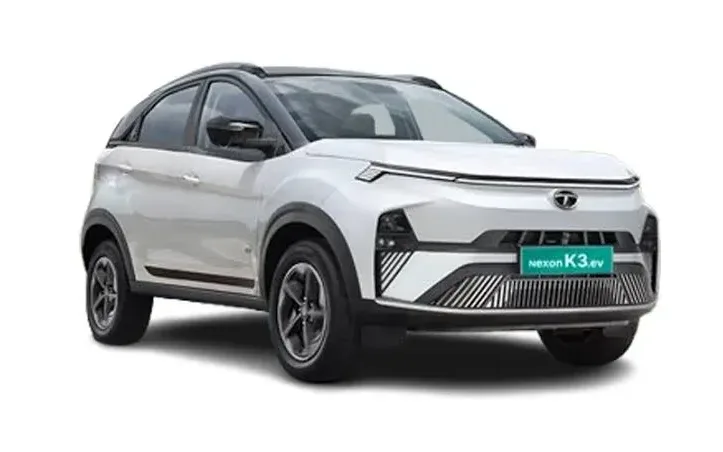
Tata Motors’ next-generation Avinya electric SUV has been spotted being tested on Indian roads, giving the first real-world look at what is expected to become the brand’s most premium battery-powered SUV.
What the spy shots reveal
The test vehicle is heavily camouflaged, but its overall proportions are clear. According to Indian media reports:
- It appears to have a long wheelbase and a relatively low, coupe-style rear roofline, giving it a sportier stance than Tata’s current EVs.
- The design looks more modern and upmarket than existing Tata SUVs, pointing to a new flagship EV rather than just another variant of Nexon or Harrier.
Industry reports suggest the Avinya SUV will sit above current Tata EVs like the Nexon EV and Nexon K3.ev, and may become the company’s most luxurious electric offering.
Platform, battery and performance (reported)
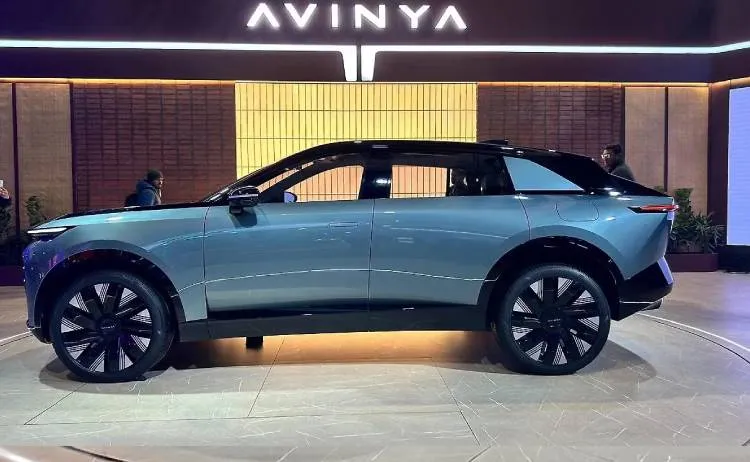
Several reports in India mention that the Avinya SUV is likely to use a Freelander platform, with Tata reworking the electronics and software to suit its EV strategy.
Unconfirmed but widely cited details indicate:
- Battery pack: around 75–95 kWh
- Claimed range: about 600–700 km per full charge under ideal conditions
- Top variants: expected to offer dual electric motors with all-wheel drive, with a reported output of around 300–400 PS
These figures are not yet officially confirmed by Tata Motors, but they give an idea of the segment the Avinya could target – larger, long‑range premium EV SUVs.
Interior and technology
Media reports expect the cabin to focus on comfort and space:
- Premium dashboard design and a large touchscreen infotainment system
- Generous seating space for all passengers
- Advanced connected-car functions
- Modern driver-assistance features, likely including ADAS (Advanced Driver Assistance Systems) such as adaptive cruise control, lane assistance and automatic emergency braking
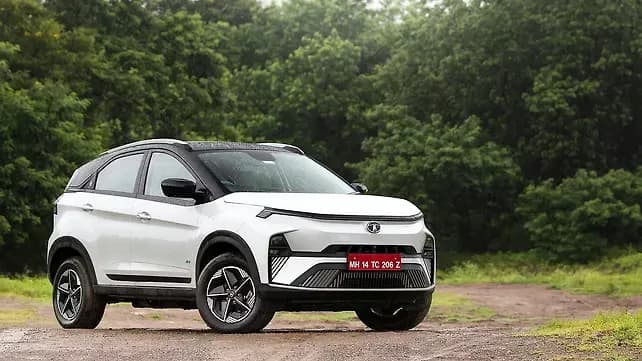
If these features reach production, Avinya would sit above current Tata EVs like the Nexon EV (up to 453 km ARAI range, 40.5 kWh battery) and Nexon K3.ev (45 kWh battery, claimed 490 km MIDC range, price in Nepal around Rs 48.99 lakh) in both technology and segment.
Expected rivals in India
Once launched in India, the Avinya electric SUV is expected to compete with other premium EVs such as:
- BYD Sealion 7
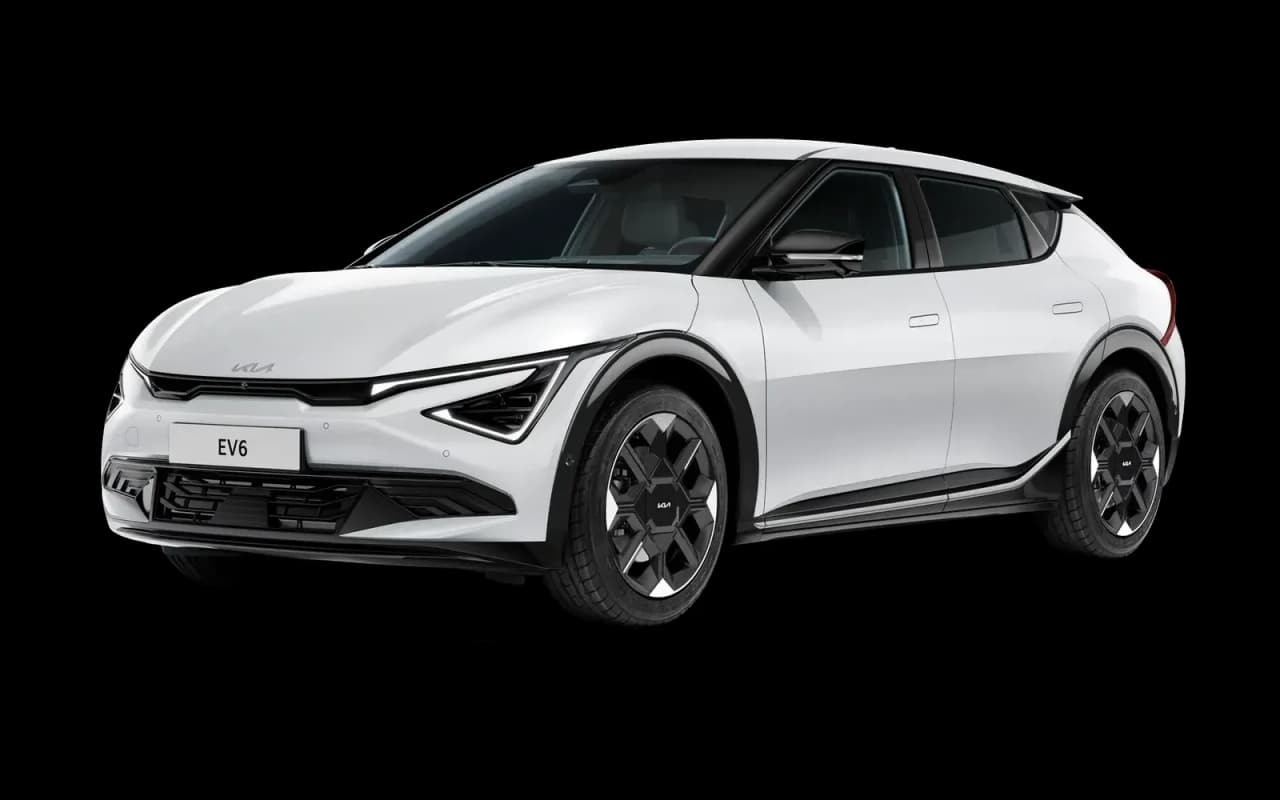
- **Kia EV6**
- **Hyundai Ioniq 5**
These models all offer long range, strong performance and high equipment levels, so Tata’s Avinya will need competitive battery size, charging speeds and driver-assist tech.
Launch timeline and what it means for Nepal
According to the reports, Tata Motors is targeting around 2027 for the Avinya SUV’s market launch in India.
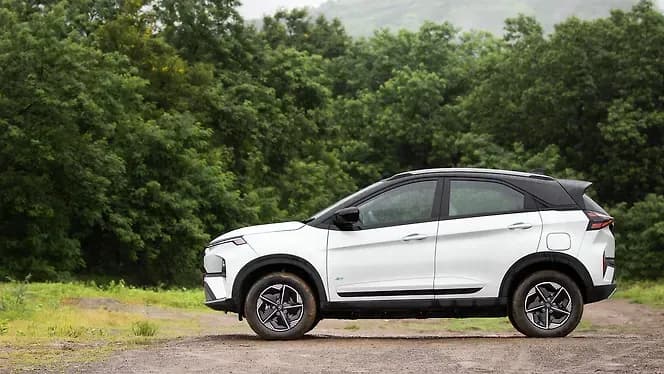
Tata already sells multiple EVs in Nepal through Sipradi Trading, including:
- Nexon EV (starting around Rs 35.99 lakh when launched)
- Nexon EV Max (around Rs 46.49 lakh, 40.5 kWh battery, 453 km ARAI range)
- Nexon K3.ev (current price Rs 48.99 lakh, 45 kWh battery, real‑world range about 325 km)
Given this strong EV presence, a successful Avinya launch in India would make it a likely future candidate for the Nepal market, especially for buyers looking for a more luxurious, long‑range electric SUV. However, no official announcement has been made for Nepal yet, and prices, specs and availability for Nepal will depend on future tax policy, demand and Tata’s regional strategy.
Current prices on Nepal AutoMart
- Tata Nexon EV K3 price in Nepal: Rs 48.99 lakh ex-showroom
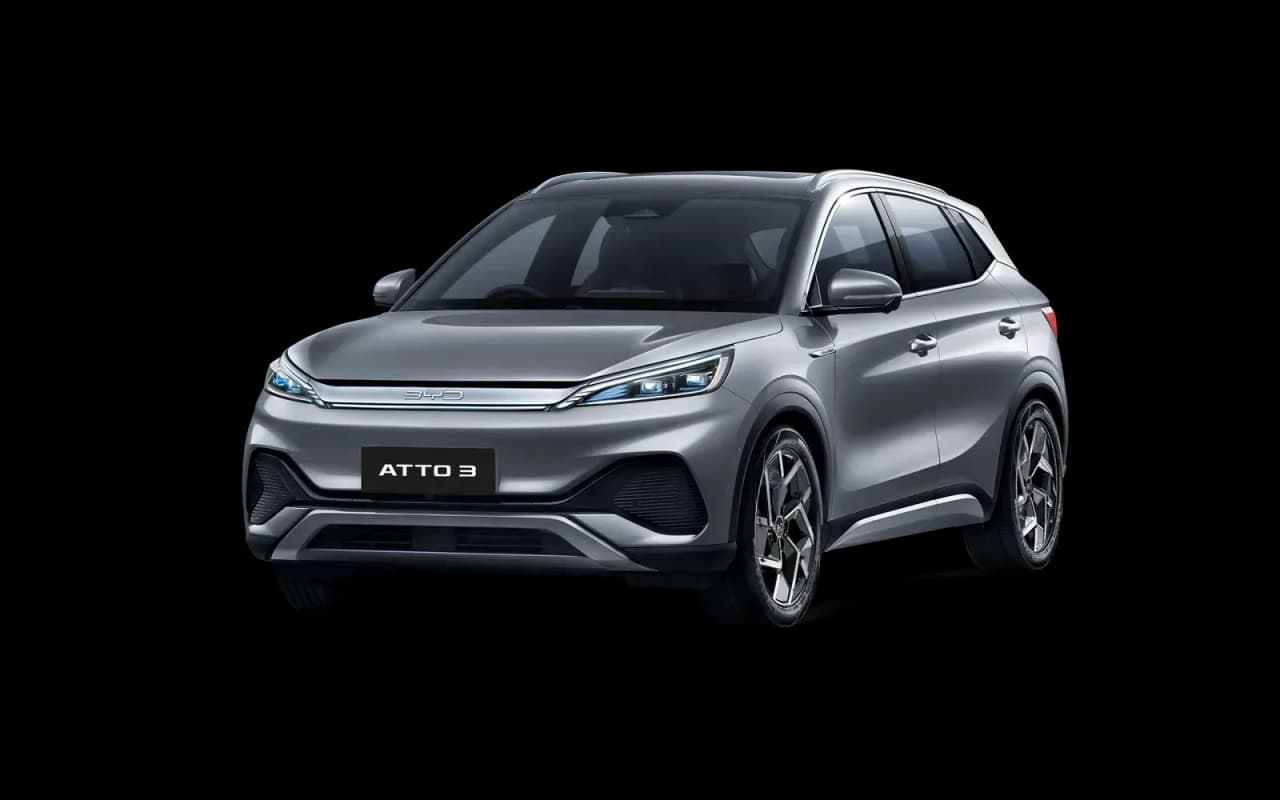
- BYD Sealion 7 EV price in Nepal: Rs 79.85 lakh ex-showroom
- Kia EV6 price in Nepal: Rs 1.26 crore ex-showroom
- Hyundai Ioniq 5 price in Nepal: Rs 92.96 lakh – Rs 1.04 crore ex-showroom, 2 variants
Writes on vehicle pricing, taxation and the Nepali auto market from ongoing tracking of distributor price lists. Every price in this piece is read live from the Nepal AutoMart catalog — how we verify prices.