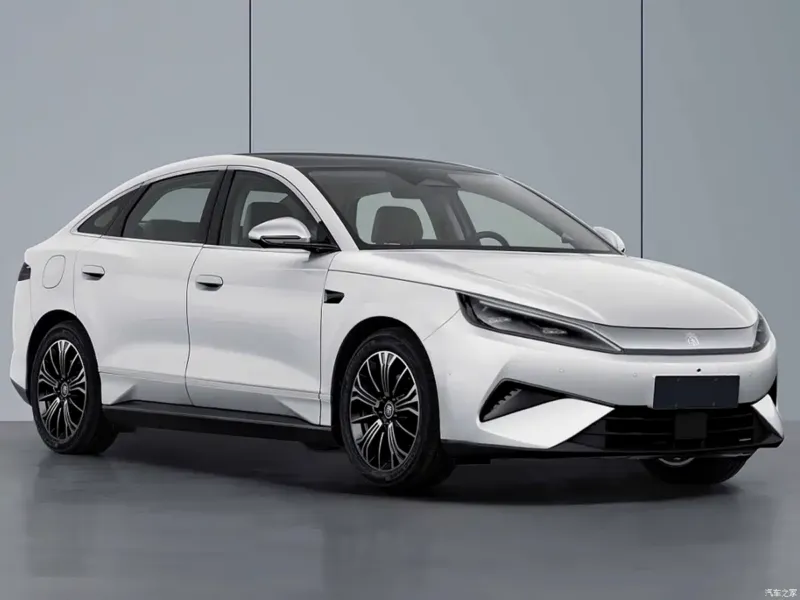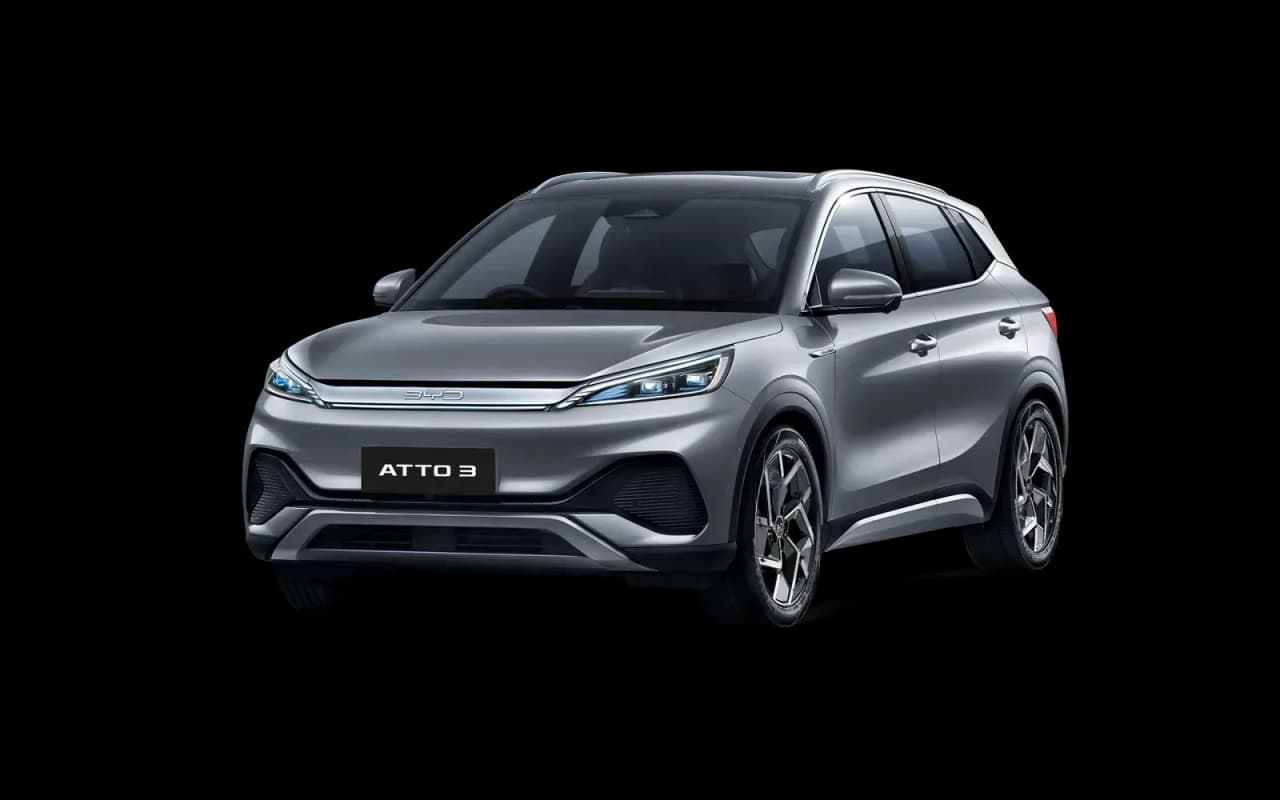
BYD’s new Blade Battery 2.0 has become the centre of a heated dispute in China between the automaker and a well‑known automotive blogger, Cai Shen Dao. The outcome could matter beyond China, including in Nepal, where BYD EVs like the Atto 3 and Dolphin are already on sale and rely on similar LFP (lithium iron phosphate) chemistry.
What happened in China
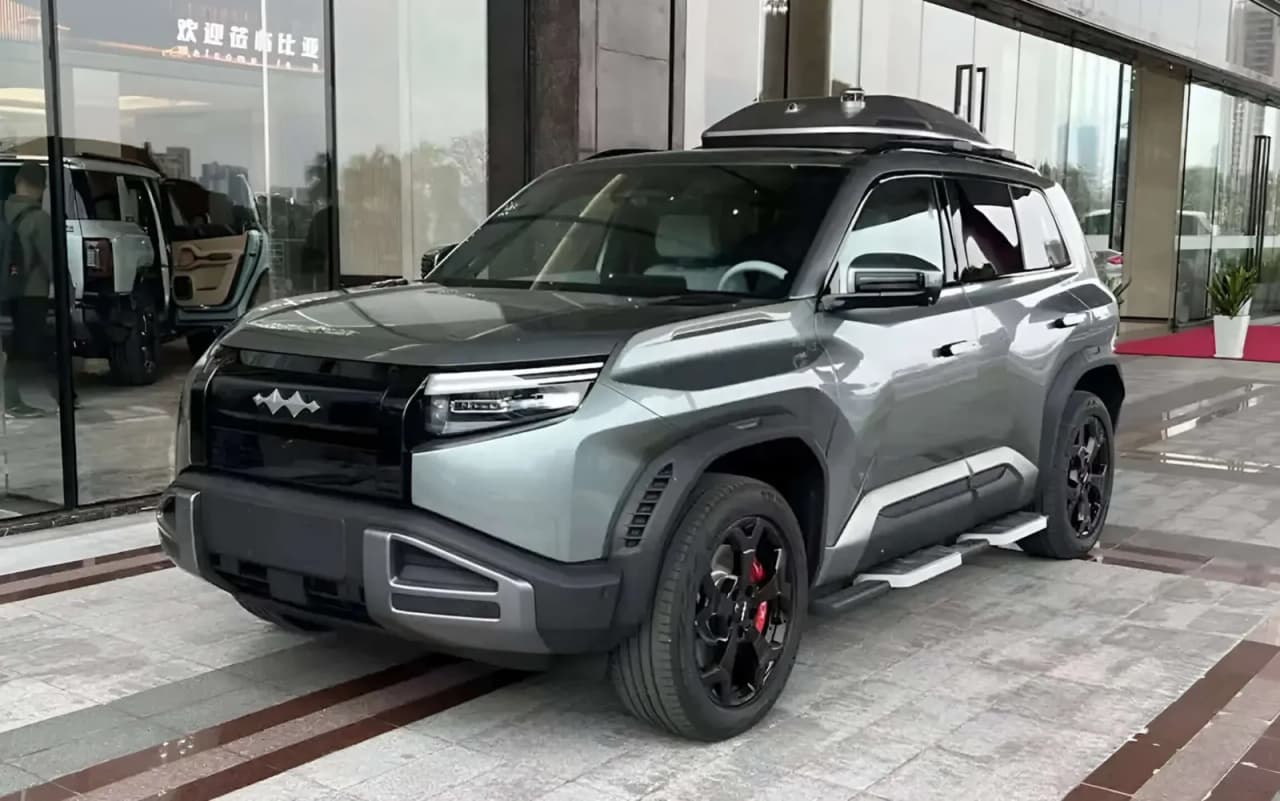
- The blogger livestreamed fast‑charging tests on a Fangchengbao Tai 3 SUV fitted with BYD’s second‑generation Blade Battery, measuring external cell‑surface temperatures with probes.
- In one test, charging from about 8% to 97% state of charge, the external probes showed a peak of around 76–78°C, while the car’s battery management system (BMS) reported roughly 70–71°C.
- Later, a lab retest on another Tai 3 reportedly recorded around 1,200A charging current and again found an 8°C gap between external surface readings and BMS data.
- The blogger then performed a destructive teardown of a pack that had been frozen and cut open, publishing details of its construction, but this pack no longer reflected normal sealed operating conditions.
- Chinese regulators have since restricted the blogger’s social‑media accounts for allegedly misleading product‑testing information, and he now claims BYD has filed a police report over his activities. There is no public court ruling or official investigation outcome yet.
Importantly, none of the tests reported thermal runaway or battery failure; the dispute is about how temperatures are measured and communicated, not about an observed fire or explosion.
Why this matters for Nepal
BYD is already present in Nepal through official distributors, with models such as Atto 3, Dolphin and e6 positioned as long‑range, durable LFP EVs. While the Fangchengbao Tai 3 is not sold here, the Blade Battery concept and fast‑charging strategies are shared across BYD’s global lineup, so questions around high‑rate charging and temperature monitoring are directly relevant to Nepali buyers.
For Nepal:
- Fast‑charging infrastructure is expanding on key highways, and EV owners increasingly rely on high‑current DC chargers to make intercity trips practical. Understanding how hot a pack gets at very high charge rates and whether the BMS is reporting conservatively or optimistically is important for long‑term battery health.
- Nepali conditions include high‑altitude routes and varied temperatures, which can stress batteries differently than in coastal China. Any future Blade Battery 2.0 deployment in BYD models sold here should ideally come with clear, locally tested temperature and degradation data.
- The dispute highlights the need for transparent, independent testing. As more BYD EVs arrive, Nepali regulators, distributors and consumer groups could push for open test protocols – for example, publishing real fast‑charge temperature logs and degradation results over time.
What Nepali buyers should look for
If BYD introduces Blade Battery 2.0 in its Nepal lineup:
- Ask dealers for official fast‑charging limits (kW and recommended usage) and any warranties tied to DC charging.
- Pay attention to whether the car provides clear temperature and charging‑rate information to the driver, and how the BMS manages heat (cooling strategies, charge‑rate throttling).
- Consider whether warranty terms cover battery performance and safety for the typical Nepali use case: frequent uphill driving, mixed city/highway use, and occasional rapid charging.
For now, there is no sign of BYD EVs in Nepal being unsafe, and no official evidence that Blade Battery 2.0 is defective. But this high‑profile Chinese dispute is a reminder that battery temperature, test methods and honest communication are as critical as range figures, especially as Nepal leans more heavily on Indian and Chinese EV technology.
Current prices on Nepal AutoMart
- BYD Atto 3 EV price in Nepal: Rs 56.9 lakh – Rs 67.8 lakh ex-showroom, 2 variants
- BYD Dolphin EV price in Nepal: Rs 41.15 lakh ex-showroom
Writes on vehicle pricing, taxation and the Nepali auto market from ongoing tracking of distributor price lists. Every price in this piece is read live from the Nepal AutoMart catalog — how we verify prices.