Chinese state-owned automaker Dongfeng has unveiled a new 1,500 kW ultra-high-power EV charger, entering a fresh phase of competition with BYD and other Chinese brands on charging speed.
What Dongfeng has launched
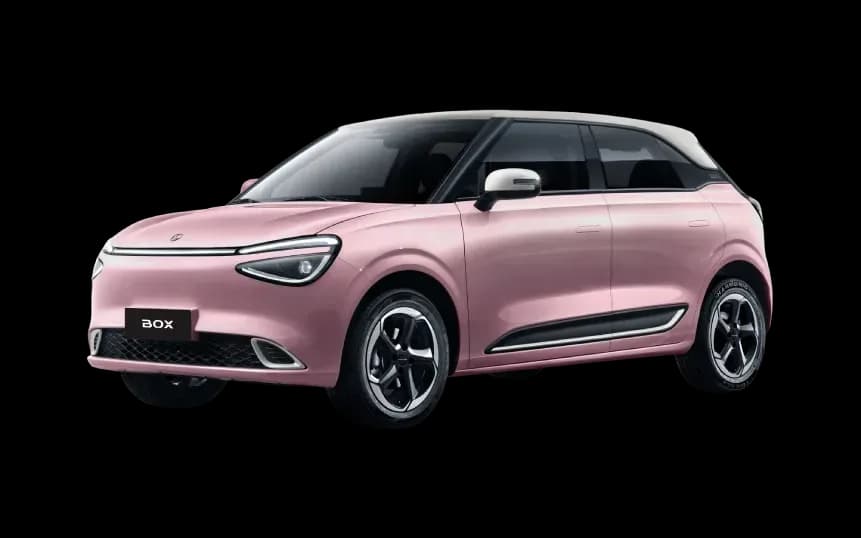
At its Global Innovation Center in China, Dongfeng showcased:
- A megawatt-class charging pile with 1,500 kW single-gun output.
- A 1.2 MW main unit, expandable via cabinets up to 2.4 MW and beyond.
- Support for an ultra-wide voltage range from 150 V to 1,000 V, with claimed efficiency above 96.7% according to the company.
This puts Dongfeng’s charger on par with BYD’s second-generation flash charger, which was previously promoted as the most powerful mass-produced single-gun charger in China.
Dongfeng is also working on a next-generation ultra-fast charger integrated with energy storage, aiming to build a range of products from 720 kW to 2.4 MW that can serve both passenger cars and commercial vehicles.
Why this matters for Nepal
Nepal’s EV market today is dominated by Chinese and Indian brands, with BYD, Tata, MG and others selling models that mostly rely on 60–120 kW DC fast chargers at local stations. Public infrastructure here is nowhere near megawatt-level charging.
However, this development is still relevant for Nepali buyers in the medium term:
- Future Chinese EVs sold in Nepal: If Dongfeng or its partner brands begin exporting vehicles that support these higher-voltage, ultra-fast charging standards, new EV models arriving in Nepal over the next 5–10 years could charge much faster than today’s offerings.
- Imported charging hardware: Charging operators in Nepal typically import equipment from China. As megawatt-class tech matures and costs fall, higher-power chargers (perhaps 350–500 kW first, then more) may become available to Nepali networks, cutting long-distance charging times.
- Impact on pricing: Initially, these very high-power chargers will be expensive, so widespread use in Nepal is unlikely in the short term. But as competition between Dongfeng, BYD and others grows in China, it could push down hardware prices, benefiting Nepali charge point operators over time.
For now, Dongfeng does not sell passenger vehicles officially in Nepal, and its new charger is targeted at the Chinese market. But because Nepal relies heavily on Chinese EV technology and imported charging stations, advances like this show the direction of travel: faster, higher-voltage charging that could eventually shorten charging stops on Nepal’s highways and improve the usability of future EVs.
In the short run, Nepali EV users should not expect 1,500 kW chargers at local stations, but they can expect gradual improvements in fast-charging speeds and falling hardware costs as this technology trickles down from China.
Writes on vehicle pricing, taxation and the Nepali auto market from ongoing tracking of distributor price lists. Editorial policy.