Where It Sits In The Nepali Market
The Hyundai Creta has been on Nepali roads since 2020, brought in by Laxmi Intercontinental, and it has settled comfortably into the upper-middle rung of the SUV segment here. With ex-showroom prices now spanning Rs 53.96 lakh for the entry E MT (Made in Nepal) all the way to Rs 87.96 lakh for the fully loaded SX(O) CVT, the Creta covers a wide band of buyers — from those wanting a well-built family SUV on a budget, to those chasing a near-luxury cabin experience. This is not a car competing purely on price; it competes on the strength of feeling considerably more expensive than it needs to.
Looks, Design And Build
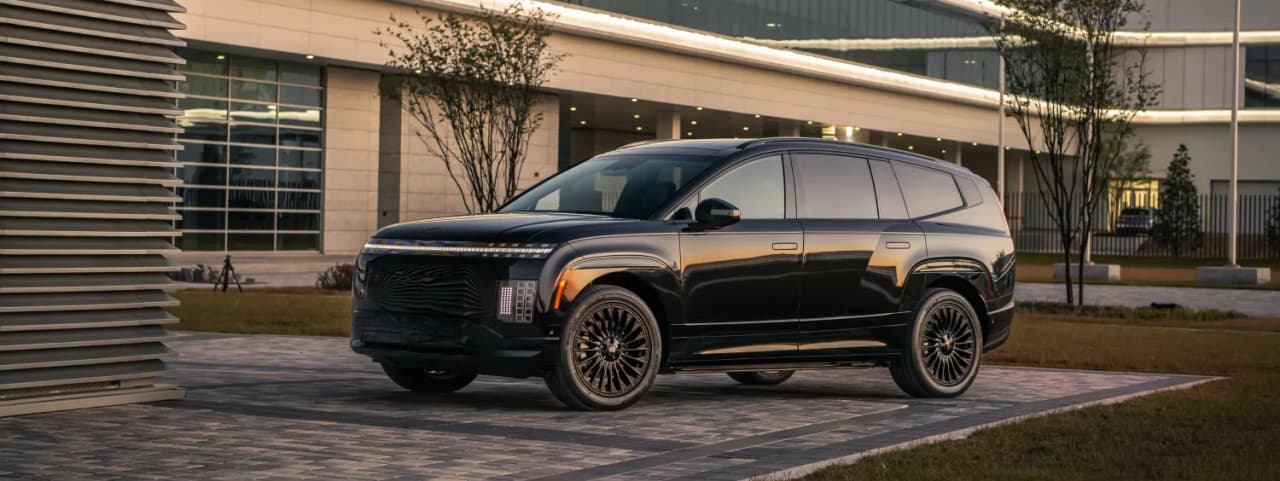
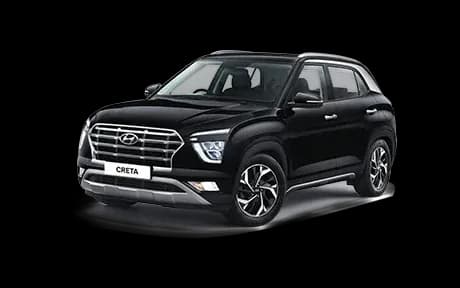
The facelifted Creta has moved away from subtlety. The front grille now wears a bold, block-like pattern that immediately signals this is the updated car, and it's flanked by connected LED headlamps up front and a connected tail-lamp treatment at the rear — both very much in step with current SUV design trends. It's a design that photographs well and reads as expensive from most angles, even if it occasionally tries a little hard.
Where the regular Creta looks handsome, the N Line trim is where the design truly comes together. The sportier front bumper, contrast detailing and overall stance give it a purposefulness the standard car doesn't quite have. Build quality across the range feels solid — panel gaps are tight and the doors shut with a reassuring thud, consistent with what we've come to expect from Hyundai's recent SUVs sold in Nepal.
Colours
The test car we've based most of our impressions on is finished in black, a colour that suits the Creta's more formal, family-SUV character and hides the grille's busier detailing reasonably well. The N Line, by contrast, is shown in a vivid blue with red accents — a combination that leans into the sportier positioning and makes a strong case for buyers who want their SUV to look a little different at the mall parking lot.
Features And Equipment
This is where the Creta pulls well ahead of segment expectations. The 10.25-inch touchscreen is smooth to operate and quick to respond, paired with a digital instrument cluster that looks sharp and can be customised to taste. Dual-zone automatic climate control and an electronic parking brake round out a cabin that feels genuinely premium rather than merely well-equipped on paper.
The one real irritant is connectivity: despite the large, modern-looking screen, there's no wireless Android Auto or Apple CarPlay, which feels like an odd omission on a car pitched this high. Buyers will need a cable every time, which undercuts the otherwise slick, tech-forward impression the cabin creates.
On the safety and convenience side, the ADAS suite deserves real credit — it combines both camera and radar sensors, a more sophisticated setup than a simple camera-only system, and it works alongside a 360-degree camera with blind-view monitors on both sides. Rear parking sensors, automatic headlamps, speed-sensing door locks and a Driver Rear View Monitor are all standard fitment, backed by a Bose sound system and a panoramic sunroof on the higher variants.
Engine And Performance
Every Creta variant sold in Nepal uses the same 1.5-litre MPi petrol engine — a 4-cylinder DOHC unit displacing 1497 cc, producing 115 PS at 6300 rpm and 14.7 kgm of torque at 4500 rpm, paired with a 6-speed manual and front-wheel drive on manual variants. It's a quiet, refined unit that feels entirely at home in city traffic, with none of the coarseness some rivals show at higher revs.
On the automatic side, the IVT (Hyundai's CVT) does a genuinely good job of masking the typical rubber-band effect that plagues many CVTs — acceleration feels more linear and car-like than the usual "engine revs, speed catches up later" sensation. Mid-range punch isn't the Creta's strong suit; overtaking on the highway requires planning rather than instant urgency. But for the daily grind of Kathmandu's traffic and the school run, it offers more than adequate performance.
Ride And Handling
The suspension tune leans towards comfort, and it shows: low-speed bumps and broken patches are absorbed without the cabin feeling unsettled, which matters enormously on Nepali roads where potholes are often unavoidable rather than occasional. The steering is weighted comfortably — not too light, not artificially heavy — and the Creta holds a confident, planted line at highway speeds.
Visibility from the driver's seat is excellent, which makes the Creta an easy car to place in traffic and to manoeuvre into tight parking spots, further helped by the standard reversing camera and sensors.
Comfort And Ergonomics
Step inside and the cabin genuinely feels a size class above where the Creta is priced. Lighter material tones and metallic-finish accents lift what could otherwise be a fairly ordinary dashboard layout, and the overall sense of occasion is one of the Creta's strongest cards against every rival in this price band.
The rear seat is a particular highlight: knee room is generous, shoulder room beats the Honda Elevate, and the backrest angle is adjustable — a small but genuinely useful touch on long highway drives to the hills. Rear AC vents and headrest pillows add further to the sense that rear passengers haven't been an afterthought. The one gap is the lack of an adjustable centre headrest for a middle rear passenger, a small but real oversight on a car this well specified otherwise.
Braking And Safety
Every Creta variant sold in Nepal comes with six airbags as standard, along with ABS with EBD, ESC, Vehicle Stability Management and Hill Assist Control. Rear disc brakes and tyre pressure monitoring are standard too, and ISOFIX child seat anchors are fitted as a matter of course.
Layered on top of this baseline is the radar-and-camera ADAS suite along with the 360-degree camera and blind-view monitors — a genuinely sophisticated setup for this price range and one that puts real distance between the Creta and cheaper rivals still relying on basic reversing sensors.
Practicality
Boot space is rated at 433 litres, which trails the Honda Elevate's cargo capacity — worth noting for buyers who prioritise luggage room for long trips or bulky family gear. The rear seats do split and fold, though, adding flexibility when larger items need to go in.
Cabin storage is decent day-to-day, though the centre console leans heavily on gloss-black plastic, which looks smart in the showroom but will show fingerprints and fine scratches with use — something buyers in dusty conditions should factor in.
Running Costs
The Creta with the IVT gearbox has returned tested fuel economy figures of 10.3 km/l in city driving and 13.8 km/l on the highway — a genuine edge over its closest rival and a meaningful factor for anyone doing significant daily mileage. A 50-litre fuel tank, larger than what the immediate competition offers, further stretches the range between fill-ups, a small but real convenience on longer trips out of the valley.
Price, Variants And Which One To Buy
Nepal's Creta line-up runs across nine variants: the E MT (Made in Nepal) opens the range at Rs 53.96 lakh, followed by the S(O) MT (Made in Nepal) at Rs 63.96 lakh, S+ 2023 at Rs 65.96 lakh, SX MT (Made in Nepal) at Rs 66.96 lakh, SX 2023 at Rs 70.56 lakh, SX MT at Rs 73.96 lakh, S(O) CVT at Rs 75.96 lakh, SX(O) IVT (Made in Nepal) at Rs 78.96 lakh, and the range-topping SX(O) CVT at Rs 87.96 lakh.
For most buyers, we'd point towards a mid-spec SX-grade trim as the smart, value-conscious pick — it brings in the touchscreen, safety kit and comfort features that define the Creta experience without stretching into range-topping territory. Buyers chasing the panoramic sunroof, Bose audio and full ADAS suite will need to look at the SX(O) trims, where the price climbs sharply but so does the equipment.
How It Compares With Rivals
Against the Honda Elevate, the Creta's case rests on a plusher cabin, stronger refinement and a longer features list — the trade-off is a higher price and a smaller boot. Fuel economy, though, tips back in the Creta's favour. Against the Kia Seltos, which shares much of its underpinnings, the Creta still comes up slightly short on outright interior fit and finish and attention to detail, even if it matches or beats it on outright feature count in this Nepali line-up.
Verdict: Who It Suits
The Hyundai Creta is not the cheapest way into this segment, and buyers watching the bottom line will feel the gap between its entry and top variants keenly. But for those willing to pay for it, this is a genuinely wholesome, feature-rich, comfortable family SUV — one that rewards daily use with a refined engine, absorbent ride and a cabin that consistently feels a notch above its price. It suits buyers who want their SUV to feel special every time they get in, not just capable of the job.
Current prices on Nepal AutoMart
- Hyundai Creta price in Nepal: Rs 53.96 lakh – Rs 87.96 lakh ex-showroom, 9 variants
Writes on vehicle pricing, taxation and the Nepali auto market from ongoing tracking of distributor price lists. Editorial policy.