Where it sits in the Nepali market
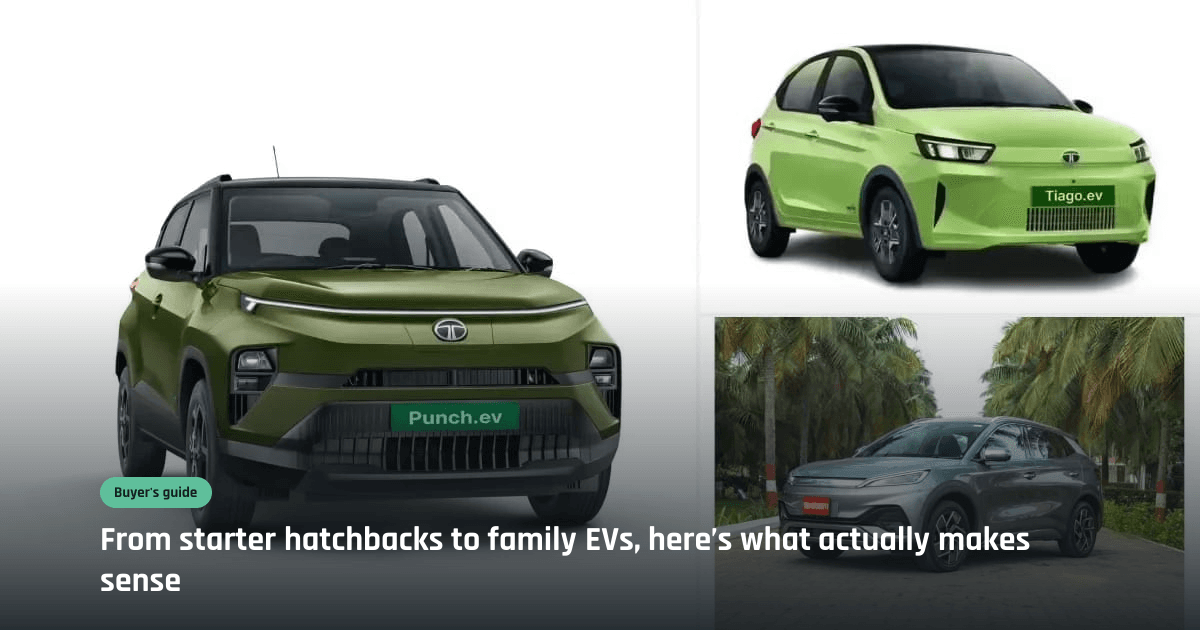
The Tata Tiago occupies a tricky place in Nepal’s hatchback market. On paper, it is a compact 5-seat city car with a modest 1.2-litre petrol engine, 170 mm ground clearance and a practical footprint that suits crowded urban roads. In price terms, however, it does not behave like a typical entry hatchback at all: the range spans Rs 24.99 lakh to Rs 36.99 lakh across eight variants, which places it in a much more expensive bracket than the Tiago’s size and image might suggest.
That mismatch defines the Tiago in Nepal. It is not a budget hatchback in the old sense, and it is not trying to be a premium compact either. Instead, it sits in the uncomfortable middle where buyers must decide whether they value its safety, simplicity and city-friendly packaging enough to accept the price premium.
Sipradi Trading Pvt. Ltd. is the authorized distributor, and the Tiago is supported by a wide enough retail footprint for a mainstream car: 130 showrooms and 49 service centers. That matters, because a car like this needs easy access to sales and after-sales support to justify its running costs and ownership experience.
Looks, design and build
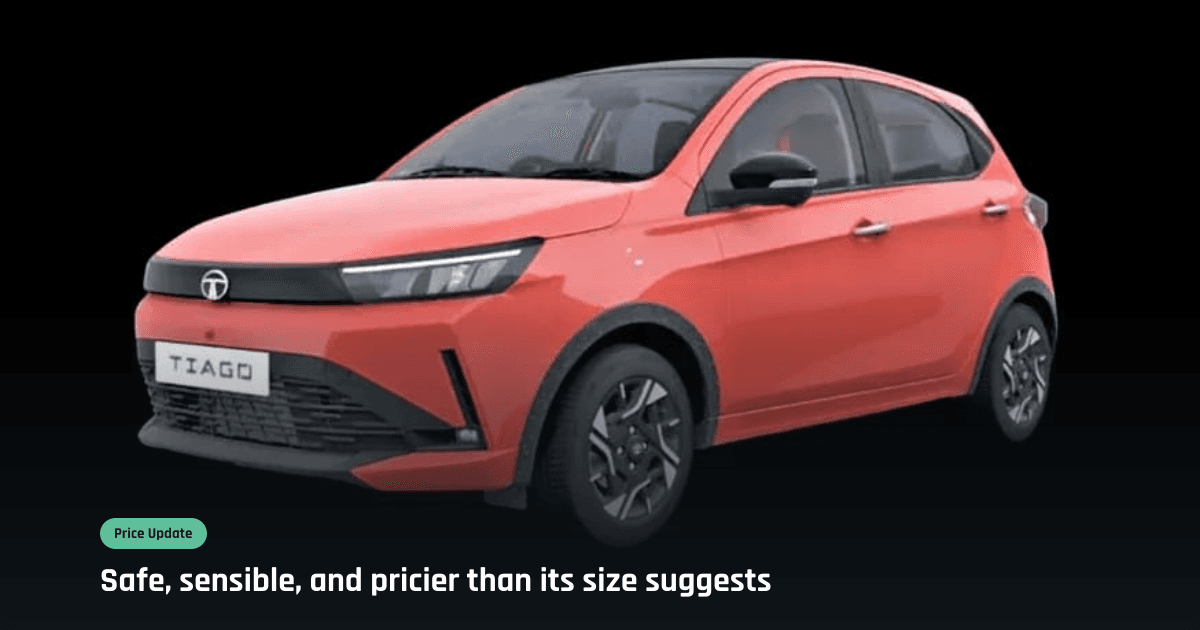
The Tiago has always worked better as a thoughtful design than a flashy one. It is compact at 3,765 mm long, 1,677 mm wide and 1,535 mm tall, and that short, tidy stance is one of its strengths in Nepal. It looks easy to park, easy to judge in traffic, and less intimidating than larger hatchbacks or crossover-style alternatives.
Even in lower trims, the Tiago avoids looking stripped down. The XE BS4 and similar versions bring a body-coloured bumper, chrome strip on the front grille and integrated spoiler, while the R14 wheel covers keep the stance neat rather than visibly bare. The higher trims lift the appearance with body-coloured door handles and ORVMs with turn indicators, which makes the car look a little more complete from a distance.
Build quality is one of the Tiago’s quieter strengths. The car’s reputation has long rested on being more solidly put together than many rivals in the same broad class, and that matters in a market where buyers keep cars for years and expect them to survive rougher roads, crowded parking, and the occasional neglected stretch of asphalt.
Features and equipment
The feature spread is broad enough that trim choice matters a lot. The XM MT is the most interesting starting point because it moves beyond bare-bones transport. It gets a segmented DIS display, digital clock, gear shift display, trip meter, distance-to-empty readout and tachometer, along with practical cabin touches such as bottle holders, a parcel shelf, cooled glove box, front power outlet and power windows front and rear.
The XT MT is the trim that most clearly changes the Tiago’s character. It adds a touchscreen infotainment system with smartphone connectivity, steering-mounted controls, four speakers, remote central locking and follow-me-home headlamps. For daily use, that is the point where the Tiago starts to feel properly contemporary rather than merely functional.
The cabin materials remain sensible rather than luxurious. Premium full-fabric seats, a dual-tone theme and manual air-conditioning keep things straightforward. There is no climate control in the data supplied, and that is one of the reminders that the Tiago is still engineered as an honest compact car rather than a heavily loaded upscale hatch.
Engine, performance and drivetrain
Every Tiago variant in the supplied Nepal data uses the 1.2-litre Revotron petrol engine. In the relevant manual trims, the engine is listed at 1199 cc, 3 cylinders, 86 PS at 6000 rpm and 113 Nm at 3300 rpm, paired with a 5-speed manual transmission and front-wheel drive.
That specification tells you almost everything about how the Tiago is meant to be driven. It is not a power car, and it does not pretend to be one. Its strength lies in being simple, familiar and easy to understand. The 35-litre fuel tank is useful for intercity use, and the manual gearbox should remain relatively cheap to maintain over time compared with more complex setups.
The lack of a factory automatic in the eight listed variants is an important omission. In a market where many city buyers increasingly expect automatic convenience, the Tiago’s manual-only lineup narrows its audience. For drivers who still prefer a traditional clutch-and-shift setup, that will not be a problem. For everyone else, it becomes a reason to cross-shop more flexible alternatives.
Ride, handling and comfort
The Tiago’s dimensions and suspension layout suit Nepali roads well in principle. The 2400 mm wheelbase and 170 mm ground clearance give it enough composure to handle typical speed bumps, broken edges and uneven urban surfaces without feeling awkwardly low. The front suspension uses an independent McPherson strut setup, while the rear uses a twist beam arrangement with coil springs and hydraulic shock absorbers.
That is a sensible mechanical package for a hatchback of this size. It should favour stability and predictable movement more than outright softness, and that is usually the right trade-off for a car expected to spend most of its life in town with occasional highway runs.
The interior comfort story is also practical. The seating position is upright enough for easy visibility, steering adjustment helps with fitment, and the cabin includes useful everyday details such as door pockets, cup holders, grab handles, front and rear power windows in relevant trims, and a driver footrest. The Tiago’s small footprint should make it especially easy to place in traffic and reverse into tight spaces.
Practicality and running costs
Practicality is one of the Tiago’s strongest arguments. Boot space is 242 litres, which is adequate for shopping runs, weekend bags and the kind of light family use this car is most likely to see. Folding rear seat backs add flexibility when larger items need to be carried, although the Tiago remains a hatchback and should be treated as such.
The compact body helps in dense Nepali cities, while the 35-litre tank reduces fuel-stop frequency for users who move between towns. Service and sales support are also a plus, because the presence of 130 showrooms and 49 service centers gives owners a reasonable network to lean on.
Running costs should stay manageable in mechanical terms because the engine and drivetrain are straightforward. The real ownership question is not complexity, but purchase price. The Tiago’s expensive ex-showroom band means the buyer starts from a high base, so even if maintenance is sensible, the initial outlay remains the biggest cost by far.
Price, variants and which one to pick
The eight Nepal variants are:
- XE BS4 — Rs 24,99,000
- XE — Rs 29,99,000
- XT(O) — Rs 32,49,000
- XT — Rs 32,99,000
- XM MT — Rs 34,99,000
- XT MT — Rs 35,99,000
- XZ+ — Rs 35,99,000
- XZA — Rs 36,99,000
The pricing structure is unusual because the gap between the entry car and the richer trims is large for a hatchback of this size. The XE BS4 is the simplest way in, but it carries the most obvious compromises and is harder to recommend unless a buyer specifically wants the Tiago badge and nothing more. The XE is still basic for the money. The XT(O) and XT sit in a more balanced middle zone, but the XT MT is the variant that looks most coherent from an ownership standpoint because it adds the convenience features that make the Tiago feel properly finished without leaping into the top end.
If the question is pure value, the XM MT is the variant to watch closely only when its street pricing is meaningfully below the richer trims. Based on the supplied structure, it is the kind of version that can make sense if the price gap is wide enough to matter. If the budget stretches further, the XT MT is the safer recommendation because the added infotainment and convenience equipment noticeably improve day-to-day usability.
The XZA sits at the top of the range, but the data supplied does not show enough extra equipment justification to make it the obvious buy. In a hatchback line like this, the sweet spot is usually not the most expensive trim; it is the one that covers the essentials without paying too much for badge-driven upward creep.
How it compares with its real rivals in Nepal
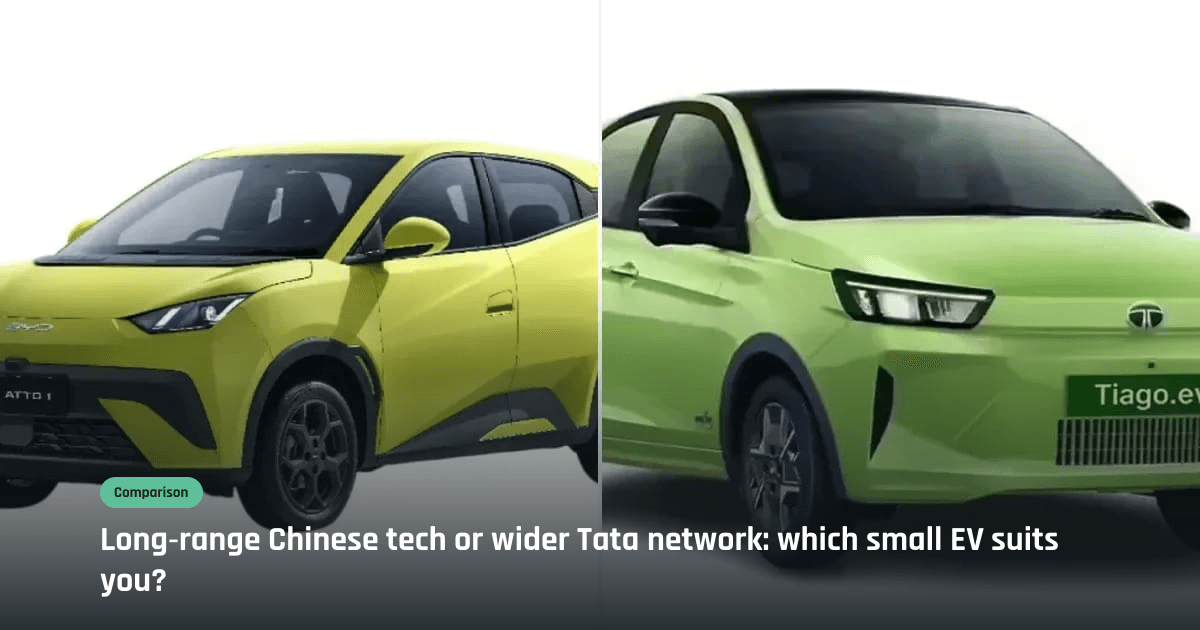
The Tiago’s rivals in Nepal depend on which side of the market you focus on. As a car, it competes most naturally with other compact hatchbacks and value-focused small cars rather than larger crossovers. In practical showroom terms, it also gets compared with small automatics and entry-level city cars that offer similar cabin space, similar road presence and similar ownership expectations.
Against those rivals, the Tiago’s advantages are clear. It has a compact footprint, good ground clearance, useful cabin storage, a credible feature spread in the mid trims, and a strong safety reputation anchored by a 4-star Global NCAP rating and standard dual airbags in the supplied dataset. Those are the right selling points for Nepali buyers who care about road conditions, basic safety and long-term practicality.
Its weaknesses are equally clear. The pricing is high, the trim ladder is broad but not especially generous at the lower end, and the absence of an automatic option limits its appeal in a market that increasingly expects one for city use. If a rival offers more equipment for similar money, the Tiago can quickly lose the value argument even if it remains the more sensible car in engineering terms.
Verdict and who it suits
The Tata Tiago is best understood as a good small car priced like a much bigger one. That sounds harsh, but it is the central truth of the Nepali market positioning. The car itself has many strengths: solid safety, compact dimensions, decent ground clearance, straightforward mechanicals, useful storage, and enough comfort features in the better trims to feel genuinely usable every day.
It suits buyers who want a city-friendly hatchback with a reassuring safety story and do not want the complexity or cost of a larger vehicle. It also suits drivers who prefer a manual gearbox and value a simple, familiar petrol drivetrain over novelty. The XT MT looks like the most balanced pick in the lineup, while the lower trims only make sense if the price difference is substantial enough to preserve the Tiago’s value case.
It does not suit buyers who are shopping on strict value per rupee, those who want an automatic, or anyone expecting the pricing to track the car’s modest size. In Nepal, the Tiago remains easy to like, but not easy to justify on price alone.
Writes on vehicle pricing, taxation and the Nepali auto market from ongoing tracking of distributor price lists. Editorial policy.