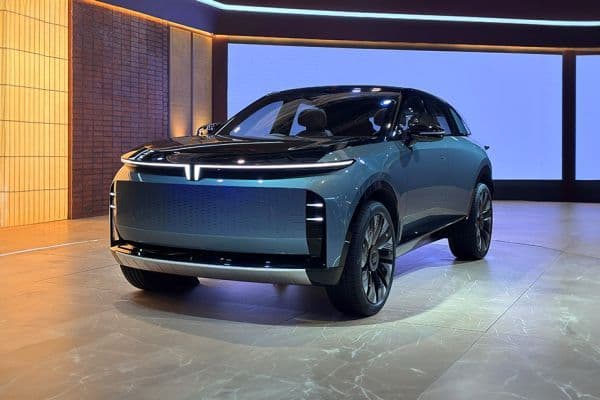
Tata Motors has commenced on-road testing of the EV platform that will underpin its upcoming Avinya electric range, using the Chinese Exeed Sterra ET SUV as a test bed in India. The Sterra ET itself will not be sold by Tata, but its underpinnings give a clear signal of what to expect from Tata’s next-generation premium EVs for India and, eventually, Nepal.
What exactly is Tata testing?
- The Sterra ET is built on Chery’s E0X / Freelander EV platform, the same architecture Tata has chosen for the Avinya family of vehicles.
- Tata is reportedly reworking electronics, software and vehicle systems on this platform to suit Indian conditions and regulations, which will also benefit any export markets like Nepal.
- The Sterra ET offers an 800V architecture, battery capacities up to 100kWh, and claimed ranges of up to 760km (CLTC) in full-electric form, plus range‑extender hybrid versions with total claimed range up to 1,518km. These numbers come from the Chinese model; Tata has not yet confirmed final specs for Avinya.
How does this link to Tata Avinya?
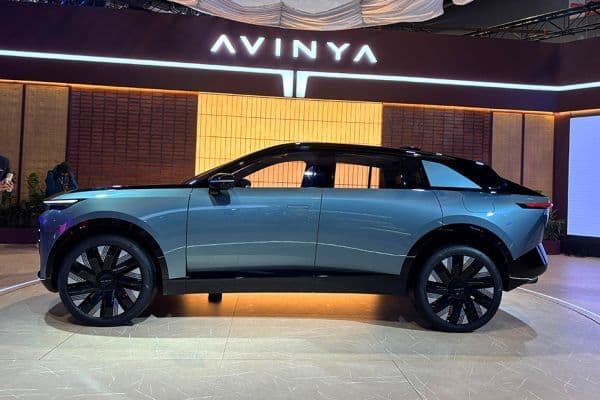
Avinya is Tata’s new premium pure‑electric sub‑brand. Tata and various Indian reports indicate:
- The first Avinya production model, Avinya X, is due for market launch around 2027 in India according to recent reporting and company timelines.
- Earlier statements and concept reveals have consistently targeted over 500km real-world range and sub‑30‑minute fast charging for Avinya models.
- Indicative India prices discussed by multiple outlets place Avinya in the Rs 40–50 lakh (India, ex-showroom) band for early models. Converted for Nepal with usual duties and mark‑ups, that suggests well above Rs 1 crore on-road, firmly in premium territory.
Nepal angle: will Avinya come here?
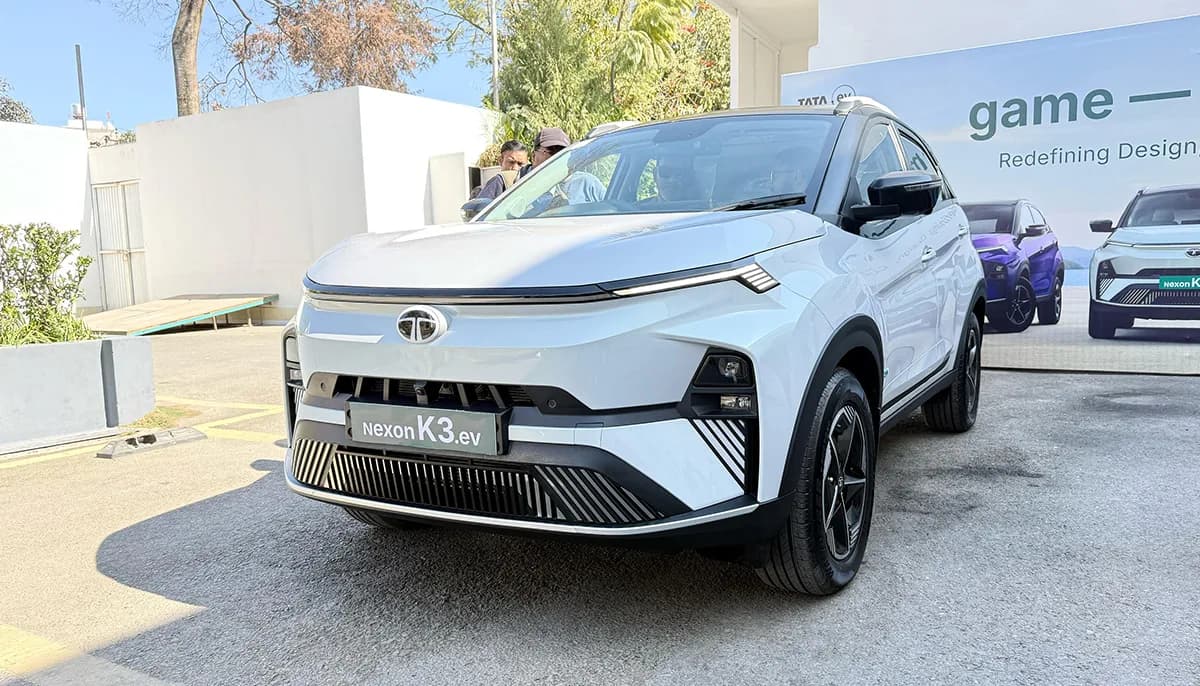
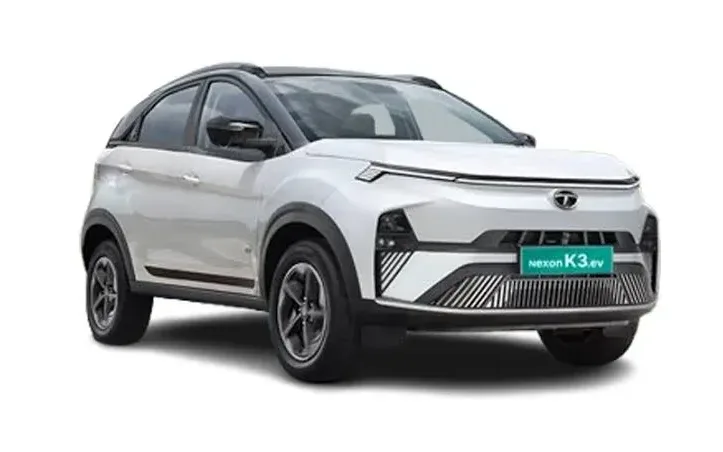
Tata already sells the Nexon EV and other models in Nepal via its established distributor, and Tata’s EV leadership has publicly talked about making Nepal a key EV market for the brand. Together with Tata’s India-first launch strategy, this makes Avinya a strong candidate for future Nepali introduction, though not immediately:
- Timing: If India gets Avinya X around 2027, Nepal can realistically expect any official launch 1–2 years later, subject to demand, charging infrastructure and pricing feasibility.
- Positioning: Avinya would sit above Nexon EV and upcoming Curvv/Harrier/Sierra EVs, aimed at buyers in Nepal currently considering luxury EV imports (e.g., premium Chinese and Korean electric SUVs).
- Range advantage: A practical 500km+ range would be particularly relevant for Nepali conditions, allowing Kathmandu–Pokhara or East–West highway legs with fewer charging stops.
What should Nepali buyers watch for?
- Price band: Expect Rs 1 crore+ pricing if and when Avinya reaches Nepal, making it a niche option for corporate fleets and high‑income private buyers.
- Charging ecosystem: Avinya’s likely 800V fast‑charging capability will only be meaningful if high‑power DC chargers (150kW and above) expand beyond Kathmandu and major highways.
- Tech trickle-down: Even if Avinya itself remains rare, Tata’s work on this advanced platform and software stack is likely to influence future, more affordable Tata EVs that will be sold in Nepal, potentially bringing better range, safety (ADAS), and smarter connectivity to mainstream models.
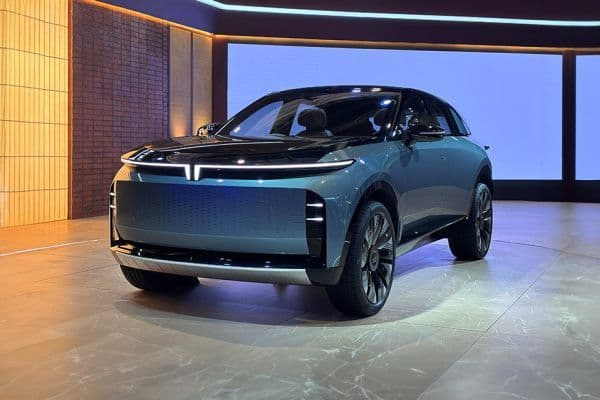
For now, the Sterra ET sightings in India do not indicate a new Tata SUV coming as-is to Nepal. They do, however, confirm that Tata’s next generation of long‑range, high‑tech EVs is progressing — and that Nepal’s Tata EV lineup is likely to get significantly more capable later in the decade.
Writes on vehicle pricing, taxation and the Nepali auto market from ongoing tracking of distributor price lists. Editorial policy.