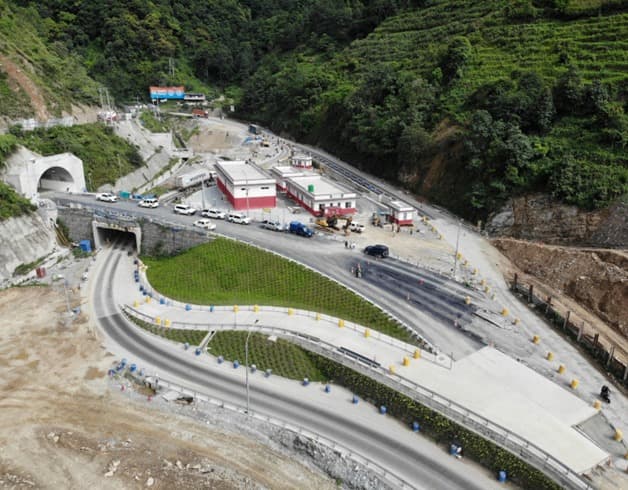
Nepal’s first road tunnel, the Nagdhunga–Sisnekhola Tunnel, has officially started phased operations, introducing new driving rules and a digital toll payment system for vehicles entering and leaving Kathmandu. The tunnel was inaugurated by Minister for Infrastructure Development Sunil Lamsal, with Japanese Ambassador to Nepal Maeda Toru and JICA President Dr. Akihiko Tanaka in attendance. Following the ceremony, the project contractor formally handed over the tunnel to the Government of Nepal.
What the new tunnel means for drivers
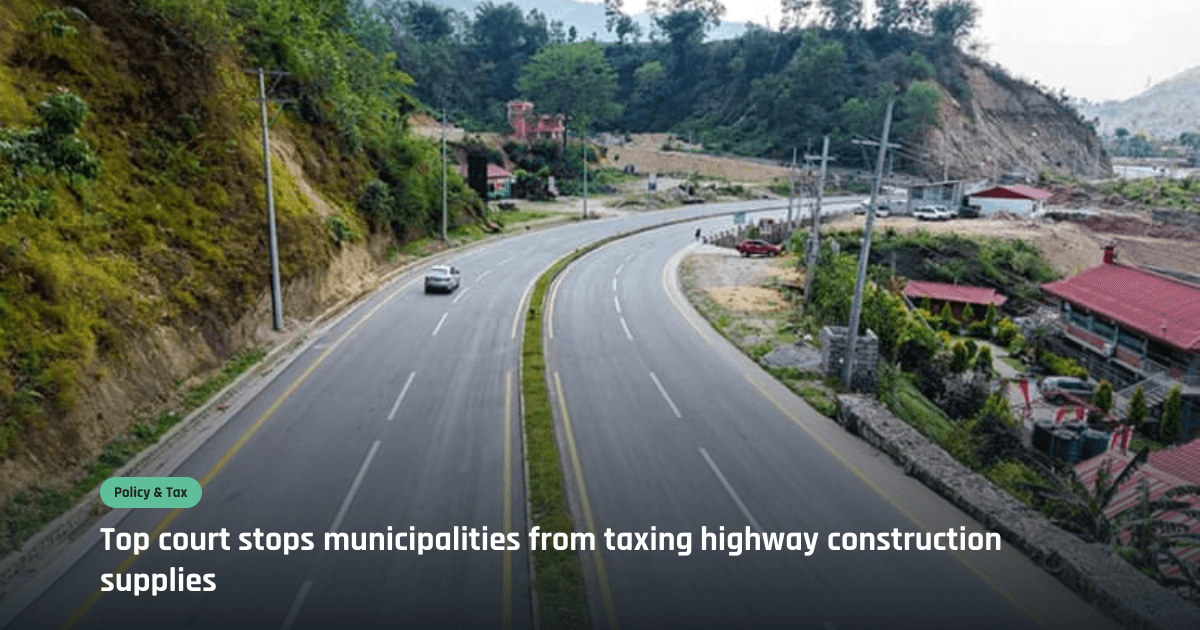
The tunnel sits on the busy Nagdhunga–Naubise section, a key gateway for traffic to and from Kathmandu. According to project officials, the tunnel length is about 2.68 km and is designed to reduce congestion on the hill road, cut travel time, and lower fuel use for four-wheelers and larger vehicles. It is expected to shorten the Kathmandu-Naubise route by around 3 km.
For now, the opening is phased. In the initial period, only emergency and special vehicles such as ambulances, fire trucks, and security vehicles are allowed inside. Regular private and public vehicles will be added gradually as the operating authority tests systems, trains staff, and fine-tunes safety procedures. Passenger cars and other light four-wheelers will be allowed in the second phase, while public transport and heavy vehicles will be permitted after the initial phases are completed.
Which vehicles are allowed — and banned
A new rulebook, the Nagdhunga–Sisnekhola Tunnel Traffic Operation Directive 2081, sets clear limits on vehicle type and size:
- Allowed (within size limits): cars, SUVs, vans, buses, trucks, minibuses, and mini-trucks.
- Size restrictions: vehicles longer than 18 m, wider than 2.5 m, or taller than 4.25 m are not allowed.
- Prohibited vehicle types:
- Motorcycles, scooters, and three-wheelers.
- Fuel tankers carrying petroleum products.
- Vehicles carrying explosives.
- Vehicles with foul-smelling cargo.
- Non-motorized vehicles (like cycles or carts).
Inside the tunnel, the maximum speed limit is 60 km/h. Drivers who exceed this limit face penalties under the tunnel operating rules. For many users coming from hilly roads, this means a smoother but strictly controlled driving environment.
Digital tolls with N-Tag
The government has introduced an RFID-based digital toll system for the tunnel. Vehicle owners must use N-Tag stickers, which are fixed to the front windshield. When a tagged vehicle passes the toll point, the system automatically deducts the charge from the linked account. No toll will be charged during the testing period, but a toll system will be introduced after the tunnel is fully opened for regular traffic.
N-Tag cards are available through Global IME Bank, Kumari Bank, Nabil Bank, Nepal Investment Mega Bank, and Sanima Bank. During the early phase of operation, drivers can still pay with QR code or cash, and foreign visitors from India or China are allowed to pay in cash.
Toll rates differ by vehicle type. For typical light vehicles:
- Cars and vans: Rs 65 when entering Kathmandu, and Rs 60 when exiting through the tunnel.
Other classes of vehicles have their own tariff slabs, so operators and frequent users should check category-wise rates before using the route.
Who operates the tunnel
Operation and maintenance have been awarded to Yusin ART Company, a Nepal–China joint venture, under a five-year contract reportedly worth around Rs 11 crore (Rs 1.10 billion). The company will run 24/7 operations, including:
- Technical and routine maintenance
- Traffic monitoring and safety systems
- Staffing of control rooms and support teams
Around 150 personnel are being deployed to manage daily activities, from ventilation and lighting to emergency response.
Expected traffic volume
Project estimates indicate that nearly 8,000 four-wheelers and larger vehicles currently cross the Nagdhunga checkpoint every day. Once fully open to regular traffic, authorities expect around 4,000–5,000 vehicles per day to use the tunnel — roughly half the existing flow.
For Nepali vehicle owners, the tunnel promises shorter, safer, and more fuel-efficient trips on the western exit of Kathmandu. But to benefit, drivers must follow the new size limits, vehicle bans, speed rules, and N-Tag-based toll system carefully.
Writes on vehicle pricing, taxation and the Nepali auto market from ongoing tracking of distributor price lists. Editorial policy.