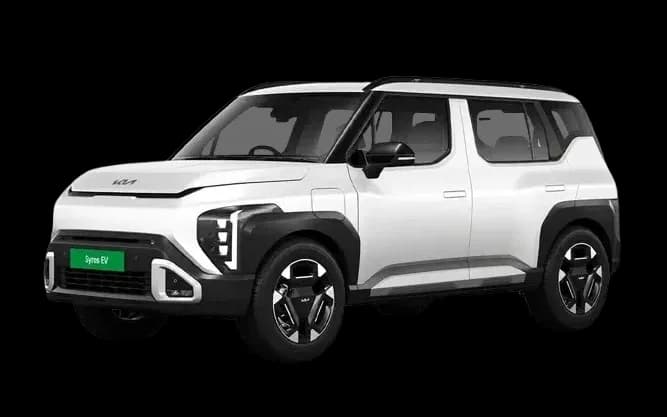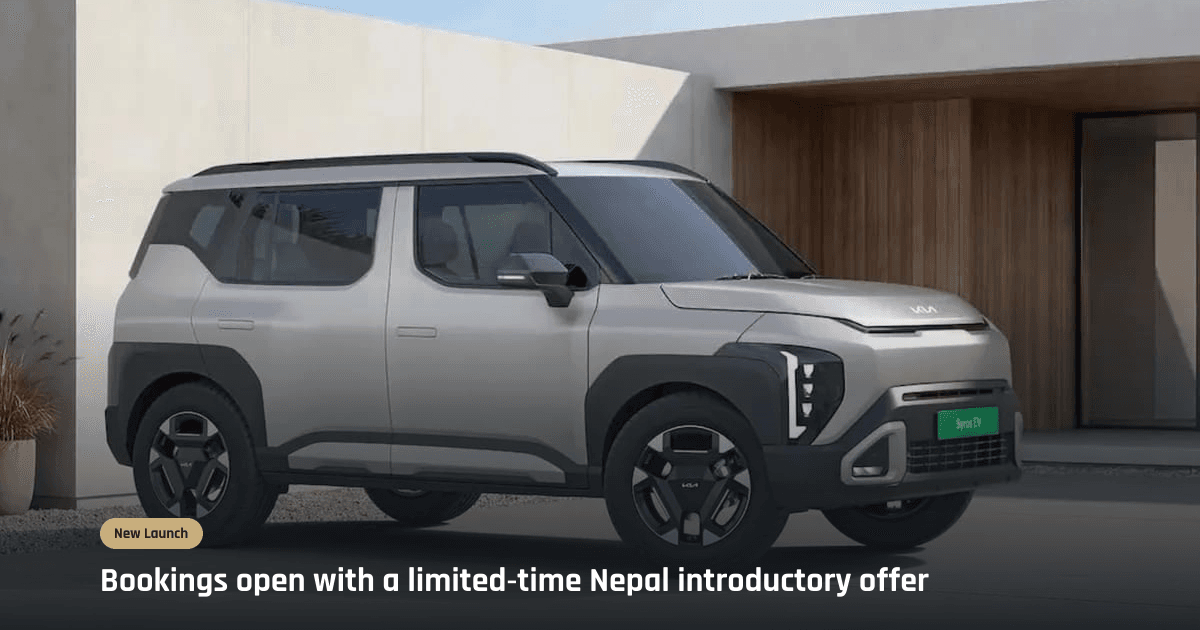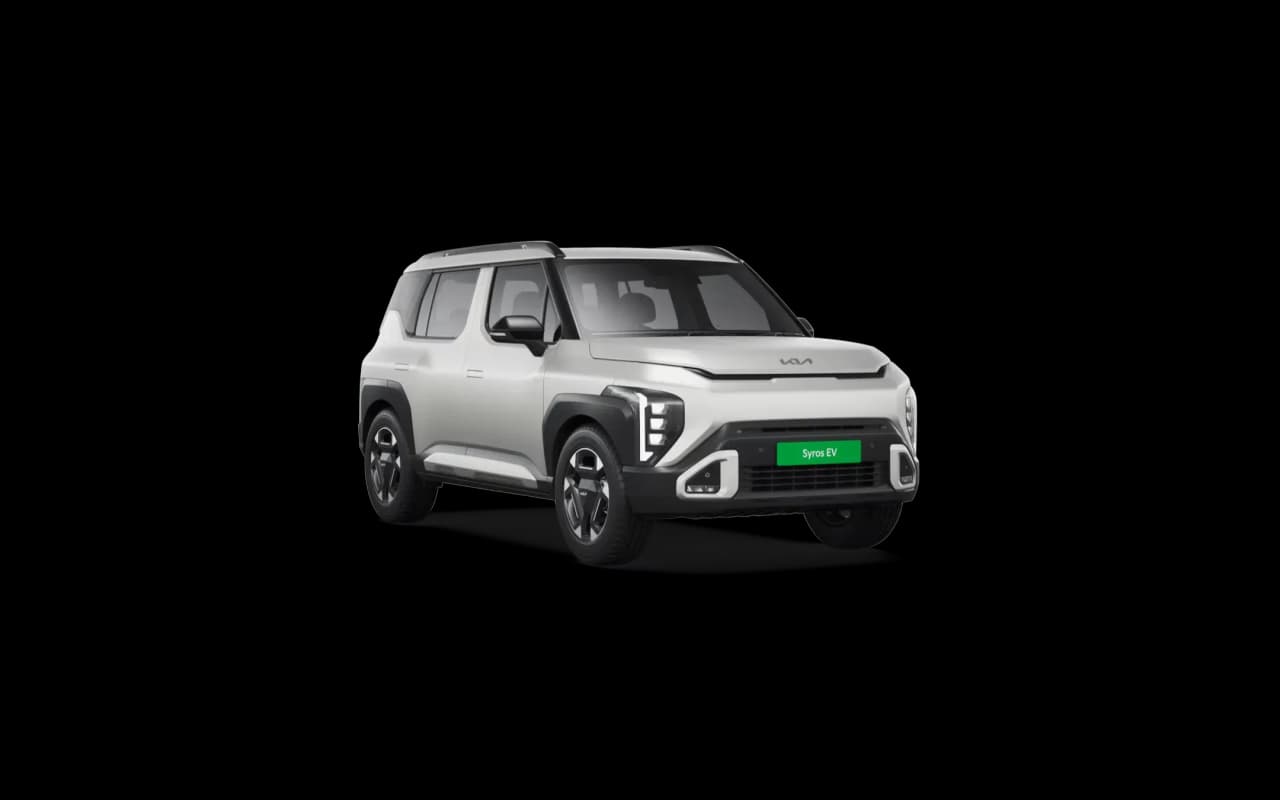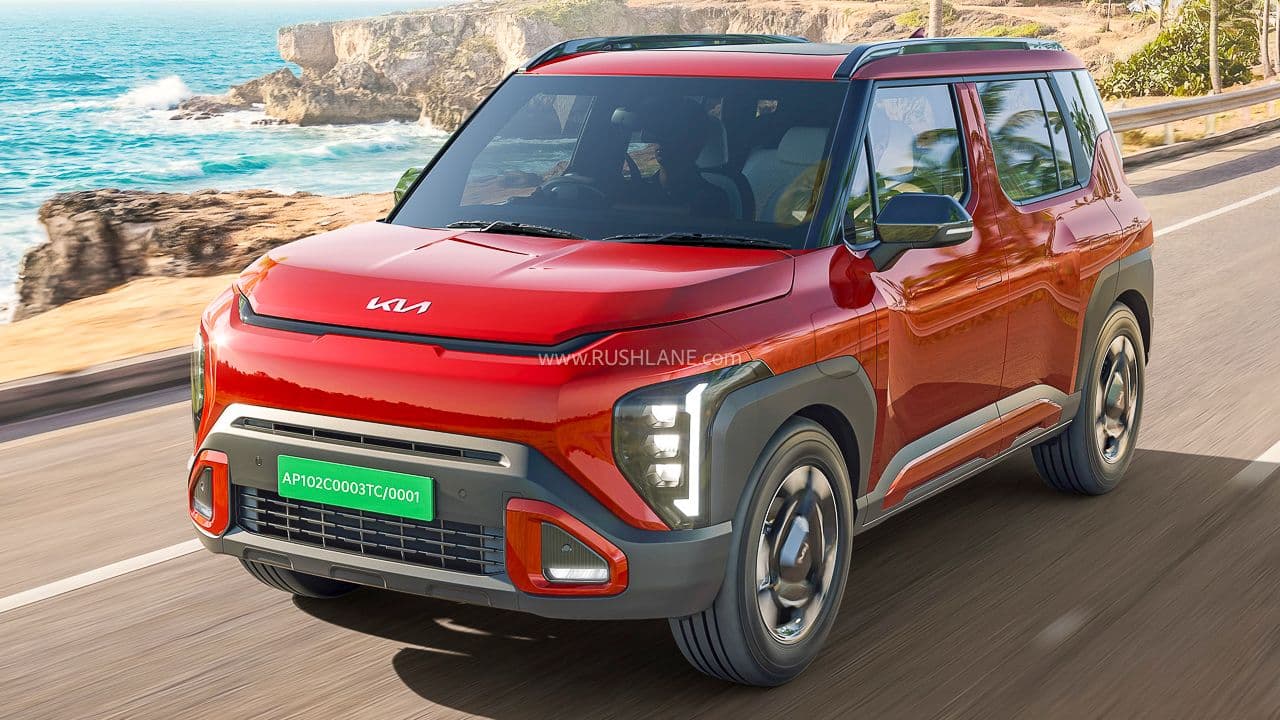
Kia has unveiled the Syros EV in India, marking the brand’s second mass-market electric SUV in the region. This launch holds significance for Nepal as India-spec Kia models are closely monitored by Nepali buyers, particularly when a new EV targets the accessible crossover segment.
Read next: Kia Syros EV review · Syros EV vs Q EV · Syros EV vs Arcfox T1
The company has opened pre-bookings in India with a token amount of Rs 25,000. Prices are now officially announced, ranging from 1.349 million to 1.999 million Indian rupees (ex-showroom).
What the Syros EV offers
The Syros EV is available with two battery options: a 42 kWh pack and a larger 51.4 kWh Extended Range pack. The larger version claims to deliver up to 526 km of range under ARAI’s MIDC test cycle, while the smaller pack is rated at 443 km.
Built on Kia's K1 platform, the Syros EV features the brand's Digital Tiger Face, Ice Cube LED headlamps, Star Map LED DRLs and taillights, flush door handles, and 17-inch dual-tone aero alloy wheels. Inside, the SUV boasts a 30-inch panoramic display, combining a 12.3-inch infotainment touchscreen, a 12.3-inch digital instrument cluster, and a 5-inch climate control display.
Other key features include a dual-pane panoramic sunroof, ambient lighting, a four-way power-adjustable driver's seat, sliding and reclining rear seats, a built-in dashcam, a 360-degree camera, and Level 2 ADAS.
The Syros EV is powered by a single electric motor producing up to 169 hp, capable of accelerating from 0-100 km/h in 8.1 seconds. Charging options include a 10.8 kW AC onboard charger and support for 100 kW DC fast charging, with a 10% to 80% charge time of 39 minutes.
Kia is offering a 15-year/unlimited-kilometer battery warranty in India and has introduced an assured buyback program that promises up to 80 percent resale value after three years.
Why Nepali buyers should care
If Kia decides to bring the Syros EV to Nepal through official import channels, it could become a significant competitor in the compact electric SUV space. For Nepali customers, the main appeal would be a longer-range EV with stronger equipment than many entry-level models. The final showroom price would likely be much higher than India’s ex-showroom figure once Nepal taxes, shipping, and dealer margins are added.
That means a car expected around the mid-Rs 10 lakh range in India could easily cross into a much higher bracket in Nepal if and when it arrives. For buyers here, the key question will be whether Kia Nepal can offer a price that stays competitive against Chinese EVs and the India-sourced models already on sale.
The Syros EV also signals where the market is heading. More feature-rich EVs with faster charging, connected tech, and range figures above 400 km are becoming the new benchmark. If Kia introduces this model in Nepal, it could raise expectations for similar compact electric SUVs from other brands as well.
Writes on vehicle pricing, taxation and the Nepali auto market from ongoing tracking of distributor price lists. Editorial policy.