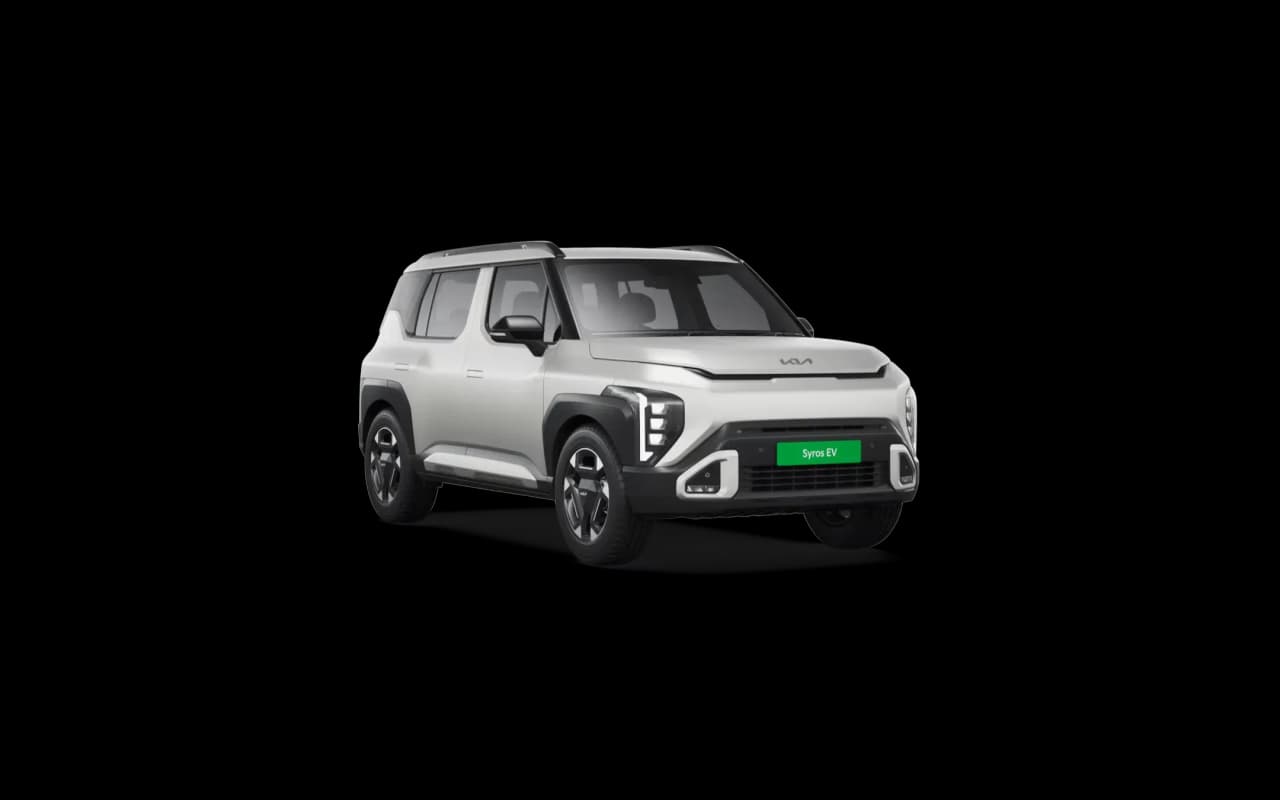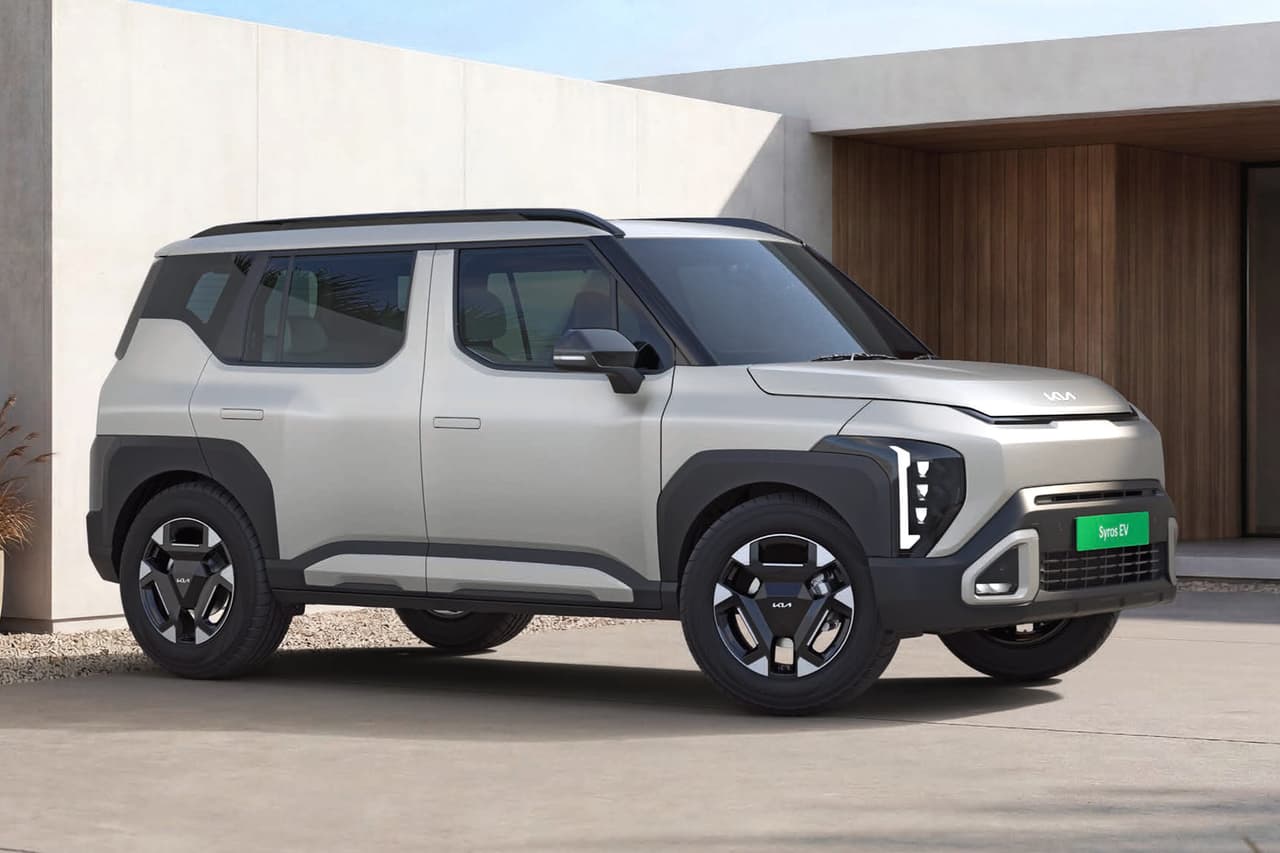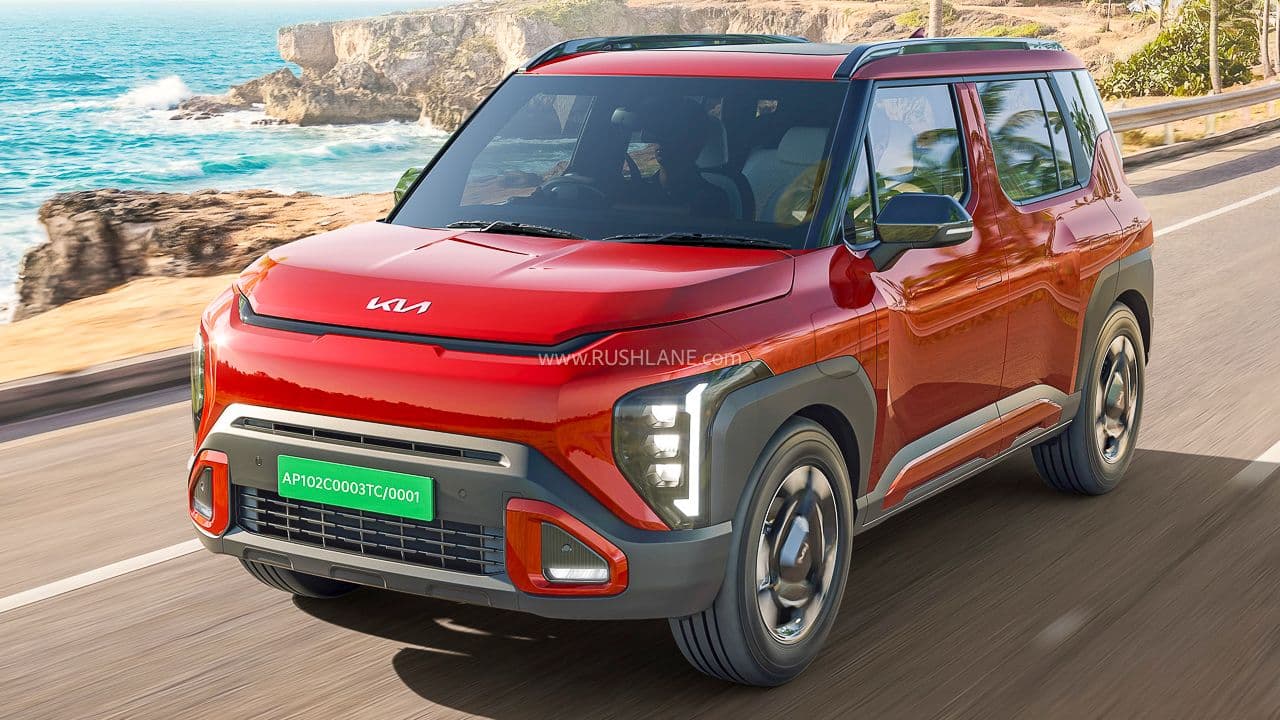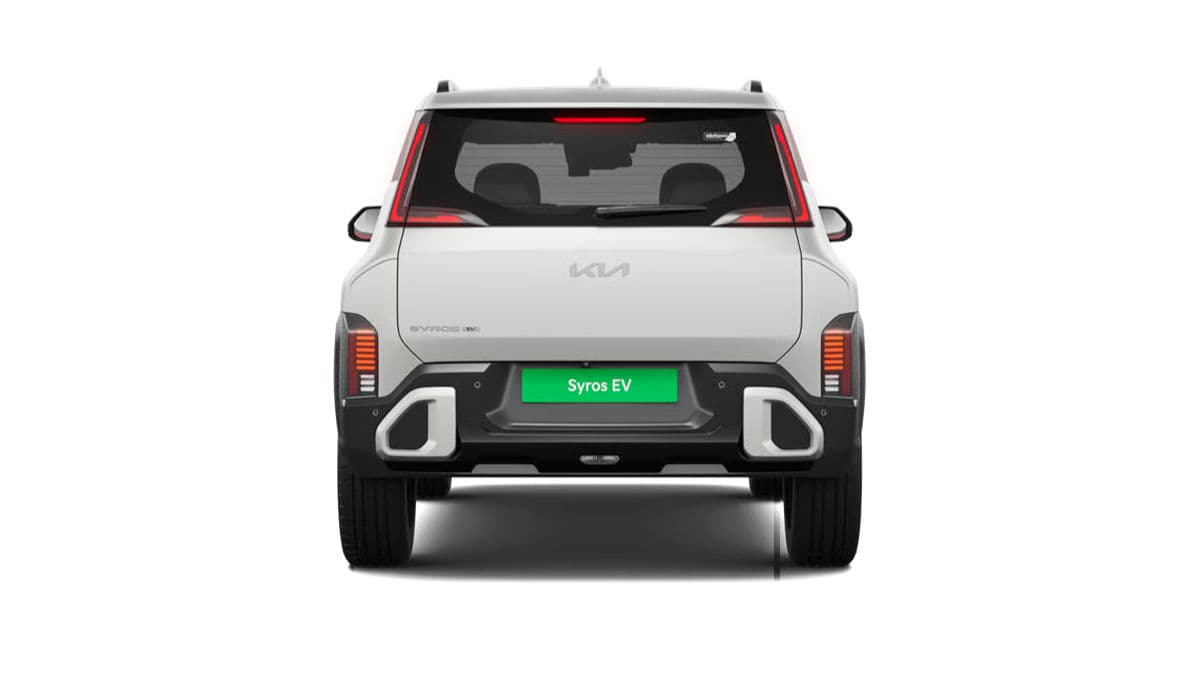
Kia has officially launched the Syros EV in India, marking a significant addition to its made-in-India mass-market EV portfolio. This electric version of the Syros joins the Carens Clavis EV, offering a compact SUV option with advanced features and competitive pricing. Now, Continental Trading, the authorized distributor of Kia in Nepal, is preparing to launch the Kia Syros EV in the domestic market ahead of the Dashain and Tihar festive season.
Read next: Kia Syros EV review · Syros EV vs Q EV · Syros EV vs Arcfox T1
India launch, price and range
The Syros EV is available with a starting price of Rs 13.50 lakh ex-showroom in India, with the top-spec X-Line Extended Range variant priced at Rs 20.00 lakh. Deliveries are set to commence from 30th July 2026. The vehicle is offered with two battery pack options: 42 kWh and 51.4 kWh, providing a certified range of 443 km and 526 km respectively. These battery packs are the same as those used in the Carens Clavis EV. The Syros EV utilizes the K1 platform, shared with its ICE counterpart, and is available in 7 variants.
Kia is offering a Battery-as-a-Service (BaaS) option, allowing separate financing for the vehicle and battery, with vehicle prices starting at Rs 7.99 lakh and battery payments at Rs 3.3 per km.
Competitive landscape and Nepal angle
The Syros EV competes with the Tata Nexon EV and Mahindra XUV 3XO EV. It is Kia's smallest all-electric model, with dimensions similar to its competitors. The Syros EV is the tallest at 1,670mm, and its 2,550mm wheelbase is longer than the Nexon EV’s but shorter than the XUV 3XO EV’s. The 51.4kWh battery pack is the largest in the segment, offering the highest claimed range of 526 km, which is 37 km more than the Tata Nexon EV's 45kWh variant and 175 km more than the Mahindra XUV 3XO EV's.
For a 10-100 percent charge, the Kia Syros EV’s 42kWh battery takes 6 hours, while the 51.4kWh battery takes 7 hours 15 minutes using a 7.4 kW AC charger. The Kia Syros EV supports up to 100kW DC fast charging, while the Tata Nexon EV and Mahindra XUV 3XO EV support up to 60kW and 50kW DC fast charging, respectively.
Kia’s Syros petrol SUV is already available in Nepal, and the Syros EV is a realistic candidate for future introduction once production and supply stabilize in India. If introduced, the Syros EV would compete in Nepal's growing compact electric SUV segment, currently led by models like the Tata Nexon EV and BYD Atto 3. Its pricing suggests it could offer more range than many entry-level electric crossovers, appealing to those who travel between cities like Kathmandu and Pokhara.
For Nepali buyers, key considerations include the final on-road price after taxes, whether both battery options will be available, compatibility with Nepal's DC fast charging infrastructure, and after-sales support from the local Kia distributor.
While Kia has not officially announced the Syros EV for Nepal, its India-focused development and shared platform with the petrol Syros make a future Nepal launch plausible. Buyers interested in compact SUVs and planning an EV purchase in the next 1-2 years should keep the Syros EV on their radar as a potential new option.
In comparison, the Syros EV's top-spec X-Line variant offers a larger boot and frunk, and larger wheels than the Nexon EV. It also features flush door handles with motorised opening and puddle lamps with logo projection. The Syros EV's 51.4kWh battery not only offers a higher range but also supports higher charging output than the Nexon EV. However, the Nexon EV offers more paint choices and includes an additional speaker and air purifier. Both vehicles are equipped with advanced safety features, including a Level 2 ADAS suite and a 360-degree camera.
Nepal Launch Details
Continental Trading plans to introduce the 42 kWh Standard Range variant first, aiming to position the electric SUV competitively in Nepal's fast-growing mid-price EV segment. The Syros EV is expected to be positioned at around Rs 4 million, making it one of the more affordable electric SUVs in its class. It offers 197 mm of ground clearance, a notable figure for a sub-four-meter SUV and well suited to Nepal's road conditions. Inside, the cabin is centered around Kia's Trinity Panoramic Display, which combines two 12.3-inch screens with a 5-inch HVAC control display, providing EV-specific functions.
Writes on vehicle pricing, taxation and the Nepali auto market from ongoing tracking of distributor price lists. Editorial policy.