Electric vehicle owners can significantly extend the lifespan of their battery through careful maintenance. While EVs require less routine service than combustion engines, the battery remains the most expensive component.
Charging habits are critical. For daily use, keep the battery charge between 20 and 80 percent to avoid the stress of extreme high or low states. While some vehicles allow charging to 100 percent, avoid leaving the car at full capacity for extended periods.
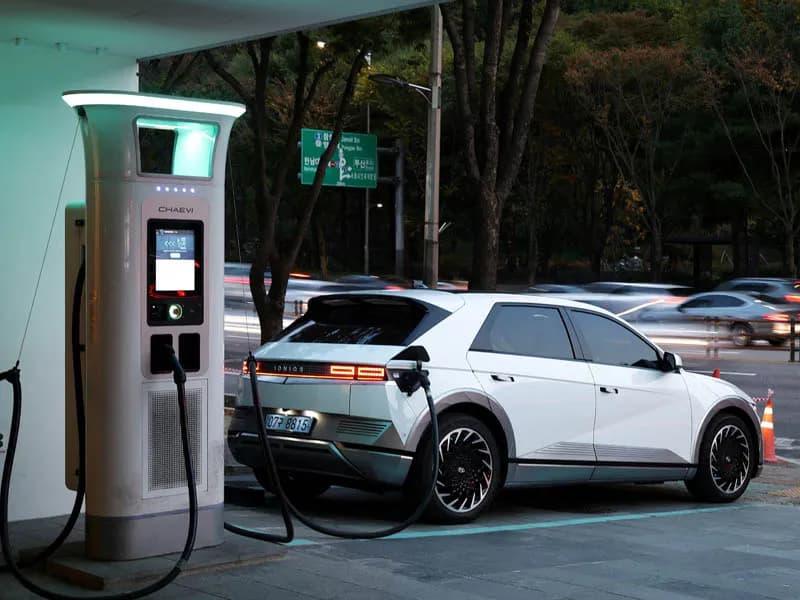
Fast charging saves time, but frequent use of high-voltage chargers can generate heat that affects long-term capacity. Modern vehicles often include thermal management systems to mitigate this, but it remains a factor to consider.
If you plan to park your car for a long time, do not leave the battery completely empty or at 100 percent. A moderate charge level is best for storage. Park in shaded areas during hot weather to protect the battery.
Most batteries are designed to last many years, often 10 to 15 years or more. Capacity typically drops by about 2.3 percent annually, though this varies by model and usage.
Writes on vehicle pricing, taxation and the Nepali auto market from ongoing tracking of distributor price lists. Editorial policy.