The government has started formal groundwork to bring hydrogen-powered vehicles to Nepal, asking experts and institutions to help shape the technical and legal framework needed for their safe and sustainable use.
What the ministry is planning
The Ministry of Physical Infrastructure and Transport has called for written suggestions to support new rules on the development, operation and regulation of hydrogen vehicles and related infrastructure.
According to the ministry's announcement, inputs are being sought on:
- Hydrogen production and storage systems suitable for Nepal
- Transport and distribution of hydrogen fuel
- Refuelling infrastructure for cars, buses and commercial vehicles
- Possibility of converting existing vehicles to hydrogen technology
- Requirements for technical manpower and training
- Upgrading emergency response and safety capacity
Universities, research bodies, professional associations, industry groups, development partners and international organizations can send their suggestions by Shrawan 20 (early August), based on their research and practical experience.
Why hydrogen is on the agenda
Hydrogen is being explored globally as a clean fuel option, especially when it is produced using renewable electricity (often called *green hydrogen*). For vehicle owners, hydrogen fuel cell vehicles can offer:
- Zero tailpipe emissions
- Fast refuelling times, closer to conventional petrol/diesel vehicles
- Long driving range, useful for inter-city transport and heavy vehicles
Nepal has already taken some steps in this direction. The Ministry of Energy, Water Resources and Irrigation approved a Green Hydrogen Policy in 2080 BS, aiming to use hydropower-based electricity to produce hydrogen. Kathmandu University has been studying Nepal's hydrogen potential since 2077 BS, including possible applications in transport and industry.
Hydrogen has also appeared in budget documents. The fiscal year 2079/80 budget mentioned plans for commercial use of hydrogen energy and using green hydrogen and ammonia to support a future chemical fertilizer plant.
What this means for vehicle buyers
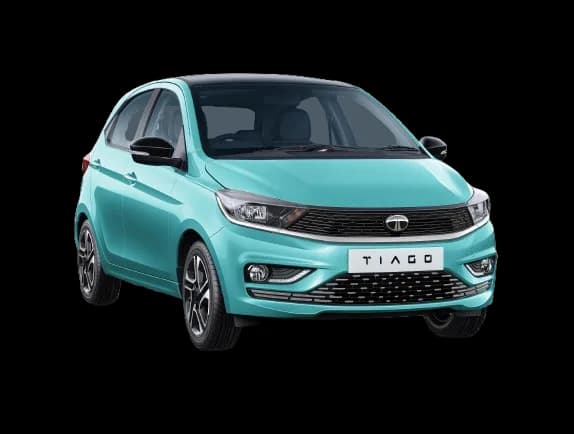
For now, hydrogen cars and buses are not yet available in the Nepali market, and battery electric vehicles remain the main zero-emission option. Major brands such as Tata with the Nexon EV and Nexon EV Max, and newer models like Nexon K3 EV, are already on sale through local dealers, with prices in the Rs 38–49 lakh range depending on variant and battery size.
If the new hydrogen framework moves ahead, future benefits for vehicle buyers could include:
- More choice among clean vehicles (battery EVs, hydrogen fuel cell vehicles, and possibly hydrogen-converted buses and trucks)
- Clear safety standards and refuelling norms for hydrogen stations
- Better policy support for low-emission transport using Nepal's hydropower.
For now, the current consultation is a preparatory step. Once the ministry studies the submissions, it plans to draft policies, legal provisions, standards and procedures that would be required before hydrogen vehicles can practically operate on Nepali roads.
Writes on vehicle pricing, taxation and the Nepali auto market from ongoing tracking of distributor price lists. Editorial policy.