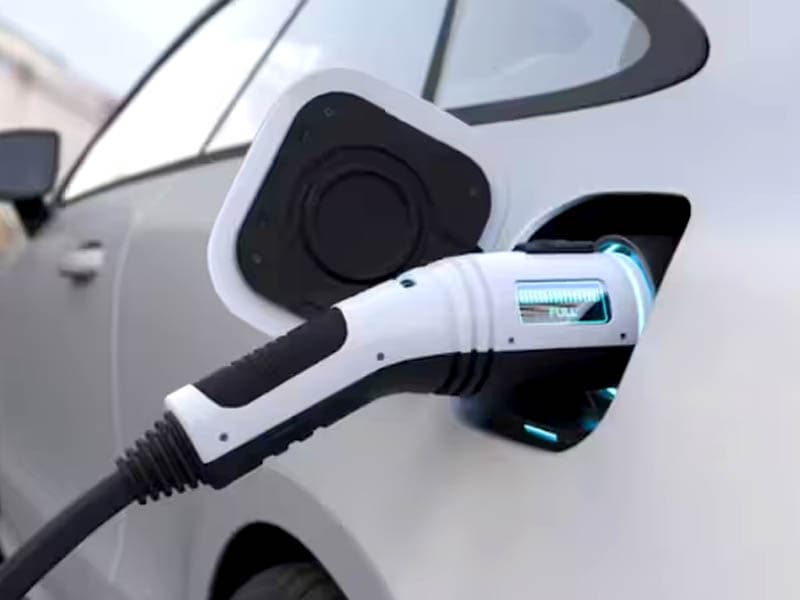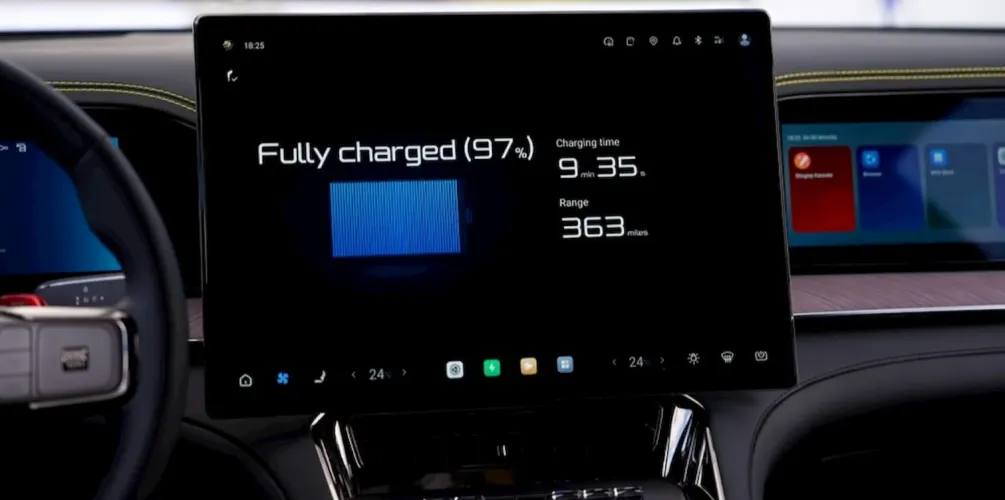
China’s electric vehicle industry is entering a new stage where fast charging is measured in seconds, not minutes. For Nepali buyers, this shows how quickly EV technology is changing and what future charging at home and on highways could look like.
New batteries that charge in a few minutes
Chinese brands and battery makers are testing next‑generation packs that can add most of the charge in under 5 minutes, according to recent announcements.
- Geely’s Lynk & Co has shown a new “Golden Brick” battery that claims to go from 10% to 70% in about 4 minutes 22 seconds, according to the company.
- BYD’s latest Blade 2.0 battery reportedly charges from 10% to 70% in around 5 minutes and is already being used in some of its production EVs.
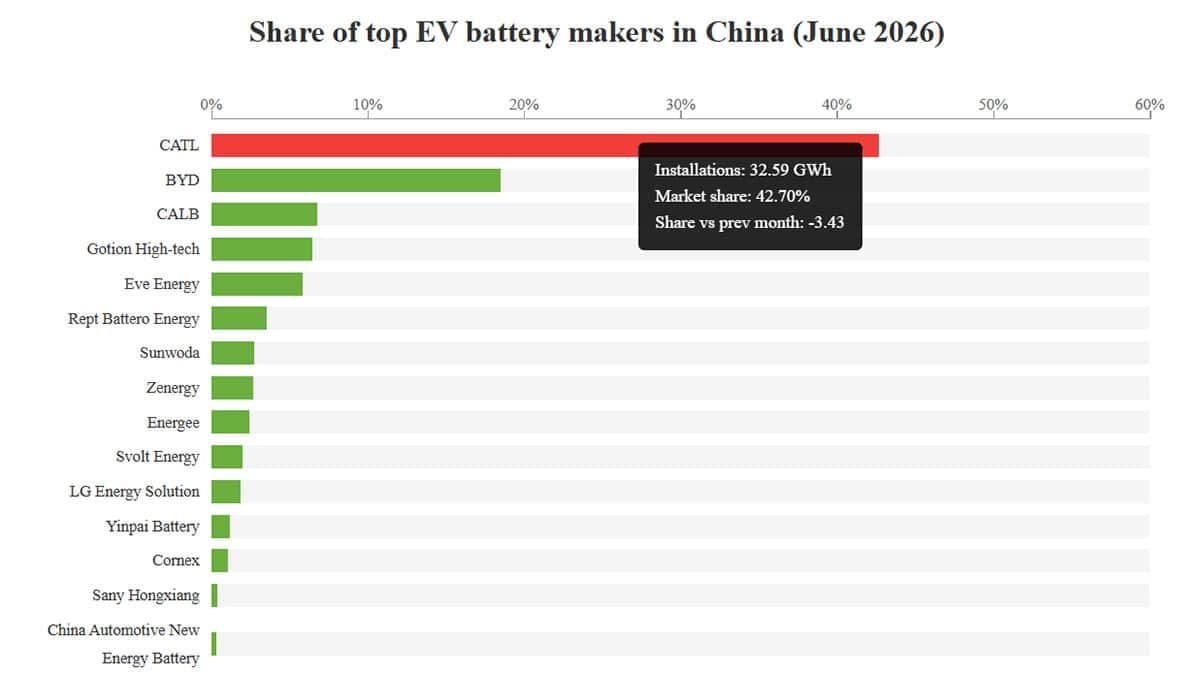
- Battery supplier CATL has demonstrated a consumer EV battery that can charge from 10% to 80% in about 3 minutes 44 seconds, and a commercial-vehicle pack that can go from 20% to 80% in roughly 6 minutes 48 seconds, based on its test data.
- State‑owned FAW Group has announced a pack able to move from 10% to 70% in about 3 minutes 41 seconds.
These figures are from test or demo conditions, not everyday public chargers, but they show where battery and charging research is headed.
Ultra‑fast chargers: up to 1,500 kW in China
To support such speeds, China is rolling out ultra‑high‑power charging stations.
- BYD has introduced 1,500 kW "flash" chargers and plans tens of thousands of units by 2026, with several thousand already running.
- Geely and Dongfeng have also launched 1,500 kW systems, and Dongfeng says even higher‑power equipment is being developed.
By comparison, many fast chargers available in South Asia today are 30–60 kW, and even advanced public DC units are often in the 60–150 kW range. Europe is starting to deploy 400 kW and 600 kW chargers, while typical high‑power chargers for fast‑charging Hyundai and Kia EVs in the US allow 10–80% charging in around 18 minutes.
Does this matter for Nepali EV owners?
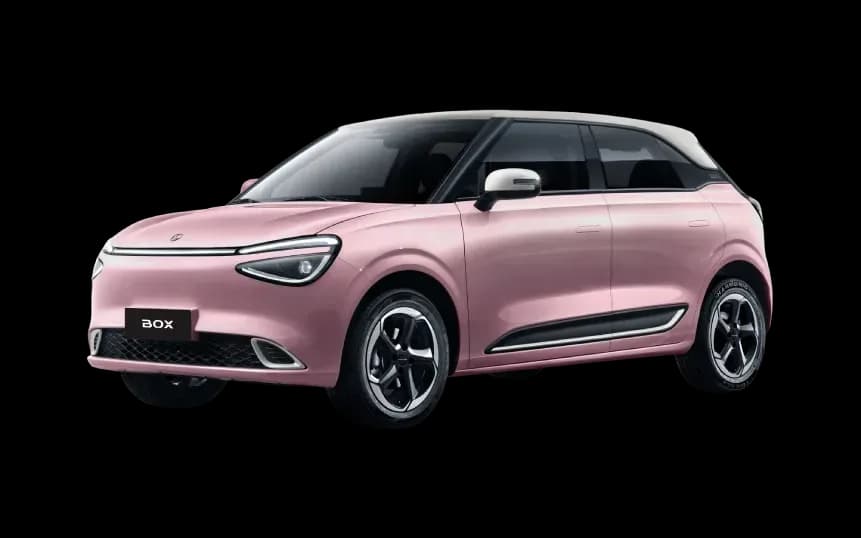
Most EV users in Nepal, like elsewhere, mainly charge at home or office overnight. For them, ultra‑fast 3–5 minute charging is not essential, but it can still bring clear benefits:
- More cars served per charger each day, especially at busy urban and highway locations.
- Shorter queues and waiting times during holidays or peak traffic.
- Easier long‑distance travel once the national fast‑charging network expands.
However, using very high power also requires:
- Stronger electric grid capacity and safety standards.
- Careful battery thermal management to protect pack life.
- Higher equipment cost, which may affect charging tariffs.
What Nepali buyers should expect
For now, EVs sold in Nepal — including popular models like Tata Nexon EV and other compact SUVs — typically support fast charging in the tens of minutes, not seconds. But China’s push into second‑level charging means future imports from Chinese brands and global OEMs could bring:
- Shorter highway charging stops, closer to a fuel refill.
- New battery chemistries and cooling systems designed for high‑power use.
- Demand for upgraded DC charging hubs in key Nepali corridors.
The key takeaway for Nepali buyers is that EV charging tech is evolving very fast, and models launched over the next few years may offer much quicker top‑ups than today’s vehicles, especially for intercity travel.
Writes on vehicle pricing, taxation and the Nepali auto market from ongoing tracking of distributor price lists. Editorial policy.