Big battery issue in popular Chinese EVs
A major battery quality problem has emerged in China involving GAC Aion S electric cars fitted with batteries from CALB (China Aviation Lithium Battery Co.). Many Aion S vehicles are suffering from swollen batteries, electrolyte leakage and even ruptured cells, sometimes causing the car to lose power while driving.
Around 2.1 lakh Aion S EVs using CALB’s 177 Ah LFP battery cells could be affected, with a fault rate of about 4.7%. The failures are mostly appearing on vehicles used for commercial service that have already run 150,000–300,000 km.
What owners reported
Chinese taxi and ride‑hailing drivers complained of:
- Sudden power loss while driving
- Battery swelling and deformation
- Electrolyte leakage from the pack
- In some cases, cell rupture, making the vehicle unable to start or operate
Third‑party inspections point to internal manufacturing defects in the batteries, rather than damage from crashes, water or misuse. Analysts there say the problems look systemic, not random.
Experts have suggested possible causes such as:
- Faulty electrolyte system design
- Poor assembly precision and cleanliness in battery production
- Insufficient ageing tests and rushed validation to push products to market faster
GAC Aion and CALB response
Under heavy public pressure after Xinhua News Agency’s coverage, GAC Aion and CALB issued a joint apology and announced a relief package for affected Aion S owners.
Key measures include:
- Battery warranty extended to 8 years / 300,000 km for affected Aion S vehicles
- Free battery inspections, repair and replacement when required
- Cash compensation for owners whose EV remains in the workshop for more than 5 days
- CALB has promised free on‑site maintenance and repair support through its own technicians
Previously, the standard GAC Aion battery warranty in many markets was 8 years / 150,000 km. The extended 8‑year / 300,000 km cover is therefore a significant upgrade, but it also highlights how serious the defect issue is.
Why this matters for Nepali EV buyers
CALB is the world’s fourth‑largest EV battery maker by market share, so this controversy is important for any market that imports Chinese EVs, including Nepal. Some Chinese brands sold here use CALB or similar LFP chemistry packs.
For Nepali buyers, the key lessons are:
- Always check battery supplier, chemistry and warranty terms before buying an EV.
- Prefer models with at least 8‑year battery warranty, and in high‑use cases (taxis, fleets) look for higher kilometre coverage (200,000 km or more).
- Remember that battery design and production quality are as important as range and features.
This episode also shows why regulators in China, Europe and other regions are pushing for stricter battery safety standards. As Nepal’s EV market grows, similar focus on testing, clear warranties and after‑sales support will be essential to protect both private owners and commercial operators.
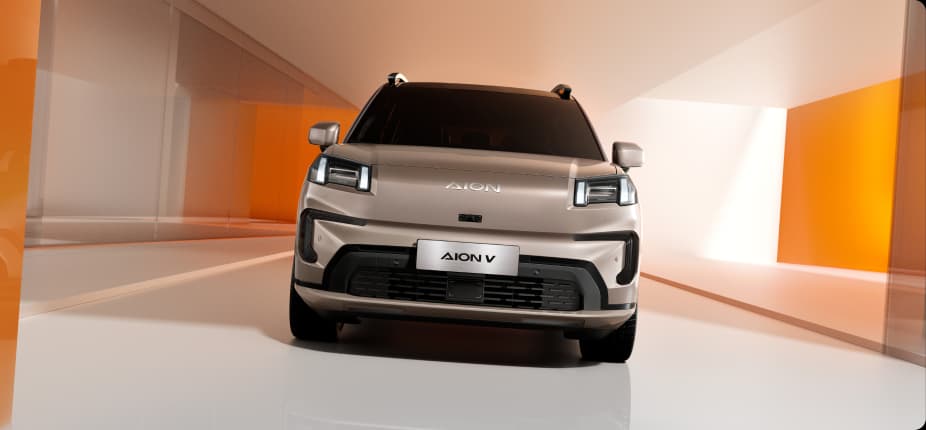
For now, the issue is mainly in GAC Aion S models in China. Nepali buyers of other GAC Aion vehicles, such as the Aion V luxury SUV (about Rs 70 lakh in Nepal, 75.3 kWh battery, claimed 650 km NEDC range), should still pay close attention to the exact battery pack type and warranty offered locally, and keep all service records in case future quality campaigns or recalls are announced.
Writes on vehicle pricing, taxation and the Nepali auto market from ongoing tracking of distributor price lists. Editorial policy.