Where The Atto 1 Slots Into Nepal's EV Shelf
Cimex Inc. Pvt. Ltd. brought the BYD Atto 1 into Nepal in 2024, and it lands at a price point most EV buyers in this country have been waiting for. At Rs 30.75 lakh for the entry Dynamic (Standard Range) and topping out at Rs 34.8 lakh for the Premium (Long Range), it sits below the price of most compact electric SUVs currently sold here, while still carrying BYD's badge and its Blade Battery reputation. This is not a car built to impress with numbers on a spec sheet — it's built to be the least intimidating, least expensive way for a Nepali household or a small business to put an EV in the garage.
That positioning matters more here than almost anywhere else. Charging infrastructure, resale value uncertainty and upfront cost are the three things that keep Nepali buyers away from EVs, and the Atto 1 attacks the third of those head-on. It doesn't try to be a highway cruiser or a big family hauler — it's a compact, five-door hatchback aimed squarely at people who drive within the city and want to stop thinking about petrol prices.
A Design That Borrows Confidence From Cars Costing Far More
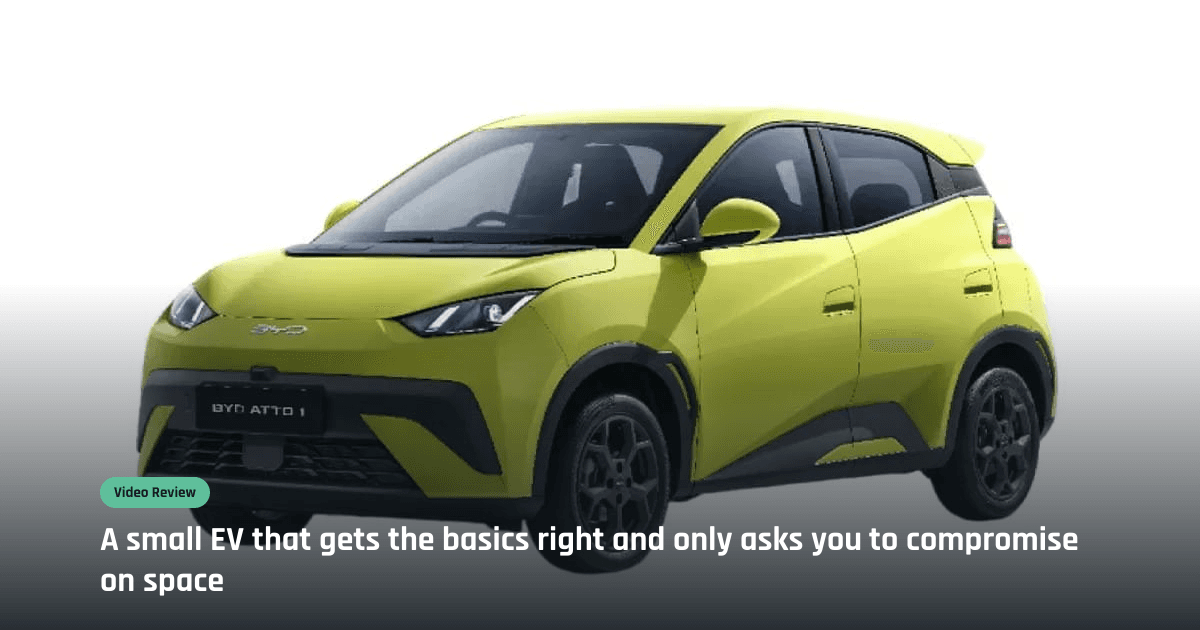
The Atto 1's styling punches above its price bracket. The front end carries slim, angular headlight clusters with a sharp, layered look that wouldn't be out of place on cars several rungs higher up the price ladder — a detail that's been repeatedly pointed out in comparisons and one we'd agree gives the car a premium look it has no business having at this price. Character lines run from the front wheel arches back toward the rear doors, breaking up what could otherwise be a slab-sided small hatchback, and the rear is finished with a full-width LED light bar that reads as one continuous strip after dark rather than two separate clusters.
Build quality differences show up between trims in ways buyers should know before choosing. The Dynamic (Standard Range) rides on 15-inch wheels with plastic covers, giving it a slightly more basic stance, while the Premium and Premium (Long Range) step up to proper 16-inch alloy wheels wrapped in 185/55 R16 rubber. At 3,925 mm long, 1,720 mm wide and 1,590 mm tall, with a 2,500 mm wheelbase, this is genuinely a compact car — smaller in footprint than most crossovers on Nepali roads — and it shows in how tidy and unintimidating it looks parked next to a Scorpio or a Creta.
The Colour Choices Buyers Will Actually See In Showrooms
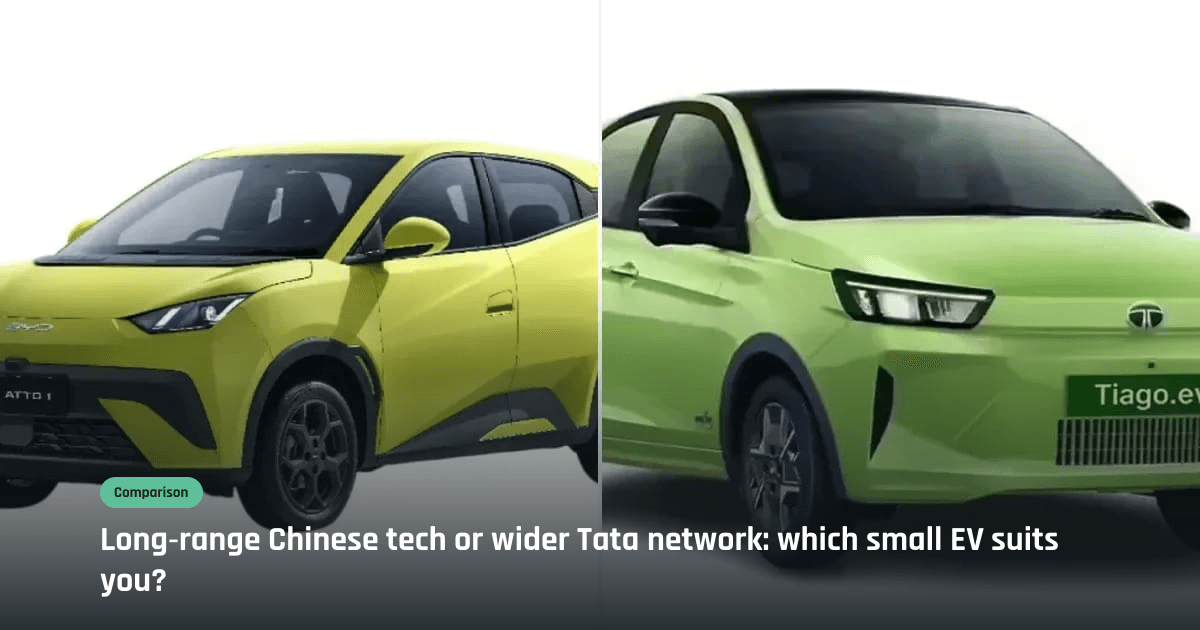
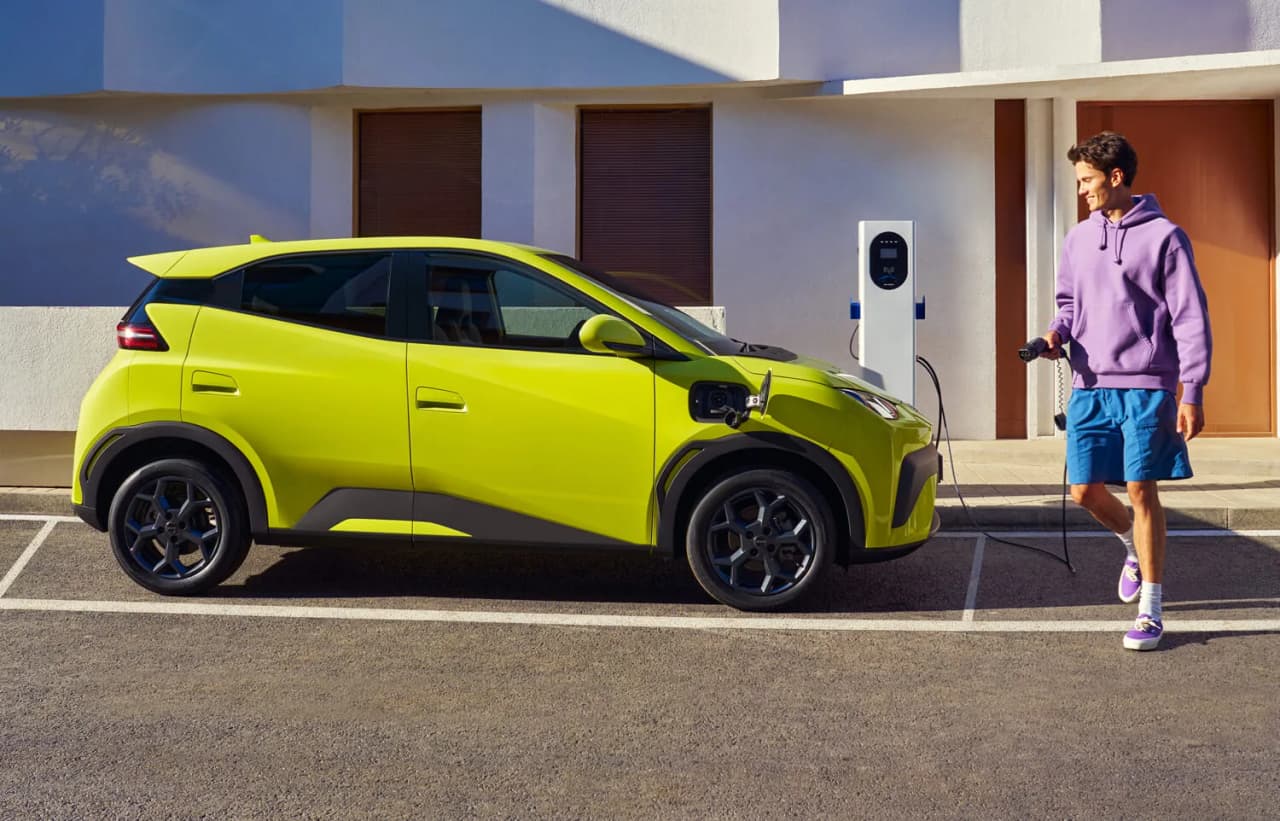
The Atto 1 has been shown internationally in a bright, eye-catching lime green that turns heads in a way few budget EVs manage, alongside a more conservative cream/white finish on entry trims. Nepali buyers walking into a Cimex showroom should expect a similar spread — a bold, youthful shade aimed at drawing attention in city traffic, and a neutral option for those who'd rather their EV not announce itself. Given the car's positioning as an urban runabout and even a plausible first car for a younger driver, the louder colour options genuinely suit the character of the product.
Where The Touchscreen Helps And Where It Gets In The Way
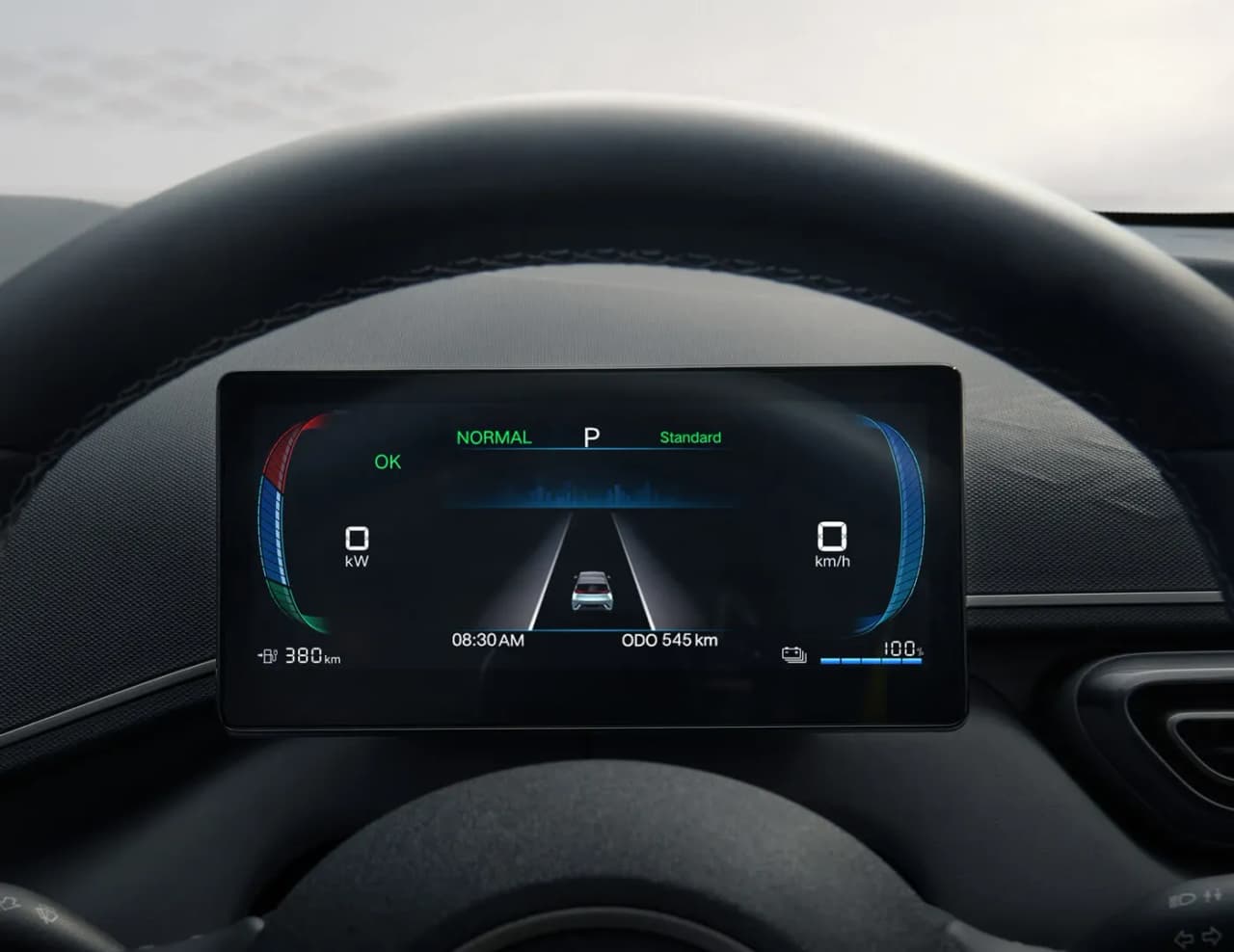
Every Atto 1 variant centres its cabin around a 10.1-inch touchscreen running Apple CarPlay and Android Auto, paired with a compact digital instrument cluster ahead of the driver. The screen is sharp and responds quickly to inputs, but the icons are small enough that finding the right menu while moving takes a second glance you shouldn't be taking. Climate control is folded into the touchscreen rather than given physical buttons, and that's the single biggest ergonomic compromise in the cabin — adjusting fan speed or seat heating means diverting your eyes from the road in a way a rocker switch never would.
The instrument cluster fares better: it's small in physical size but the information on it — speed, battery state, drive mode — is laid out clearly and easy to read at a glance. One feature worth flagging for Nepali buyers specifically is Vehicle-to-Load capability, letting the car's battery power external appliances, useful during the country's periodic power cuts or for anyone wanting to run tools or a camping setup off the car. The Premium trims add a 6-way power-adjustable driver's seat and power-adjustable passenger seat, while grey synthetic leather trim lifts the sense of occasion on the higher grades over the cloth seats likely fitted to the base Dynamic.
One Motor, Two Battery Sizes, And What That Means On The Road
All three Nepali variants share the same 45 kW Permanent Magnet Synchronous Motor producing 61 PS and 135 Nm, driving the front wheels through a single-speed automatic transmission, with a top speed of 130 km/h and a 0-50 km/h time of 5.5 seconds. That's not a car built for outright pace, but around town the throttle response is calibrated smoothly enough that power delivery never feels jerky or unpredictable — exactly what you want in slow-moving city traffic where sudden lurches make passengers uneasy.
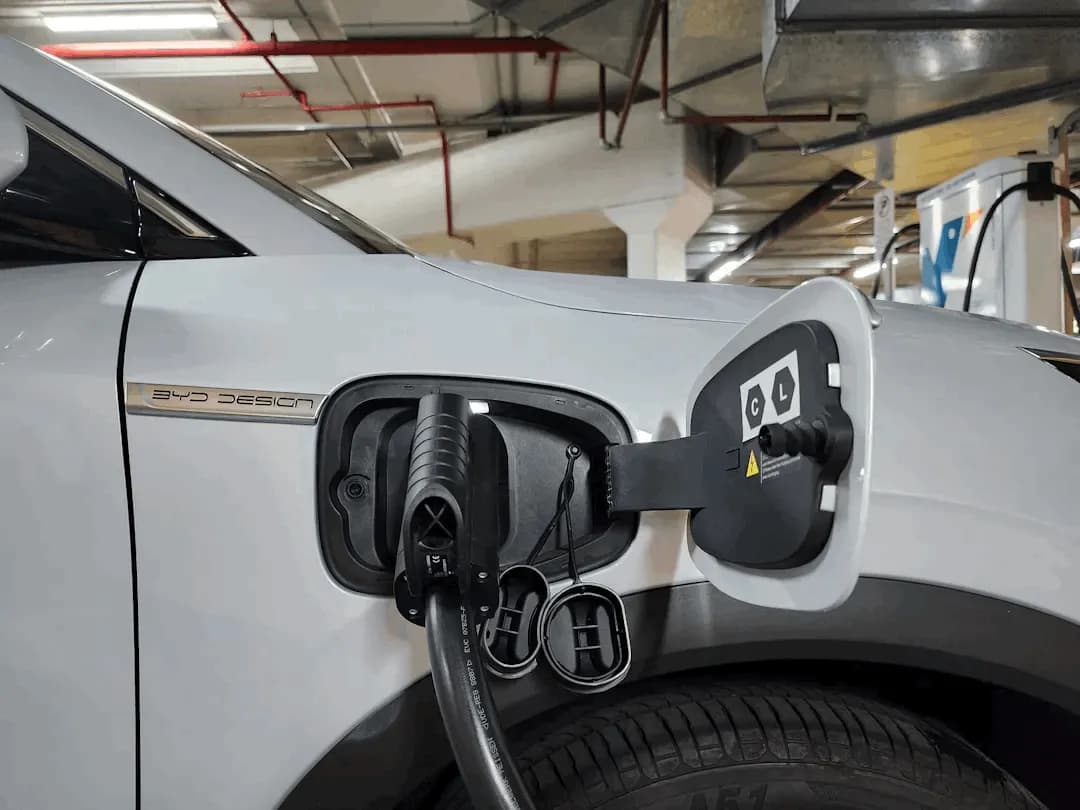
The real distinction between variants is the battery. The Dynamic (Standard Range) carries a 30.08 kWh LFP Blade battery with a claimed 230 km WLTP range, positioning it firmly as a city car for buyers whose daily driving stays within Kathmandu Valley or similar urban loops. The Premium and Premium (Long Range) step up to a 38.88 kWh Blade battery and a claimed 300 km WLTP range, giving meaningfully more breathing room for occasional trips outside town. AC charging tops out at 6.6 kW across the range, and DC fast charging is available at up to roughly 40 kW for quicker top-ups — useful given how thin the fast-charging network still is outside the main cities.
Ride Comfort That Feels More Expensive Than The Price Tag
This is where the Atto 1 quietly earns its keep. The suspension — MacPherson struts up front, a torsion beam at the rear — has been tuned with a maturity that belies the car's size and price, absorbing road imperfections in a way that feels closer to a larger, costlier car than a budget city EV. Given the state of secondary roads across much of Nepal, this matters more here than it might in the markets the Atto 1 was originally engineered for.
Steering is accurate and nicely weighted, giving the driver genuine feedback rather than the numb, over-assisted feel common in cheap small cars. Combined with the short 2,500 mm wheelbase, the Atto 1 is genuinely easy to place in traffic and simple to park in the tight spaces that define Kathmandu's older neighbourhoods and commercial districts. The 175 mm ground clearance, confirmed for the Nepal-spec car, gives it enough breathing room over speed bumps and broken edges of tarmac without feeling like a car that's been artificially jacked up.
A Cabin That's Generous Up Front And Tight Everywhere Else
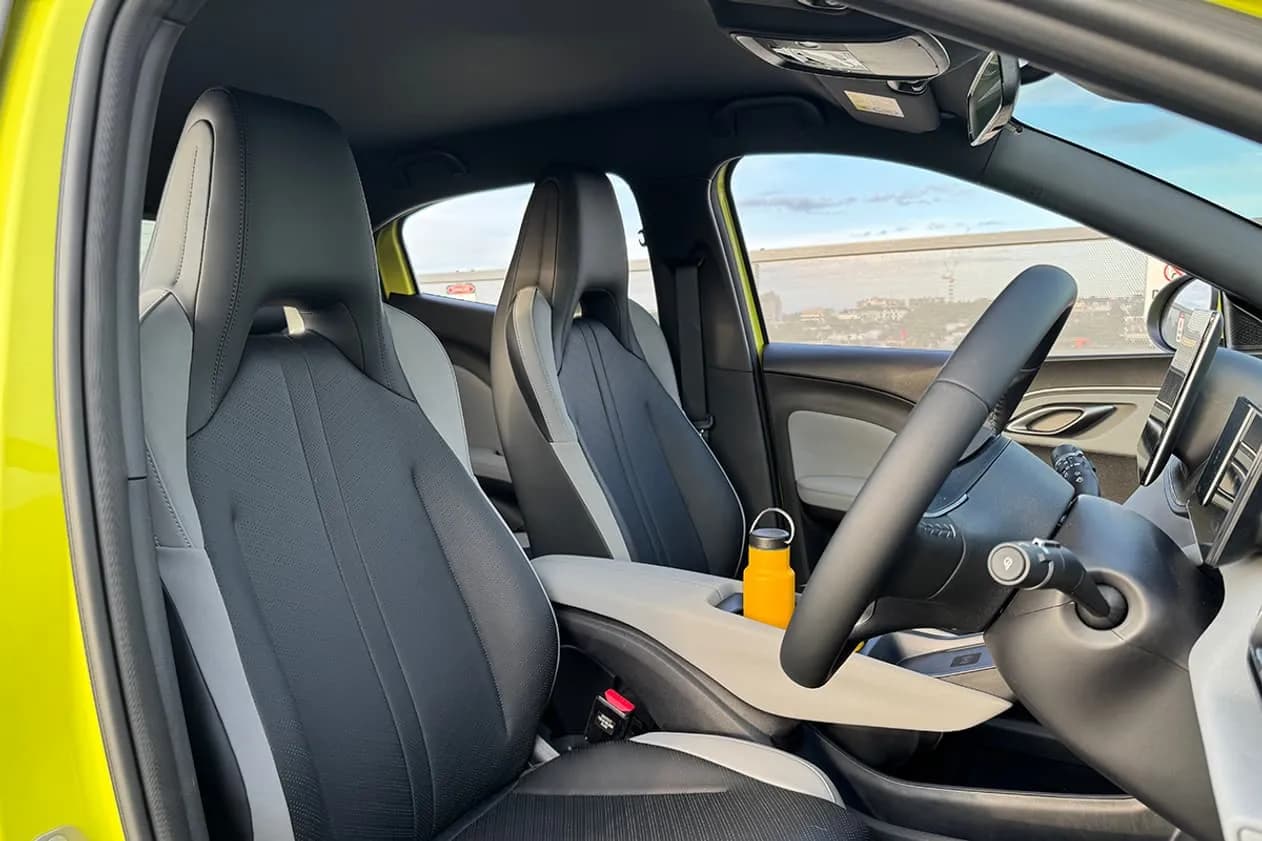
Front-seat comfort is a genuine strength — supportive cushioning, decent under-thigh support, and enough adjustment range on the Premium's power seat to suit a wide range of driver heights. The problem is everything behind the front row. Rear space is limited both by the car's compact overall length and by a cabin that feels dark, with tinted glass and a dark headliner combining to make the back seat feel closed-in rather than airy. This isn't a car that's pretending to seat five in comfort, and buyers who regularly need to carry more than one or two rear passengers should look elsewhere in the lineup.
Six Airbags And A Braking System That Behaves Predictably
Safety equipment includes ventilated front discs and rear discs, hydraulic brake assist, a parking brake deceleration control system, and electric power-assisted steering — a solid, sensibly specified braking and control package for the class. Regenerative braking is tunable, though the more aggressive setting doesn't claw back energy as sharply as some EV drivers might expect, meaning most owners will still use the brake pedal for the bulk of their slowing down, which itself is described as progressive and easy to modulate rather than grabby.
Driver-assistance features on the higher trims include autonomous emergency braking, adaptive cruise control and lane-keep assist — a genuinely strong list for a car at this price point. What's missing is blind-spot monitoring and rear cross-traffic alert, an omission worth noting for anyone planning to use this as a daily city car where lane changes in dense, unpredictable traffic are a constant. Six airbags are fitted, though there's no front-centre airbag between the driver and passenger.
Small Boot, Smart Underfloor Space
At a modest capacity, the boot is the Atto 1's clearest practical compromise, though a 50:50 split-folding rear seat at least allows some flexibility when longer items need to go in. A useful underfloor storage area is well suited to keeping charging cables and a tyre-repair kit out of the way of everyday luggage — a sensible touch given there's no spare wheel. Buyers shouldn't expect a family-sized boot; this is a car for weekly shopping and daily commuting bags, not holiday luggage for four.
What Charging At Home Actually Costs An Owner
With electricity tariffs in Nepal considerably lower than fuel costs per kilometre, the Atto 1's appeal as a running-cost proposition is strong regardless of variant. The Dynamic's smaller 30.08 kWh battery means quicker, cheaper full charges ideal for owners who plug in nightly and never venture far from home; the larger 38.88 kWh pack on the Premium variants trades a slightly longer charge time for the reassurance of the 300 km WLTP range on longer days. AC charging at 6.6 kW means a home wallbox will comfortably top up either battery overnight, and the roughly 40 kW DC fast-charging capability gives a meaningful top-up during a lunch stop where public fast chargers exist.
Picking Between Dynamic, Premium And Premium Long Range
The Dynamic (Standard Range) 2026 Facelift, at Rs 30.75 lakh, is the car for buyers who genuinely only drive within city limits and want the lowest possible entry price into EV ownership, accepting the 15-inch wheels and shorter 230 km range as the trade-off. The Premium, at Rs 33.80 lakh, brings 16-inch alloys, power seats and a stronger equipment list while sharing the same 45 kW motor and battery size as the Dynamic. The Premium (Long Range) 2026 Facelift, at Rs 34.80 lakh, adds the larger 38.88 kWh battery and the 300 km WLTP figure on top of the Premium's equipment — for most buyers weighing the extra Rs 1 lakh over the standard Premium, that additional range is the one upgrade genuinely worth paying for, since it removes the range anxiety that otherwise limits the car to pure city duty.
The MG Comet EV Undercuts It Further On Price
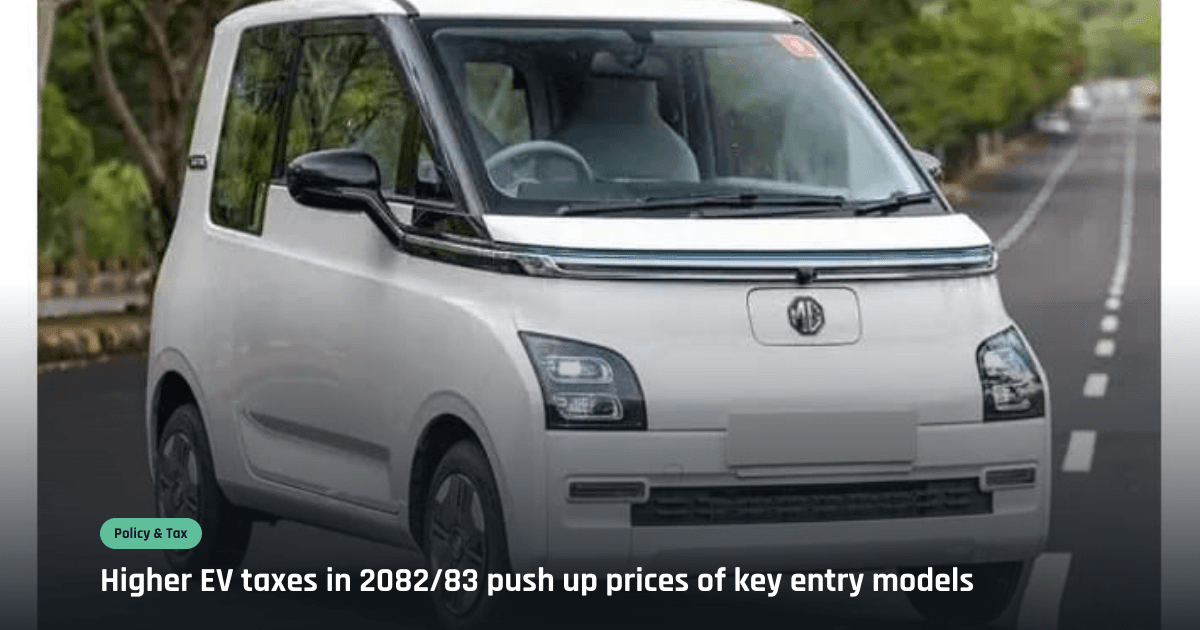
The MG Comet EV is the most direct rival the Atto 1 faces in Nepal on pure affordability, positioned as an even smaller, more stripped-back electric city car. Where the Comet EV wins is upfront cost and sheer manoeuvrability in the tightest urban lanes; where the Atto 1 pulls ahead is in road manners, ride comfort and the more substantial feel of its cabin and safety equipment. Buyers cross-shopping the two should treat the Comet EV as the answer if price is the only concern, and the Atto 1 as the answer if day-to-day comfort and a more complete safety package matter more.
The Citroen eC3 Offers More Space For Similar Money
The Citroen eC3 competes with the Atto 1 from a different angle — it's a more conventionally practical small hatchback-turned-EV with a roomier cabin and boot, aimed at buyers who need to carry more than the Atto 1's rear seat comfortably allows. The eC3 doesn't match the Atto 1's tighter, more composed ride or its sharper steering feel, but for a Nepali family that occasionally needs to fit three people in the back or a proper load of luggage, the eC3's extra practicality is the more decisive factor than the Atto 1's better dynamics.
The Verdict: A Confident First Step Into Electric Ownership
The BYD Atto 1 is not trying to be everything to everyone, and that focus is exactly what makes it work. It's a genuinely well-sorted small EV with a ride quality and steering feel well ahead of its price bracket, a strong safety equipment list for the segment, and — with the Long Range Premium — a battery figure that removes most everyday range anxiety. The trade-offs are consistent and predictable rather than hidden: a small boot, a cramped and dark rear cabin, and touchscreen-dependent controls that ask more of the driver's attention than physical switches would.
This is the right car for a city-based single buyer or couple, a small business wanting an efficient second vehicle, or a family looking for a commuter runabout to complement a larger car already in the garage. It is not the right car for anyone who regularly needs to carry three rear passengers or a boot full of luggage. Within that lane, though, the Atto 1 is one of the most sensible and complete electric vehicles available in Nepal at its price, and the Premium (Long Range) is the variant we'd point most buyers toward.
Writes on vehicle pricing, taxation and the Nepali auto market from ongoing tracking of distributor price lists. Editorial policy.