Start with the numbers
Compare at a glance
Top available variants, with prices in Nepalese rupees. Expand details to choose another variant.
| At a glance | Yamaha FZS FI V3 BS6 | TVS Apache RTR 160 4V |
|---|---|---|
| Ex-showroom price | Rs 4.31 lakh | Rs 4.3 lakh |
| Fuel | Hybrid | Petrol |
| Selected variant | V3 BS6 Deluxe | USD |
Ex-showroom prices exclude registration, road tax and insurance. Specifications can vary by trim. See individual source-check dates ↓
The 150-160cc motorcycle segment in Nepal serves as the primary battleground for riders who want more than a basic commuter but need something manageable for daily work. The Yamaha FZS FI V3 BS6 and the TVS Apache RTR 160 4V represent two distinct philosophies in this space. Yamaha focuses on a smooth, stress-free ownership experience and fuel efficiency. TVS pushes for class-leading power and a heavy feature list. Both brands have established deep roots in the Nepali market through extensive distribution networks and consistent model updates.
Variant Lineup and Pricing in Nepal
Yamaha keeps the FZS lineup simple with a focus on its premium styling. The Yamaha FZS FI V3 BS6 V3 BS6 Deluxe is the flagship trim, priced at Rs 4.31 lakh. It targets riders who want a modern look with the reliability of fuel injection and a BS6-compliant engine.
TVS offers a wider range of price points to capture different types of buyers. The current lineup for the TVS Apache RTR 160 4V starts with the ABS variant and scales up to the high-specification USD model.
- USD: Rs 4.3 lakh
- SE: Rs 4 lakh
- Apache RTR 160 4V ABS: Rs 3.89 lakh
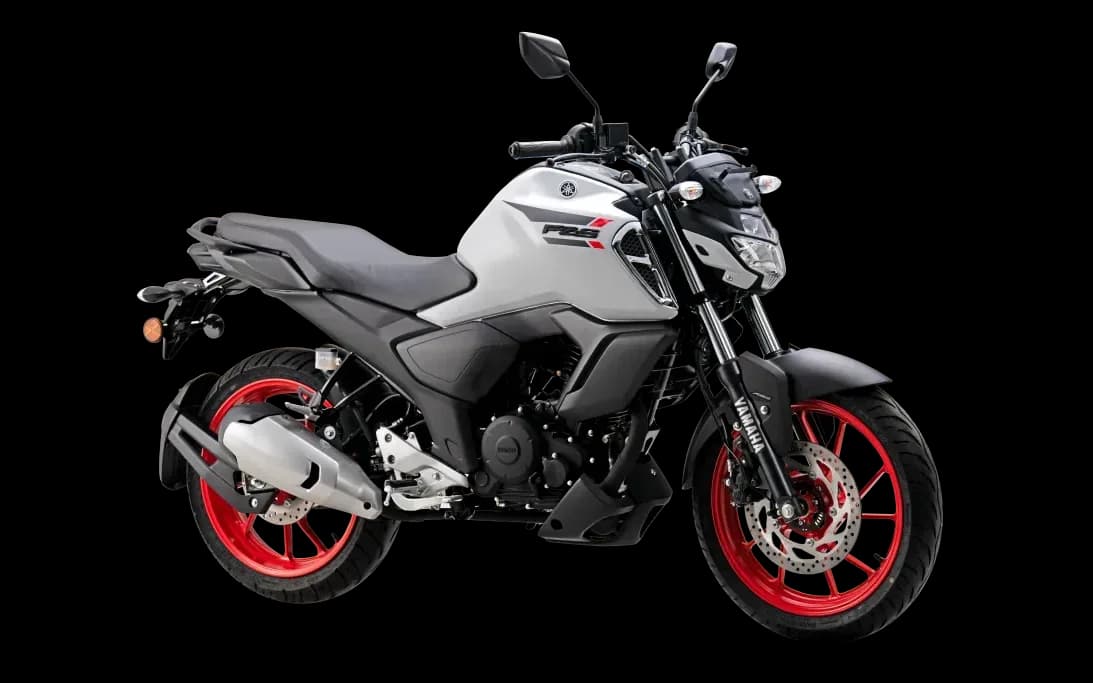
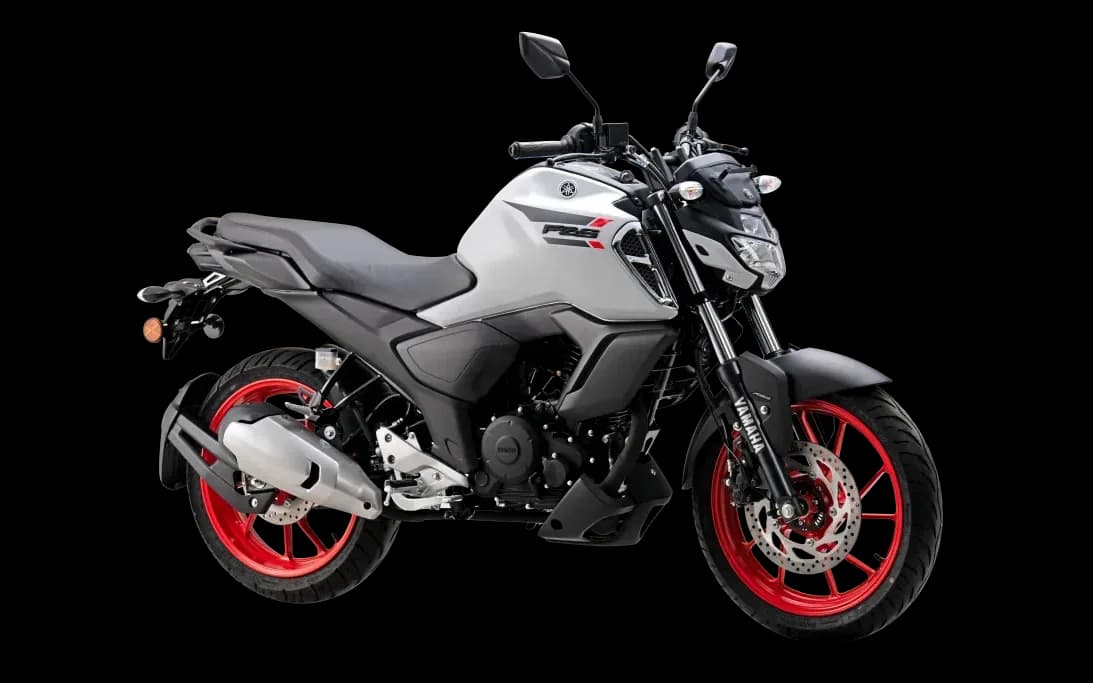
Comparing the top-tier trims, the Yamaha FZS FI V3 BS6 V3 BS6 Deluxe (Rs 4.31 lakh) and the TVS Apache RTR 160 4V USD (Rs 4.30 lakh) sit at almost the same price point. This makes the choice between them a matter of technical preference rather than budget.
Design and Street Presence
Yamaha FZS FI V3 BS6 carries a muscular, front-heavy design that has defined the FZ series for years. The bike uses large fuel tank extensions and a wide rear tyre to look like a much larger machine. It features an LED headlight and a sleek LED tail lamp. The Deluxe trim adds premium color options like Metallic Grey and Navy Blue, along with colored wheels that help it stand out in Kathmandu traffic. The seating is a two-level design with a 16% larger surface area for the pillion, making it one of the better bikes in its class for riding with a passenger.
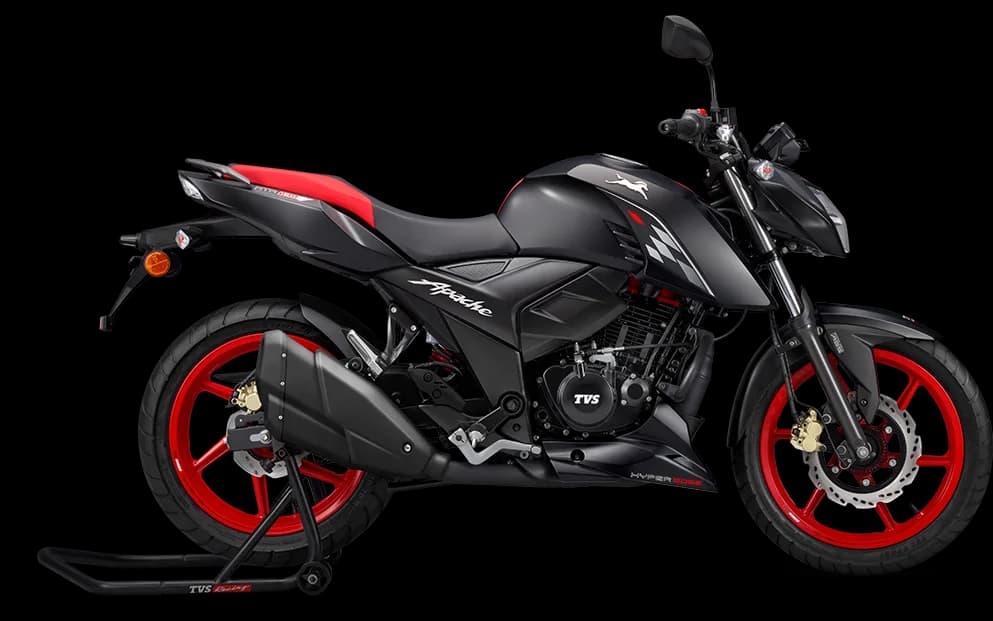
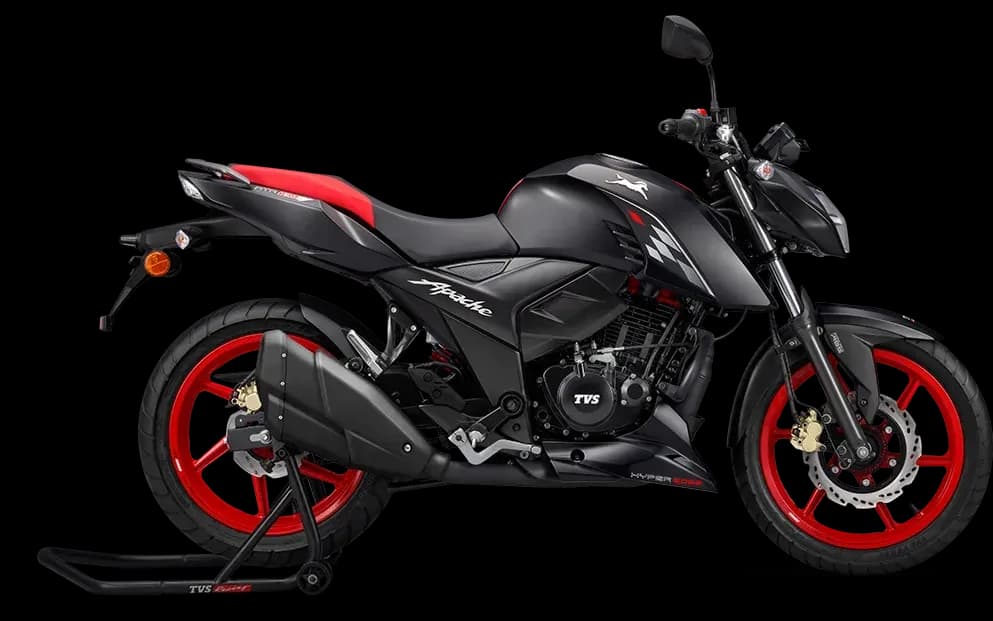
TVS Apache RTR 160 4V follows a sharp, aggressive streetfighter aesthetic. The USD variant is distinguished by its 37 mm upside-down front forks finished in gold, giving it a premium look usually reserved for larger motorcycles. It uses a Class-D projector headlamp with signature LED DRLs that look more modern than the Yamaha unit. The overall profile is slim and athletic. While the Yamaha looks wider and more stable, the Apache looks ready to sprint. The Bullpup exhaust design on the TVS also provides a deeper, more bass-heavy sound compared to the quiet hum of the Yamaha.
Engine Performance and Power Delivery
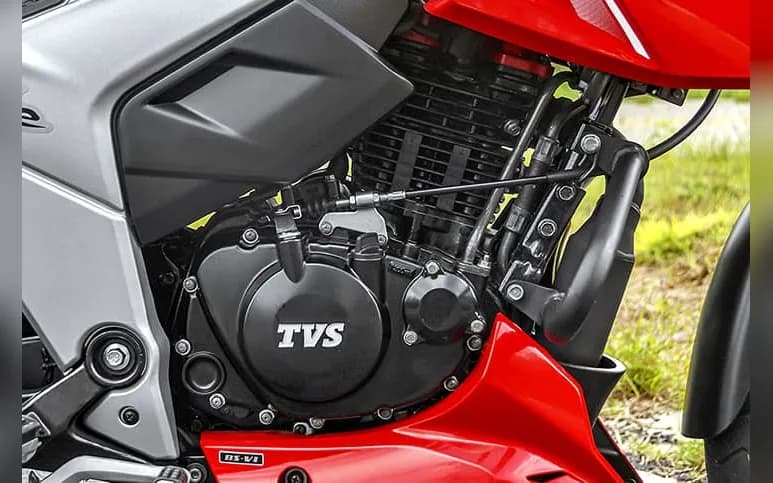
The most significant gap between these two bikes is found in the engine bay. The Yamaha FZS FI V3 BS6 V3 BS6 Deluxe uses a 149 cc air-cooled, SOHC, 2-valve engine. This motor is built for refinement rather than speed. It produces 12.4 PS of power and 13.3 Nm of torque. On the road, this translates to a bike that is incredibly smooth at low to medium speeds. It pulls cleanly from a stop and stays vibrations-free through the city. However, it feels underpowered when you try to maintain high speeds on the highway or make quick overtakes on steep climbs like the Thankot hills.
TVS Apache RTR 160 4V USD is a much more potent machine. Its 159.7 cc oil-cooled, 4-valve engine is the performance leader in this category. In Sport mode, it generates 17.55 PS and 14.73 Nm of torque, a difference of over 5 PS, which is massive for a bike in this weight class. The TVS feels significantly faster in every gear. It has three riding modes: Urban, Rain, and Sport. These modes adjust the power delivery and ABS sensitivity. While the Sport mode offers raw speed, the Urban and Rain modes drop the power to 15.64 PS for safer city riding. The downside to this performance is refinement. You will feel more vibrations through the footpegs and handlebars at high RPMs compared to the Yamaha.
Features and Technology
Both bikes use digital instrument clusters, but the levels of technology differ. Yamaha FZS FI V3 BS6 uses the Y-Connect system. This allows the bike to connect to your smartphone via Bluetooth to track fuel consumption, maintenance intervals, and last parked location. It also features a Traction Control System, which is rare for a bike with only 12.4 PS. This system helps prevent the rear wheel from slipping on gravel or wet Nepali roads. It uses a single-channel ABS for the front wheel.
TVS Apache RTR 160 4V USD comes with a 5-inch TFT display that is more informative and visually striking than the Yamaha screen. It includes SmartXonnect for turn-by-turn navigation, call alerts, and even race telemetry for enthusiasts. Safety is a major selling point for the USD variant, as it comes equipped with Dual Channel ABS and Traction Control. Having ABS on both wheels is a significant advantage on unpredictable road surfaces. The TVS also includes an assist and slipper clutch, which makes the clutch lever lighter and prevents the rear wheel from hopping during aggressive downshifts.
Handling, Comfort, and Ride Quality
The Yamaha FZS FI V3 BS6 is one of the easiest bikes to ride in Nepal. It weighs only 135 kg, making it 11 kg lighter than the top-spec TVS. This lightness makes it effortless to flick through congested traffic or park in tight spaces. The 790 mm seat height is accessible for most riders. The suspension is set up for comfort, with the 7-step adjustable monocross rear suspension soaking up small bumps well. It is a relaxed machine that doesn't demand much effort from the rider.
TVS Apache RTR 160 4V USD is built for better handling precision. The 37 mm USD forks provide much more stability and feedback when cornering or braking hard. With a ground clearance of 180 mm, it is better suited for the rough patches and high speed bumps common in Nepali cities than the 165 mm Yamaha. The seat height is slightly taller at 800 mm. While it is more capable on a winding road, the 146 kg weight and more aggressive riding posture mean it can be slightly more tiring in heavy traffic than the lightweight Yamaha.
After-Sales Support in Nepal
Ownership convenience is high for both brands because they have two of the largest networks in the country. Yamaha, distributed by MAW Rides, has 244 showrooms across Nepal and 90 service centres for maintenance. They are known for high build quality and reliable parts availability.
TVS is distributed by Jagdamba Motors and has an even larger footprint with 299 showrooms and 55 service centres. While the TVS network is wider, there are occasional reports of inconsistent service quality at some smaller centers. However, the sheer number of workshops means you are rarely far from help if you encounter a problem on a long ride.
Practicality and Running Costs
Yamaha typically wins on fuel costs. While both brands report a claimed mileage of 45 km/l, the Yamaha engine is tuned for efficiency and usually delivers better real-world figures in city conditions. It also has a larger 13 L fuel tank compared to the 12 L tank on the TVS. For the daily commuter who wants to visit the petrol pump less often, the Yamaha is the logical choice.
The TVS is more practical in terms of terrain. The extra ground clearance and significantly higher torque make it much better for carrying a pillion up hills or navigating the broken roads often found on the outskirts of the Kathmandu valley. The TVS also offers a longer warranty on its base models (5 years), though the USD variant is covered for 2 years or 30,000 km.
Verdict
The choice between these two depends on what you want your daily ride to feel like.
Choose the Yamaha FZS FI V3 BS6 V3 BS6 Deluxe if you want a refined, lightweight, and incredibly smooth machine. It is the better choice for beginners or those who primarily ride in heavy city traffic and value fuel economy over high-speed performance. It is a "set it and forget it" bike that provides a stress-free experience.
Choose the TVS Apache RTR 160 4V USD if you want the best performance and technology available for under Rs 4.5 lakh. It offers much more power, better suspension with the USD forks, and superior safety with dual-channel ABS. It is the bike for the enthusiast who occasionally takes longer trips and wants a machine that can handle highways and hills with confidence, even if it means dealing with some engine vibrations at high speeds.
Compare Yamaha FZS FI V3 BS6 vs TVS Apache RTR 160 4V variant by variant
Explore full specifications, variants & ownership context
Compare the exact variants
Specifications, features & ownership context
Choose a variant for each vehicle. The facts below follow that exact trim; the article explains the trade-offs.
Latest catalog and directory records supplement the original analysis. Figures may have changed since publication; individual specification and price-check dates appear below.
Yamaha FZS FI V3 BS6
Rs 4.31 lakh ex-showroom · source checked 26 Oct 2026
TVS Apache RTR 160 4V
Rs 4.3 lakh ex-showroom · source checked 27 Oct 2026
Engine & performance
| Specification / feature | Yamaha FZS FI V3 BS6 | TVS Apache RTR 160 4V |
|---|---|---|
| Engine displacement | 149 ccVerified specification · 12 Oct 2026 | 159.7 ccVerified specification · 24 Oct 2026 |
| Max power | 12.4 PSVerified specification · 12 Oct 2026 | 17.55 PSVerified specification · 25 Oct 2026 |
Brakes, tyres & suspension
| Specification / feature | Yamaha FZS FI V3 BS6 | TVS Apache RTR 160 4V |
|---|---|---|
| ABS | ABSVerified specification · 12 Oct 2026 | ABSVerified specification · 21 Oct 2026 |
Dimensions & weight
| Specification / feature | Yamaha FZS FI V3 BS6 | TVS Apache RTR 160 4V |
|---|---|---|
| Ground clearance | 165 mmVerified specification · 12 Oct 2026 | 180 mmVerified specification · 21 Oct 2026 |
Yamaha FZS FI V3 BS6
Showroom & service support
Distributor: MAW Rides Pvt. Ltd. (Yamaha Nepal)
244 listed brand showrooms · 90 listed brand service locations
Listed cities include Aanbu Khaireni, Attariya, Baglung, Baletaksar, Banepa, Bankasiya and 99 more.
Brand-wide directory coverage. Confirm that your nearest workshop supports this exact model, powertrain and warranty work; ask about parts availability and booking time.
Market buzz & buyer priorities
Compiled discussion, including buyer reactions and ownership reports; this is not a verified owner survey or a reliability score. Research dated 13 Oct 2026.
Concerns to investigate
- Confusion about BS6 compliance in Nepal
- FZ V2 discontinued in India but still sold in Nepal
TVS Apache RTR 160 4V
Showroom & service support
Distributor: Jagdamba Motors Pvt. Ltd. (TVS Nepal)
299 listed brand showrooms · 55 listed brand service locations
Listed cities include Attariya, Baglung, Balkumari, BALKUMARI, Banepa, Bansgadhi and 110 more.
Brand-wide directory coverage. Confirm that your nearest workshop supports this exact model, powertrain and warranty work; ask about parts availability and booking time.
Market buzz & buyer priorities
Compiled discussion, including buyer reactions and ownership reports; this is not a verified owner survey or a reliability score. Research dated 30 Sept 2026.
What people like
- Excellent engine performance and smooth power delivery
- Effective dual-channel ABS for better control
- Comfortable suspension setup for varied road conditions
Concerns to investigate
- Inconsistent service quality and parts availability
- Engine heating issues reported during long rides
What buyers ask for
- Service center network and maintenance costs
Nepal ownership context
- Buyers frequently weigh the bike's performance against the challenges of Nepal's hilly terrain and road conditions.
- Service center accessibility and the cost of spare parts are primary concerns for long-term ownership in Nepal.
- Resale value remains a key consideration for Nepali buyers in the 160cc segment.
More feedback
- The Special Edition and FI ABS versions sit near the upper end of the Nepal price range and are mainly considered by buyers who prioritise features, braking equipment and styling.
- Nepali buyers compare the motorcycle against local road conditions, city traffic, occasional rough roads, service access and resale demand rather than relying only on Indian specifications.
- Showroom discounting is a live buying consideration, with recent Nepali discussions mentioning cash discounts and Dashain-period offers.
Use these facts alongside the article’s full analysis. Check the final quotation, warranty terms and exact equipment before booking.
Evidence & next steps
Check the details before you buy
Use this guide to build a shortlist. Ask for a written quotation for your chosen variant, including registration, taxes, insurance, finance charges and any charger installation. Confirm the nearest authorised workshop supports that model.
Price sources and dates
These are the recorded distributor-source checks for the selected overview trims. They are separate from the article update and catalog read dates; they do not mean every trim was rechecked today. Confirm the final price with the distributor.
Overview photos come from the corresponding model records; additional article photos carry their own credits. Running costs depend on usage, energy prices, maintenance, insurance and resale value.