Start with the numbers
Compare at a glance
Top available variants, with prices in Nepalese rupees. Expand details to choose another variant.
| At a glance | Yamaha FZ FI V2 | TVS Apache RTR 160 4V |
|---|---|---|
| Ex-showroom price | Rs 3.67 lakh | Rs 4.3 lakh |
| Fuel | Petrol | Petrol |
| Selected variant | FZ FI V2 Front Disc | USD |
Ex-showroom prices exclude registration, road tax and insurance. Specifications can vary by trim. See individual source-check dates ↓
Choosing a 150cc-class motorcycle in Nepal involves a struggle between two very different philosophies. On one side sits the Yamaha FZ FI V2, a machine that has defined the street-naked category through three generations but now serves as the entry point for those seeking refined, predictable commuting. On the other side is the TVS Apache RTR 160 4V, a bike that has undergone constant evolution to become the most powerful and tech-heavy offering in its displacement bracket. For a buyer in Kathmandu or Pokhara, the decision usually comes down to whether they want a tool that never complains or a toy that never bores.
Market Presence and Network Strength
Both brands have established massive footprints across the country. Yamaha, distributed by MAW Rides, has built its reputation on the reliability of the Blue Core engines. They currently support riders through 244 showrooms and 90 service centres. This network is particularly strong in urban centers like Lalitpur and Bharatpur, where the FZ series remains a staple for office goers and university students.
TVS, under Jagdamba Motors, has taken a more aggressive expansion route. They operate 299 showrooms across Nepal with 55 service centres to handle maintenance. While TVS has more showrooms, Yamaha has a slightly larger service presence in specific regional hubs like Birgunj and Birtamode. This network scale is critical for buyers who plan to take these bikes on long-distance trips along the East-West highway or up to the hills where parts availability can make or break an ownership experience.
Design and Street Presence
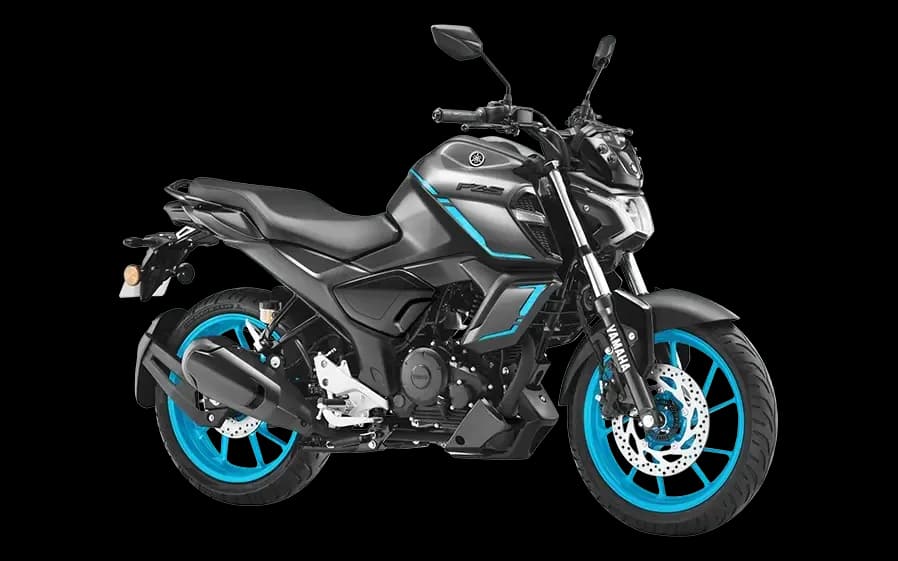
The Yamaha FZ FI V2 Front Disc (Rs 3.67 lakh) sticks to its muscular roots. It features the signature 'macho' fuel tank and the 140mm wide rear radial tyre that made the original FZ famous. The design is functional and aging gracefully, though it feels small compared to modern rivals. It uses a basic LED headlight and a negative LCD instrument cluster that provides the essentials: speed, tachometer, and fuel gauge. It is a bike that blends into traffic rather than demanding attention.
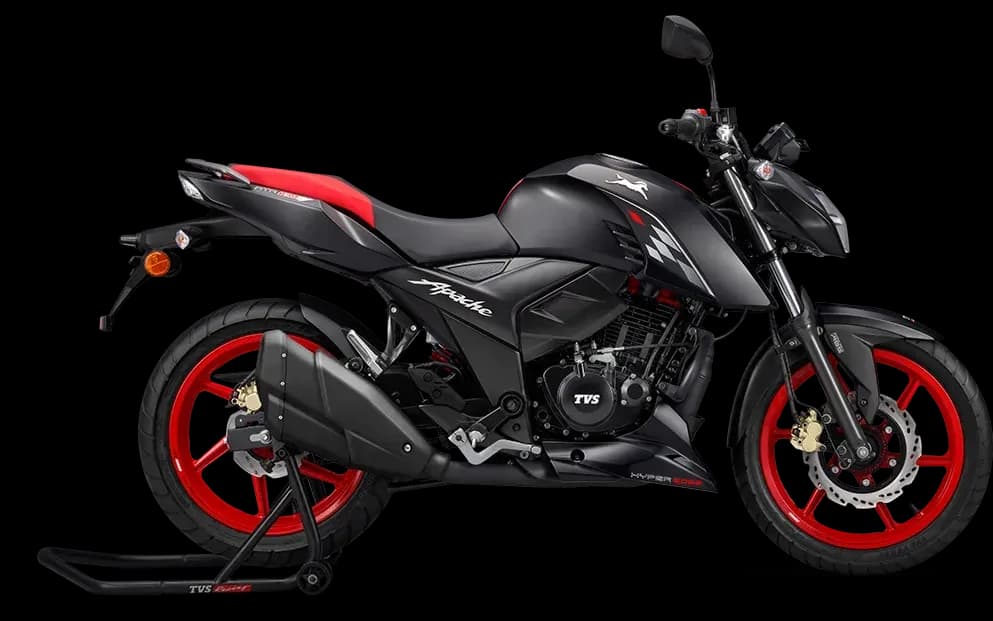
In contrast, the TVS Apache RTR 160 4V USD (Rs 4.30 lakh) is designed to look fast even when parked. The addition of 37mm gold-finished Upside Down (USD) forks gives it a premium, aggressive stance that the Yamaha cannot match. The front is dominated by a Class-D projector headlamp with signature LED DRLs. The bodywork is sharper, featuring a bullpup exhaust design that sounds significantly throatier than the Yamaha's midship muffler. While the FZ prioritizes a clean, understated look, the Apache is all about racing aesthetics and sharp lines.
Performance: The 5-Horsepower Gap
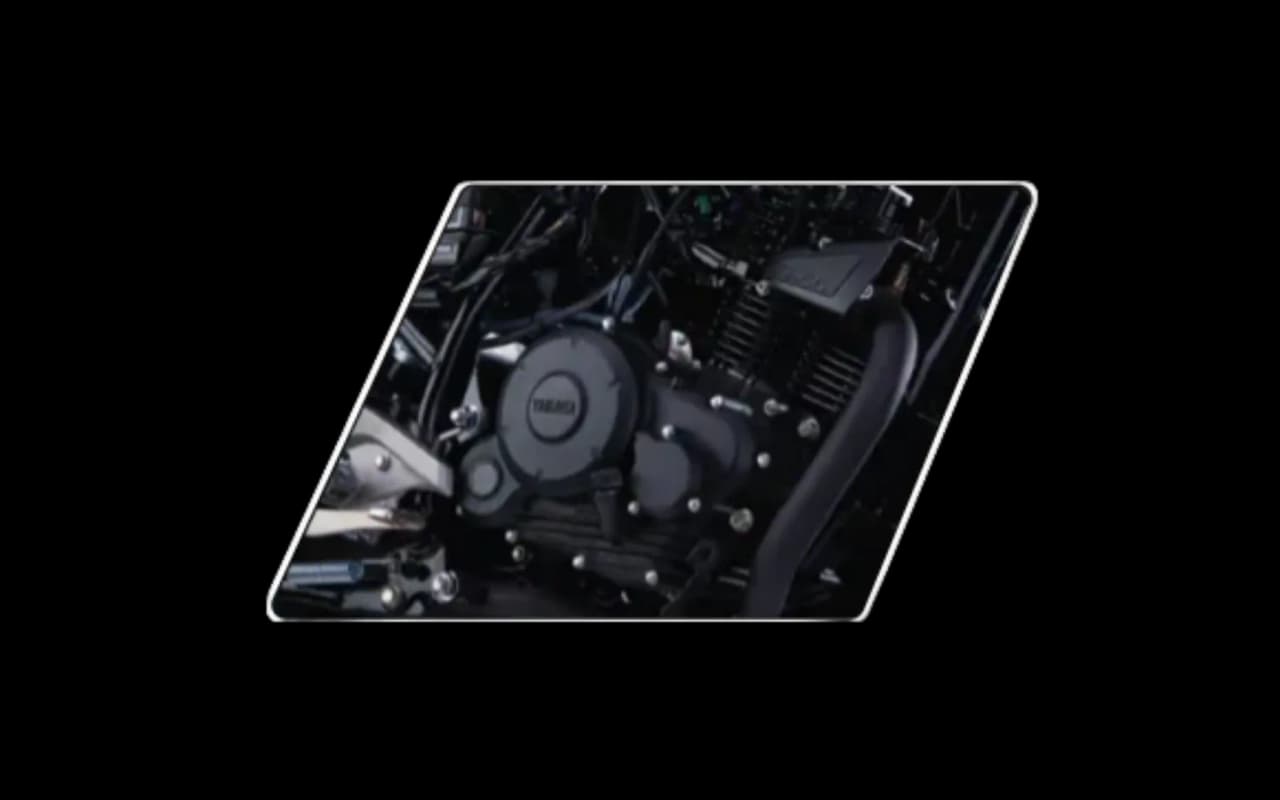
This is where the two bikes diverge most sharply. The Yamaha FZ FI V2 uses a 149 cc air-cooled, 2-valve engine. It produces 12.4 PS of power and 12.8 Nm of torque. These figures are modest. In fact, they are among the lowest in the 150cc segment. The focus here is on low-end torque and fuel efficiency rather than top-end speed. The power delivery is linear and smooth, making it very easy for beginners to handle in heavy traffic. However, riders will notice a power lag when trying to overtake on highways or when climbing steep inclines with a pillion.
The TVS Apache RTR 160 4V USD is a different beast entirely. Its 159.7 cc oil-cooled engine uses 4-valve technology to churn out 17.55 PS and 14.73 Nm of torque in Sport mode. That is a massive 5 PS advantage over the Yamaha. This difference is felt immediately. The Apache pulls harder from every gear and reaches a top speed of 114 km/h (Sport mode) with ease. It also features three riding modes—Sport, Urban, and Rain—which adjust power delivery and ABS intervention. The Yamaha offers no such customization. For the rider who enjoys a spirited weekend ride through the curves of the BP Highway, the Apache is the clear winner on paper and on the road.
Tech, Features, and Ergonomics
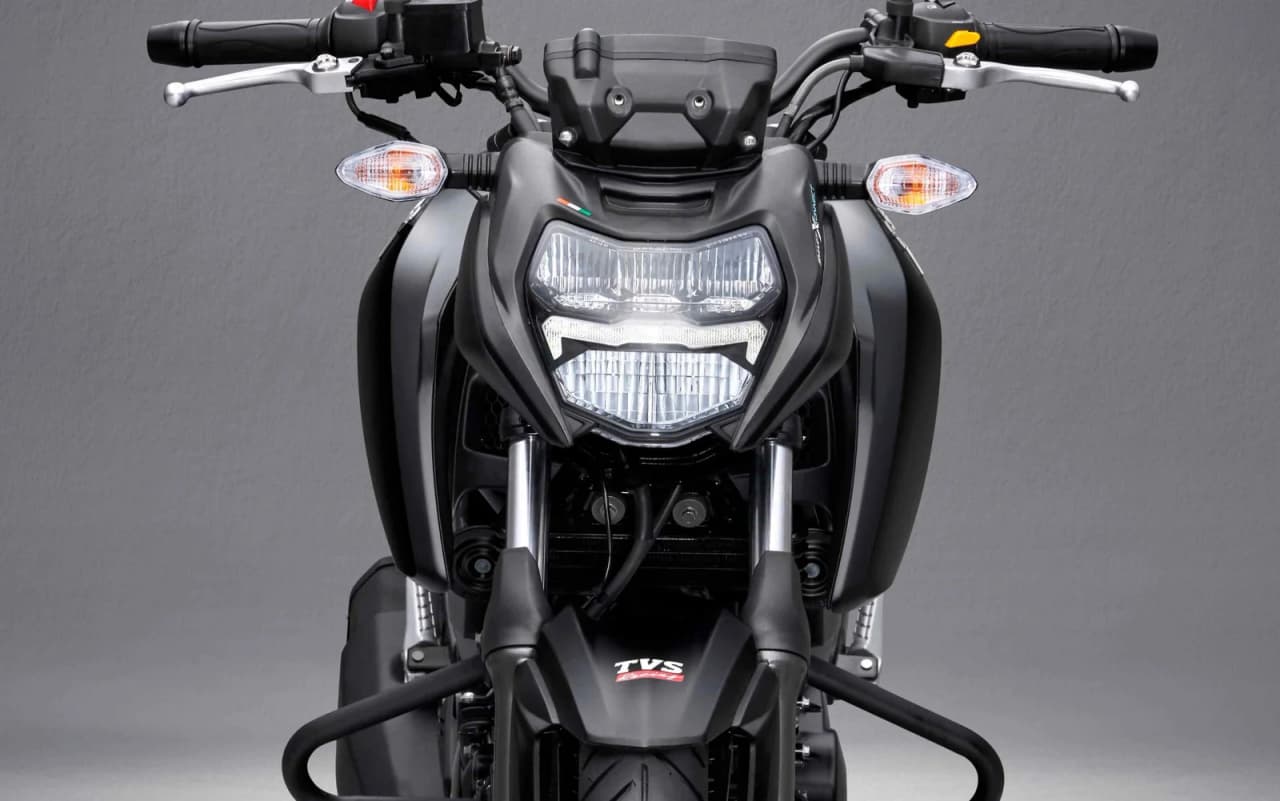
Technology is a major selling point for the TVS Apache RTR 160 4V. The top-spec USD variant comes with a 5-inch TFT display, Bluetooth connectivity via the SmartXConnect system, turn-by-turn navigation, and even traction control. These are features usually reserved for 250cc or 400cc bikes. It also includes an assist and slipper clutch, which prevents rear-wheel hop during aggressive downshifts.
The Yamaha FZ FI V2 is almost spartan by comparison. It lacks Bluetooth, navigation, and riding modes. Its only real modern safety feature beyond ABS is the side-stand engine cut-off switch. However, the Yamaha wins on simplicity and weight. At 135 kg, it is 11 kg lighter than the 146 kg Apache. This lightness, combined with a lower seat height of 790 mm (compared to the Apache's 800 mm), makes it much more manageable for shorter riders or those who find heavy bikes intimidating in parking lots.
Handling and Ride Comfort
Nepal's roads are rarely perfect, and ground clearance is a major factor for local buyers. The TVS Apache RTR 160 4V offers 180 mm of ground clearance, which is significantly better than the 165 mm on the Yamaha FZ FI V2. This makes the TVS much less likely to scrape its underbelly on the tall, non-standard speed breakers found in many residential areas of Kathmandu.
The ride quality on the FZ is tuned for comfort. Its 7-step adjustable monocross suspension is soft and absorbs bumps well. The wide rear tyre provides excellent stability. The Apache, particularly in the USD variant, has a firmer, more communicative setup. The 37mm USD forks offer better front-end feel and cornering precision, but you will feel more of the road's imperfections. The Apache is also known to produce some vibrations at high RPMs, whereas the Yamaha remains smooth almost all the way to its redline.
Warranty and After-Sales Support
Warranty terms differ significantly between these models and their specific variants. Yamaha offers a 2-year or 30,000 km manufacturing defect warranty for the FZ FI V2. This is a standard package that requires strict adherence to their service schedule of 6 free and 5 paid services at authorized dealers. The battery has its own 1-year or 10,000 km coverage.
TVS generally offers a more generous 5-year or 60,000 km warranty on its motorcycles. However, there is a catch for those eyeing the top-spec model. The TVS Apache RTR 160 4V USD specifically comes with a shorter 2-year or 30,000 km warranty, matching the Yamaha. If long-term warranty coverage is your priority, the mid-range Apache RTR 160 4V SE (Rs 4 lakh) or the base ABS variant (Rs 3.89 lakh) provide the longer 5-year peace of mind that the USD variant does not.
Variant Comparison and Pricing
The price gap between the entry-level FZ and the top-end Apache is substantial.
| Brand & Model | Variant | Price | Key Feature Difference |
|---|---|---|---|
| TVS Apache RTR 160 4V | USD | Rs 4.30 lakh | USD Forks, TFT Display, Traction Control, Dual ABS |
| TVS Apache RTR 160 4V | SE | Rs 4.00 lakh | Dual ABS, Bullpup Exhaust, Standard Forks |
| TVS Apache RTR 160 4V | ABS | Rs 3.89 lakh | Single Channel ABS, Drum Rear, Digital Console |
| Yamaha FZ FI V2 | Front Disc | Rs 3.67 lakh | 149cc Engine, 135kg Weight, Negative LCD |
The Yamaha FZ FI V2 Front Disc is the most affordable entry here. It costs Rs 22,000 less than the cheapest Apache variant. For a budget-conscious buyer, that saving covers more than a year of fuel or several years of servicing.
Verdict
The choice between these two bikes is a choice between the head and the heart. The Yamaha FZ FI V2 is for the pragmatic buyer. If you want a bike that is easy to ride, lightweight, and holds its resale value exceptionally well in the Nepali market, the FZ is the right pick. It offers a claimed 50 km/l mileage, which is superior to the Apache's reported 45 km/l. It is the "safe" choice for a daily commute where reliability matters more than racing.
The TVS Apache RTR 160 4V is for the rider who wants more than just a commute. It offers vastly superior power, better tech, and modern suspension. The USD variant, despite the higher price and shorter warranty, is the most feature-complete 160cc bike in Nepal. You should choose the Apache if your daily route involves steep hills or if you simply enjoy the thrill of a 17.55 PS engine. The key limitation for the Apache remains the noticeable engine vibrations at high speeds and the slightly higher maintenance frequency required to keep its sophisticated electronics in check.
Compare Yamaha FZ FI V2 vs TVS Apache RTR 160 4V variant by variant
Explore full specifications, variants & ownership context
Compare the exact variants
Specifications, features & ownership context
Choose a variant for each vehicle. The facts below follow that exact trim; the article explains the trade-offs.
Latest catalog and directory records supplement the original analysis. Figures may have changed since publication; individual specification and price-check dates appear below.
Yamaha FZ FI V2
Rs 3.67 lakh ex-showroom · source checked 26 Oct 2026
TVS Apache RTR 160 4V
Rs 4.3 lakh ex-showroom · source checked 27 Oct 2026
Engine & performance
| Specification / feature | Yamaha FZ FI V2 | TVS Apache RTR 160 4V |
|---|---|---|
| Engine displacement | 149 ccVerified specification · 21 Aug 2026 | 159.7 ccVerified specification · 24 Oct 2026 |
| Max power | 12.4 PSVerified specification · 21 Aug 2026 | 17.55 PSVerified specification · 25 Oct 2026 |
Brakes, tyres & suspension
| Specification / feature | Yamaha FZ FI V2 | TVS Apache RTR 160 4V |
|---|---|---|
| ABS | ABSVerified specification · 21 Aug 2026 | ABSVerified specification · 21 Oct 2026 |
Dimensions & weight
| Specification / feature | Yamaha FZ FI V2 | TVS Apache RTR 160 4V |
|---|---|---|
| Ground clearance | 165 mmVerified specification · 21 Aug 2026 | 180 mmVerified specification · 21 Oct 2026 |
Yamaha FZ FI V2
Showroom & service support
Distributor: MAW Rides Pvt. Ltd. (Yamaha Nepal)
244 listed brand showrooms · 90 listed brand service locations
Listed cities include Aanbu Khaireni, Attariya, Baglung, Baletaksar, Banepa, Bankasiya and 99 more.
Brand-wide directory coverage. Confirm that your nearest workshop supports this exact model, powertrain and warranty work; ask about parts availability and booking time.
Market buzz & buyer priorities
Compiled discussion, including buyer reactions and ownership reports; this is not a verified owner survey or a reliability score. Research dated 9 Oct 2026.
Concerns to investigate
- Lacks modern features like ABS and LED headlights
- High cost of parts compared to competitors
TVS Apache RTR 160 4V
Showroom & service support
Distributor: Jagdamba Motors Pvt. Ltd. (TVS Nepal)
299 listed brand showrooms · 55 listed brand service locations
Listed cities include Attariya, Baglung, Balkumari, BALKUMARI, Banepa, Bansgadhi and 110 more.
Brand-wide directory coverage. Confirm that your nearest workshop supports this exact model, powertrain and warranty work; ask about parts availability and booking time.
Market buzz & buyer priorities
Compiled discussion, including buyer reactions and ownership reports; this is not a verified owner survey or a reliability score. Research dated 30 Sept 2026.
What people like
- Excellent engine performance and smooth power delivery
- Effective dual-channel ABS for better control
- Comfortable suspension setup for varied road conditions
Concerns to investigate
- Inconsistent service quality and parts availability
- Engine heating issues reported during long rides
What buyers ask for
- Service center network and maintenance costs
Nepal ownership context
- Buyers frequently weigh the bike's performance against the challenges of Nepal's hilly terrain and road conditions.
- Service center accessibility and the cost of spare parts are primary concerns for long-term ownership in Nepal.
- Resale value remains a key consideration for Nepali buyers in the 160cc segment.
More feedback
- The Special Edition and FI ABS versions sit near the upper end of the Nepal price range and are mainly considered by buyers who prioritise features, braking equipment and styling.
- Nepali buyers compare the motorcycle against local road conditions, city traffic, occasional rough roads, service access and resale demand rather than relying only on Indian specifications.
- Showroom discounting is a live buying consideration, with recent Nepali discussions mentioning cash discounts and Dashain-period offers.
Use these facts alongside the article’s full analysis. Check the final quotation, warranty terms and exact equipment before booking.
Evidence & next steps
Check the details before you buy
Use this guide to build a shortlist. Ask for a written quotation for your chosen variant, including registration, taxes, insurance and finance charges. Confirm the nearest authorised workshop supports that model.
Price sources and dates
These are the recorded distributor-source checks for the selected overview trims. They are separate from the article update and catalog read dates; they do not mean every trim was rechecked today. Confirm the final price with the distributor.
Overview photos come from the corresponding model records; additional article photos carry their own credits. Running costs depend on usage, energy prices, maintenance, insurance and resale value.