Where it sits in the Nepali market
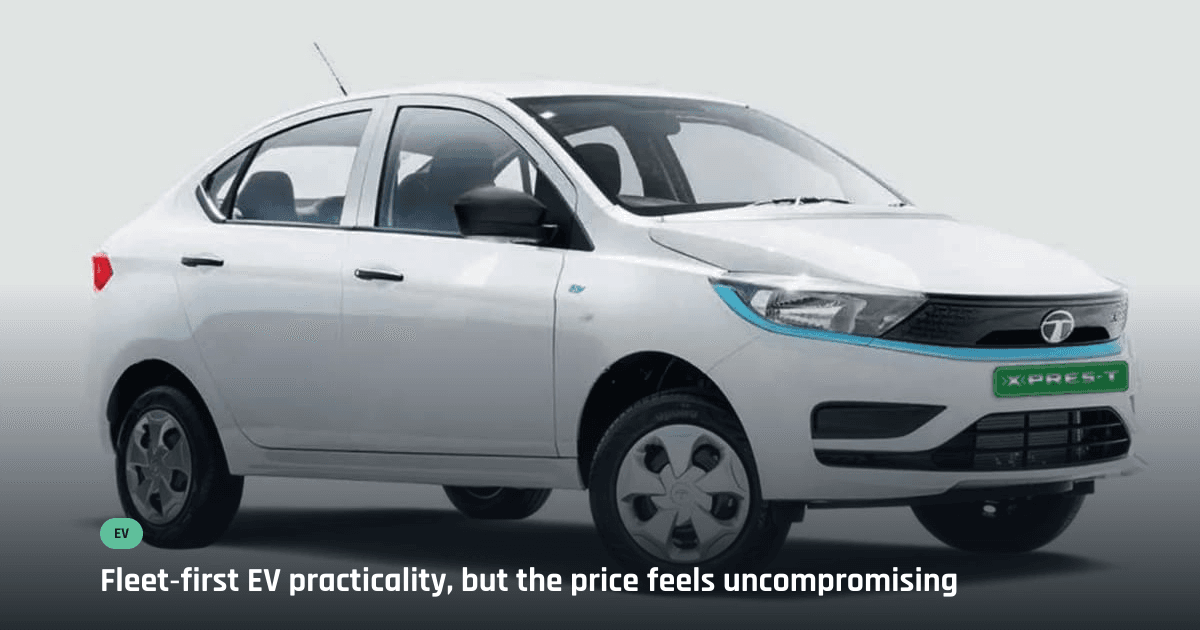
The XPRES-T EV is a niche electric sedan in Nepal’s market. It is aimed more at fleet operators, corporate transport and buyers who want predictable running costs than private owners shopping for a feature-rich family EV. At Rs 38.49 lakh, it sits at the expensive end of the scale for what is, in essence, a purpose-built electric sedan rather than a mainstream all-rounder.
That price changes the conversation. In a market where buyers often cross-shop compact EVs, small crossovers and premium Chinese imports, the XPRES-T EV’s appeal is not about looking luxurious or carrying the most technology. It is about whether a simple, durable, sedan-shaped EV can justify its ask through daily use, low energy cost and straightforward ownership.
Looks, design and build
The XPRES-T EV does not try to look dramatic. Its shape is familiar and conservative, which is exactly what many fleet buyers prefer. The sedan body gives it a more formal, corporate-friendly presence than many compact EVs. The design also avoids the visual clutter that often ages quickly on cheaper electric cars.
It is not a car that wins hearts with flair. The styling reads as functional first and fashionable second. From a showroom-floor standpoint, that can be an advantage. It looks like a car meant to work hard, not impress at a café parking lot.
Build quality is where Tata’s EVs traditionally earn respect, and the XPRES-T EV benefits from that reputation in broad market perception. The cabin and body do not feel especially premium. Still, the overall impression is of a car built to survive repetitive urban use, not one chasing soft-touch theatrics.
Features and equipment
The XPRES-T EV’s equipment story is best understood through its job description. It is not loaded like a premium private EV, and that is part of the point. The spec sheet is aimed at fleet use rather than segment-leading luxury.
What matters here is the basics: - Electric sedan layout with a practical boot and usable rear seat space - Single-motor EV simplicity, which usually means fewer moving parts to worry about - Home and fast-charging compatibility, making it suitable for predictable charging routines - Fleet-oriented cabin specification, rather than a gadget-heavy feature list
In a review like this, the absence of a long feature catalogue is itself telling. The XPRES-T EV is not trying to compete on screens, voice assistants or novelty tech. Buyers drawn to it are usually more concerned with uptime, ease of use and day-to-day operating economics.
Motor, battery and performance
The verified Nepal figure available to us is the Rs 38.49 lakh ex-showroom price. Other hard technical figures are not officially disclosed in the data provided here, so they should not be guessed.
From the broader model profile, the XPRES-T EV is known as an electric sedan intended for urban duty rather than long-distance enthusiasm. Its performance character is expected to be calm, smooth and adequate rather than quick or engaging. In real fleet use, that usually translates to decent low-speed response, easy stop-start driving and a generally relaxed power delivery.
This is the kind of EV where the motor’s job is not to thrill. It is there to keep schedules moving. For that purpose, an electric drivetrain is naturally a strong fit. Quiet operation, simple controls and consistent acceleration help make city traffic less tiring.
Ride, handling and comfort
The XPRES-T EV’s strongest dynamic case is likely to be urban comfort. A sedan body generally helps with rear-seat packaging and a more settled ride than very short hatchbacks or tall, lightly sprung crossovers. For passengers, that can matter more than outright cornering ability.
Handling is not the headline attraction. This is a car to be driven steadily, not enthusiastically. Buyers looking for sharp steering response or an especially polished chassis feel will probably find better options elsewhere. The XPRES-T EV’s natural habitat is predictable city driving, airport runs and repeated daily duty.
Comfort should be judged in that context. If the suspension tuning is aimed at absorbing bad city surfaces and keeping passengers unbothered, that is the right brief. The trade-off is that the car is unlikely to feel particularly agile or polished at highway speeds compared with more modern private-buyer EVs.
Practicality and running costs
Practicality is the XPRES-T EV’s core argument. A sedan boot, four-door layout and electric powertrain make it well suited to workhorse roles where luggage space, passenger dignity and low noise all matter.
The bigger ownership appeal is running cost. Even without claiming precise figures that are not in the verified Nepal data, the logic of this car is clear. Electricity is generally cheaper than fuel on a per-kilometre basis, and an EV’s mechanical simplicity can reduce routine maintenance complexity. For a high-usage buyer, that can outweigh a higher entry price over time.
The flip side is charging discipline. An EV like this suits owners who can charge at home, at a depot or at a fixed operating base. If a buyer depends on public charging alone, convenience can become the limiting factor rather than the car itself.
Price, variants and which one to pick
The only verified Nepal figure provided for this review is the ex-showroom price of Rs 38.49 lakh. Variant-wise pricing is not officially disclosed in the data we were given, so it would be wrong to invent a trim ladder or recommend a specific grade by name.
That makes the buying decision simpler in one sense and harder in another. If the Nepal market offering is limited, buyers are really choosing whether they want the XPRES-T EV’s particular combination of sedan practicality and fleet-oriented EV ownership at all.
If you are evaluating it as a procurement vehicle, the key questions are: - Can the vehicle be charged reliably every day? - Will its sedan format suit the people it will carry most often? - Does the fleet budget tolerate the listed price comfortably? - Is the buyer prioritising uptime and operating cost over feature richness?
For a private buyer, the answer will usually depend on whether the XPRES-T EV’s no-nonsense character outweighs the temptation of more modern, better-equipped EV alternatives at similar money.
How it compares with real rivals in Nepal
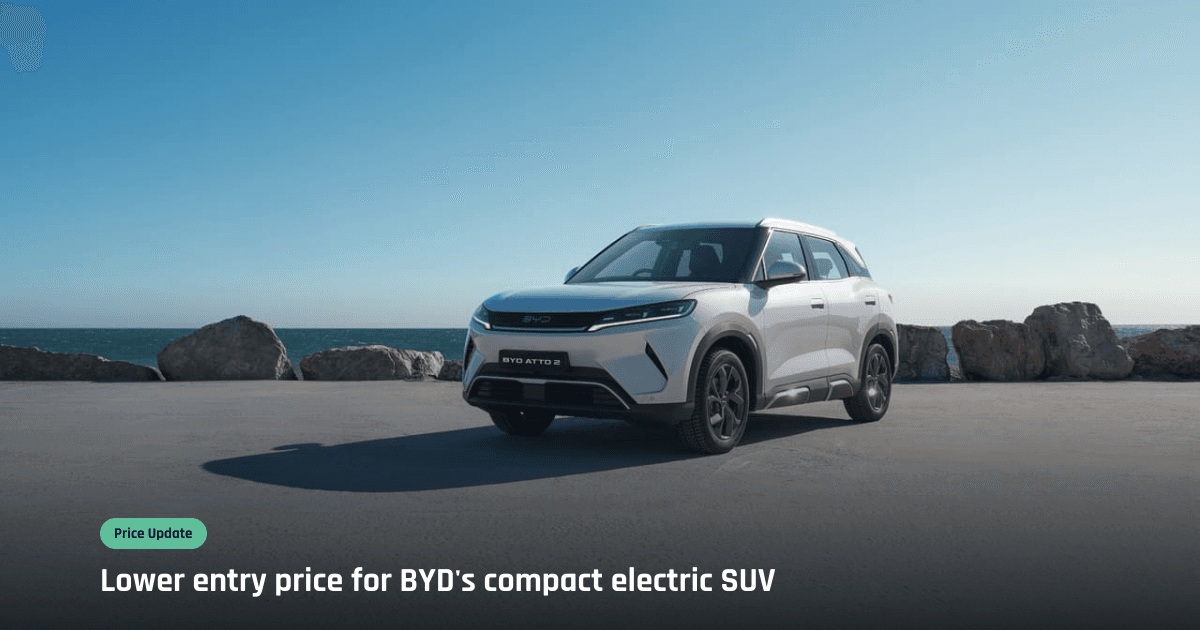
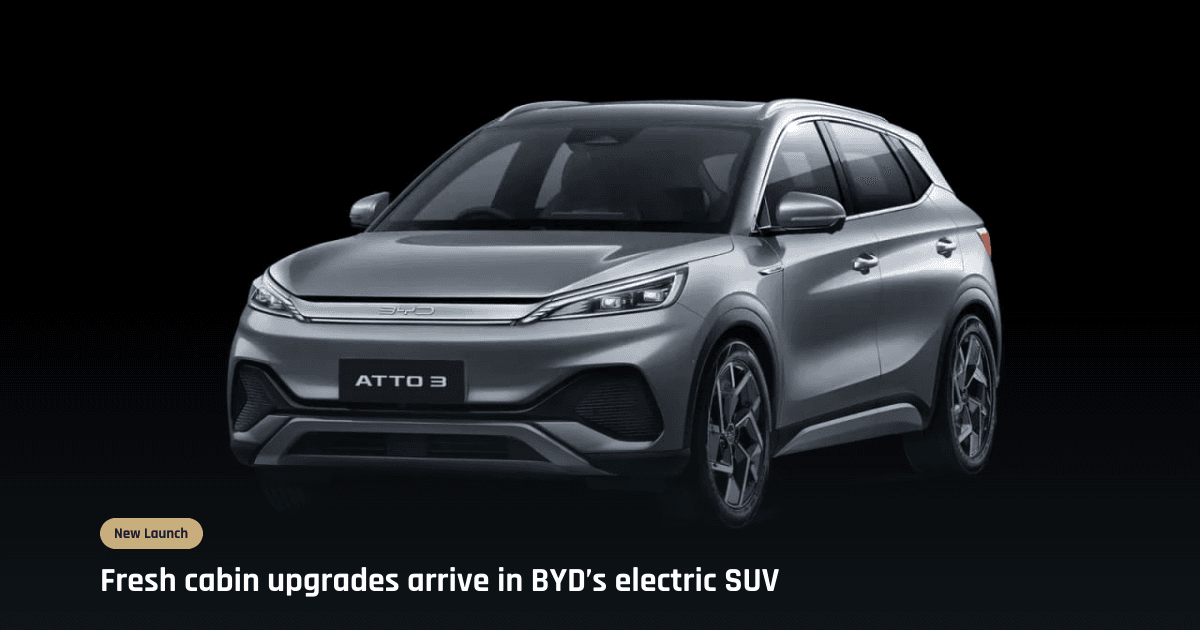
Its real rivals in Nepal are not petrol sedans. They are electric cars and compact EVs competing for the same budget and the same attention. The closest cross-shopping will often involve other cars-type EVs from brands such as BYD, MG and other mass-market EV players that offer more visible tech and more lifestyle appeal.
Against those, the XPRES-T EV is usually the more utilitarian choice. It may make more sense for fleet duty and organised transport use, but it is less likely to feel like an aspirational buy. Its advantage is purpose. Its disadvantage is excitement.
Some rivals win on cabin quality, design drama or brand cachet. The XPRES-T EV wins, if it wins at all, on sober ownership logic and a clear working brief.
Verdict and who it suits
The Tata XPRES-T EV is a serious utility EV wearing a sedan body. It is most convincing as a fleet tool, a company transport option or a high-usage urban commuter for someone who values predictability more than presentation.
At Rs 38.49 lakh, it is not an easy emotional buy. It asks buyers to look at the long game. Lower energy dependence, simpler EV ownership and a practical format suit repetitive city use.
Choose it if you want: - a no-fuss electric sedan - a vehicle for structured daily use - a work-oriented EV rather than a lifestyle statement - predictable ownership over flashy equipment
Skip it if you want: - strong visual presence - a long feature list - a more premium private-car feel - the sense of buying a fashionable EV rather than a functional one
Writes on vehicle pricing, taxation and the Nepali auto market from ongoing tracking of distributor price lists. Every price in this piece is read live from the Nepal AutoMart catalog — how we verify prices.