Start with the numbers
Compare at a glance
Top available variants, with prices in Nepalese rupees. Expand details to choose another variant.
| At a glance | Tata Punch EV | Dongfeng Nammi |
|---|---|---|
| Ex-showroom price | Rs 38.99 lakh | Price on request |
| Fuel | Electric | Not recorded |
| Selected variant | Empowered+ S 40 | Matching variant not confirmed |
Ex-showroom prices exclude registration, road tax and insurance. Specifications can vary by trim. See individual source-check dates ↓
Where They Sit in Nepal’s EV Market
Tata Punch EV and Dongfeng Nammi are aimed squarely at Nepal’s under–Rs 40 lakh EV buyer, but they come from very different playbooks.
- Tata Punch EV (Sipradi Trading) sits between roughly Rs 33.99 lakh and Rs 37.99 lakh across three variants: 30 kWh, 40 kWh and Empowered+ S 40.
- Dongfeng Nammi (MAW Vriddhi) undercuts it slightly, with Rs 29.99 lakh to Rs 34.99 lakh pricing for E1, E2 and E3.
The Punch EV’s biggest structural advantage is the brand and network:
- About 148 showrooms and 49 service centers for Tata passenger vehicles in Nepal.
- A long‑running presence in diesel and petrol cars that feeds confidence and resale.
Nammi is newer but priced aggressively:
- Around 51 showrooms and 19 service centers under MAW Vriddhi.
- A value‑led pitch: larger batteries and claimed ranges at lower headline prices, backed by Level 2 ADAS and rich cabin tech on the E2.
In practice, Punch EV sells the story of an EV version of a proven micro‑SUV with strong aftersales, while Nammi sells more range and tech per rupee from a newer Chinese entrant.
Design and Road Presence
Tata Punch EV
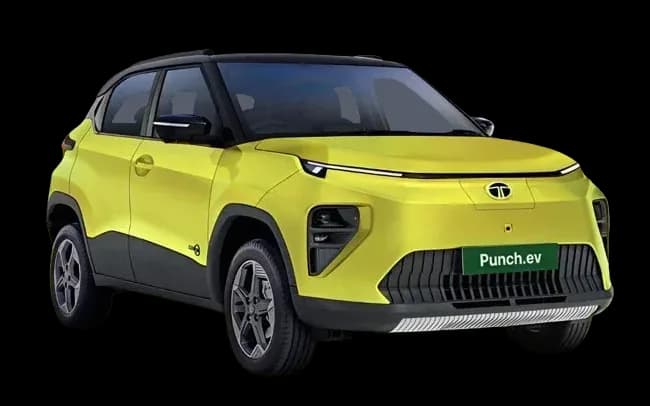
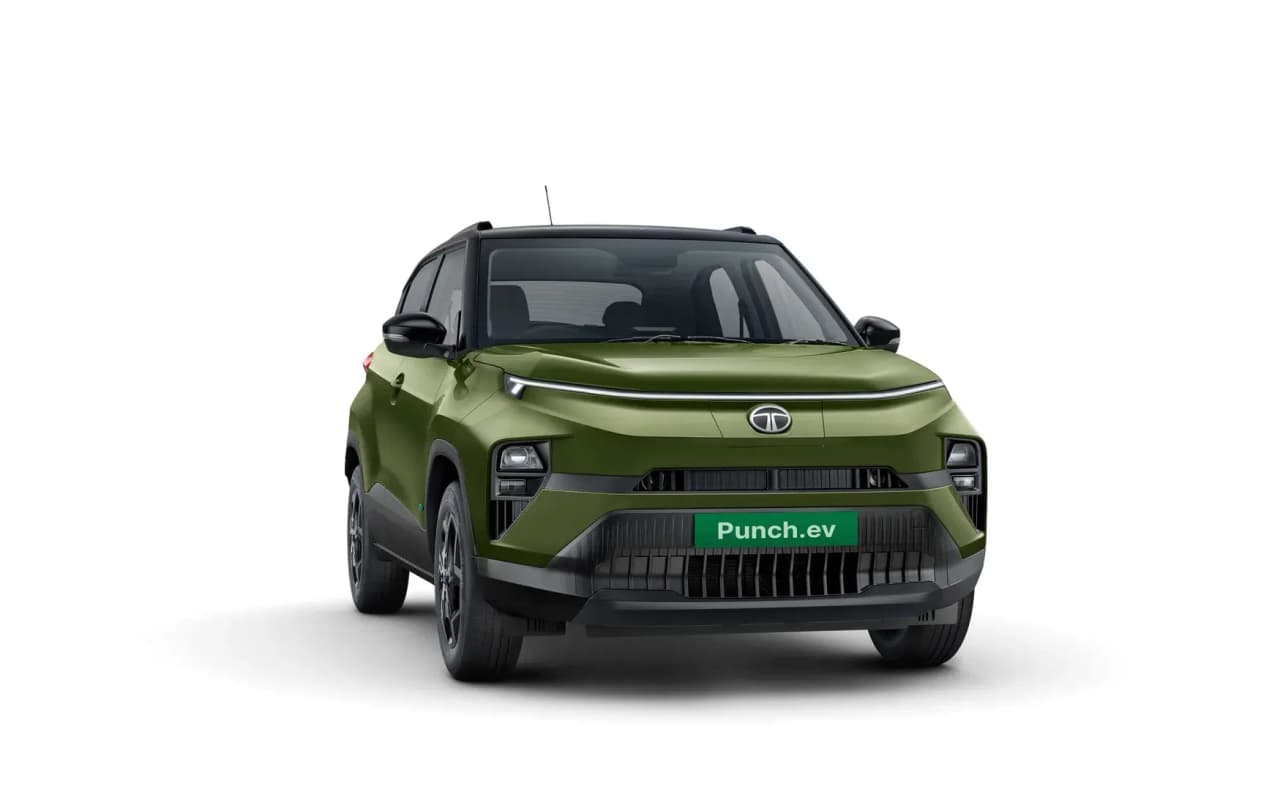
Punch EV stays close to the ICE Punch’s familiar micro‑SUV stance:
- Sub‑4m compact SUV body, five doors, five seats.
- 190–195 mm ground clearance, giving a visibly tall, confident stance.
- Closed EV grille, split headlamps, and a facelifted front fascia similar to the India‑spec Punch.ev.
- Roof rails and SUV‑ish proportions that look natural on rough Nepali roads and in mixed traffic.
Visually, it communicates ruggedness and familiarity. Many buyers already recognize the Punch shape from India coverage and local showrooms, which makes the EV version feel less experimental.
Dongfeng Nammi
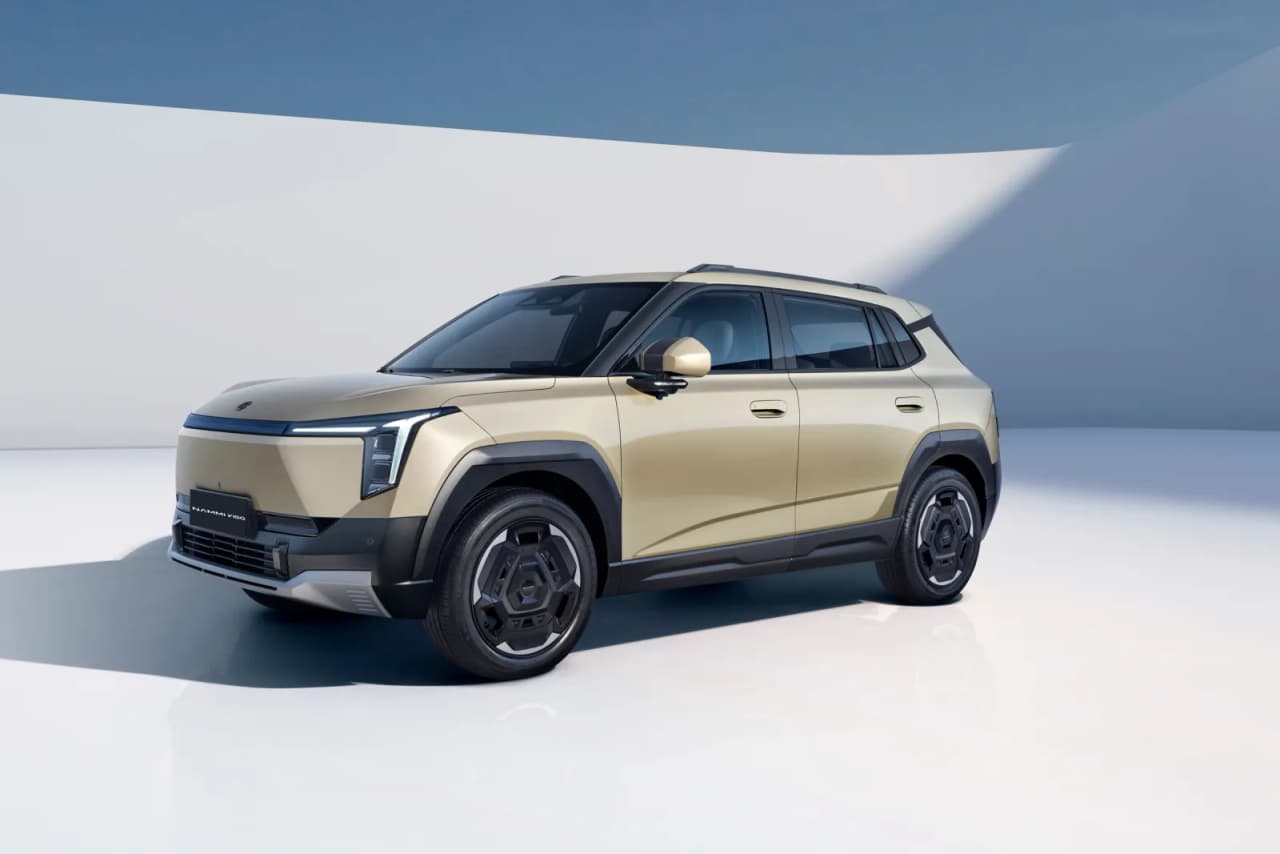
Nammi goes in a very different direction: more futuristic crossover/hatch than micro‑SUV.
- Length around 4306 mm, width 1868 mm, height 1654 mm across E1, E2 and E3.
- Closed grille, triangular headlights, hidden door handles and frameless doors on E1/E3.
- Suspended roof design and distinct round taillights give it a concept‑car vibe.
- E2 adds more premium touches: semi‑recessed power handles, dual‑section tailgate, shark‑fin antenna and 17‑inch alloy wheels.
It looks more urban and tech‑forward than rugged. The stance is wider than the Punch EV, but ground clearance figures are not clearly spelled out, so its visual message is more "styled crossover" than "go‑anywhere micro‑SUV".
Design Verdict
- If you want SUV‑like road presence and a familiar shape that feels ready for hills and rough roads, Punch EV has the edge.
- If you prefer a futuristic, premium‑looking EV that stands out in city traffic, Nammi’s styling – especially E2/E3 – will appeal more.
Features and Equipment: Cabin, Tech and Safety
Cabin Comfort
Punch EV:
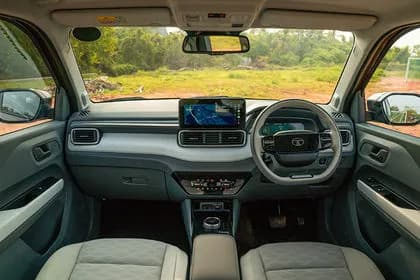
- All variants are five‑seat configurations.
- The 30 kWh base trim gets basic fabric upholstery and essential EV comforts.
- Automatic climate control is available across the range, which matters in Kathmandu and Tarai summers.
- The 40 kWh and Empowered+ S 40 trims bring better cabin materials and more equipment than the base, though the exact feature split is not fully documented.
Nammi:
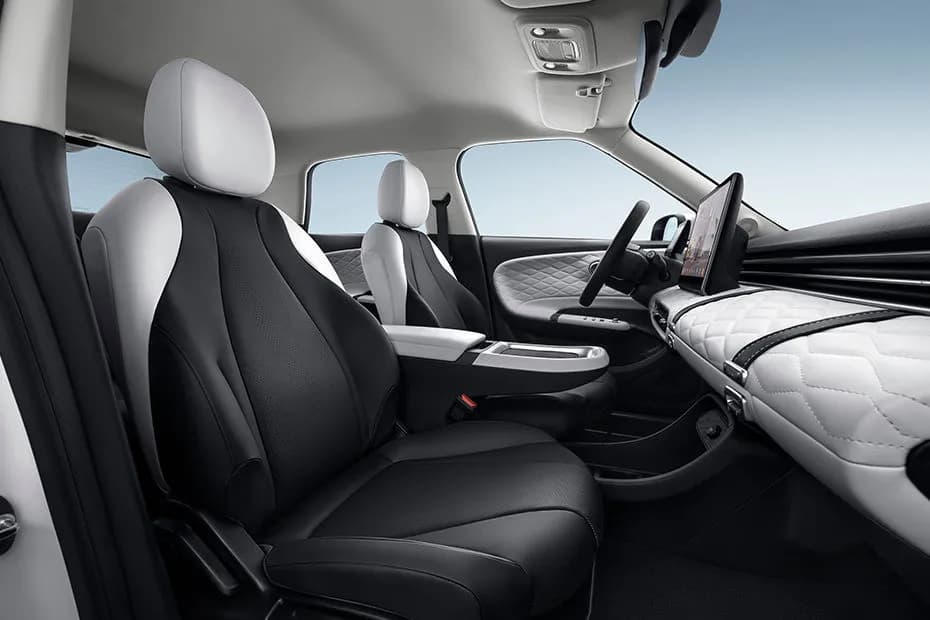
- All E1/E2/E3 variants are five‑seat layouts on a relatively long 2715 mm wheelbase, promising good legroom.
- E2 is clearly the comfort hero: heated and ventilated cushions, seat memory, driver welcome function, front seats that can lie flat, front and rear central armrests, rear cup holders and rear A/C vents.
- E1 and E3 comfort packages are less transparently documented, but overall the Nammi platform feels tuned more towards soft, tech‑rich comfort in mid trim.
On cabin experience, Nammi E2 outguns Punch EV mid trims for sheer gadgetry and seat comfort. Punch EV counters with a simpler, proven layout that many Tata owners are already familiar with.
Infotainment and Convenience
Punch EV:
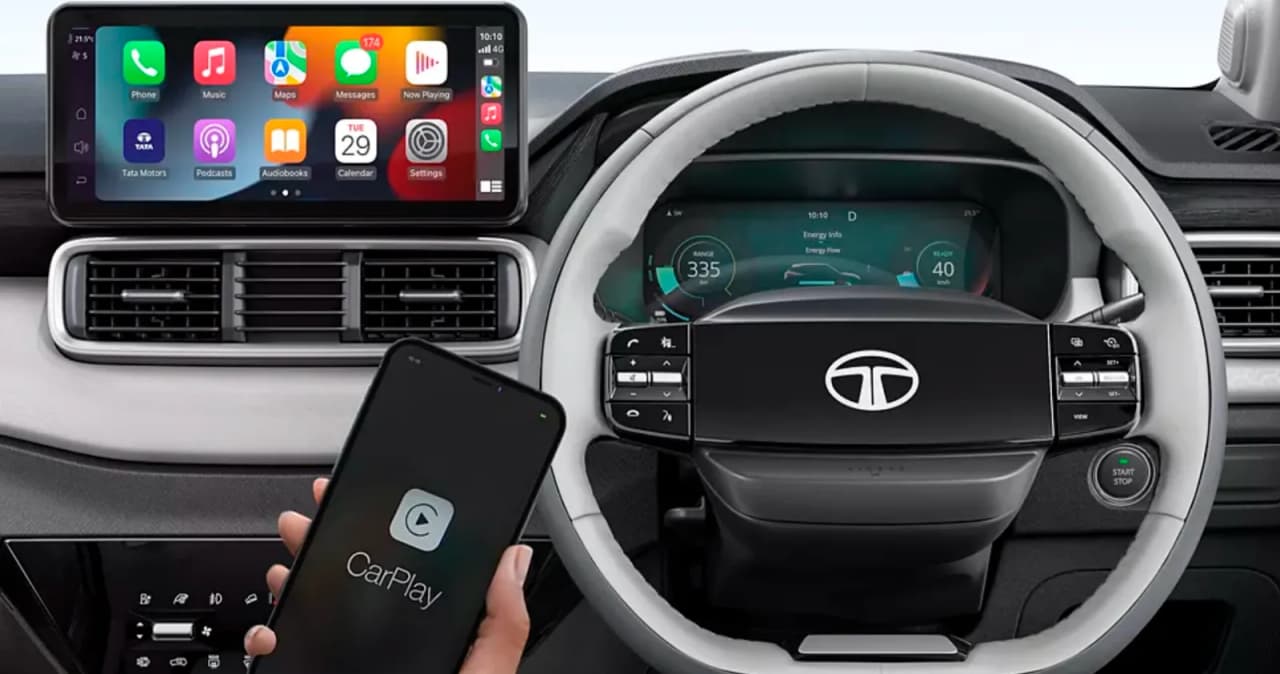
- Touchscreen infotainment and a digital instrument cluster across the EV range.
- Connected car and remote features appear on higher trims, while the 30 kWh entry variant gets a more basic feature mix.
- The 40 kWh mid trim likely adds wireless smartphone connectivity and a richer feature set, making it the sweet spot for most buyers.
Nammi (especially E2):
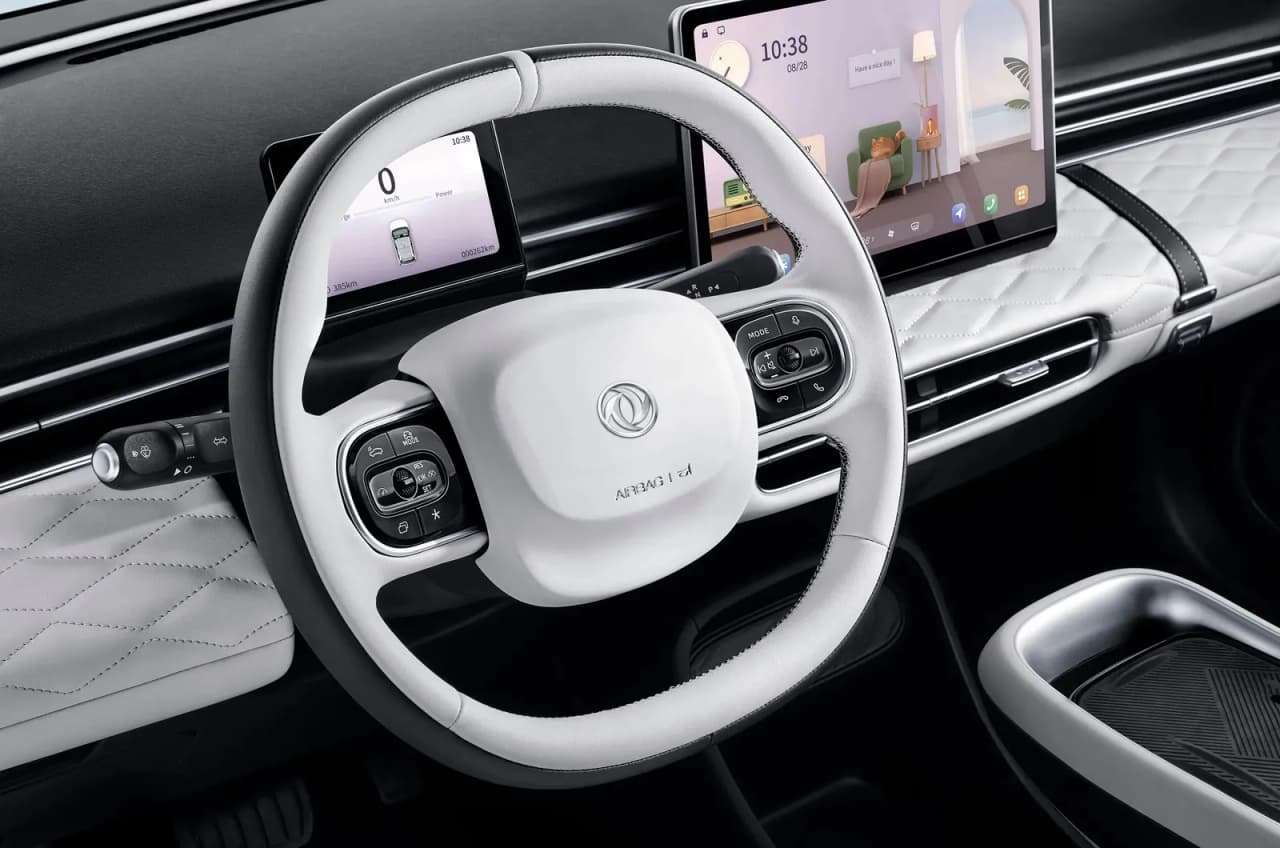
- 8.88" full LCD instrument cluster plus a 12.8" central screen.
- Wireless phone charging, Bluetooth audio and calls, basic radio, and smartphone integration.
- Voice recognition not just for multimedia and navigation, but also AC, power windows and more.
- OTA software updates and a six‑speaker audio system.
E1 and E3 infotainment details are not fully spelled out, but the platform clearly aims for tablet‑like tech appeal, especially in E2.
Safety and Driver Assistance
Punch EV:
- Dual front airbags and ABS with EBD are standard.
- Rear parking sensors, and on some mid‑to‑top trims, a rear camera and ESC.
- Safety equipment is solid but conventional — it leans on proven mechanical safety rather than advanced ADAS.
Nammi:
- E2 has a very comprehensive safety suite on paper:
- Multiple airbags (front, side, head) including rear head airbags.
- TPMS, ABS, EBD/CBC, hill‑start assist, ESC, brake assist and traction control.
- Front and rear radar, 360° camera, cruise control, auto‑hold and electronic parking brake.
- E1 and E3 mention Level 2 ADAS, but detailed airbag counts and some specs are not fully disclosed.
Safety transparency is better on Punch EV’s base hardware and Nammi E2’s feature list; Nammi’s top and base trims could use clearer published detail. Even so, Nammi E2 offers more active safety and ADAS than Punch EV by a clear margin.
Feature Verdict
- For simple, robust and familiar equipment, Punch EV is strong and easier to understand variant‑by‑variant.
- For tech‑heavy cabins, big screens and advanced safety, Nammi – especially E2 – is ahead.
Battery, Range and Performance
Tata Punch EV
Two battery options plus a feature‑rich top trim:
- 2026 30 kWh:
- 30 kWh battery.
- Claimed 275 km range.
- Front‑mounted permanent magnet motor with roughly 48–60 kW output.
- Front‑wheel drive, single‑speed reduction gear.
- 2026 40 kWh (and Empowered+ S 40):
- 40 kWh battery.
- Claimed 355 km range.
- Higher output motor in the 60–70 kW band.
- Same FWD single‑speed layout.
The 30 kWh version suits city‑heavy use and short intercity runs; the 40 kWh trims feel more relaxed on highways and hills, with better overtaking margins and fewer charging stops.
Dongfeng Nammi
Nammi plays the efficiency and range card aggressively:
- E1:
- 41.86 kWh battery.
- Claimed 430 km CLTC range.
- 70 kW motor; drivetrain layout is not fully spelled out but effectively behaves like a compact FWD EV.
- E2:
- 44.94 kWh LFP battery.
- 300 km WLTP comprehensive range.
- Fast charging: around 30 minutes to 80%, with DC charging capability quoted up to 167 kW (practically 60+ kW typical charge power).
- 99 kW permanent magnet synchronous motor with drive modes (Comfort, Eco, Sport) and adjustable steering modes.
- E3:
- 42.3 kWh LFP battery.
- 317 km WLTP range.
- Verified FWD single‑speed EV.
Measured by stated cycles, Nammi offers more battery capacity and very strong claimed range per rupee. E1’s CLTC figure will translate to less in the real world than the headline suggests, but the combination of battery size and WLTP numbers on E2/E3 still looks very competitive versus Punch EV’s 30–40 kWh packs.
Performance Character
- Punch EV focuses on adequate, smooth power with stronger output on the 40 kWh trims, good enough for hills but not performance‑oriented.
- Nammi, especially E2 with 99 kW, is likely to feel noticeably stronger in acceleration and highway merging.
For buyers worried about range anxiety and punchy performance, Nammi’s battery sizes and motor outputs are compelling. Punch EV’s 40 kWh trim remains the more familiar, conservative option.
Ride, Handling and Comfort Impressions
Because detailed suspension specs and tyre sizes are not fully itemized for Punch EV, and Nammi’s ride tuning is only indirectly hinted at through comfort features, we rely on segment logic and what the numbers suggest.
- Punch EV: The high 190–195 mm ground clearance and micro‑SUV proportions point towards a setup tuned for rough Nepali roads, speed breakers and village tracks. It prioritizes durability and clearance over sharp cornering.
- Nammi: With a longer wheelbase and wider body, Nammi is likely tuned more for urban comfort and stability than off‑road style robustness. E2’s heated/ventilated seats, welcome functions and rear AC vents suggest a focus on planted, relaxed city cruising rather than ruggedness.
Steering and drive modes:
- Punch EV offers typical EV drive modes, but they are not heavily marketed as performance tools.
- Nammi E2 adds Comfort/Eco/Sport drive modes and adjustable steering feel, giving drivers more ways to tailor the response.
If your daily use includes broken rural roads and steep, rough tracks, Punch EV’s stance and ground clearance inspire more confidence. If it’s mostly smooth city and highway running, Nammi’s long wheelbase and cabin comfort are likely to feel more refined.
Practicality and Running Costs
Space and Boot
Boot capacities are a weak spot in the published data for both models.
- Punch EV: Boot space is not disclosed for 30 kWh and 40 kWh trims. Practically, the Punch platform is known to offer usable but not huge cargo space – reasonable for a micro‑SUV, but not class‑leading.
- Nammi: All three E1/E2/E3 have undisclosed boot volumes. E2 mentions split‑fold rear seats, which helps flexibility for luggage or cargo.
Cabin space, judged by dimensions:
- Punch EV’s sub‑4m footprint prioritizes city maneuverability over rear legroom.
- Nammi’s 4306 mm length and 2715 mm wheelbase suggest better rear seat space and more interior volume overall.
Charging and Energy Use
- Punch EV’s fast‑charging capability has been emphasized in recent market positioning, which makes it attractive on busy corridors and for buyers who rely on public DC chargers.
- Nammi E2’s stated 30 minutes to 80% and DC charge capability in the 60+ kW range point to very competitive fast‑charging times, assuming compatible infrastructure.
As EV infrastructure grows, both cars will benefit, but Nammi’s larger batteries can mean slightly higher absolute cost per full charge, balanced by fewer stops. Punch EV’s smaller packs are cheaper to fill and lighter on home electricity bills, especially in 30 kWh form.
Aftersales and Resale
- Punch EV rides on Tata’s extensive dealership and service footprint, plus years of brand familiarity from Tiago, Nexon, Safari and commercial vehicles. That strongly supports spares availability and resale confidence.
- Nammi’s 51 showrooms and 19 service centers are respectable for a new EV brand, but it does not yet match Tata’s breadth or long resale track record.
For owners keeping the car five–ten years or worried about resale in smaller towns, Punch EV is the safer bet. Nammi appeals more to early adopters comfortable with a newer nameplate if they get more tech and range upfront.
Price and Variants Side by Side
Tata Punch EV
- 2026 30 kWh: Rs 33.99 lakh.
- 2026 40 kWh: Rs 36.99 lakh.
- Empowered+ S 40: Rs 37.99 lakh.
Dongfeng Nammi
- E1: Rs 29.99 lakh.
- E2: Rs 31.99 lakh.
- E3: Rs 34.99 lakh.
Variant Comparison Table
| Segment role | Tata Punch EV variant | Price (Rs lakh) | Dongfeng Nammi variant | Price (Rs lakh) |
|---|---|---|---|---|
| Entry city‑biased EV | Punch EV 30 kWh | 33.99 | Nammi E1 | 29.99 |
| Balanced mid‑range EV | Punch EV 40 kWh | 36.99 | Nammi E2 | 31.99 |
| Longer‑range / richer trim | Punch EV Empowered+ S 40 | 37.99 | Nammi E3 | 34.99 |
Nammi’s entire lineup sits below Punch EV on price, despite offering bigger batteries and, in the case of E2, more tech. Punch EV’s premium rests on brand strength, rugged stance and network rather than pure spec.
Which Wins for Which Kind of Nepali Buyer?
Choose Tata Punch EV if…
- You live in or frequently travel through rural and hilly areas, where ground clearance and ruggedness matter.
- You value a huge showroom and service footprint and long‑term resale confidence.
- You prefer a familiar micro‑SUV shape over a futuristic crossover.
- You want a balanced EV that can do city and highway without chasing maximum range – the 40 kWh trim is particularly strong.
Choose Dongfeng Nammi if…
- You mostly drive in cities and on highways and value range and tech over rugged stance.
- You want more battery capacity and claimed range per rupee, especially in E1 and E3.
- You appreciate big screens, advanced safety, ADAS and comfort features – Nammi E2 especially.
- You are comfortable adopting a newer Chinese EV brand for the extra features and performance.
Editorial Verdict
For the typical urban Nepali EV buyer under Rs 35 lakh, Dongfeng Nammi – particularly the E2 and E3 – offers stronger value on paper. You get larger batteries, more performance, richer infotainment and a deeper safety and ADAS stack at lower or similar prices.
However, for buyers who place top weight on rugged micro‑SUV practicality, high ground clearance, brand familiarity and the widest service network, the Tata Punch EV 40 kWh and Empowered+ S 40 remain extremely compelling. They may not match Nammi’s headline specs, but they deliver a lower‑risk ownership story that many first‑time EV buyers in Nepal will find reassuring.
Our balanced view:
- For city‑focused, tech‑loving buyers who mainly drive on good roads, Nammi wins.
- For mixed‑use, network‑conscious buyers who want an EV that feels as robust as a small SUV, Punch EV wins, especially in 40 kWh guise.
In short: Nammi is the better spec sheet, but Punch EV is the safer long‑term bet for more conservative Nepali buyers.
Explore full specifications, variants & ownership context
Compare the exact variants
Specifications, features & ownership context
Choose a variant for each vehicle. The facts below follow that exact trim; the article explains the trade-offs.
Latest catalog and directory records supplement the original analysis. Figures may have changed since publication; individual specification and price-check dates appear below.
Tata Punch EV
Rs 38.99 lakh ex-showroom · source checked 15 Oct 2026
Battery & charging
| Specification / feature | Tata Punch EV |
|---|---|
| Battery | 40 kWhResearched · confirm · 27 Sept 2026 |
| Claimed range | 421 km (ARAI)Researched · confirm · 26 Sept 2026 |
Safety & driver assistance
| Specification / feature | Tata Punch EV |
|---|---|
| Airbags | 6 airbagsResearched · confirm · 27 Sept 2026 |
Dimensions & weight
| Specification / feature | Tata Punch EV |
|---|---|
| Ground clearance | 190 mmResearched · confirm · 24 Sept 2026 |
Claimed range uses the stated test cycle. Different cycles are not a like-for-like range comparison; actual range depends on roads, load, speed and weather.
Tata Punch EV
Showroom & service support
Distributor: Sipradi Trading Pvt. Ltd.
209 listed brand showrooms · 49 listed brand service locations
Listed cities include Baglung, Banepa, Bhairahawa, Bhaktapur, Bharatpur, Biratnagar and 35 more.
Brand-wide directory coverage. Confirm that your nearest workshop supports this exact model, powertrain and warranty work; ask about parts availability and booking time.
Market buzz & buyer priorities
Compiled discussion, including buyer reactions and ownership reports; this is not a verified owner survey or a reliability score. Research dated 13 Oct 2026.
What people like
- No issues after driving 11k kms
- Excellent ground clearance (190-195 mm) handles Nepal's potholes and hilly terrain well
- Strong 5-star safety rating provides peace of mind for family buyers
More feedback
- Smooth, silent, and vibration-free driving experience ideal for city commuting
Concerns to investigate
- high price compared to Chinese EVs
- Price is higher than expected for the features offered
- Fit and finish and technology could be better
More feedback
- Real-world range is significantly lower than the manufacturer's claimed figures
Nepal ownership context
- Sipradi Trading provides a widespread service and charging network across major cities like Kathmandu, Pokhara, and Butwal
- The vehicle is widely regarded as a practical, rugged choice for Nepal's mixed urban and semi-urban road conditions
- Ground clearance is a major Nepal-specific advantage because buyers regularly consider broken urban roads, steep ramps, potholes and rough routes outside Kathmandu.
More feedback
- Sipradi’s service and parts network is one of the strongest reasons Nepali buyers consider the Punch EV instead of a newer brand with less established support.
- Resale confidence is linked more to Tata and Sipradi’s established presence than to proven long-term resale data for the Punch EV itself.
Use these facts alongside the article’s full analysis. Check the final quotation, warranty terms and exact equipment before booking.
Evidence & next steps
Check the details before you buy
Use this guide to build a shortlist. Ask for a written quotation for your chosen variant, including registration, taxes, insurance, finance charges and any charger installation. Confirm the nearest authorised workshop supports that model.
Price sources and dates
These are the recorded distributor-source checks for the selected overview trims. They are separate from the article update and catalog read dates; they do not mean every trim was rechecked today. Confirm the final price with the distributor.
Overview photos come from the corresponding model records; additional article photos carry their own credits. Running costs depend on usage, energy prices, maintenance, insurance and resale value.