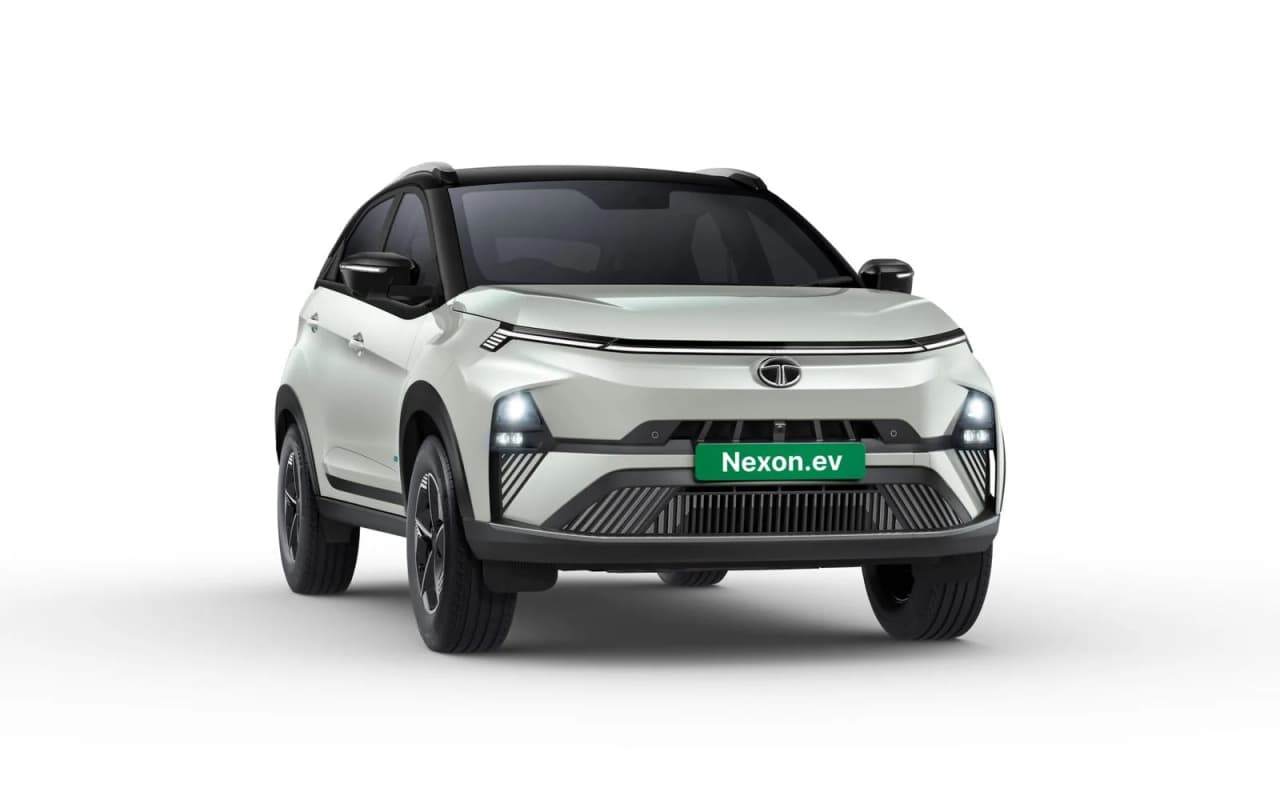
Start with the numbers
Models discussed, at a glance
Top available variants, with prices in Nepalese rupees. Expand details to choose another variant.
| Vehicle | Ex-showroom price | Fuel | Selected variant |
|---|---|---|---|
| 01Tata Nexon EV | Rs 50.99 lakh | Electric | Empowered+ 45 |
| 02Tata Nexon | Rs 59.99 lakh | Petrol | Nexon Creative +S MT |
Ex-showroom prices exclude registration, road tax and insurance. Specifications can vary by trim. See individual source-check dates ↓
Where This SUV Fits In Nepal's Electric Shift
Sipradi Trading brought the Nexon EV into Nepal in 2023, and it has quickly become one of the more visible electric SUVs on Kathmandu's roads — the kind of car that's now genuinely cross-shopped against petrol SUVs, not just other EVs. At Rs 38.99 lakh to Rs 50.99 lakh ex-showroom across four variants, it sits in a segment where buyers are increasingly willing to pay a premium up front in exchange for near-zero running costs and exemption from the fuel-price anxiety that governs every other SUV purchase in this country.
What makes the Nexon EV interesting for the Nepali market specifically is that it doesn't feel like a car built for a different market and airlifted in. The compact 3,995 mm length and 1,811 mm width mean it manages Kathmandu's narrow lanes and multi-storey parking ramps without drama, while the raised seating position that comes with any EV battery-under-floor layout gives drivers the SUV visibility they're paying for. It's a car that looks the part in showrooms, and increasingly on the street.
A Cabin And Face That Finally Look The Price
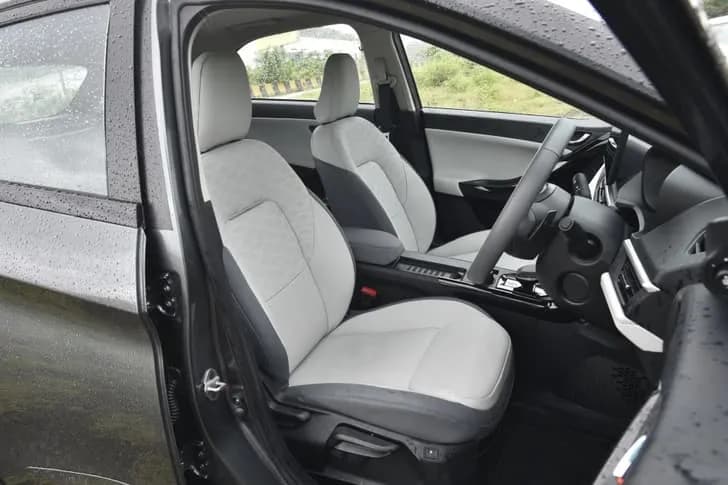
The design story here is a genuinely modern one. The front end carries split headlamps and full LED lighting, a look that reads as considerably more expensive than the outgoing Nexon shape, and the rear gets a full-width LED light bar running across a tailgate that's been visibly reworked rather than just facelifted. New 16-inch alloy wheels and quieter, subtler side accent trim round off an exterior that no longer looks like a budget compact SUV wearing an EV badge — it looks like a car designed around being electric.
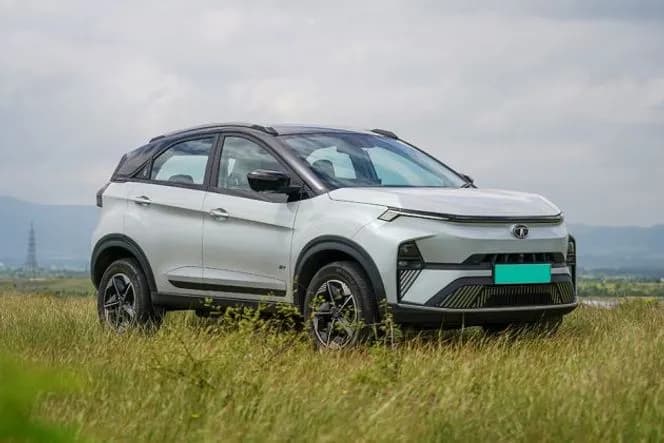
Step inside and the improvement is even more obvious. Build quality and perceived material quality are a clear step up from what buyers might remember of earlier Nexon interiors, with a more mature dashboard layout and better fit and finish throughout. This matters in a market where buyers spending upward of Rs 40 lakh are directly comparing cabin quality against combustion SUVs at similar money, and the Nexon EV holds its own here in a way earlier Tata products in Nepal sometimes struggled to.
The One Colour Worth Asking Sipradi About
Nepali showroom stock will vary, but the standout finish worth seeking out is a pearlescent gray-green shade unique to the EV range — the kind of colour that shifts character under different light and immediately signals this isn't a rebadged petrol Nexon. A purple shade has also featured on related Nexon facelift models, giving buyers who want to stand out from the sea of white and grey SUVs on Nepali roads a genuine option, though exact colour availability at Nepali dealerships should be confirmed with Sipradi before booking.
What You Get, Trim By Trim
Equipment is where the four-variant spread really earns its keep. The entry Prime XM comes with a smaller touchscreen offering basic audio and Bluetooth, fabric seats with manual driver adjustment, and automatic climate control as standard — already a step ahead of where entry trims usually land in this price bracket. Move up to the Prime XZ+ and you gain a noticeably larger touchscreen with a better audio system, keyless entry with push-button start, a reverse camera, parking sensors and cruise control, plus rear AC vents and improved seat fabric with driver seat height adjustment. The Prime XZ+ Lux builds on this with higher-grade upholstery and more soft-touch cabin elements.
Across the range, the bigger story is the technology architecture Tata has built into this generation of Nexon EV: a large, crisp touchscreen with genuinely fluid graphics, a fully digital and configurable instrument cluster, and an onboard app ecosystem that lets occupants stream video or play games while parked and charging. It's the kind of feature set that has been widely praised in motoring circles for making the EV feel like a genuine technology showcase rather than a stripped-back economy special. The flip side, and it's a fair criticism, is that this same touchscreen has been reported to suffer occasional glitches and slow responses during phone connectivity — not a dealbreaker, but worth testing thoroughly during a dealership demo before signing. A two-spoke steering wheel with an illuminated logo looks sharp in photos but has a glossy boss that shows fingerprints and scuffs quickly in real use, and the new drive selector and rotary drive mode dial can occasionally feel a beat slow to respond, something buyers test-driving the car should specifically pay attention to.
A 127 bhp Motor That's Built For Kathmandu Traffic, Not Highway Blasts
Every current Nepali variant — Prime XM, Prime XZ+ and Prime XZ+ Lux — shares the same 127 bhp (95 kW) permanent-magnet motor producing 245 Nm of torque, driving the front wheels through a single-speed automatic. That torque figure matters more than the headline power number in daily use: it's instant off the line, which means the Nexon EV feels genuinely brisk pulling away from Kathmandu's traffic lights and overtaking on the Ring Road, without any of the lag or gear-hunting that afflicts small-capacity petrol SUVs at similar money.
The top Empowered+ 45 variant's motor output isn't officially disclosed in Nepal-facing sources at this stage, so buyers considering that top trim should ask Sipradi directly for confirmed figures before assuming it matches or exceeds the Prime range. What can be said with confidence across the lineup is that the driving character favours smooth, controlled acceleration over outright drama — power delivery has been engineered to avoid sudden lunges, making the car easy to drive smoothly in stop-start traffic, while still holding a noticeable surge in reserve when the driver wants it.
Ride Quality That Copes With Nepali Roads Better Than Expected
This is arguably where the Nexon EV earns its keep as a genuinely usable Nepali car rather than a showroom EV. The ride has been consistently described as tough and confident, absorbing large potholes without feeling unsettled — a genuinely relevant trait given how much of Kathmandu Valley's road network remains patchy even on primary routes. It's a firmer ride than some rivals, but firmness here translates to composure rather than harshness.
Handling is similarly well sorted, with good body control through corners that makes the car feel more planted than its compact-SUV proportions suggest. The steering is on the heavier side, which some drivers will read as reassuring at speed but which can feel like extra effort during tight, repeated low-speed manoeuvring — parking, U-turns, and the kind of stop-start crawling that defines urban Nepali driving. Low rolling resistance tyres, fitted to maximise the claimed range, are a sensible trade-off but worth knowing about if outright grip is a priority.
Living With The Cabin Day To Day
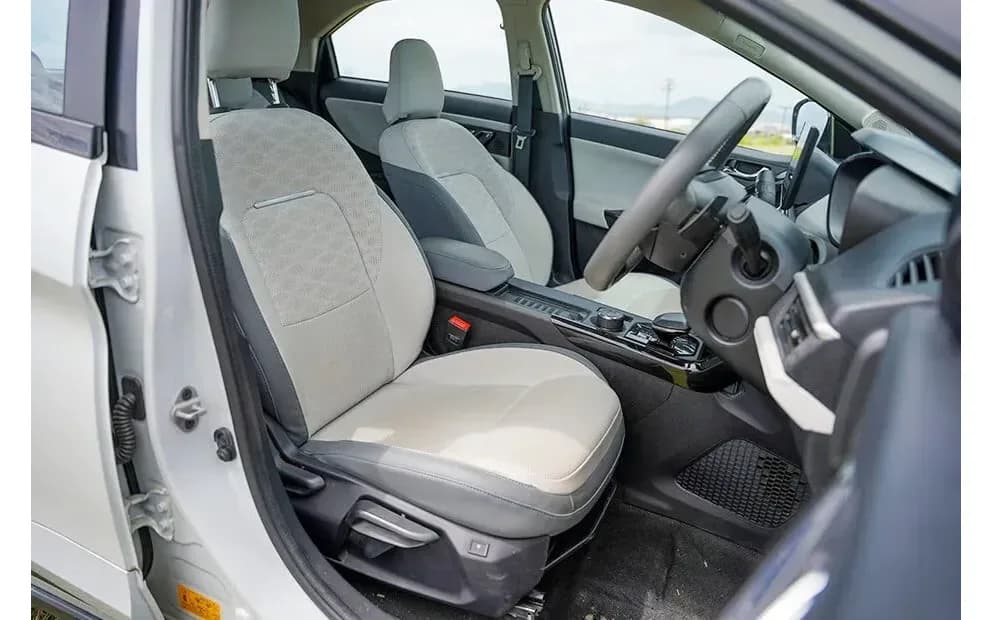
The battery sitting under the floor raises the rear seat base slightly, giving rear passengers a marginally knees-up posture compared to a conventional combustion SUV — a familiar EV packaging compromise. Tata has mitigated this reasonably well with generous foot room under the front seats and a scooped-out headliner that preserves decent rear headroom, so it remains genuinely usable for two adults and a child on the rear bench, matching what buyers should expect from a compact electric SUV in this segment.
Front seat comfort scales with trim: XM buyers get basic fabric and manual adjustment, while higher trims bring better fabric quality and driver seat height adjustment. Storage is a mixed bag — cabin cubbies include a small armrest box, but the front cabin notably lacks proper cup holders beyond shallow glove box slots, and a front USB port sits awkwardly deep in the centre console. These are minor ergonomic quibbles rather than serious flaws, but they're the kind of detail worth checking during a dealership walk-around.
Safety Built On A Genuinely Strong Platform
The Nexon EV's underlying structure carries real credibility: the platform it's built on has an established high safety rating internationally, and Nepali buyers benefit from the same engineering. Verified equipment includes dual airbags, ABS, EBD, hill hold assist and a rear camera, with the battery pack itself IP67-rated against dust and water ingress and backed by an 8-year/160,000 km warranty — a genuinely reassuring number for buyers nervous about EV battery longevity in Nepali conditions. Higher trims add reverse parking sensors as part of their equipment step-up.
It's worth being direct that exact safety specification for the entry Prime XM hasn't been separately confirmed in Nepal-facing documentation, so buyers should ask Sipradi to confirm airbag count and ABS availability on that specific trim before finalising a booking, even though dual airbags and ABS are reasonably expected as baseline.
What The Boot Actually Holds
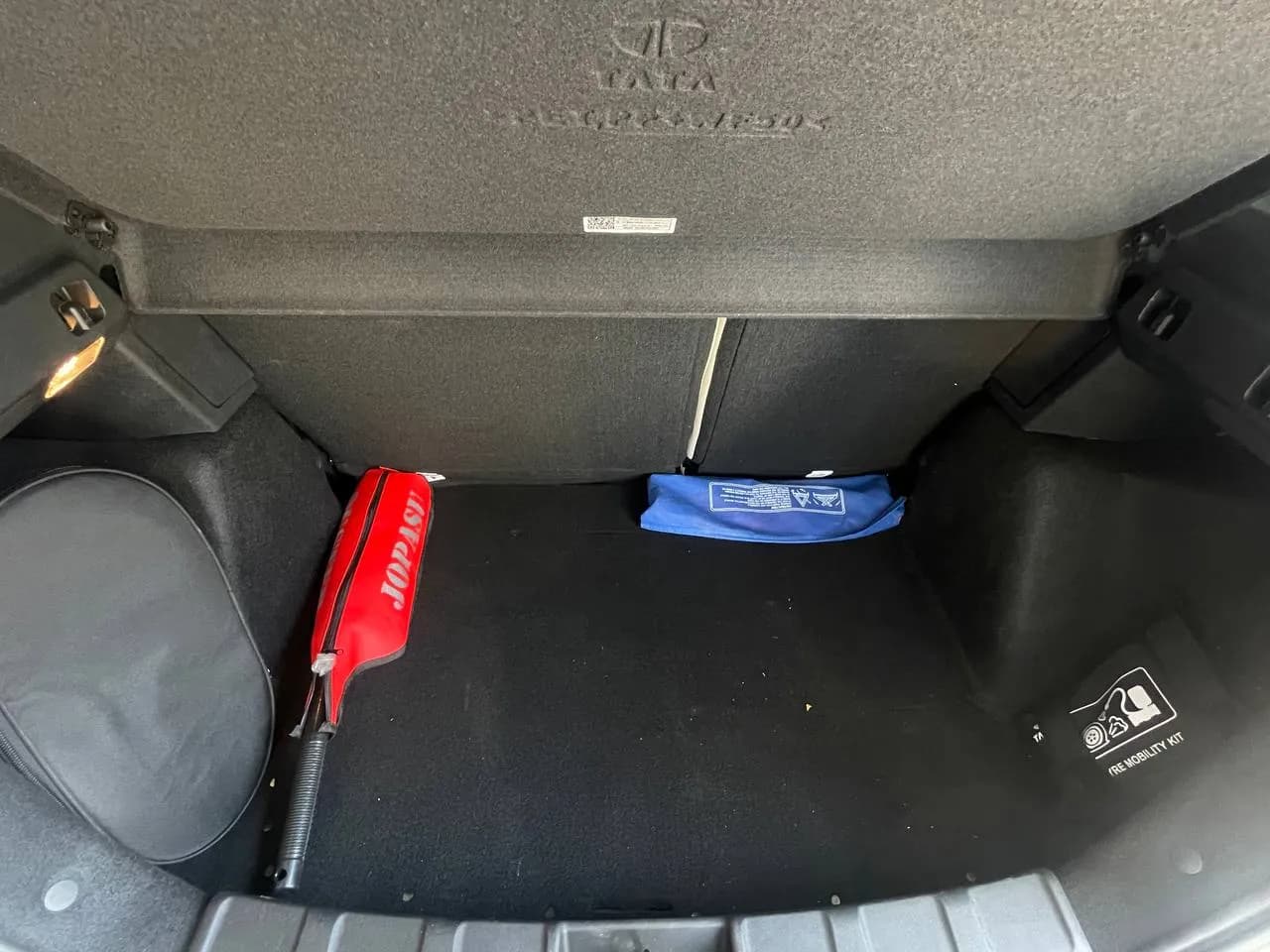
Practicality is respectable rather than class-leading for this footprint. The Nexon EV's boot needs to accommodate the mandatory charging cable bag, which eats into usable space, and rear seats fold 60/40 for larger items. It's a car built around daily commuting and weekend errands rather than long-haul family holiday duty, which lines up with how most electric SUVs get used in Nepal today given the current charging network.
Running Costs And The Number That Actually Matters
The verified figure Nepali buyers should anchor on is a 30.2 kWh battery delivering a claimed 312 km of range — comfortably enough for daily Kathmandu Valley commuting and even weekend trips to nearby hill stations without range anxiety, provided home or destination charging is available. Running costs on electricity are dramatically lower than any petrol or diesel equivalent, and that gap only widens as domestic fuel prices climb. The genuine caveat for the Nepali market is charging infrastructure: DC fast charging on this generation of Nexon EV tops out at a relatively modest 30kW, meaning a full top-up takes patience rather than a quick coffee-break charge, and public fast chargers remain concentrated in Kathmandu Valley rather than spread nationwide.
Picking The Right Variant For Rs 39-51 Lakh
Four variants span a Rs 12 lakh range, and the sweet spot for most buyers is the Prime XZ+ at Rs 40.99 lakh. For a comparatively modest Rs 2 lakh over the base Prime XM, it adds the larger touchscreen, cruise control, reverse camera and parking sensors, keyless entry, and rear AC vents — equipment that genuinely changes daily usability rather than just badge prestige. The Prime XZ+ Lux at Rs 42.99 lakh is worth considering only if cabin materials and upholstery quality matter more than the price difference to you personally. The range-topping Empowered+ 45 at Rs 50.99 lakh commands a significant Rs 8 lakh premium over the Lux trim, and with motor output and detailed specification not yet fully disclosed for the Nepali market, we'd recommend buyers get full written specification from Sipradi before committing to that top trim.
The MG ZS EV Undercuts It On Battery Size, Not Necessarily On Polish
The MG ZS EV remains the most obvious cross-shop for Nepali buyers looking at electric SUVs in this bracket, typically offering a larger battery pack narrative and strong local sales momentum. Where the Nexon EV pulls ahead is cabin technology depth and the sheer breadth of its equipped-from-entry feature list, along with a platform safety reputation that's hard to match. Buyers should compare claimed range and after-sales network coverage carefully between the two before deciding, since both matter enormously given Nepal's still-developing charging landscape.
The Hyundai Kona Electric Plays In A Different Price Bracket
The Hyundai Kona Electric has built a reputation in Nepal as a premium, well-finished electric SUV, but it typically sits at a noticeably higher price point than the Nexon EV's Prime range, making direct comparison more relevant against the top Empowered+ 45 variant than the entry trims. Buyers drawn to the Kona Electric's badge and finish should weigh that premium against the Nexon EV's stronger value proposition lower in its range.
Verdict: The Sensible First Step Into Electric Ownership
The Tata Nexon EV succeeds at the thing that actually matters most for a first EV purchase in Nepal: it doesn't feel like a compromise. The styling is genuinely current, the cabin technology is a real step up, the ride handles Nepali roads with more confidence than its firm setup initially suggests, and the underlying safety credentials are strong. The 312 km range and 8-year battery warranty address the two anxieties that stop most Nepali buyers from going electric in the first place.
It suits buyers who want a well-rounded, well-equipped compact electric SUV for city and valley use, are comfortable with Rs 39-51 lakh price territory, and have reasonable access to home or workplace charging. It's less convincing for buyers who need frequent long-distance travel outside Kathmandu Valley, where the modest 30kW DC fast charging ceiling will test patience. For everyone else, this is one of the most complete EV arguments currently on sale in Nepal.
Explore full specifications, variants & ownership context
Know the product
Key specifications, features & ownership context
Choose a variant to see its recorded specifications and features. Equipment and prices can change across trims.
Latest catalog and directory records supplement the original analysis. Figures may have changed since publication; individual specification and price-check dates appear below.
Rs 50.99 lakh ex-showroom · source checked 15 Oct 2026
Rs 59.99 lakh ex-showroom · source checked 15 Oct 2026
Battery & charging
| Specification / feature | Empowered+ 45 | Nexon Creative +S MT |
|---|---|---|
| Battery | 45 kWhResearched · confirm · 4 Oct 2026 | — |
| Claimed range | 489 km (MIDC)Researched · confirm · 4 Oct 2026 | — |
Safety & driver assistance
| Specification / feature | Empowered+ 45 | Nexon Creative +S MT |
|---|---|---|
| Airbags | 6 airbagsResearched · confirm · 21 Sept 2026 | 6 airbagsResearched · confirm · 16 Sept 2026 |
Dimensions & weight
| Specification / feature | Empowered+ 45 | Nexon Creative +S MT |
|---|---|---|
| Ground clearance | 190 mmResearched · confirm · 21 Sept 2026 | 209 mmResearched · confirm · 22 Sept 2026 |
Claimed range uses the stated test cycle. Different cycles are not a like-for-like range comparison; actual range depends on roads, load, speed and weather.
Showroom & service support
Distributor: Sipradi Trading Pvt. Ltd.
208 listed brand showrooms · 49 listed brand service locations
Listed cities include Baglung, Banepa, Bhairahawa, Bhaktapur, Bharatpur, Biratnagar and 35 more.
Brand-wide directory coverage. Confirm that your nearest workshop supports this exact model, powertrain and warranty work; ask about parts availability and booking time.
Market buzz & buyer priorities
Compiled discussion, including buyer reactions and ownership reports; this is not a verified owner survey or a reliability score. Research dated 14 Oct 2026.
What people like
- Excellent ground clearance for Nepali terrain
- Strong motor performance for uphill climbs
- Widest service and charging network in Nepal
More feedback
- High safety rating (5-star Bharat NCAP)
Concerns to investigate
- Tata vehicles require careful consideration before purchase.
- Nexon EV is the worst decision for a second-hand EV
Nepal ownership context
- Sipradi provides the widest service network, though some owners report declining satisfaction.
- Real-world range in Kathmandu valley and hilly terrain is often cited between 170-250 km.
- Charging infrastructure is extensive, but long-distance travel requires careful planning due to charging times.
More feedback
- Resale value through official buy-back programs is a common point of contention among long-term owners.
- Nepali buyers place strong value on Sipradi’s service reach and the easier availability of Tata parts compared with less-established EV brands.
- Ground clearance is an important Nepal-specific advantage because buyers regularly consider broken roads, steep ramps, speed breakers and uneven surfaces.
- The on-road price is higher than the ex-showroom price after registration, insurance and other applicable charges, and it varies by registration location and variant.
Showroom & service support
Distributor: Sipradi Trading Pvt. Ltd.
208 listed brand showrooms · 49 listed brand service locations
Listed cities include Baglung, Banepa, Bhairahawa, Bhaktapur, Bharatpur, Biratnagar and 35 more.
Brand-wide directory coverage. Confirm that your nearest workshop supports this exact model, powertrain and warranty work; ask about parts availability and booking time.
Market buzz & buyer priorities
Compiled discussion, including buyer reactions and ownership reports; this is not a verified owner survey or a reliability score. Research dated 12 Oct 2026.
Concerns to investigate
- Advertised range is more than actual range
Use these facts alongside the article’s full analysis. Check the final quotation, warranty terms and exact equipment before booking.
Evidence & next steps
Check the details before you buy
Use this guide to build a shortlist. Ask for a written quotation for your chosen variant, including registration, taxes, insurance, finance charges and any charger installation. Confirm the nearest authorised workshop supports that model.
Price sources and dates
These are the recorded distributor-source checks for the selected overview trims. They are separate from the article update and catalog read dates; they do not mean every trim was rechecked today. Confirm the final price with the distributor.
Overview photos come from the corresponding model records; additional article photos carry their own credits. Running costs depend on usage, energy prices, maintenance, insurance and resale value.