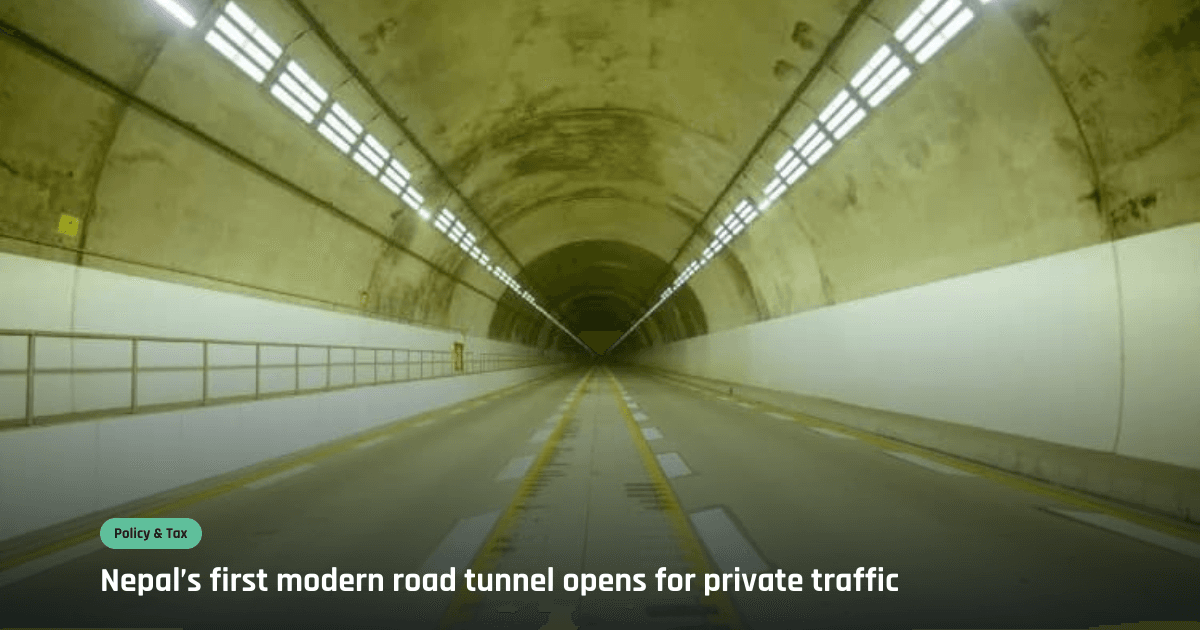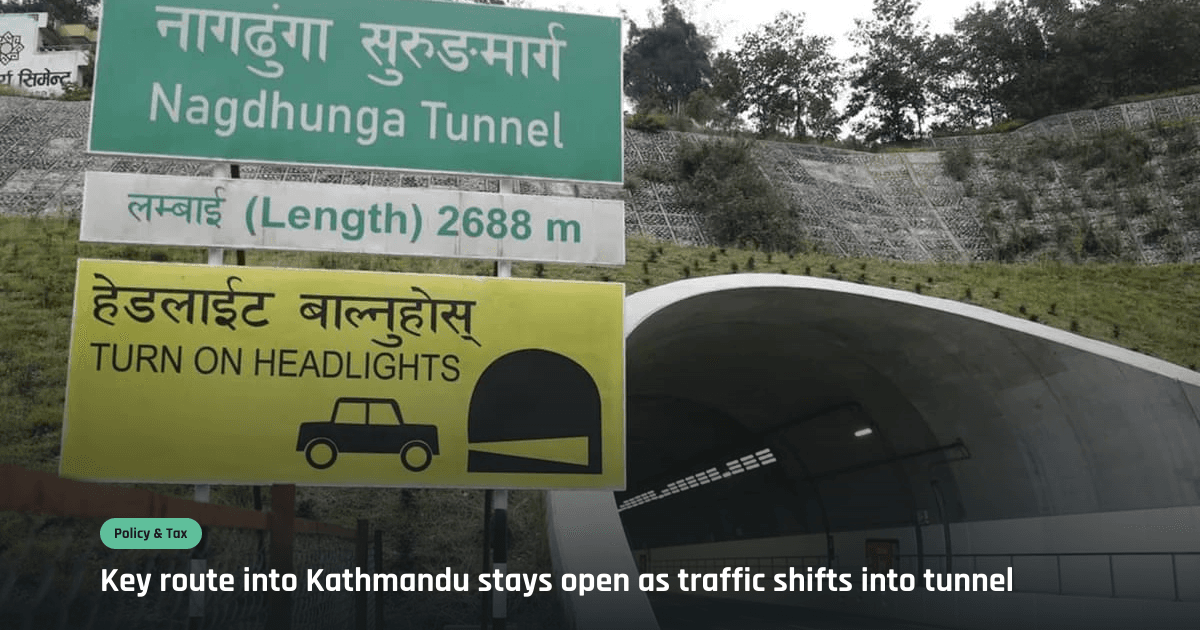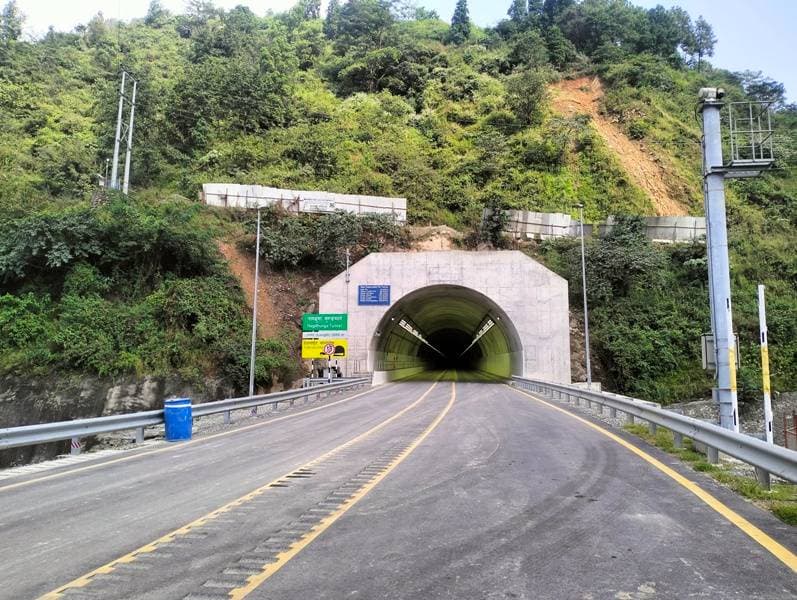
Kathmandu’s long‑awaited Nagdhunga–Sisne Khola road tunnel is now operational, offering a new, faster highway link between the Capital and Dhading. This marks a significant milestone in Nepal's infrastructure development, as it is the country's first modern commercial road tunnel.
Opening after years of work
The tunnel, inaugurated by Infrastructure Development Minister Sunil Lamsal, Japanese Ambassador Maeda Toru, and JICA President Dr. Tanaka Akihiko, was completed after a foundation ceremony in 2019. Despite delays due to COVID‑19 and land compensation disputes, it stands as the country's first organized transport tunnel.
- The main tunnel length is 2.68 km.
- An additional 2.557 km emergency (rescue) tunnel runs alongside for incidents and maintenance.
- The project was constructed by Japanese contractor Hazama Ando Corporation.
According to the government’s project brief, funding came from both Japan and Nepal:
- Around Rs 16.5 billion from the Japanese government (loan/grant mix).
- Around Rs 6 billion from the Government of Nepal, with further loan support added when costs rose during construction.
Who can use the tunnel at first?
From the first day of operation, not all vehicles will be allowed to drive through the tunnel.
- Day 1 access is limited to emergency‑use vehicles (such as ambulances, police, and rescue vehicles), as per the official rollout plan.
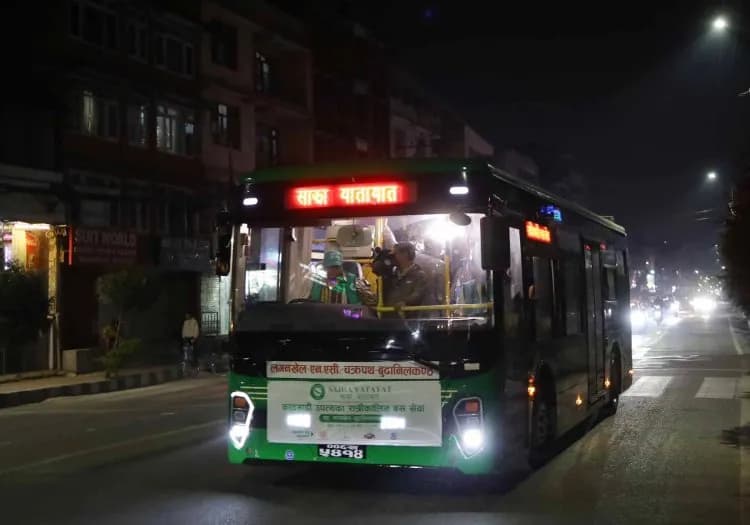
- After that, other private and public vehicles will be allowed in phases, once authorities are satisfied with safety, signage, and traffic management.
For regular drivers, this means you may not be able to use the tunnel immediately, but gradual opening to normal traffic is planned.
Vehicle restrictions inside the tunnel
To reduce accident and fire risk, certain types of traffic will be banned inside the tunnel section of the highway:
- No pedestrians allowed.
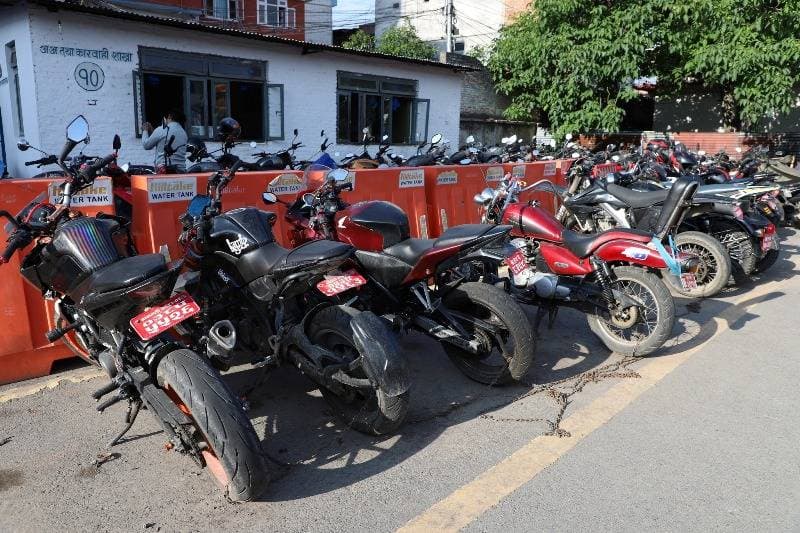
- No two‑wheelers (bikes, scooters).
- No vehicles carrying petrol, diesel, or other highly flammable materials.
If you ride a motorcycle or drive a fuel tanker, you will still need to use the existing Nagdhunga road rather than the new tunnel.
Toll charges for different vehicles
The new tunnel is not free to use. The government has set different tolls for entering and exiting Kathmandu through the tunnel.
For drivers, the key charges are:
- Car / van
- Rs 65 when entering Kathmandu via the tunnel
- Rs 60 when exiting Kathmandu
- Minibus / tipper
- Rs 115 when entering Kathmandu
- Rs 80 when exiting
- Bus / truck
- Rs 260 when entering Kathmandu
- Rs 200 when exiting
- Heavy truck
- Rs 600 when entering Kathmandu
- Rs 250 when exiting
These rates apply each time the vehicle passes through the tunnel. For commercial operators, this will become a regular operating cost to factor into freight or passenger fares.
What it means for everyday drivers
For four‑wheeler owners traveling between Kathmandu and the western parts of Nepal:
- The tunnel should reduce travel time and avoid steep, narrow sections of the old Nagdhunga hill road.
- Car and van users pay the lowest tolls, while heavy trucks pay the highest.
- Bike riders cannot use the tunnel, so their route remains unchanged for now.
Overall, the Nagdhunga tunnel marks a major change in the driving experience on the main western approach to Kathmandu, especially for car, bus, and truck drivers who regularly face congestion and slow climbs on the old highway section. Minister Lamsal noted that this project represents the beginning of a new phase of tunnel-based infrastructure development, with eight more road tunnel projects currently under construction. The Siddhababa Tunnel on the Siddhartha Highway is expected to become Nepal's second operational modern road tunnel by October 2026, further enhancing connectivity across the country.
Writes on vehicle pricing, taxation and the Nepali auto market from ongoing tracking of distributor price lists. Editorial policy.