India’s largest carmaker Maruti Suzuki has confirmed that it will increase vehicle prices in India by up to Rs 30,000 (INR) from August 2026, citing sustained pressure from higher input and commodity costs, according to its regulatory filing. Multiple Indian business dailies report that this will be the second price revision in 2026, after a similar hike in June.
What is changing in India
- The hike of up to Rs 30,000 (INR) will apply across Maruti Suzuki’s passenger vehicle range.
- The exact increase will vary by model and variant; entry-level hatchbacks and premium SUVs will all be affected.
- Indian reports note that Maruti has been absorbing part of the cost through internal efficiency measures, but the current cost environment has forced the company to pass some of the burden on to customers.
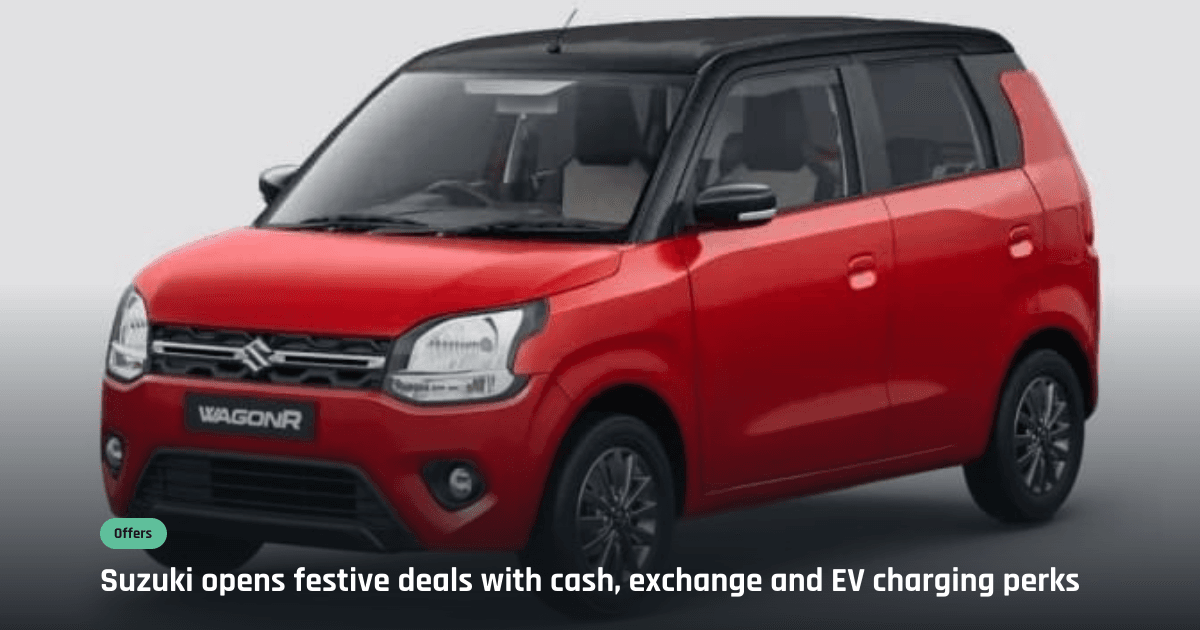
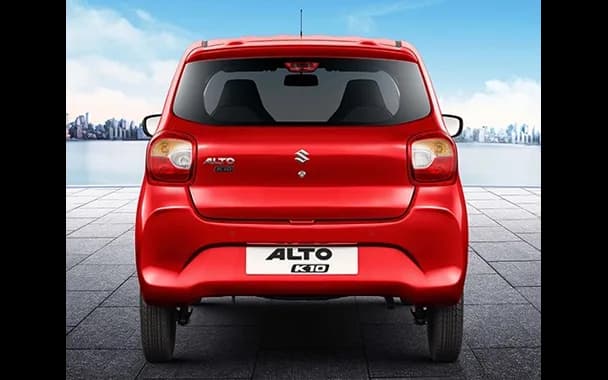
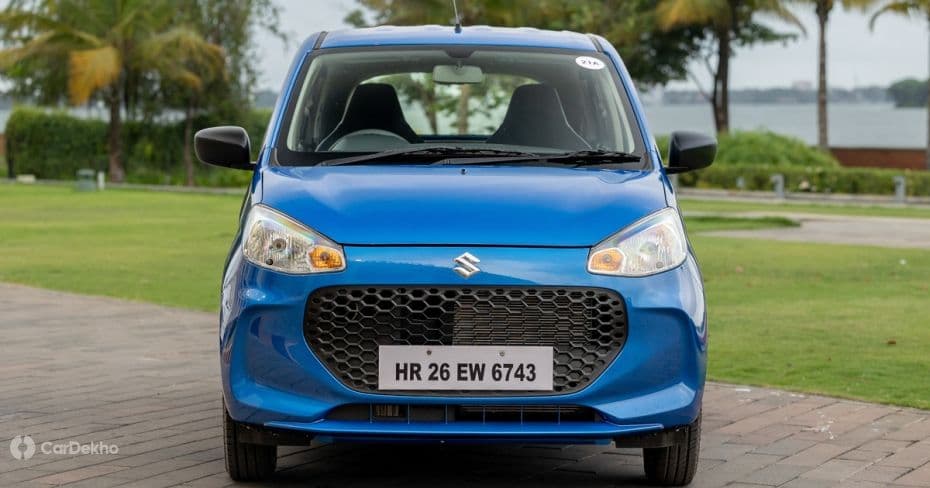
Models mentioned in Indian coverage include popular hatchbacks and sedans like Alto K10, S-Presso, WagonR, Swift, Dzire, Baleno, and newer crossovers and SUVs such as Fronx, Brezza, Ertiga, Grand Vitara, Victoris, Jimny and Invicto.
Nepal angle: prices today vs future imports
Maruti Suzuki’s products reach Nepal under the Suzuki badge through official distributors, and many of the India-made models listed above are already on sale here. For example, as of mid‑2026 price lists:
- Suzuki Alto K10 LXI (998cc) in Nepal is around Rs 28.5 lakh.
- Higher Alto K10 variants and other models like WagonR, Swift, Dzire, Baleno, Brezza and Grand Vitara are all priced well above Rs 30 lakh for most trims.
These are current Nepali prices; the announced Indian hike applies from August 2026 and has not yet been reflected in Nepal.
Will Maruti’s India price hike make cars costlier in Nepal?
- Short term (next few weeks): Dealers in Nepal are unlikely to change prices overnight, as existing stock has already been imported at earlier costs. Buyers who have been planning to purchase small hatchbacks like Alto K10, S-Presso or WagonR may still find prices similar to current levels.
- Medium term (new shipments after August): Since Nepal imports most Suzuki vehicles from India, higher ex‑factory and wholesale prices there typically translate to higher landed costs in Nepal. That means:
- Future batches of budget hatchbacks could rise by a few tens of thousands of rupees.
- Larger increases are possible on premium SUVs and hybrids like Grand Vitara and Victoris, where the original vehicle price is already high.
- Upcoming launches and new variants: Any new Maruti/Suzuki model launched in India after August 2026 will likely carry the higher cost base. If and when those vehicles are introduced in Nepal, introductory prices here are also likely to be higher than what buyers might have expected six months ago.
What Nepali buyers should keep in mind
- If you are close to deciding on a Suzuki hatchback or compact sedan, current Nepali prices are still based on pre‑August Indian costs; buying sooner could avoid incremental hikes on future shipments.
- Those considering larger SUVs or strong-hybrid models should factor in the possibility of gradual price increases over the next year, aligned with India-side revisions.
Overall, while the August 2026 price hike is an Indian decision, it is an early signal that Suzuki cars in Nepal are more likely to become gradually expensive rather than cheaper, especially for models directly sourced from Maruti Suzuki’s Indian plants.
Our own record on this
Suzuki Alto K10: 14 · Suzuki Celerio: 10 · Suzuki Wagon R: 1. Each is a dated change we applied to a published ex-showroom price after checking it. A logged change may be a distributor's revision or our own correction coming into line with the official figure — the log says which way each one moved, and when, not why.
See the full price-change log →- Suzuki Alto K10: suzuki.com.np — checked 2026-10-20
- Suzuki Celerio: suzuki.com.np — checked 2026-10-20
- Suzuki Wagon R: suzuki.com.np — checked 2026-10-20
Writes on vehicle pricing, taxation and the Nepali auto market from ongoing tracking of distributor price lists. Every price in this piece is read live from the Nepal AutoMart catalog — how we verify prices.