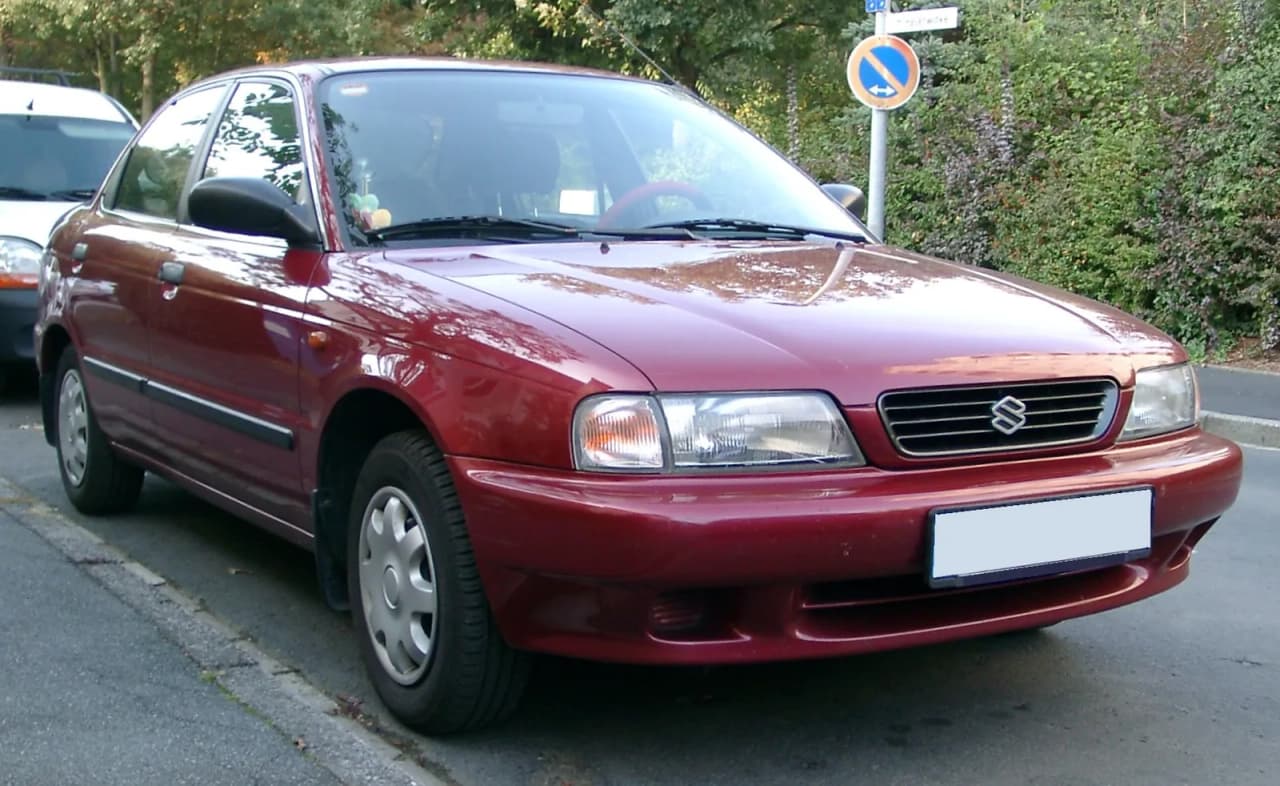
Maruti Suzuki has expanded its Hansalpur manufacturing complex in Gujarat to an annual capacity of 10 lakh vehicles, making it India’s largest passenger-car plant at a single location and Suzuki’s first factory worldwide to hit the 1 million units per year mark. This expansion coincides with Maruti Suzuki setting a new monthly sales record in July 2026, selling 2.41 lakh cars, including 30,056 units for export.
What Hansalpur Builds – And Why Nepal Should Care
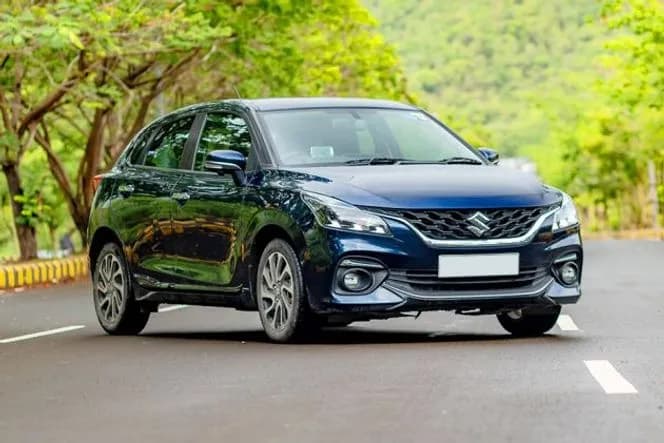
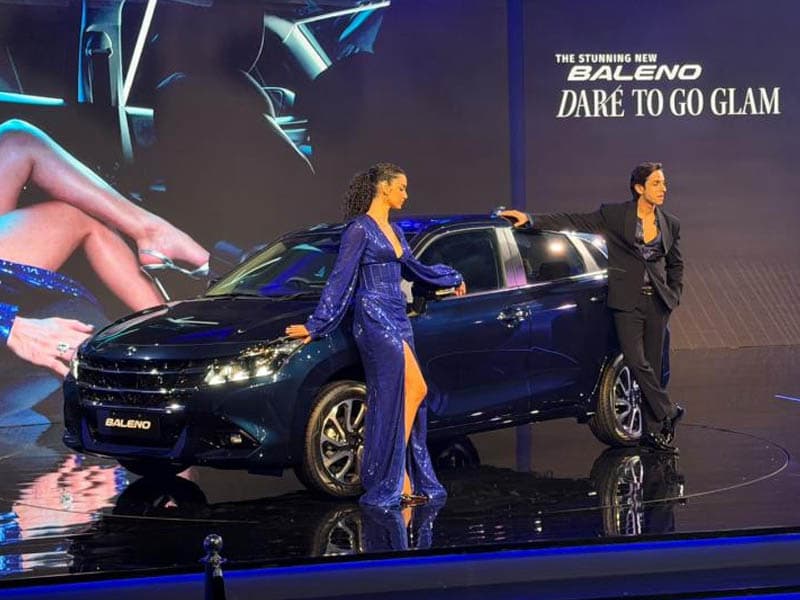
The Hansalpur site now runs four plants (A, B, C, and the newly opened Plant D) and produces Baleno, Fronx, Swift, and the new e-Vitara electric SUV. These models are significant for Nepali buyers:
- Baleno and Swift are among Maruti’s most exported hatchbacks to South Asia and are already familiar on Nepali roads through parallel imports and dealer channels.
- Fronx, a compact crossover based on the Baleno, is gaining traction in India and is a likely candidate for future entry into Nepal as demand grows for small SUVs.
- The e-Vitara, Maruti’s flagship electric SUV, has started production at Plant D and is expected to be positioned as a mass-market EV for export markets.
Because Nepal sources most of its Maruti models from Indian factories, a larger and more export-focused plant in Gujarat can translate into better availability, shorter waiting periods, and more stable wholesale pricing for Nepali distributors.
Impact On Prices And Availability In Nepal
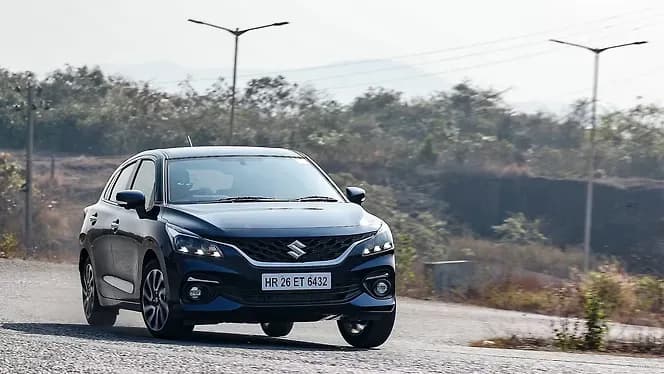
Hansalpur now accounts for nearly half of Maruti Suzuki’s exports, and the company has clearly positioned Gujarat as its main hub for overseas markets. For Nepal, this can have several practical effects:
- Higher output of Baleno and Swift should help local importers secure more units during peak demand seasons, reducing the long booking-to-delivery gaps that buyers often face.
- With production costs spread across 1 million units per year, Maruti has more room to keep factory-gate prices competitive. While Nepal’s retail prices are heavily influenced by customs duty, excise, and VAT, lower or stable Indian ex-factory prices can help limit sharp price hikes in Nepal.
- In case of supply disruptions at other plants, Hansalpur’s scale offers a buffer, improving continuity of shipments to markets like Nepal.
EV Angle: e-Vitara And Future Nepali Imports
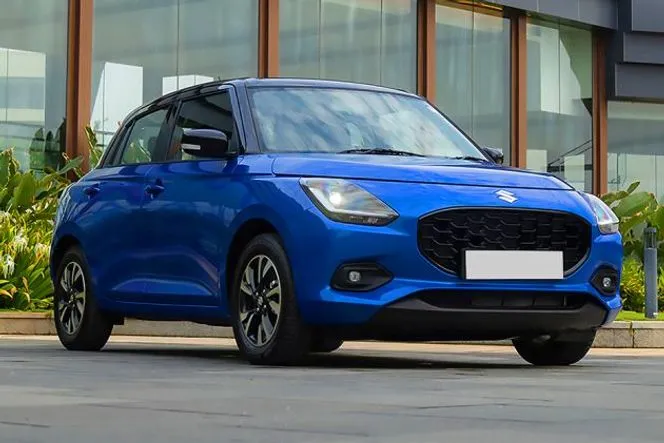
The start of commercial production of the e-Vitara signals Maruti Suzuki’s push into mainstream electric SUVs. For Nepal’s emerging EV market, this is significant:
- Once the e-Vitara is launched in India and begins exports, Nepali dealers will have a new electric SUV option alongside existing Chinese and Indian EVs.
- If Maruti keeps Indian pricing aggressive, the e-Vitara could arrive in Nepal in the Rs 40–60 lakh band (estimate, depending on battery size and local taxes), potentially undercutting many imported EV SUVs.
For now, Nepali buyers will not see immediate price changes just because Hansalpur crossed the 1-million mark. But over the next few years, as exports grow and the e-Vitara range matures, this Gujarat mega-plant is likely to be the primary source of Maruti hatchbacks, crossovers, and EVs coming into Nepal, shaping both model choice and long-term pricing trends.
Our own record on this
Each is a dated change we applied to a published ex-showroom price after checking it. A logged change may be a distributor's revision or our own correction coming into line with the official figure — the log says which way each one moved, and when, not why.
See the full price-change log →- Suzuki Swift: suzuki.com.np — checked 2026-09-13
- Suzuki Fronx: suzuki.com.np — checked 2026-09-13
- Suzuki E-Vitara: suzuki.com.np — checked 2026-08-08
Writes on vehicle pricing, taxation and the Nepali auto market from ongoing tracking of distributor price lists. Every price in this piece is read live from the Nepal AutoMart catalog — how we verify prices.