Lower entry price, separate battery charge
Electric vehicle makers are increasingly using the Battery-as-a-Service, or BaaS, model, where the buyer pays only for the car body upfront and pays for battery use separately. This reduces the initial purchase price, but it also creates an additional recurring expense that continues for as long as the car is used.
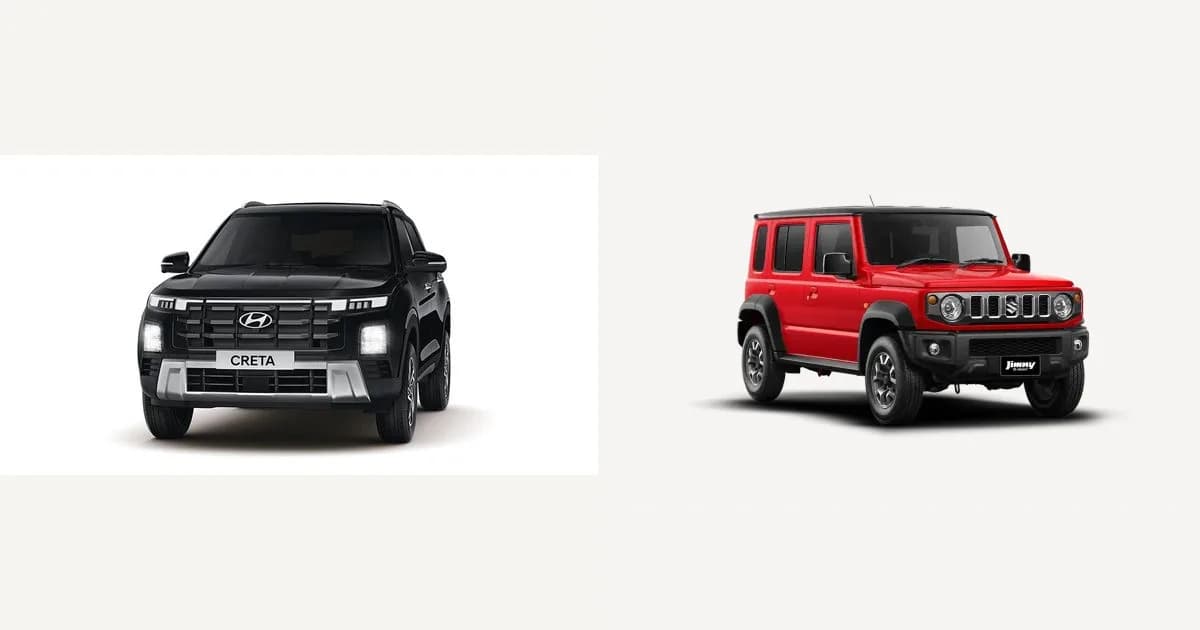
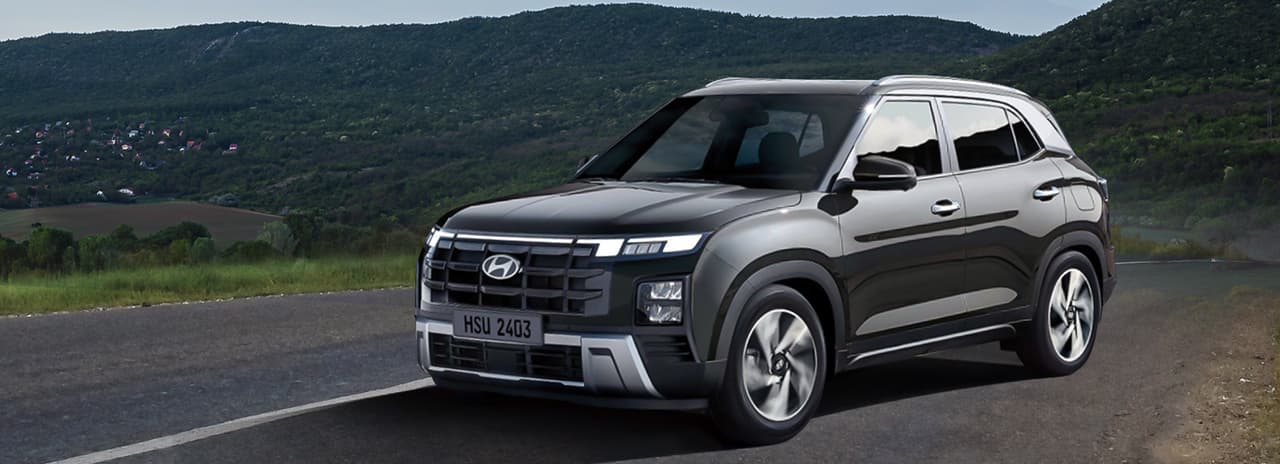
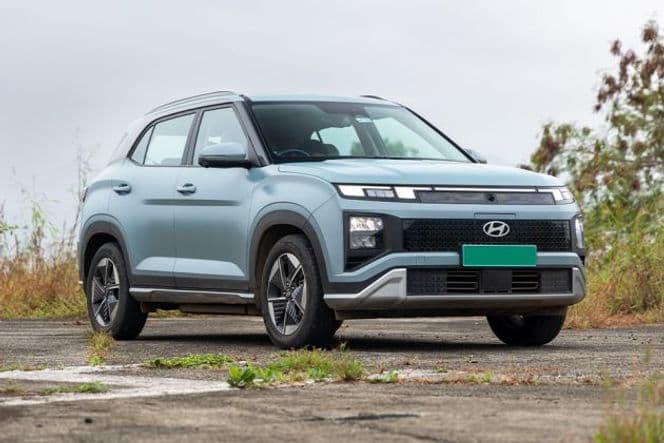
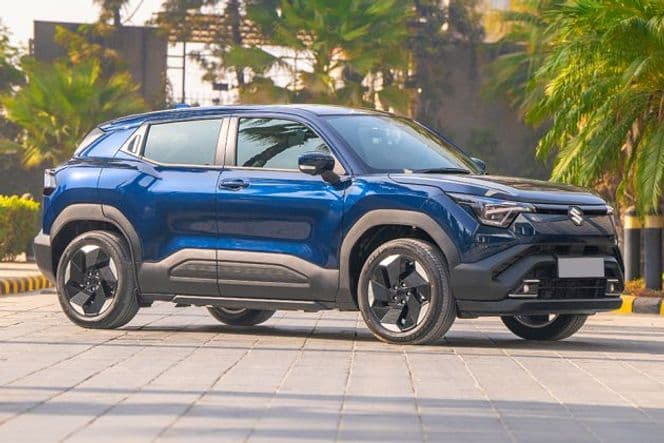
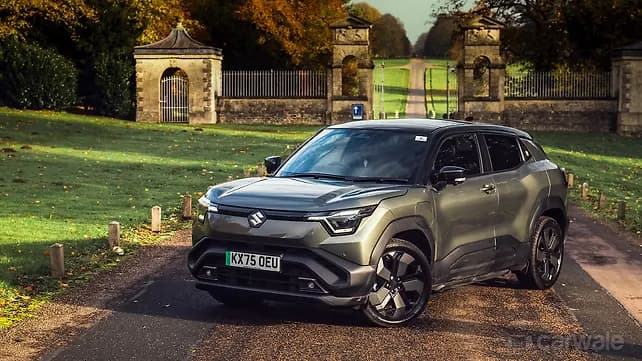
In India, this model has already changed EV pricing on several models. According to recent manufacturer announcements and industry reports, the Hyundai Creta Electric now starts at Rs 10.99 lakh under BaaS, with battery payments from Rs 3.9 per km. The Maruti Suzuki e-Vitara is also being positioned with a BaaS-style offer at Rs 10.99 lakh plus battery charges, while the Citroen eC3X has been listed with a minimum battery billing commitment of 2,000 km per month and a battery fee of Rs 2.26 per km, equal to Rs 4,520 even if the car is driven less.
New buyback program for Creta Electric
Hyundai Motor India has announced a new Assured Buyback Program for Creta Electric, offering customers an assured 60% buyback value after 3 years or up to 45,000 km, whichever comes first. The ex-showroom price of Creta EV ranges from Rs 18 lakh to Rs 25 lakh, depending on the variant and battery pack option. This initiative aims to address concerns about resale value, complementing the BaaS model by providing a clear exit strategy for buyers.
Why the model can become expensive
The advantage is clear for buyers who want a lower down payment or smaller loan amount. However, the total cost can rise over time because the buyer may need to pay both the vehicle EMI and the battery rental. For drivers covering high yearly distances, the battery bill can add up quickly.
For example, if an EV is driven 15,000 km a year and the battery charge is Rs 4 per km, the annual battery cost alone becomes Rs 60,000. Over 5 years, that comes to about Rs 3 lakh, before adding interest, taxes, or any minimum usage fees.
Best suited for some buyers, not all
BaaS can make sense for buyers who want lower upfront pricing and expect moderate use. It may be less attractive for households that drive only short distances, because some plans have minimum billing rules. That means even low-mileage users can end up paying a fixed amount every month.
For Nepal, the important point is that this is still an overseas ownership model and is not currently available in the local market. Nepali buyers should still compare the full ownership cost of an EV, including charging, maintenance, insurance, and expected battery replacement or financing costs, before deciding.
What Nepali buyers should check
- Upfront price versus battery-inclusive price
- Per-km charge or monthly minimum billing
- Expected yearly driving distance
- Loan EMI plus battery payment together
- Total cost over 5 to 8 years
For most buyers, the real question is not whether BaaS lowers the sticker price, but whether it saves money over the full ownership period.
Current prices on Nepal AutoMart
- Hyundai Creta price in Nepal: Rs 51.96 lakh – Rs 87.96 lakh ex-showroom, 20 variants
Hyundai's new initiatives, including the expansion of charging infrastructure and the introduction of the buyback program, signal a strategic push to make EV ownership more accessible and less risky, potentially paving the way for similar models in other markets, including Nepal.
Our own record on this
Each is a dated change we applied to a published ex-showroom price after checking it. A logged change may be a distributor's revision or our own correction coming into line with the official figure — the log says which way each one moved, and when, not why.
See the full price-change log →- Suzuki E-Vitara: suzuki.com.np — checked 2026-10-21
- Hyundai Creta: laxmihyundai.com — checked 2026-10-19
Writes on vehicle pricing, taxation and the Nepali auto market from ongoing tracking of distributor price lists. Every price in this piece is read live from the Nepal AutoMart catalog — how we verify prices.